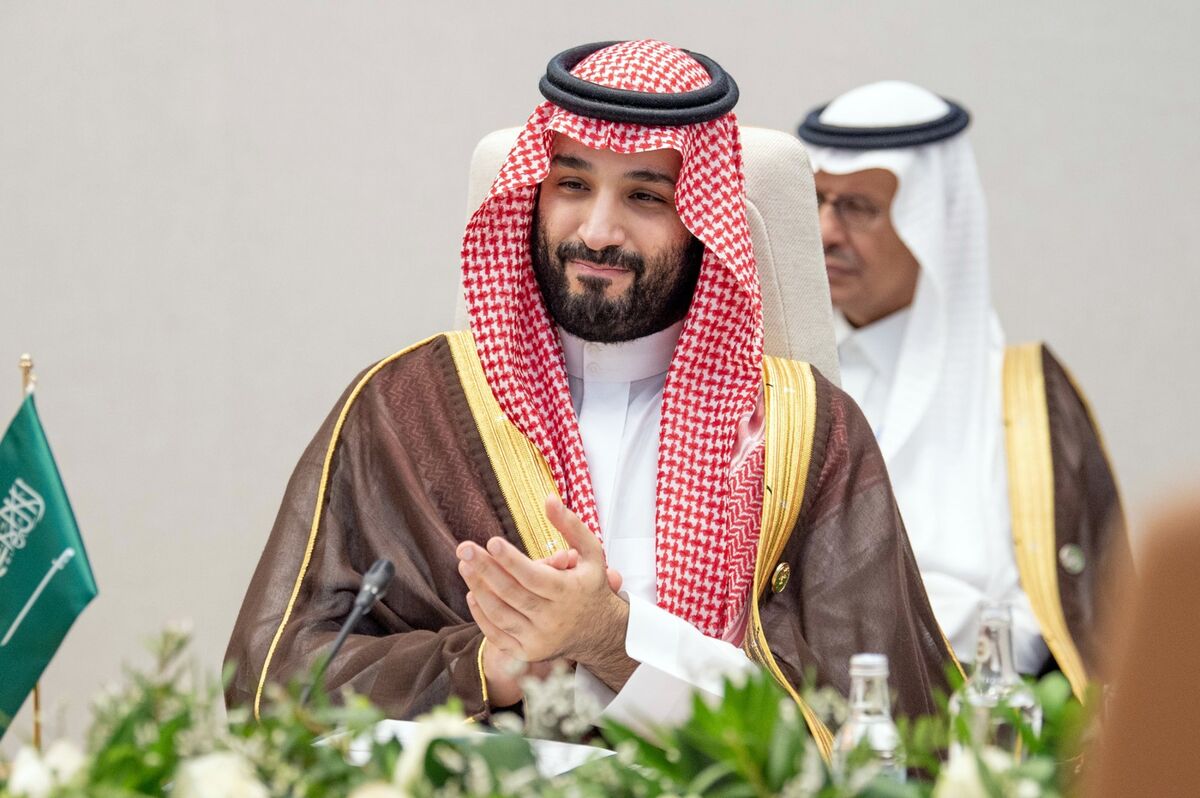
In a matter of months, Saudi Arabia has frozen rents, opened property ownership to foreigners, relaxed liquor laws and freed its stock market to investors everywhere.
After telegraphing a more pragmatic stance on spending for months, Saudi Arabia is starting to make the tough decisions. In quick succession, the kingdom has ordered sweeping reviews at its most ambitious projects spread across Neom, Jeddah, and even Riyadh.
The planned Prince Mohammed Bin Salman Stadium in Qiddiya City, in the Tuwaiq Mountains, in Riyadh. Source: Populous
Middle East businesses are watching tensions between Saudi Arabia and the United Arab Emirates with increasing nervousness, concerned it could impact commerce at a time when both nations are emerging as powerhouses of regional trade and finance.
Damaged military vehicles following a Saudi-led coalition air strike in Mukalla, Yemen, in December.
Bahrain approved fiscal reforms including changes to corporate income tax and spending cuts as the island nation seeks to curb rising debt levels and budget deficits.
Saudi Arabia’s unemployment rate rose for two consecutive quarters for the first time since 2018, signaling more challenging labor conditions as Crown Prince Mohammed bin Salman strives to transform the economy.
The King Abdullah Financial Center in Riyadh. Photographer: Maya Anwar/Bloomberg
Saudi Arabia has dozens of companies seeking approval to list shares locally as the kingdom presses ahead with reforms to deepen its financial markets and draw more foreign investors.
Mohammed Al-Rumaih at FII Priority Asia Summit in Tokyo on Dec. 1, 2025.
Saudi Arabia’s sovereign wealth fund is looking to increase its investments in Japan to about $27 billion by the end of 2030 as the kingdom looks to deepen ties in Asia and expand in areas from critical minerals to financial markets.
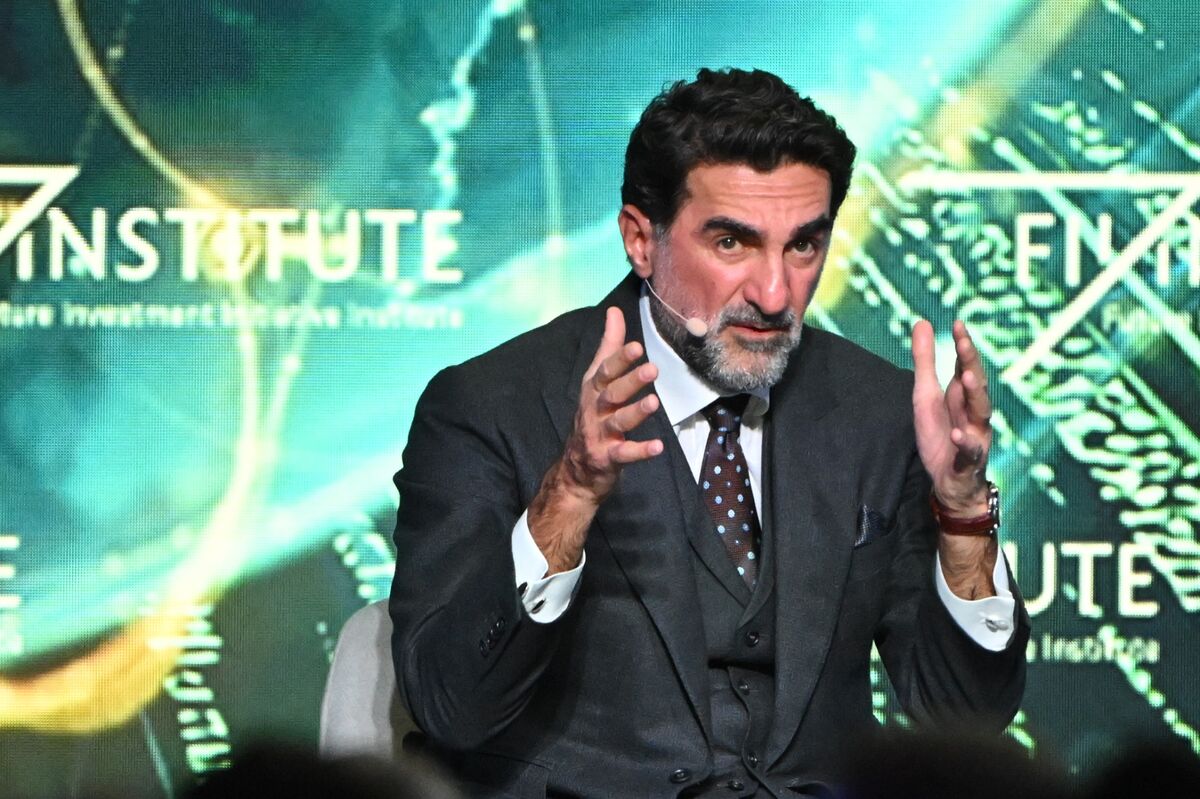
Yasir Al-Rumayyan at FII Asia Priority Summit in Tokyo on Dec. 1, 2025.
 Anmelden