Farm products are once again in the crossfire of trade tensions between China and the European Union. This time, the target isn’t French wine or Dutch cheese — it’s Peking duck.
China and the US are seeking to roll back tariffs on some agricultural products, as they look to preserve a broader trade truce that was struck last year.
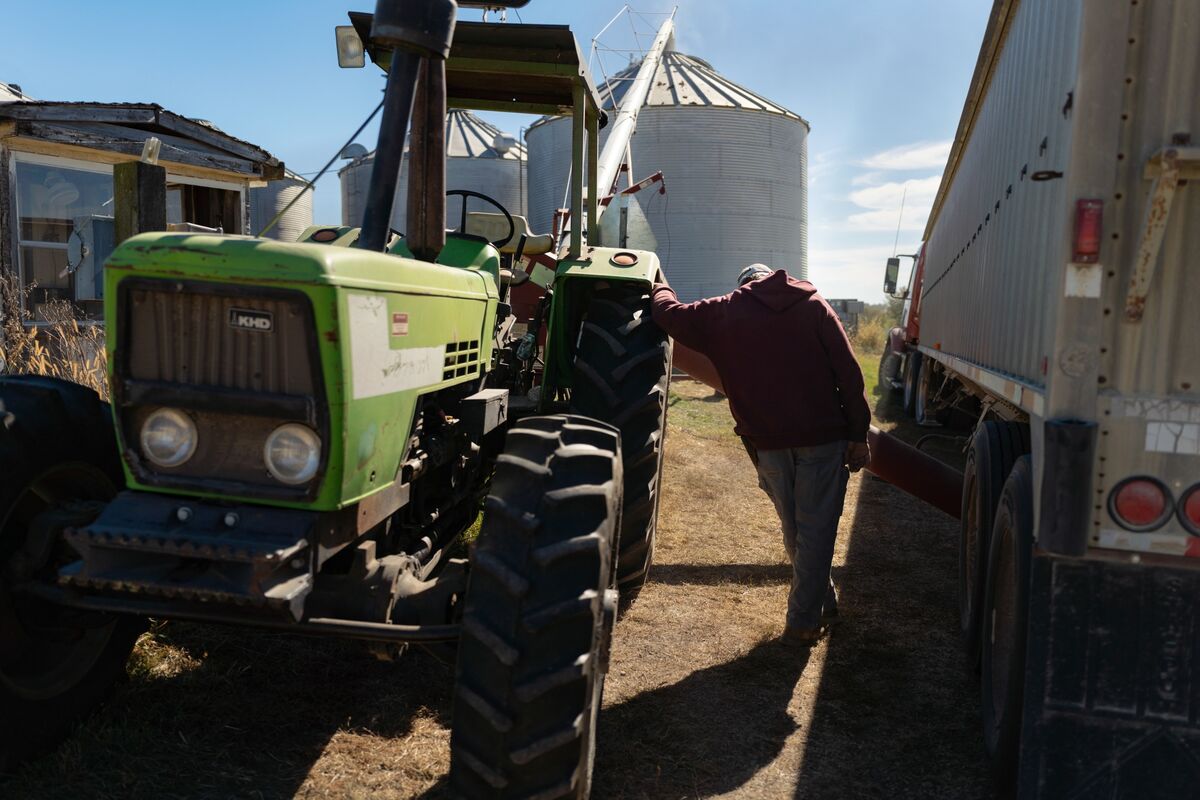
A farmer near a grain truck during the final soybean harvest of the season in Rochester, Minnesota, US, on Saturday, Oct. 11, 2025. Soybean futures plunged, extending earlier losses, after US President Donald Trump threatened additional tariffs on China’s goods and said there was “no reason” to meet with Chinese President Xi Jingping.
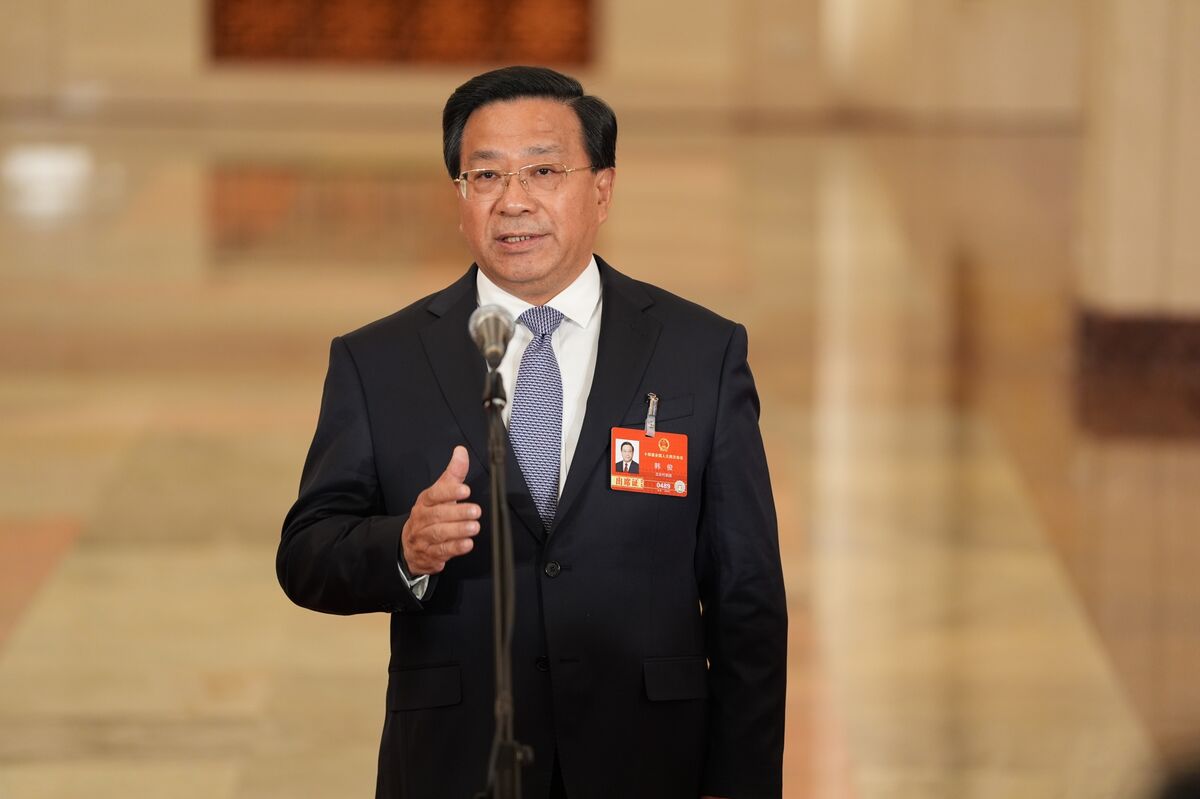
China has removed Han Jun as the most senior Communist Party official at the agriculture ministry, a sudden move that marks the second such reshuffle in under two years.
An initial Australian canola cargo has cleared inspection in China, raising hopes that trade volumes could pick up after a lengthy halt in flows.
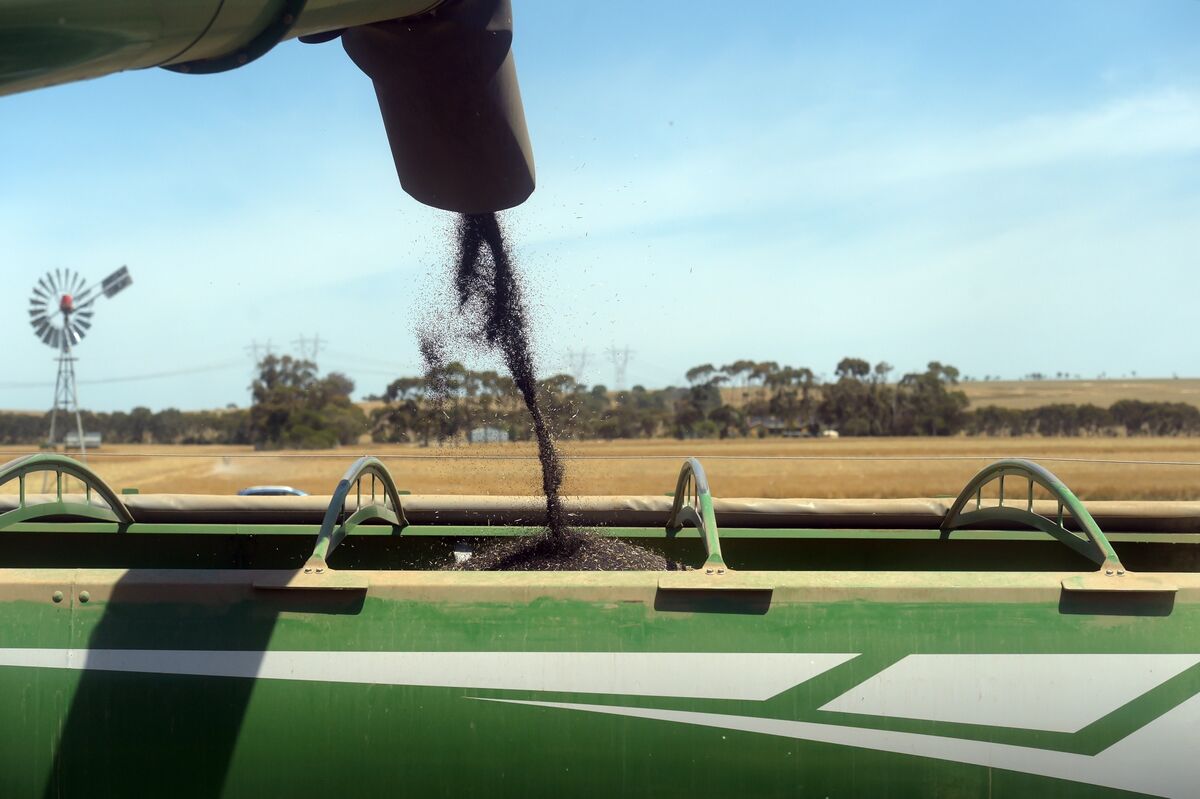
A harvester offloads canola grain into a skipper at a farm in Balliang, Victoria, Australia, on Wednesday, Dec. 17, 2025. Australia is the world's second-biggest exporter of canola.
China placed quotas on beef imports as it seeks to protect domestic farmers and producers, dealing a blow to Brazil and other major shippers including Australia and Argentina.
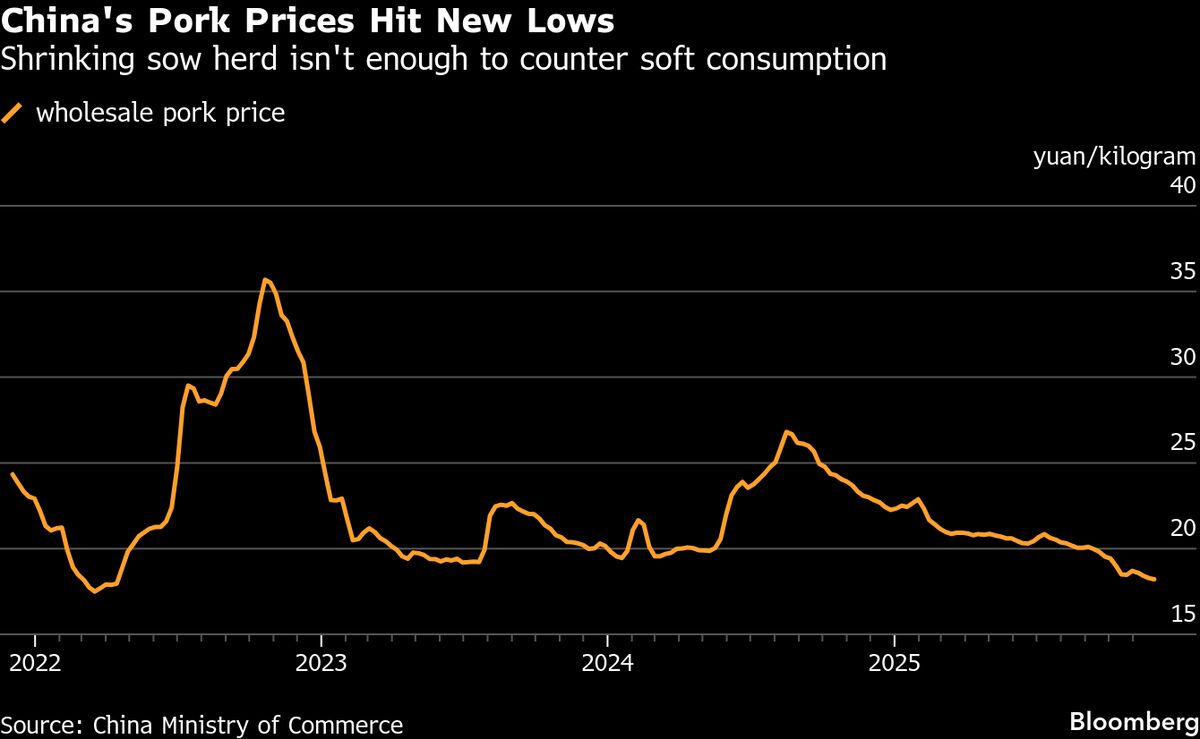
Chinese pork prices have been in retreat all year and look set to go even lower, with government efforts to cull the breeding herd and a seasonal demand boost not enough to arrest the slide.
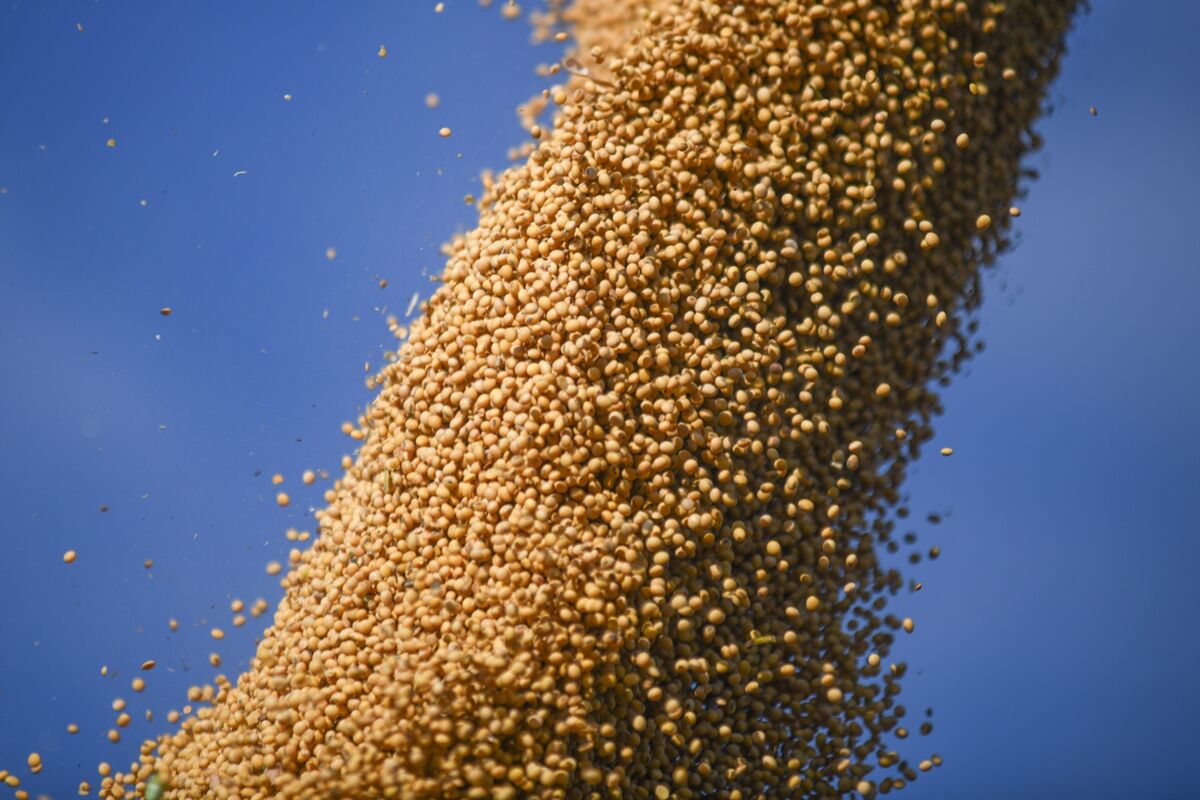
China is expected to step up US soybean purchases to meet a pledge to buy at least 12 million tons by the end of the year, according to multiple traders, underscoring a wider market hope that — at least in agriculture — a fragile trade truce can hold.
 Anmelden