Brazil’s Treasury is ready to step up actions to alleviate stress in the nation’s 2.3-trillion-real ($447 billion) inflation-linked bond market that has been hit by shifting demand and investors’ concerns about public spending.
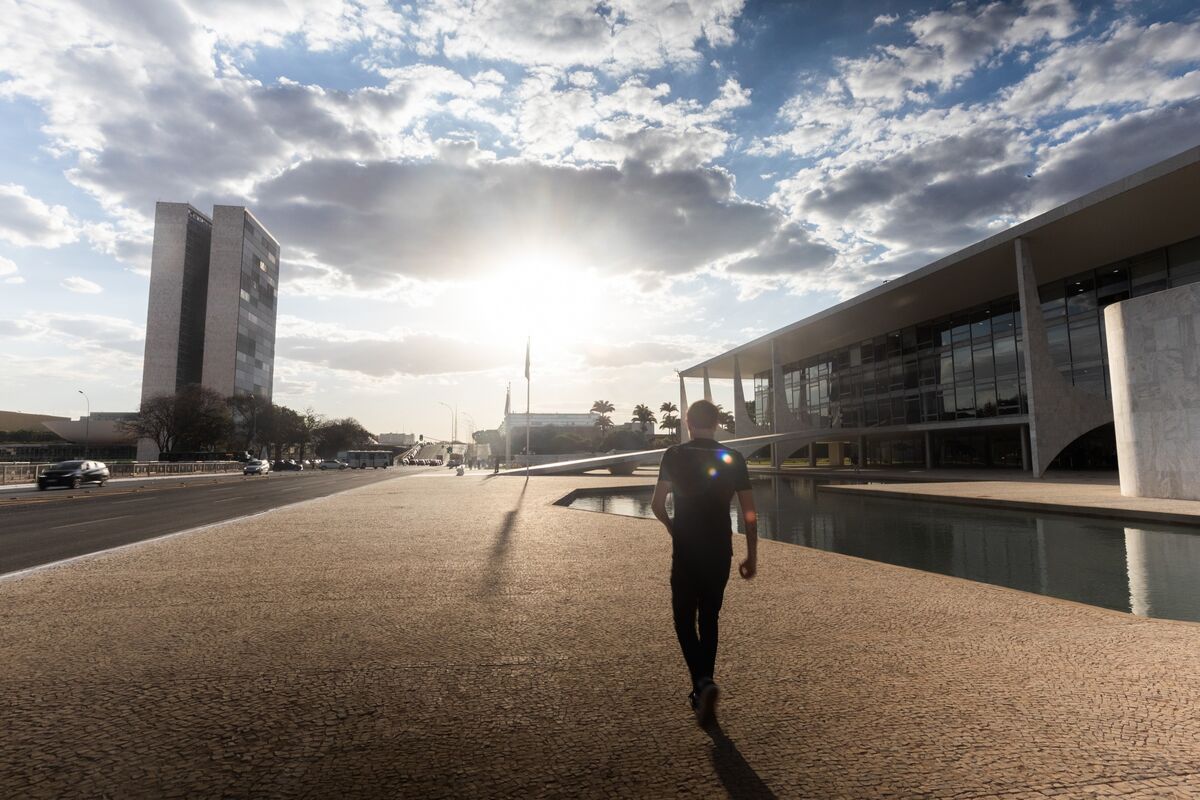
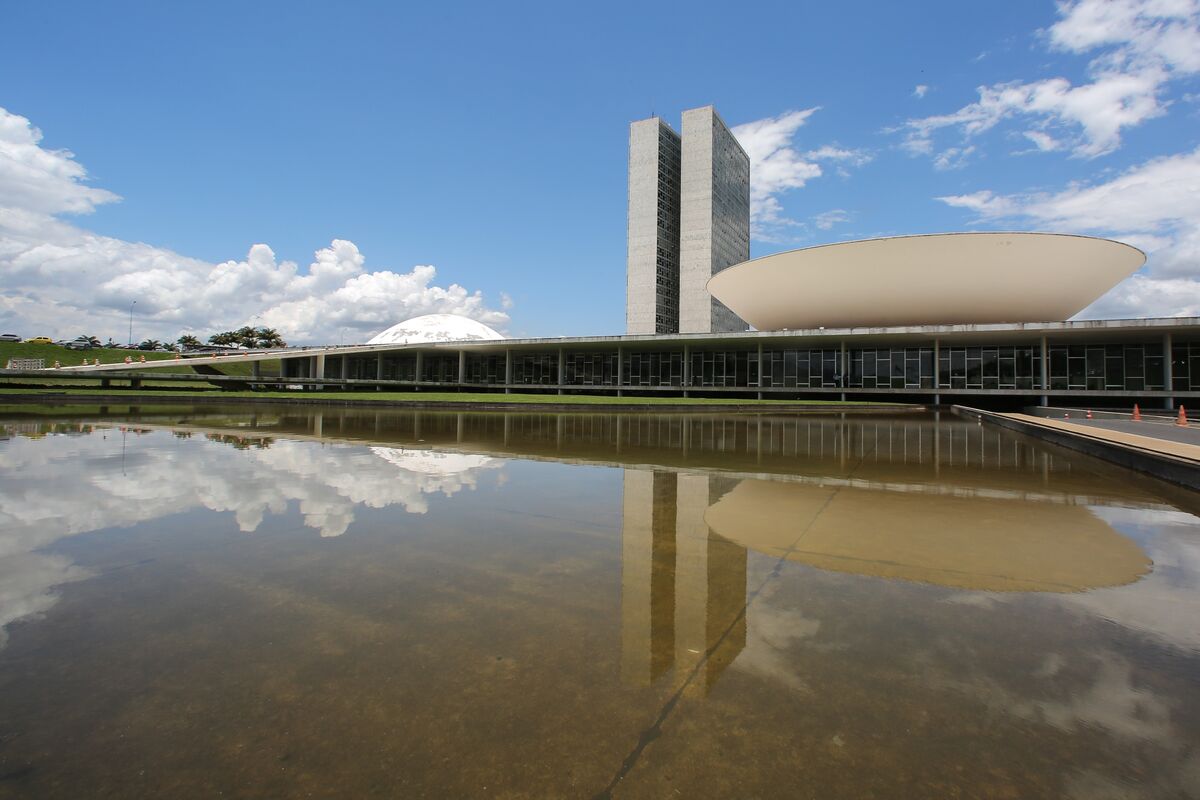
The National Congress building in Brasilia, Brazil, on Monday, Aug. 4, 2025. Brazil's central bank board voted unanimously to keep rates at 15% on July 30, leaving policy exceptionally tight despite looming growth risks from US tariffs.
Credit measures introduced by President Luiz Inácio Lula da Silva’s government do not undermine monetary policy, Finance Minister Dario Durigan said in an interview with local news website G1 published on Saturday.
Brazil will immediately start rolling back emergency fuel subsidies implemented after the start of the Middle East war as President Luiz Inácio Lula da Silva seeks to show fiscal restraint.
Brazil’s central bank raised its 2026 economic growth forecast as a strong labor market and government spending support activity while also undermining tight monetary policy that seeks to slow inflation to target.
Brazil’s central bank said adjustments to its easing cycle will be made based on new information while also warning inflation risks are skewed to the upside, together boosting odds of a pause to interest rate cuts.
Brazilian markets sold off on Thursday as investors criticized the central bank for cutting interest rates while flagging a worsening inflation outlook.
Brazil’s central bank cut its key interest rate by a quarter-point for a third straight meeting while flagging a worsening inflation outlook, prompting many economists to bet its easing cycle may be halted as soon as August.
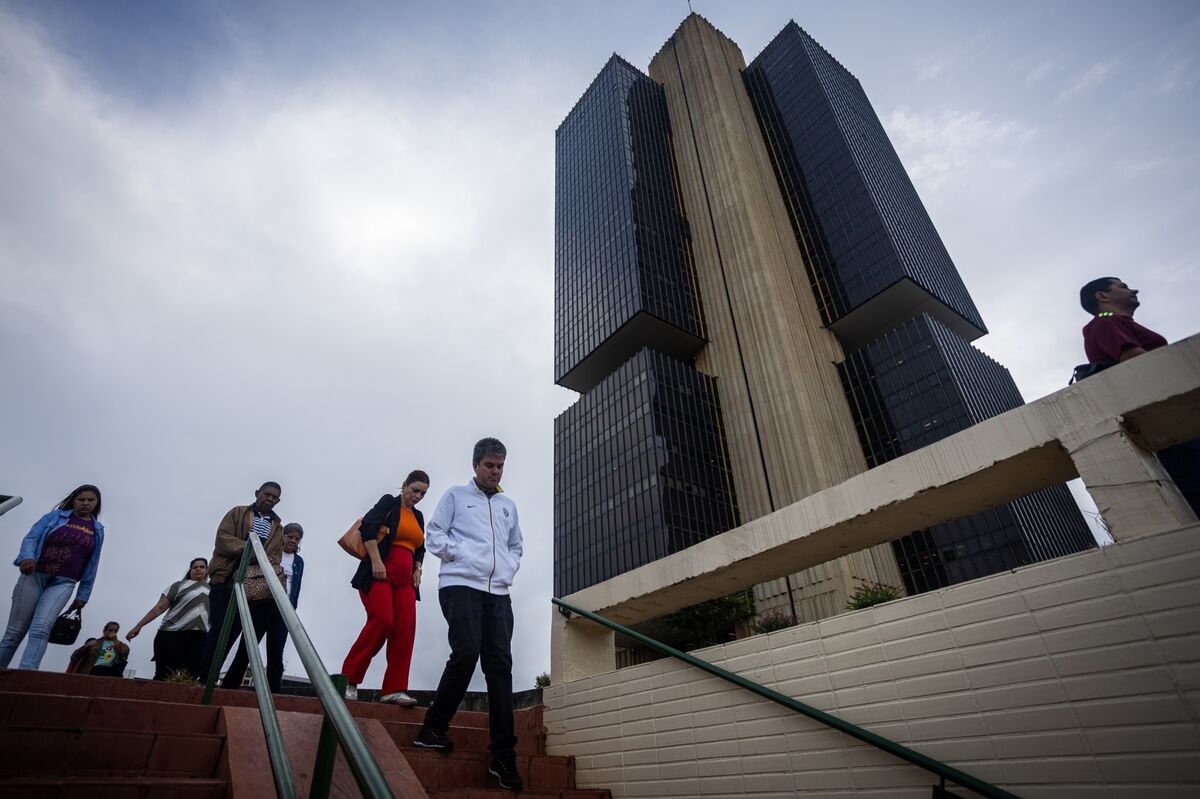
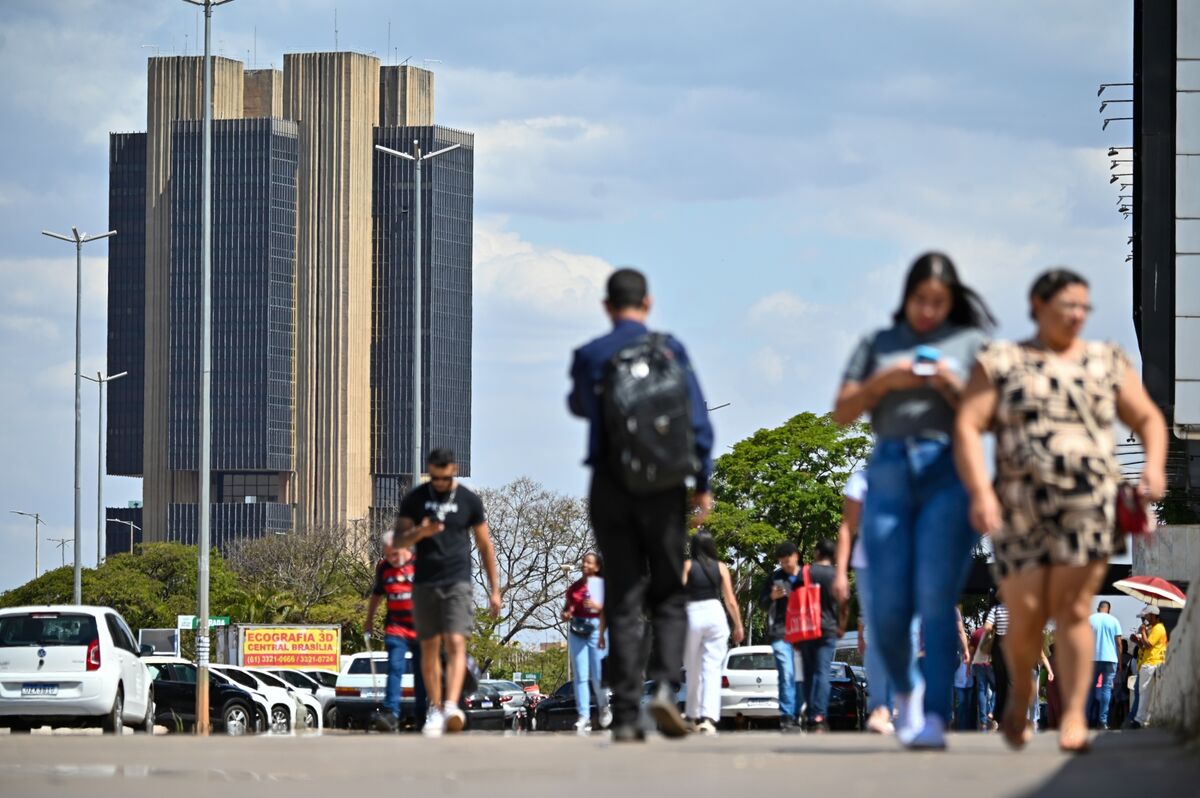
Commuters pass the Central Bank of Brazil in Brasilia, Brazil, on Wednesday, March 18, 2026. Brazil's central bank is poised to launch its monetary easing cycle despite lingering risks to oil prices from the war in Iran.
Brazil’s central bank will likely cut its key interest rate by a quarter-point on Wednesday, with an Iran peace deal easing some pressure as policymakers navigate a series of inflation risks.
Gabriel Galipolo, governor of the Central Bank of Brazil Photographer: Ton Molina/Bloomberg
Brazil’s economic team is seeking to negotiate with Congress to prevent final approval of three bills that would add more than 170 billion reais ($33 billion) to the nation’s budget over the next 10 years, Planning Minister Bruno Moretti said.
Brazil’s central bank is facing pushback from President Luiz Inácio Lula da Silva’s allies and some of its own employees as it seeks greater budget and staffing control, saying resource constraints are hampering oversight of the country’s increasingly complex financial system.
When President Luiz Inácio Lula da Silva’s senior officials convene on Mondays to discuss Brazil’s most pressing government business, one rule is clear: keep quiet if you’re not advocating for stimulus.
Brazil posted its largest budget deficit since the pandemic last month in a result that was much worse than expected, as the government made court-ordered payments and ramped up stimulus before October’s election.
The National Congress building stands in Brasilia.
Brazil’s central bank cut its key interest rate by a quarter point for the second straight meeting while signaling that more easing is not set in stone as policymakers grow increasingly wary of accelerating inflation.
The Central Bank of Brazil in Brasilia, Brazil, on Friday, Sept. 5, 2025. Brazil's central bank governor Galipolo said during a presser on new rules for payment companies that the stricter regulation approved by Brazil’s central bank is aimed at fighting organized crime, not financial institutions.
Brazil’s central bank will likely deliver a timid interest rate cut for the second straight meeting as an energy price shock and fresh fiscal stimulus limit a window of opportunity to unwind tight monetary policy.
Brazil’s government will ask Congress for authorization to use extraordinary revenue linked to oil to cut taxes on fuel such as gasoline, diesel, ethanol and biodiesel.
Luiz Inacio Lula da Silva, Brazil's president, during a joint press conference with Cyril Ramaphosa, South Africa's president, not pictured, at Planalto Palace in Brasilia, Brazil, on Monday, March 9, 2026. Ramaphosa’s visit to Brazil will focus on enhancing diplomatic and political relations, as well as economic and commercial relations between the two countries.
Peru central bank chief Julio Velarde is staying patient as conflict in the Middle East continues, saying it would be “premature” to raise interest rates in response to what should be a transitory shock to energy prices.
Brazil’s economic activity accelerated slightly faster than expected in February, a sign that the economy remains resilient to the drag of double-digit borrowing costs.
Shoppers at a street market in the Liberdade neighborhood of Sao Paulo.
Brazil’s new finance chief warned that a prolonged war in Iran could force central banks worldwide to act to contain inflation, complicating efforts to support economic growth.
Dario Durigan speaks during an interview at Brazil’s embassy in Washington on April 14.
Brazil’s government will expand federal tax cuts and subsidies on fuels as it attempts to shield consumers from rising prices due to the war in Iran, broadening measures it had previously unveiled amid the conflict.
A worker at a Petrobras gas station in Sao Paulo, Brazil, on Thursday, May 16, 2024. Brazil's president shook up the leadership of Petrobras, the nation's state-owned oil company, by firing the chief executive officer and one of his top deputies after months of sparring.

 Anmelden