The European Union is preparing to create new trade powers that could completely shut off access to its single market as part of a dramatic new push to cut the trade deficit with China.
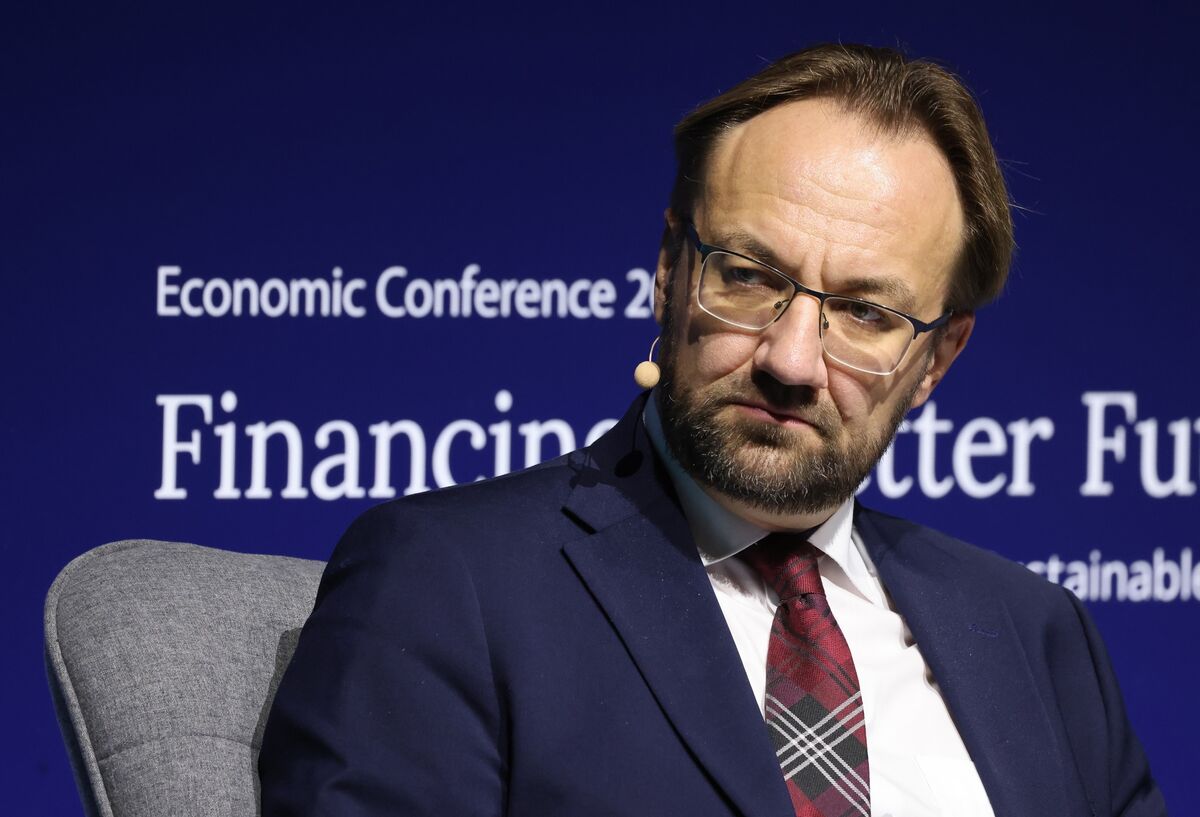
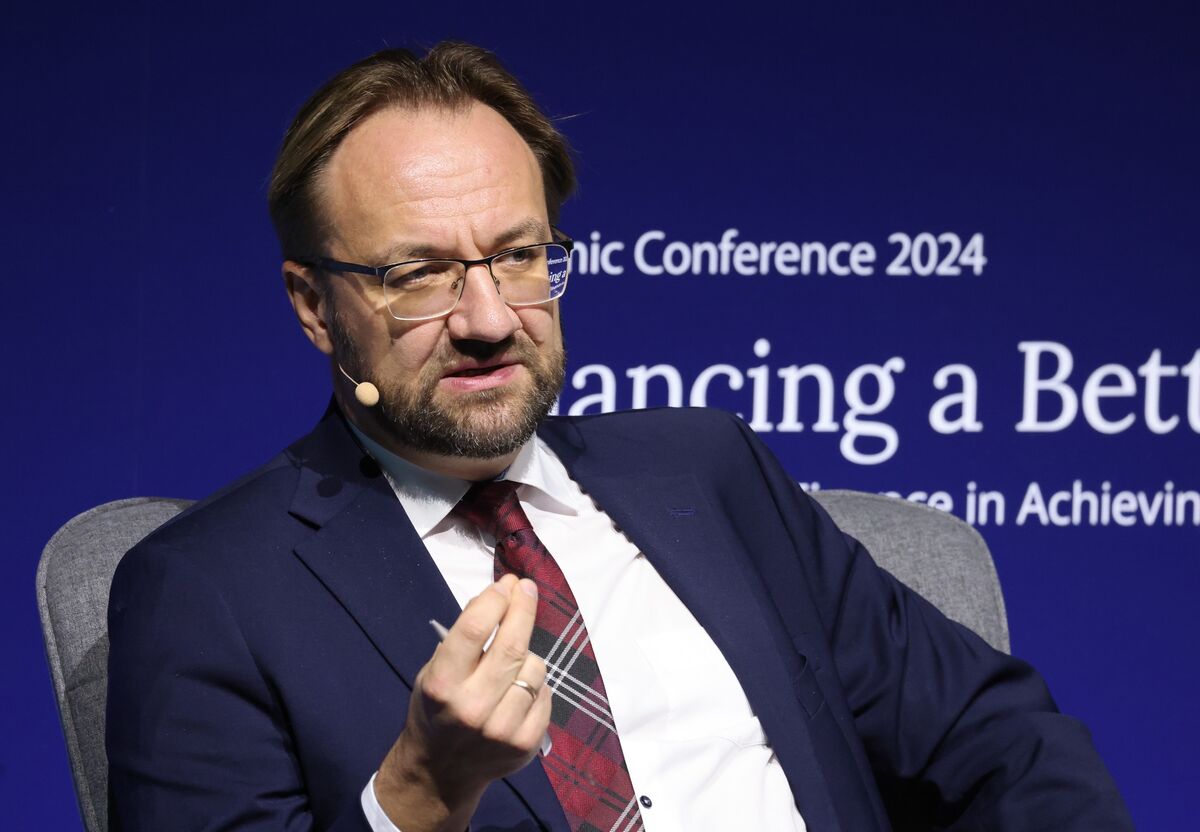
The European Central Bank won’t hesitate to raise interest rates further if necessary, though it will take time to determine its next steps, according to Governing Council member Peter Kazimir.
The European Central Bank is still more likely to increase borrowing costs than to hold them steady, according Governing Council member Gediminas Simkus.
European Central Bank policymaker Gediminas Simkus predicted that officials will increase borrowing costs at least one more time.
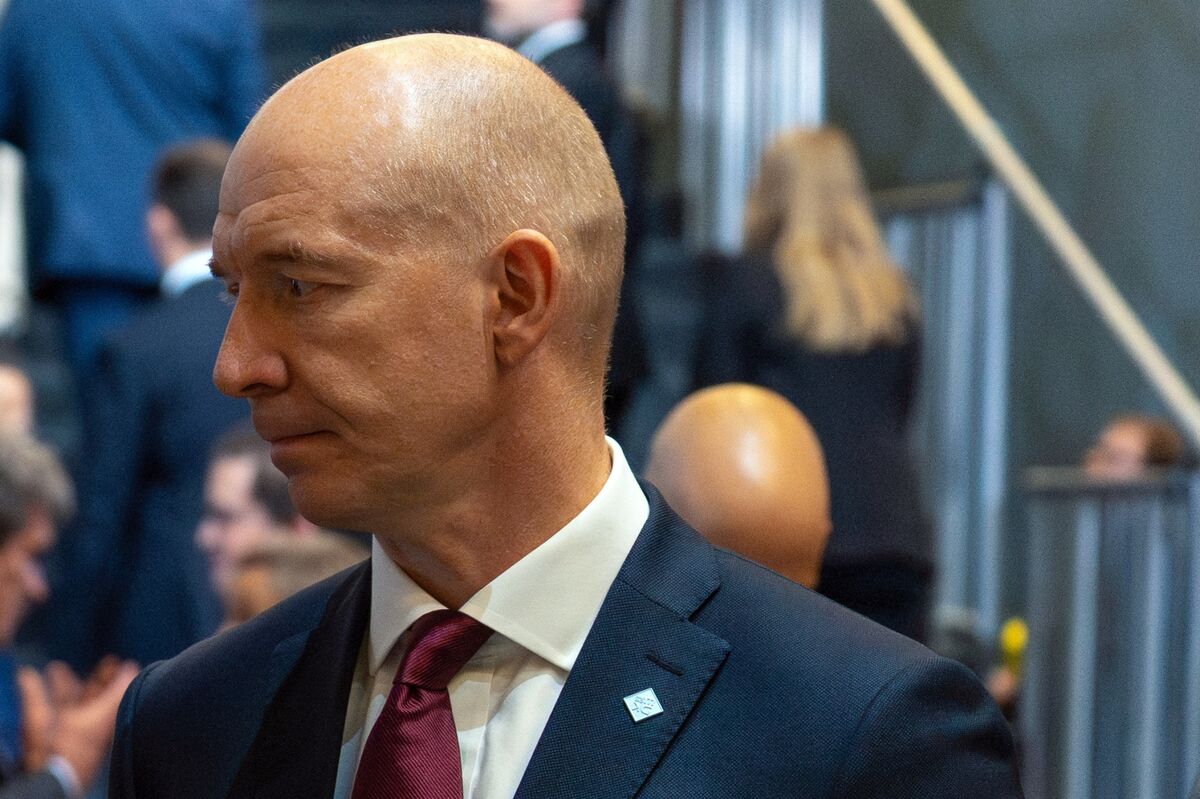
Gediminas Simkus, governor of the Central Bank of Lithuania, following an event at the Washington DC Economic Festival in Washington, DC, US, on Thursday, April 18, 2024. The International Monetary Fund inched up its expectations for global economic growth this year, citing strength in the US and some emerging markets, while warning the outlook remains cautious amid persistent inflation and geopolitical risks.
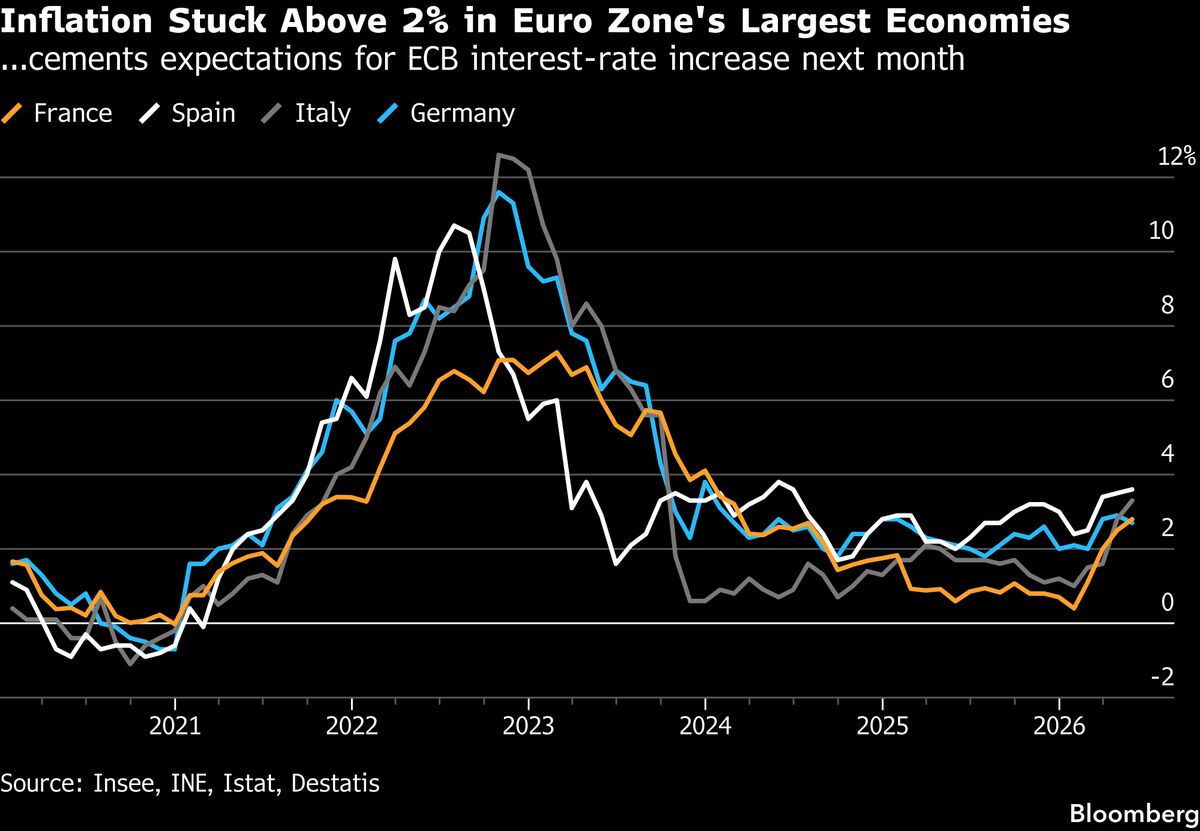
Euro-area inflation topped 3% for the first time in more than 2 1/2 years, cementing expectations for an interest-rate hike when the European Central Bank meets next week.
It’s highly likely that the European Central Bank will have to raise interest rates at its next meeting in June due to the Iran war, Governing Council member Peter Kazimir said.
Two European Central Bank officials said it’s too soon to lift borrowing costs this month as the full consequences of the Iran conflict remain unclear.
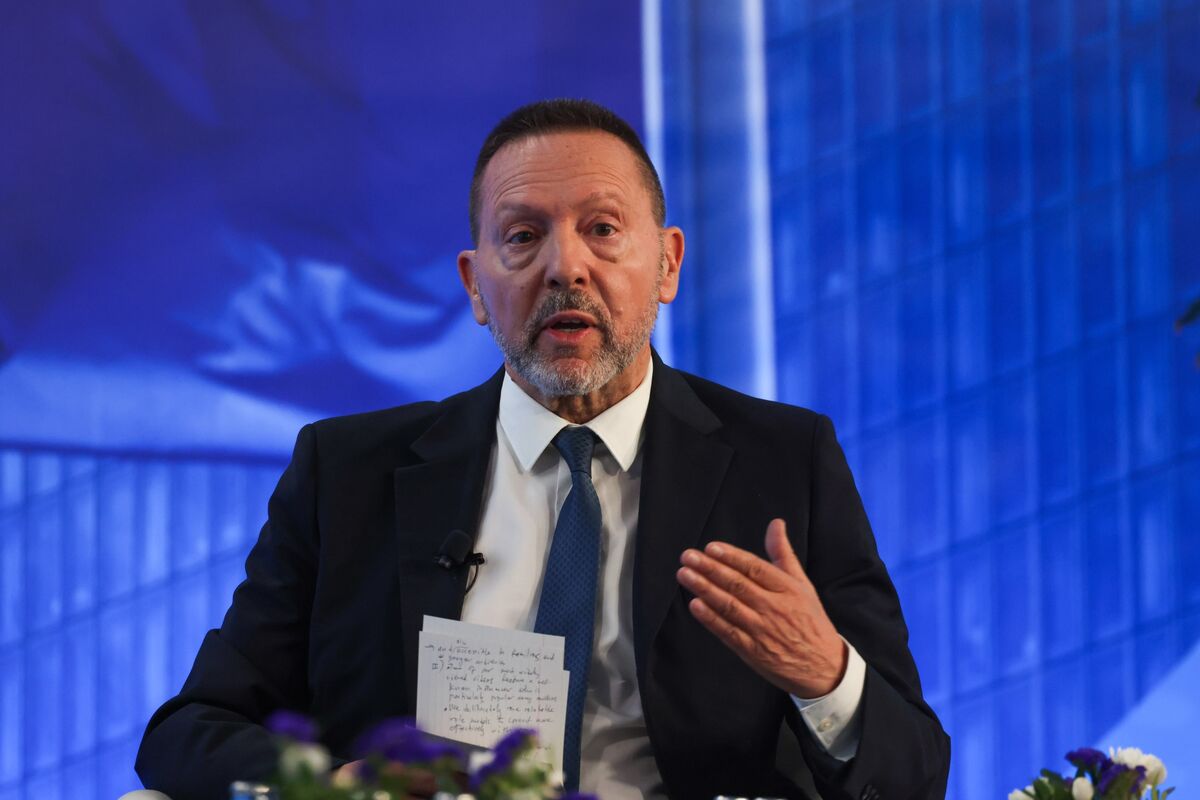
Yannis Stournaras, governor of Bank of Greece, speaks at the European Central Bank (ECB)'s International Women’s Day 2026 Conference in Frankfurt, Germany, on Monday, March 2, 2026. ECB President Christine Lagarde said last week that policymakers must keep an eye on still-elevated perceptions of inflation.
Lithuania’s decision to allow early access to retirement cash resulted in about half a million of 1.4 million people opting out of a pension-saving scheme in the first quarter, suggesting a potential spending spree ahead.
A pedestrian crosses a footbridge spanning the river Neris in Vilnius, Lithuania, on Thursday, June 6, 2019. Lithuanians dislike the common currency more than any other euro-area member, while crisis-era spending cuts sparked the European Union's second-highest inequality behind Bulgaria and sent hundreds of thousands of workers to the continents richer west in search of higher pay.
It’s premature to say what the European Central Bank should do at next month’s interest-rate meeting as the situation around the Iran war is moving by the day, according to Governing Council member Gediminas Simkus.
European Central Bank Governing Council member Madis Muller said the chances of an interest-rate hike have risen of late, but that officials shouldn’t react hastily to the war in Iran and its implications.
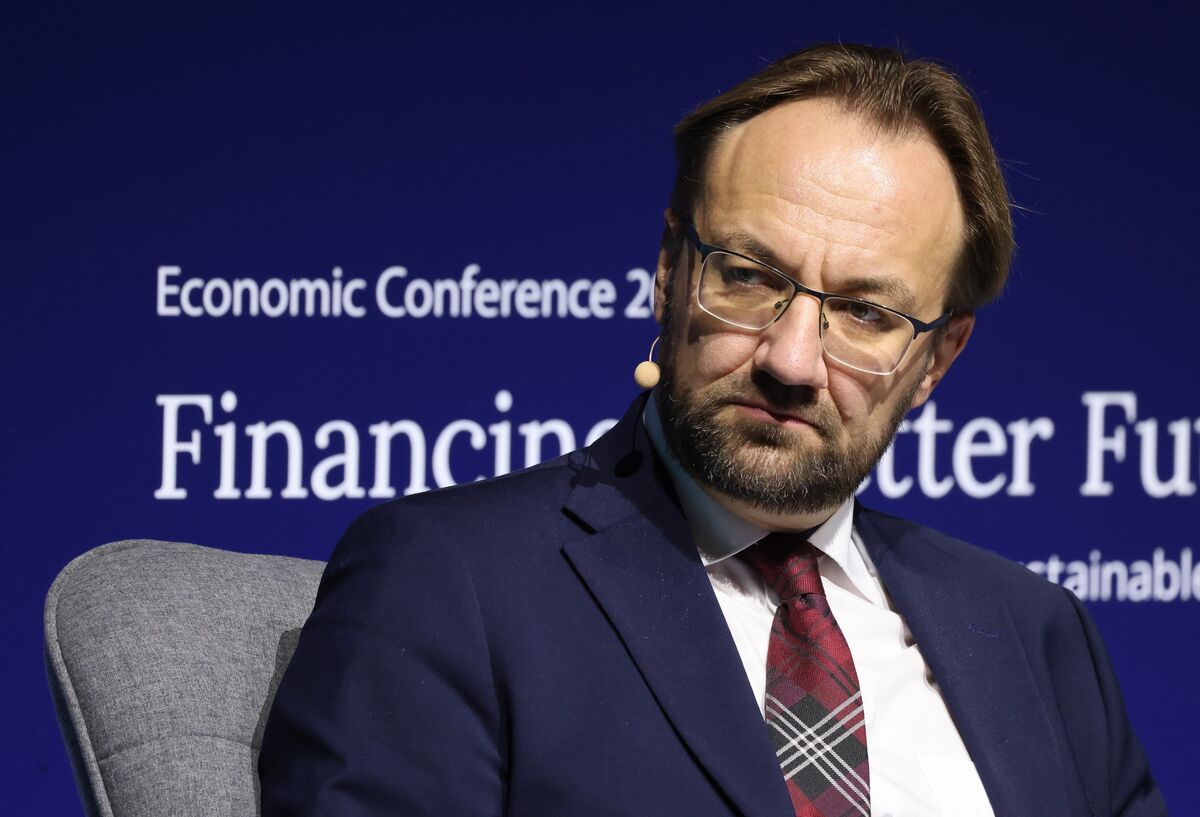
Madis Muller Photographer: Nichlas Pollier/Bloomberg
Lithuania’s prime minister signaled openness to a demand by China to restore diplomatic relations, marking a potential turn in the Baltic nation’s fraught relationship with the world’s No. 2 economy.
Lithuania is joining the race to succeed European Central Bank Vice President Luis de Guindos, with former finance chief Rimantas Sadzius now among a growing group of contenders for the No. 2 job.
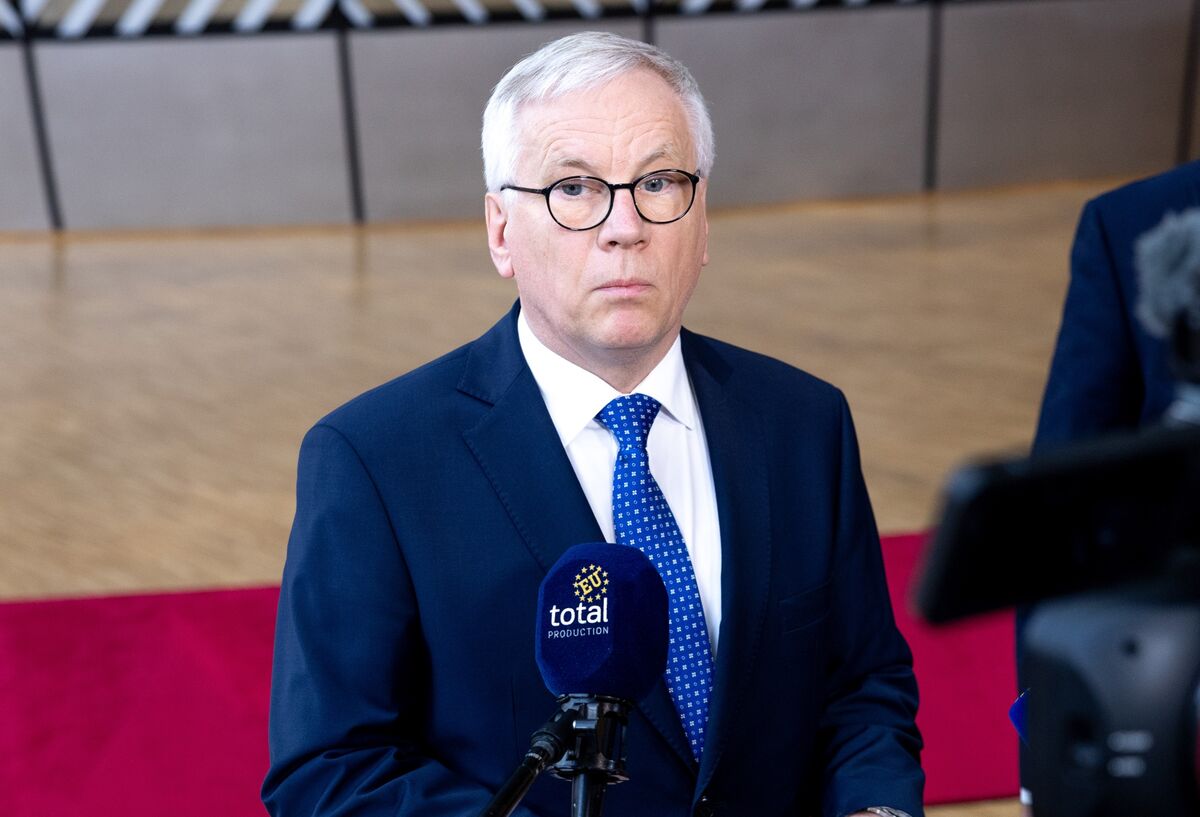
Rimantas Sadzius, Lithuania's finance minister, speaks to the media as he arrives for a Eurogroup meeting in Brussels on July 7, 2025.
European Central Bank Governing Council member Gediminas Simkus described decision-making on interest rates as “rather clear,” thanks to inflation being under control and the economy maintaining expansion.
European Central Bank Governing Council member Gediminas Simkus said interest rates don’t need to be lowered further after economic activity and inflation both turned out stronger than expected.
 Anmelden