Ireland will cut levies on fuels as part of a series of energy measures aimed at helping voters and quelling anger that escalated into protests earlier this year.
Ireland’s government has an enviable budget surplus, and voters want those funds used to help them with soaring energy costs and a cost-of-living squeeze.
Ireland’s economy grew by more than 10% in the second quarter, a sharp upward revision from the preliminary estimate and one that could significantly improve the outcome for the wider euro zone.
Ireland’s government received yet another warning from its fiscal watchdog about not overspending when the economy is already strong as it risks stoking inflation.
European Central Bank Chief Economist Philip Lane said the pace of consumer-price increases is likely to hold “well above” the 2% target in 2026 due to the Iran war.
Multinational companies are buoying Irish economic growth even as conflict in the Middle East dampens consumer demand, according to the Central Bank of Ireland.
Few countries punch above their weight as much as Ireland does. Culturally, the tiny island nation of just 5 million people boasts award-winning actors such as Cillian Murphy, world renown brands like Guinness, and some of the best butter anywhere. Ireland’s leader is practically guaranteed a White House meeting with the US president every year on St. Patrick’s Day.
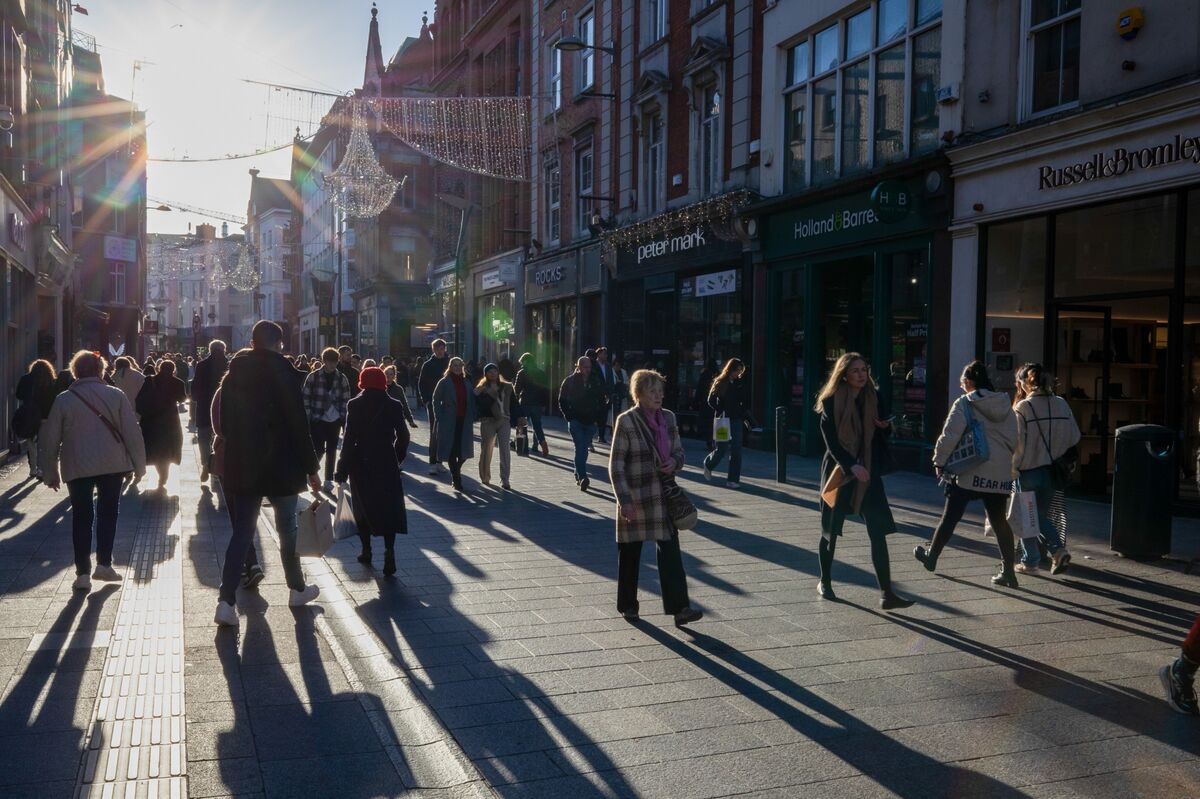
Shoppers on Grafton Street in Dublin. Photographer: Patrick Bolger/Bloomberg
Irish gross domestic product fell 12% in the first three months of the year as the multinational-dominated sector contracted.
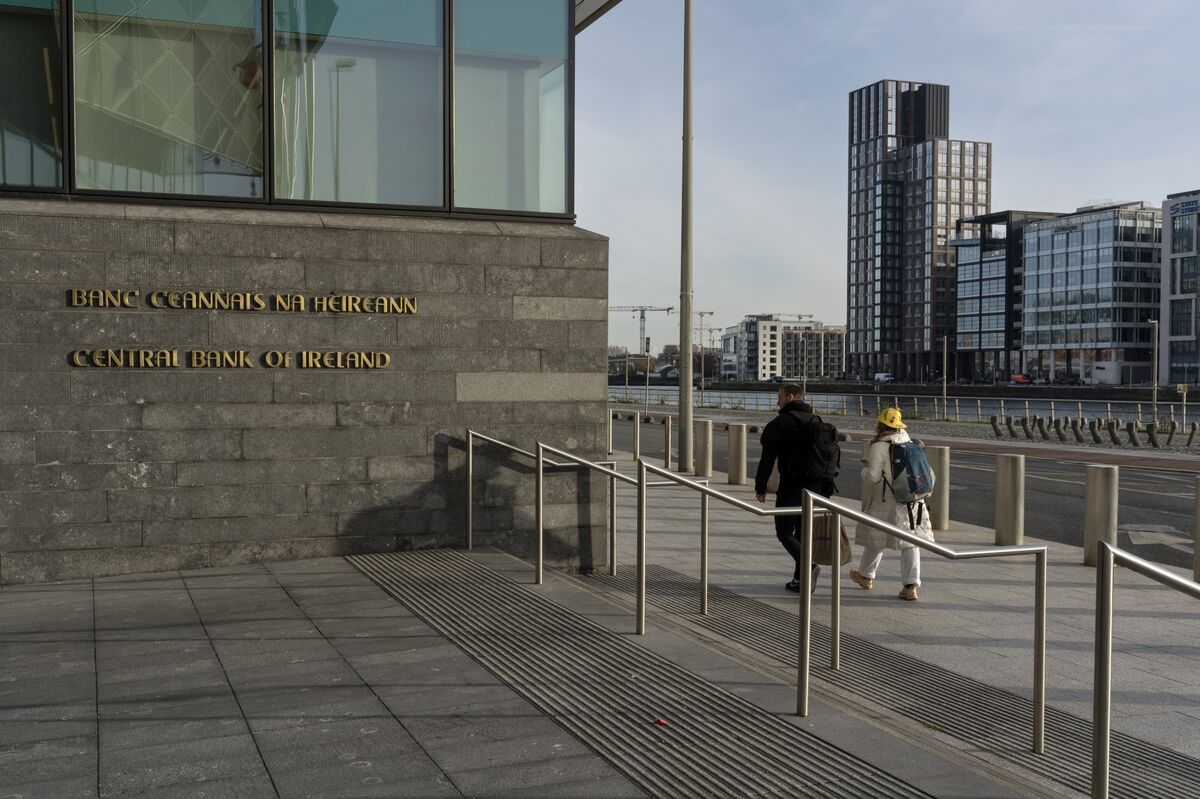
The National Treasury Management Agency (NTMA) building, center right, and the Central Bank of Ireland building, center left, along River Liffey in Dublin, Ireland, on Friday, Nov. 22, 2024. Ireland's election will be a big test of how the country handles its cash surplus. Photographer: Paulo Nunes dos Santos/Bloomberg
Ireland cannot take its fiscal resilience for granted, the International Monetary Fund warned, as unpredictable geopolitical events elevate uncertainty even in one of Europe’s strongest economies.
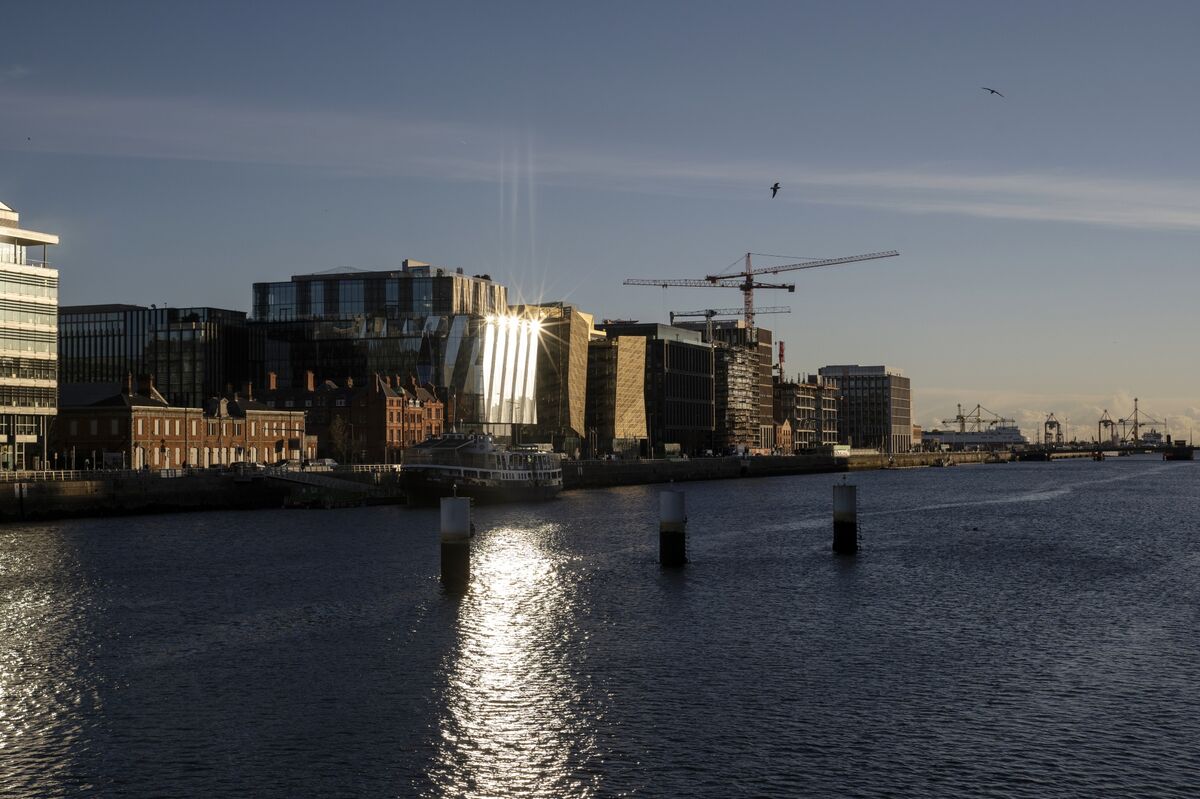
The International Financial Services Centre in Dublin, Ireland, on Wednesday, Nov. 27, 2024. Ireland holds a general election on Nov. 29.
The fallout from the Iran war is testing the resilience of Ireland’s economy, one of the strongest in Europe, as the Irish central bank expects soaring energy prices to slow domestic growth.
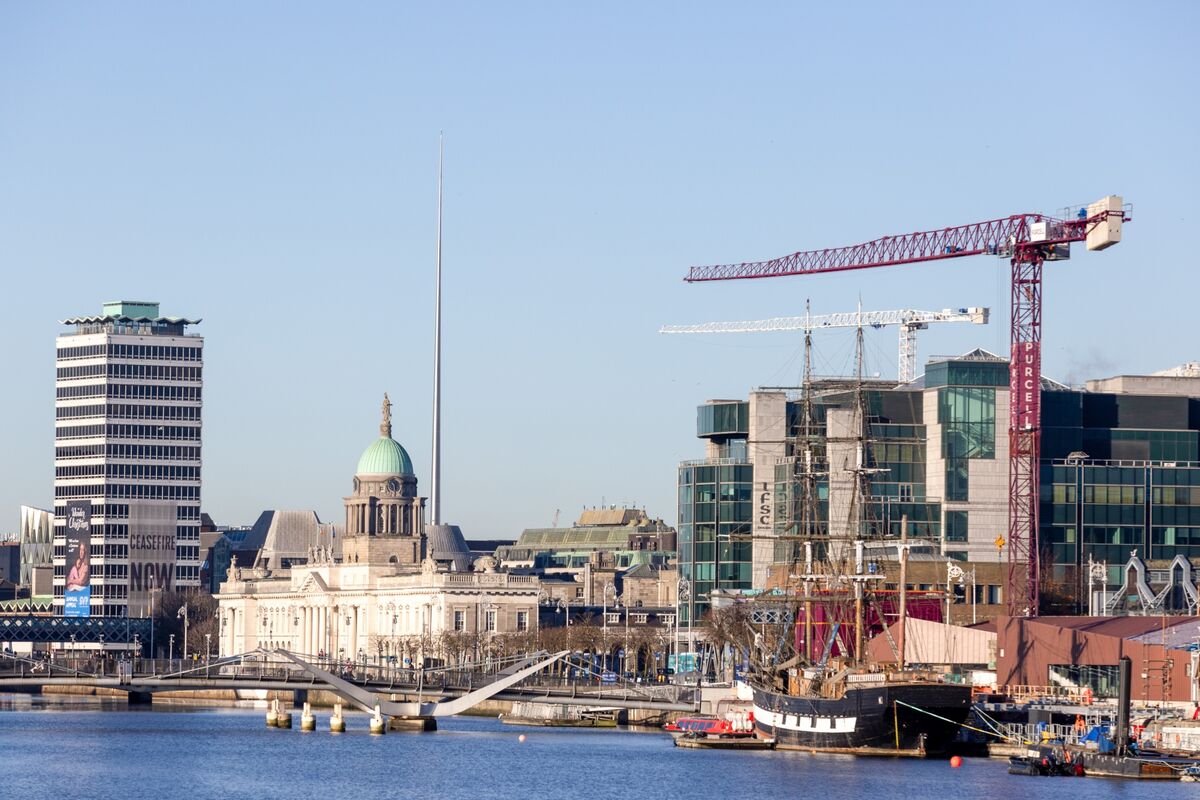
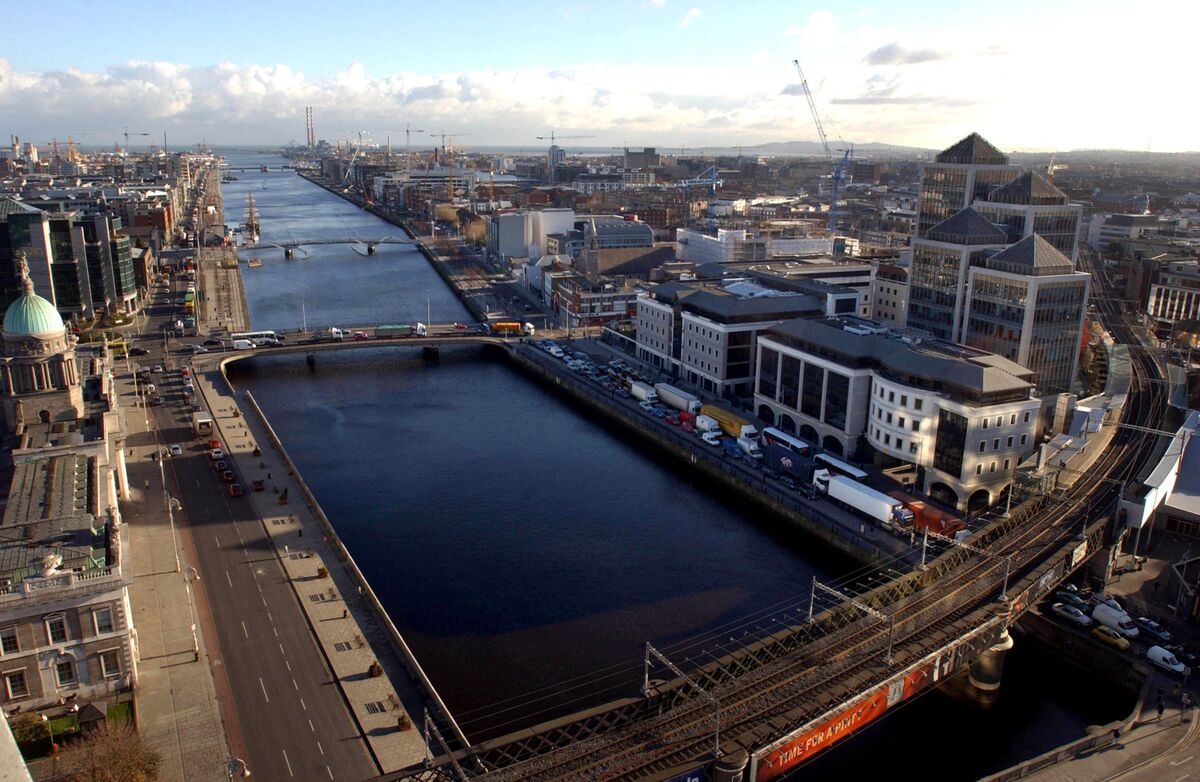
The city centre and the River Liffey is viewed across Dublin's skyline, in Dublin, Ireland, on Monday, Nov. 28, 2005. Ireland is suffering the worst economic collapse of any developed nation since the Great Depression, according to the Economic & Social Research Institute in Dublin. Photographer: Crispin Rodwell
Ireland’s government approved a €250 million ($290 million) package to alleviate the impact of soaring energy costs caused by the Iran war, including a cut to the fuel excise duty.
Ireland is better placed than many of its European peers to weather economic risks from the Iran war fallout as it starts from a stronger base, Central Bank of Ireland Governor Gabriel Makhlouf said.
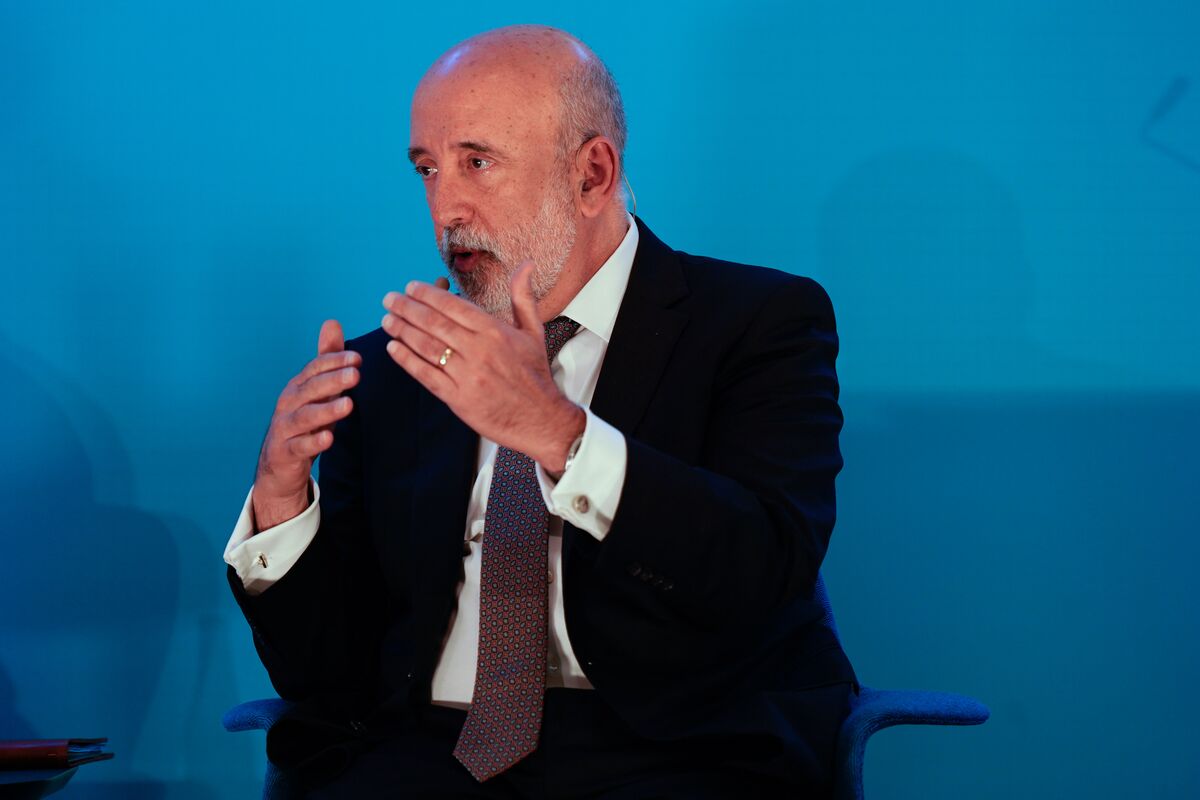
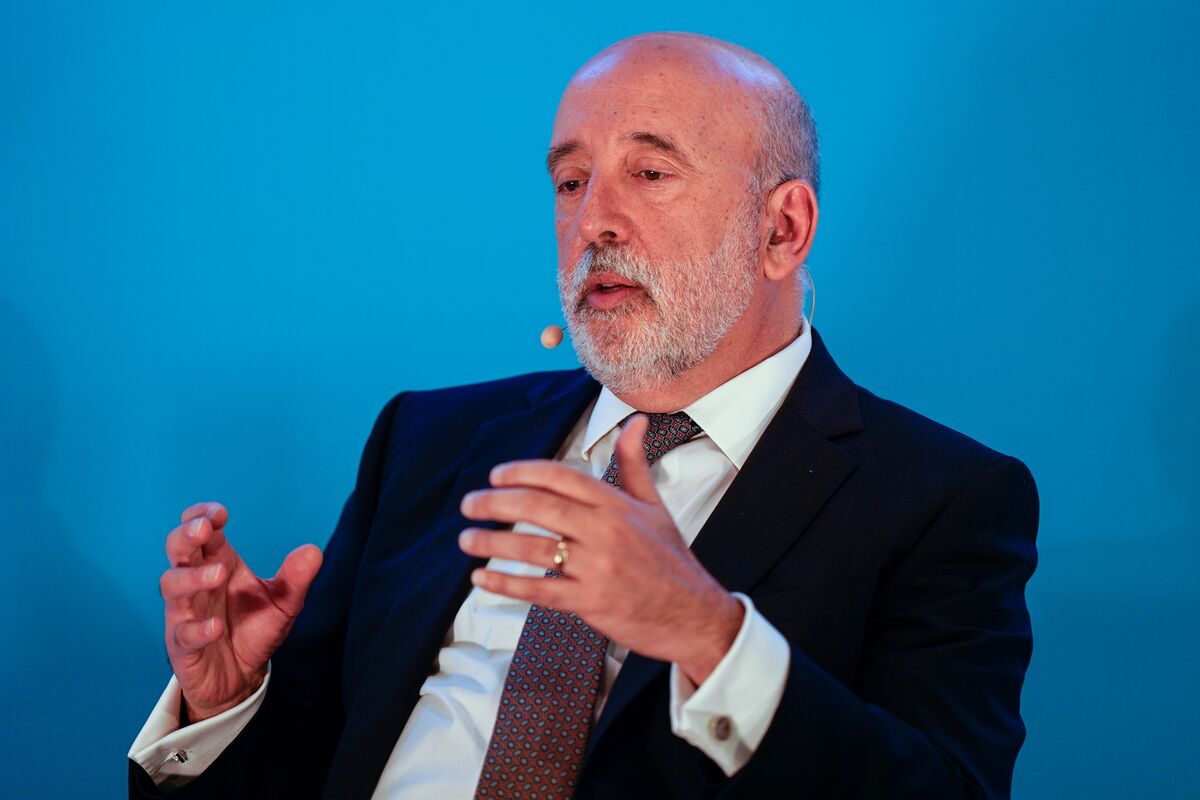
Gabriel Makhlouf Photographer: Paulo Nunes dos Santos/Bloomberg
European Central Bank Governing Council member Gabriel Makhlouf didn’t rule out an increase in interest rates next month should data signal the need for such a step, though said it’s impossible to commit with uncertainty so high.
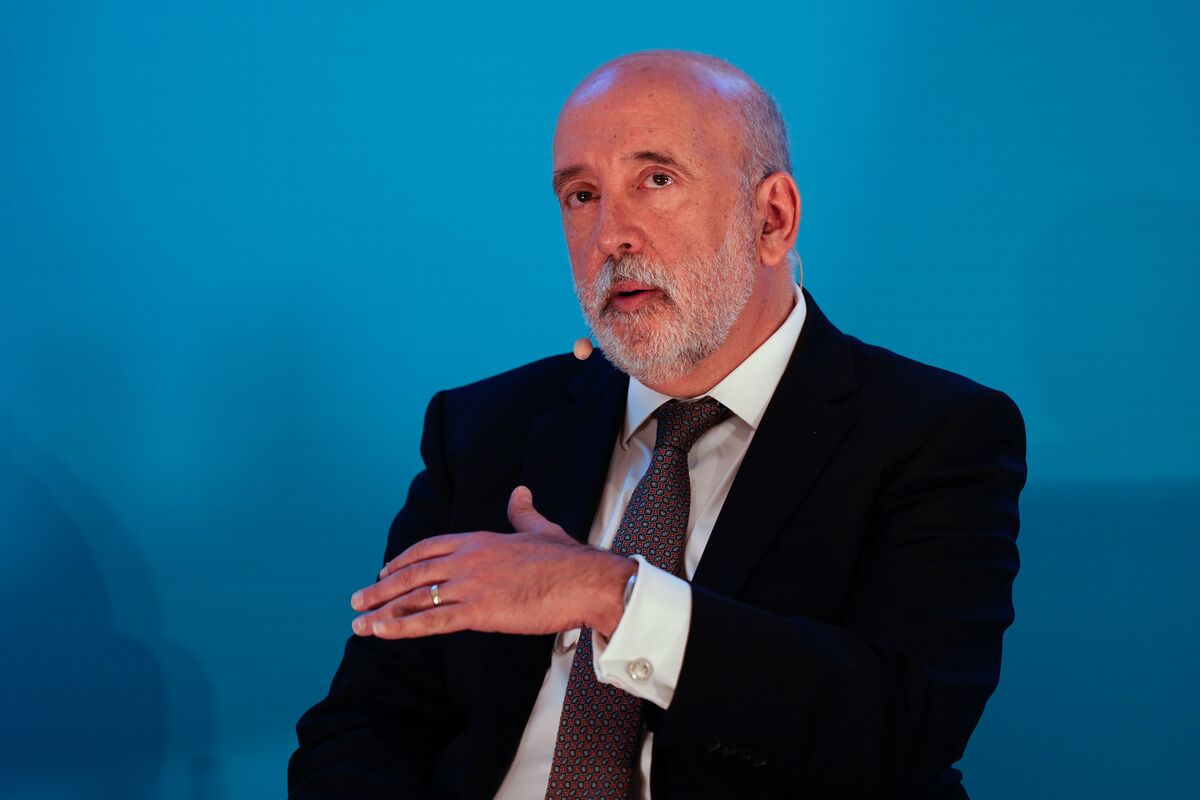
Gabriel Makhlouf Photographer: Paulo Nunes dos Santos/Bloomberg
Ireland’s Finance Minister said he is confident a long-awaited multi-trillion-euro European saving and investments union is close to getting over the line after years of sparring between member states over how it would work.
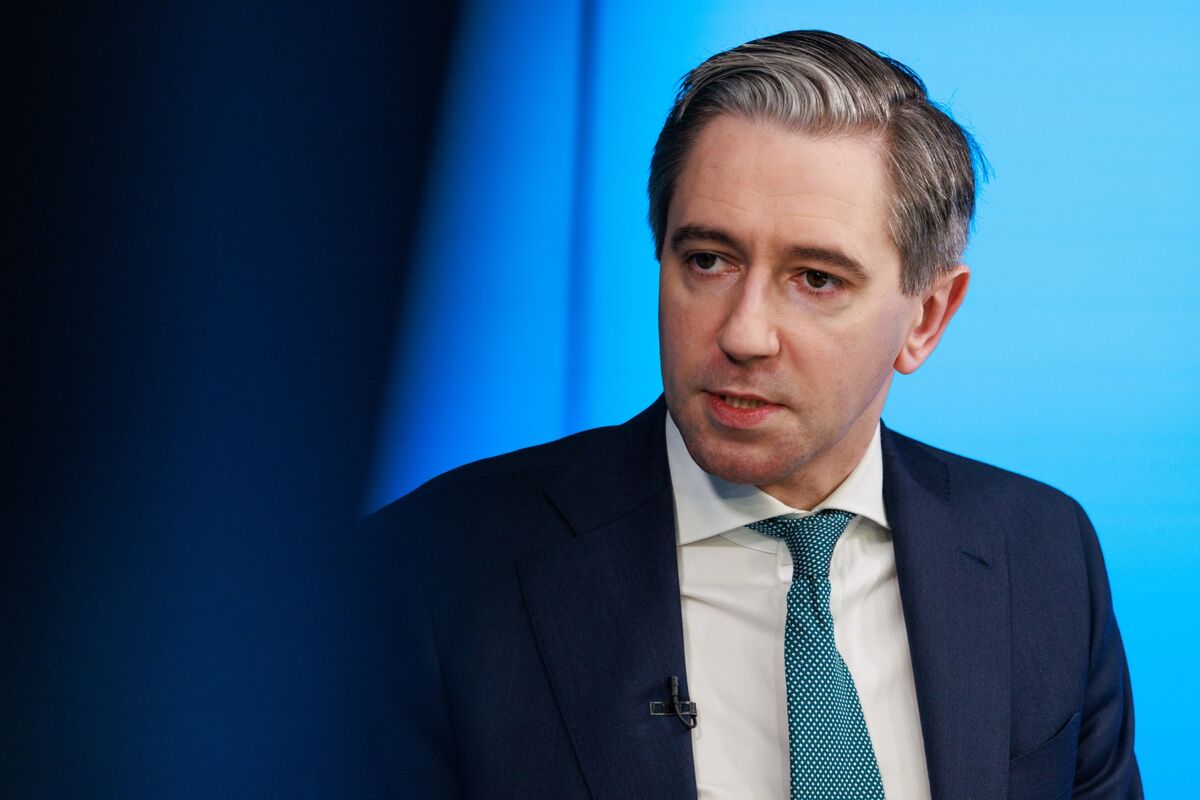
Simon Harris on March 16. Photographer: Jason Alden/Bloomberg
Ireland’s finance minister, Simon Harris, said there are risks of a surge in inflation from the spike in energy prices and the Iran conflict is a “sharp wake-up call” for Europe to become more energy independent.
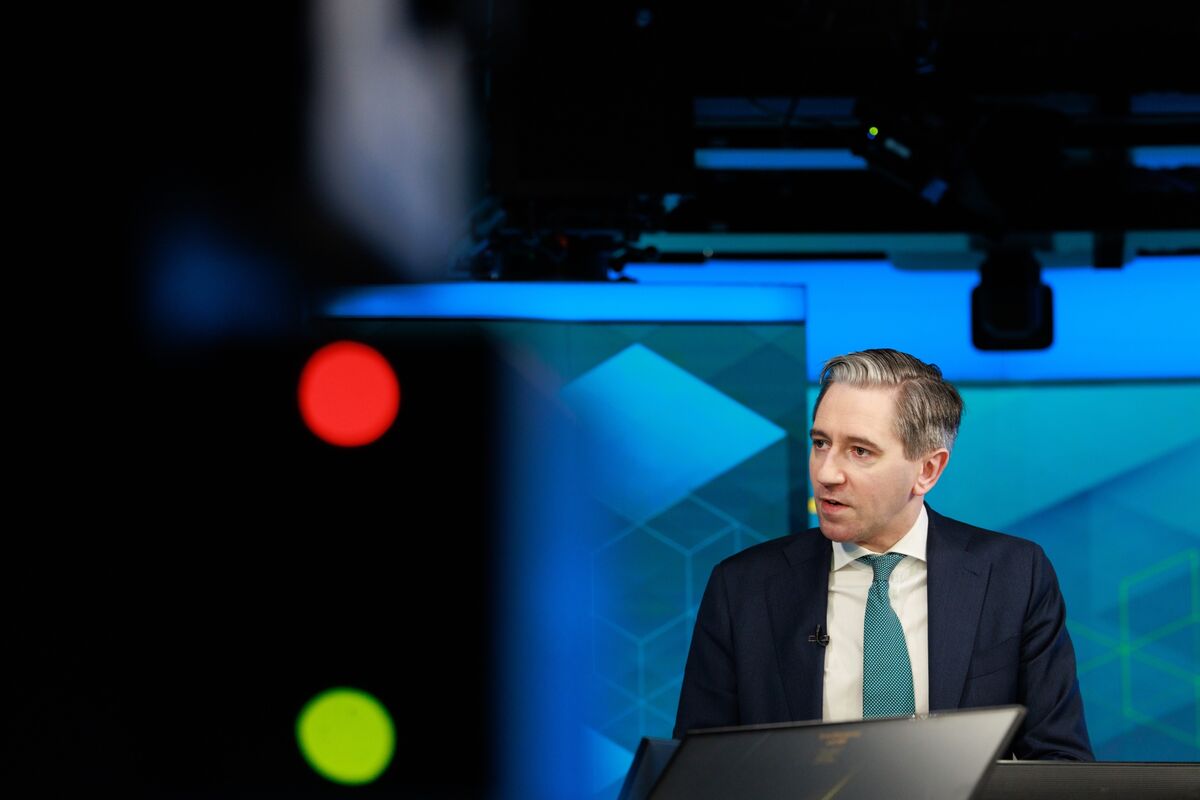
Simon Harris during a Bloomberg Television interview in London, on March 16. Photographer: Jason Alden/Bloomberg
European Central Bank Governing Council member Pierre Wunsch said he’s inclined for now to look past the jump in energy prices caused by the fighting in the Middle East.
 Anmelden