❌

Lese-Ansicht

El Niño Threatens Indian Monsoon, Raising Crop Output Risks

India is set to witness a below-normal monsoon this year as a likely El Niño weather pattern could reduce rainfall, adding pressure on farmers who are already facing higher input costs following the Middle East conflict.

Farmers plant rice saplings during monsoon season, near Varanasi, India, in 2025. Photographer: Niharika Kulkarni/Getty Images
  •  

India Relaxes Wheat Export Curbs to Appease Protesting Farmers

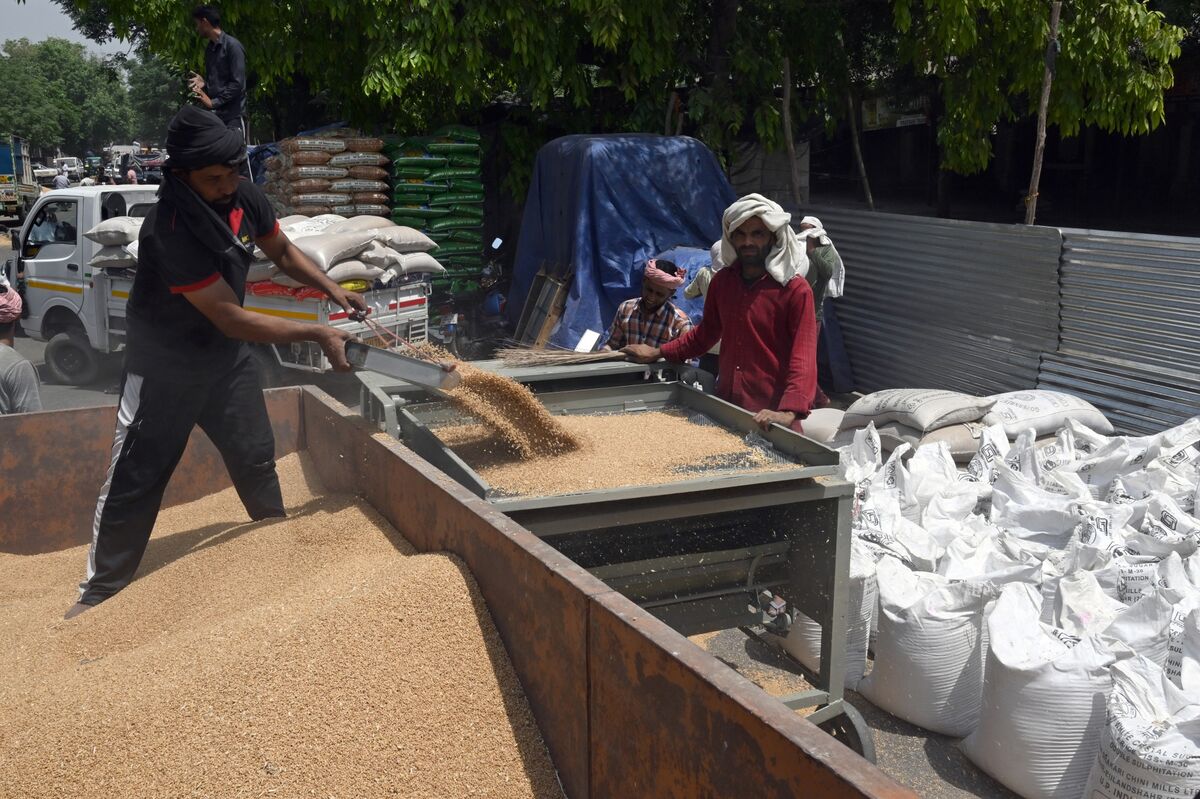
India permitted limited exports of wheat, easing restrictions imposed more than three years ago, to support farmers as bumper harvests improved domestic supplies and pushed prices lower.

Workers unload wheat grains from a truck at a wholesale market in Ghaziabad, Uttar Pradesh, India, on Monday, April 29, 2024. Wheat prices fell the most in more than a month, snapping a seven-day winning streak, as the outlook for much-needed rain helped alleviate crop concerns. Photographer: Prakash Singh/Bloomberg
  •  

Indian Farmers Protest Against Modi’s Trade Deal With Trump

Thousands of Indian farmers gathered across the country from Punjab to Tamil Nadu to demonstrate against a long-awaited trade deal with the United States, an agreement that protesters say could hurt domestic agriculture.

Farmers and local residents of floodplain areas protest in Noida on Feb. 11. Photographer: Sunil Ghosh/Hindustan Times/Getty Images
  •  

India Tightens Pollution Curbs in New Delhi, Halts Construction

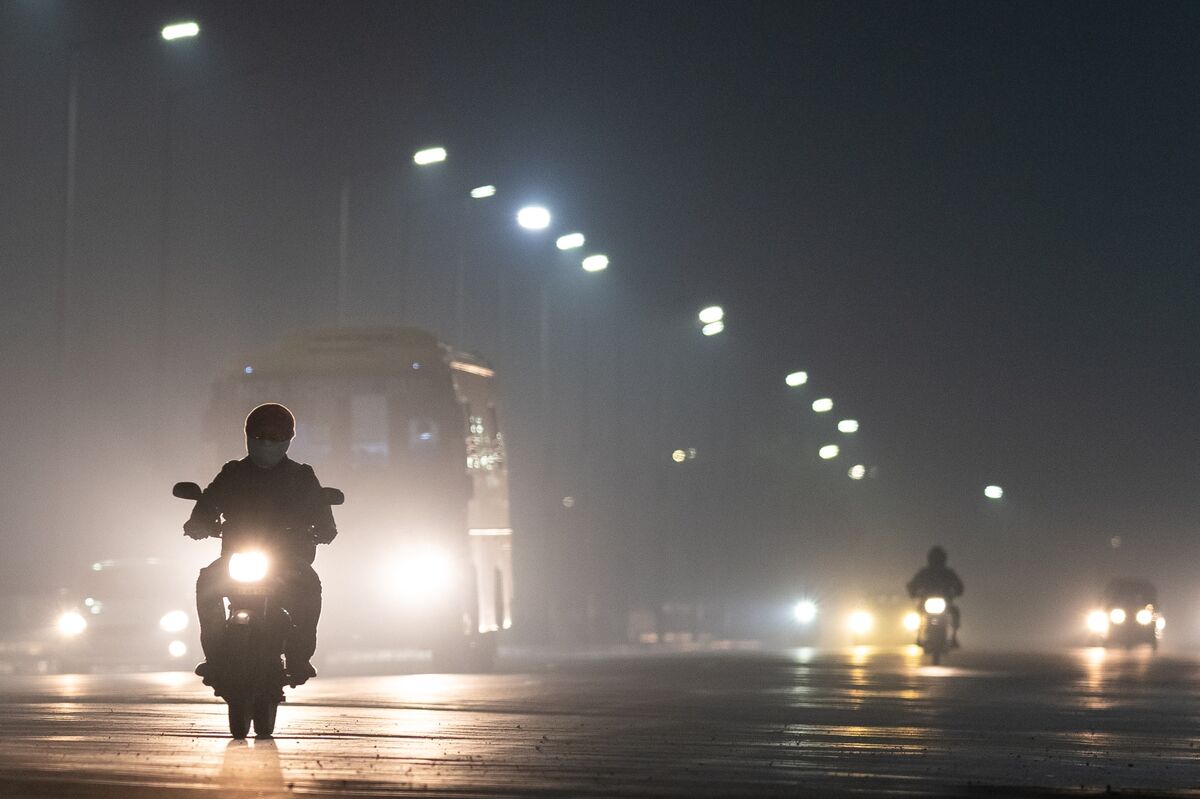
India stepped up anti-pollution curbs in New Delhi and nearby areas after a sudden spike in airborne toxins.

NEW DELHI, INDIA - DECEMBER 03: Commuters make their way along a road on a hazy morning caused by pollution on December 03, 2025 in New Delhi, India. The capital's Air Quality Index reached 376—classified as "very poor" to "severe"—with PM2.5 levels recorded at more than 20 times the World Health Organization's safe limits, prompting health experts to declare conditions "extreme and life-threatening" as 30 million residents contend with persistent headaches, eye irritation, and respiratory distress from a toxic cocktail of vehicular emissions, industrial pollution, and construction dust trapped under stagnant winter air. (Photo by Anindito Mukherjee/Getty Images)
  •  
❌