Singapore unveiled around S$1 billion ($778 million) in enhanced support measures to cushion the economy and warned of possible power disruptions as the Middle East conflict chokes energy supplies.
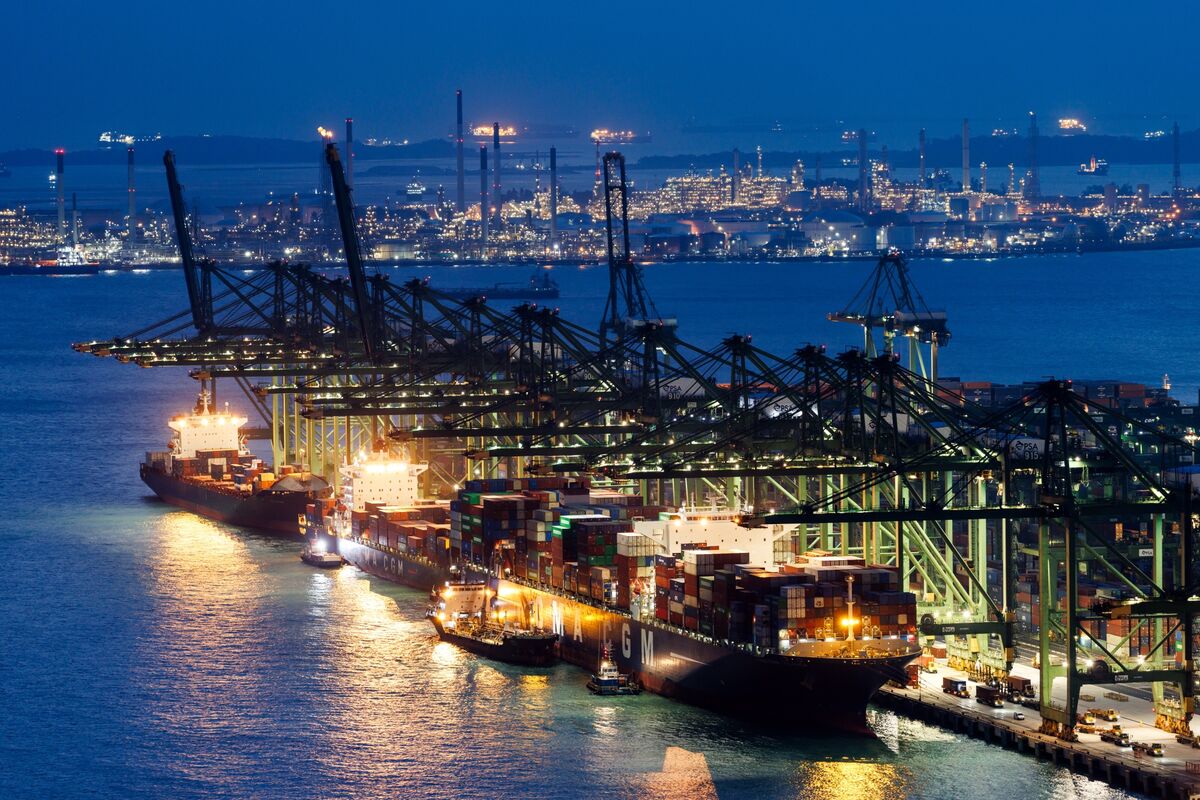
The PSA International Pasir Panjang Terminal in Singapore. Photographer: SeongJoon Cho/Bloomberg
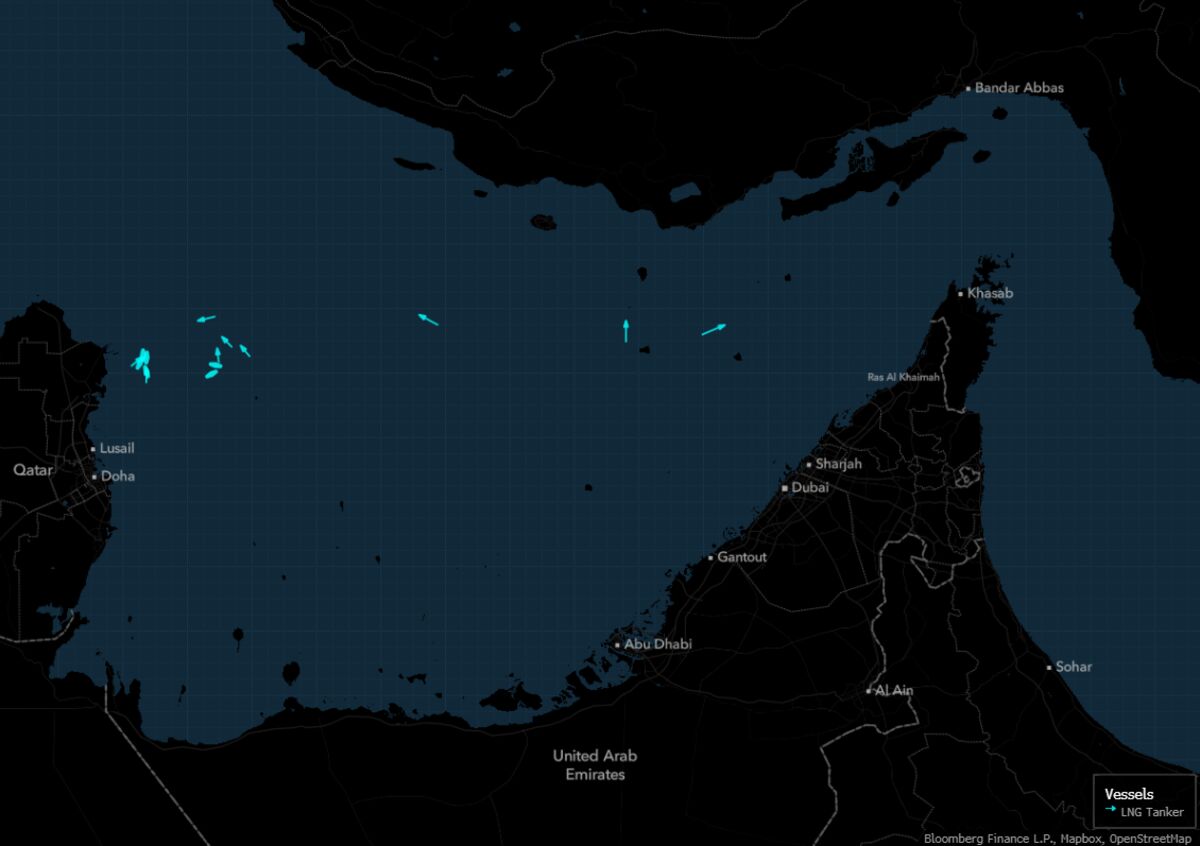
Iran has yet to allow a single carrier loaded with liquefied natural gas to pass through the Strait of Hormuz in weeks of war, according to traders involved in the transit, a ban that risks exacerbating global shortages.
LNG ships stuck within the Persian Gulf for over a month since the war began.
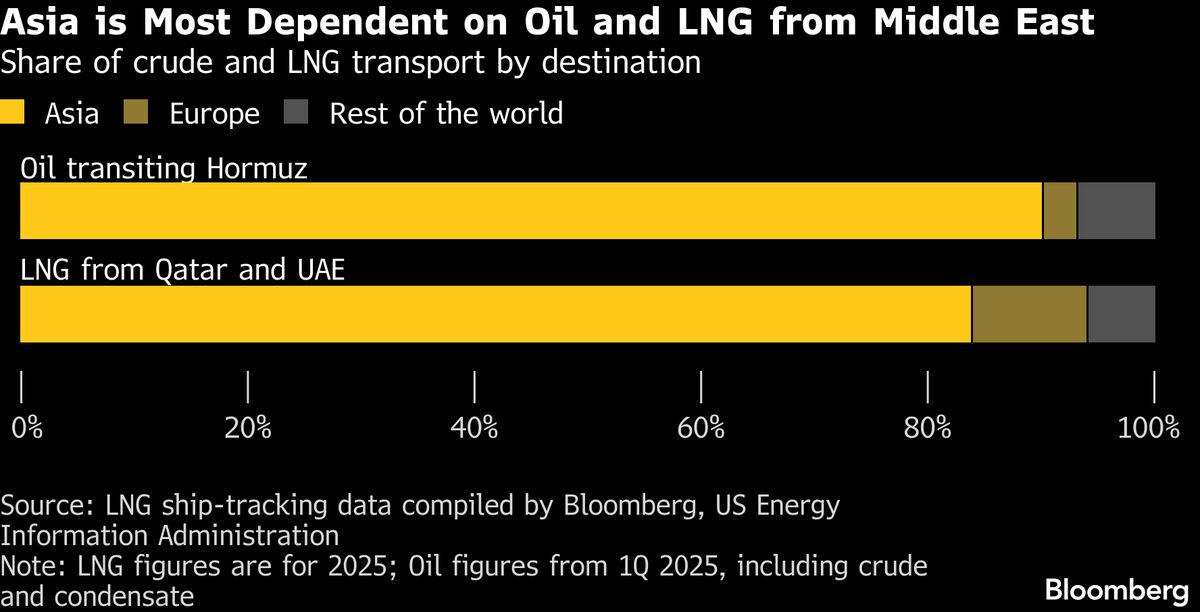
Asia’s energy-importing economies are scrambling to contain the impact of a widening Middle East war that has upended oil and gas markets and is now battering ordinary buyers, from farmers to car manufacturers and crematorium operators.
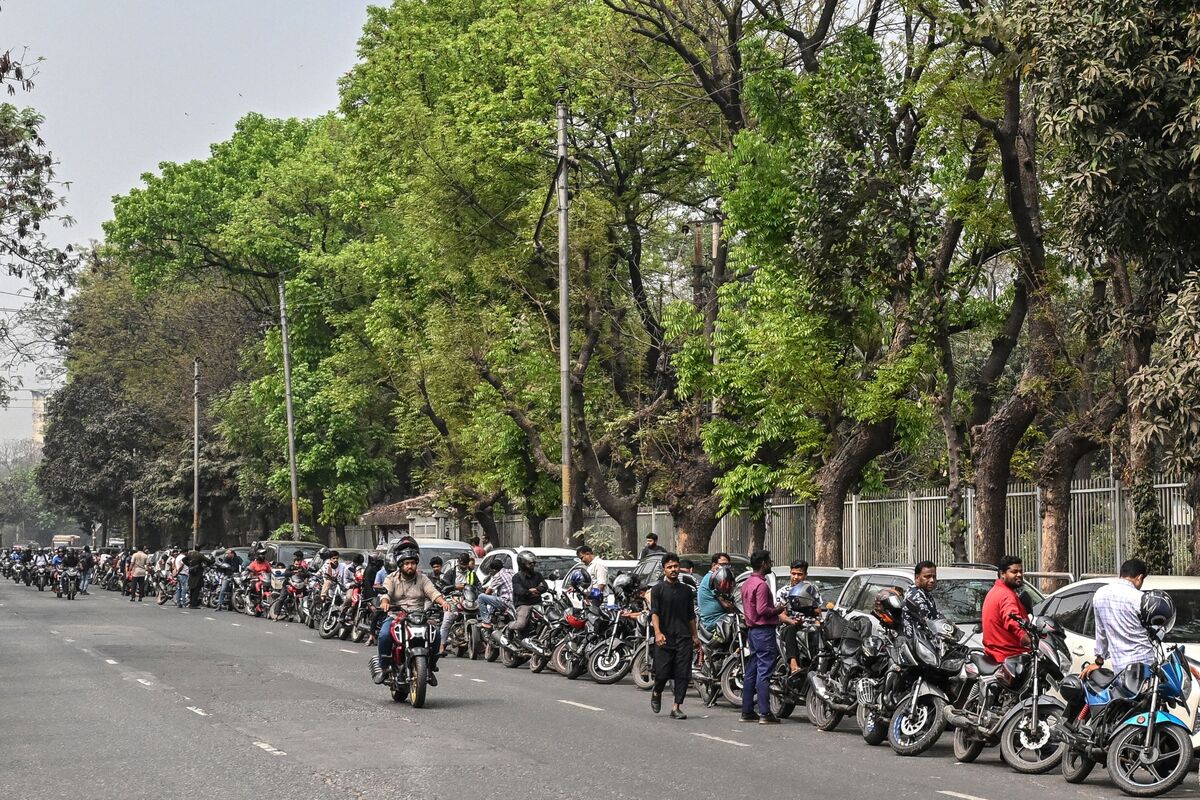
Motorists line up to refuel their vehicles near a fuel station in Dhaka, Bangladesh on March 8.
From Thai farmers racing for diesel to Indian refinery executives monitoring the Persian Gulf through the night, energy buyers across import-dependent Asia are feeling the impact of a dramatic crunch.

 Anmelden