China’s central bank reaffirmed its supportive monetary policy stance while signaling continued caution toward aggressive stimulus, reinforcing a shift toward securing long-term stability over immediate fixes.
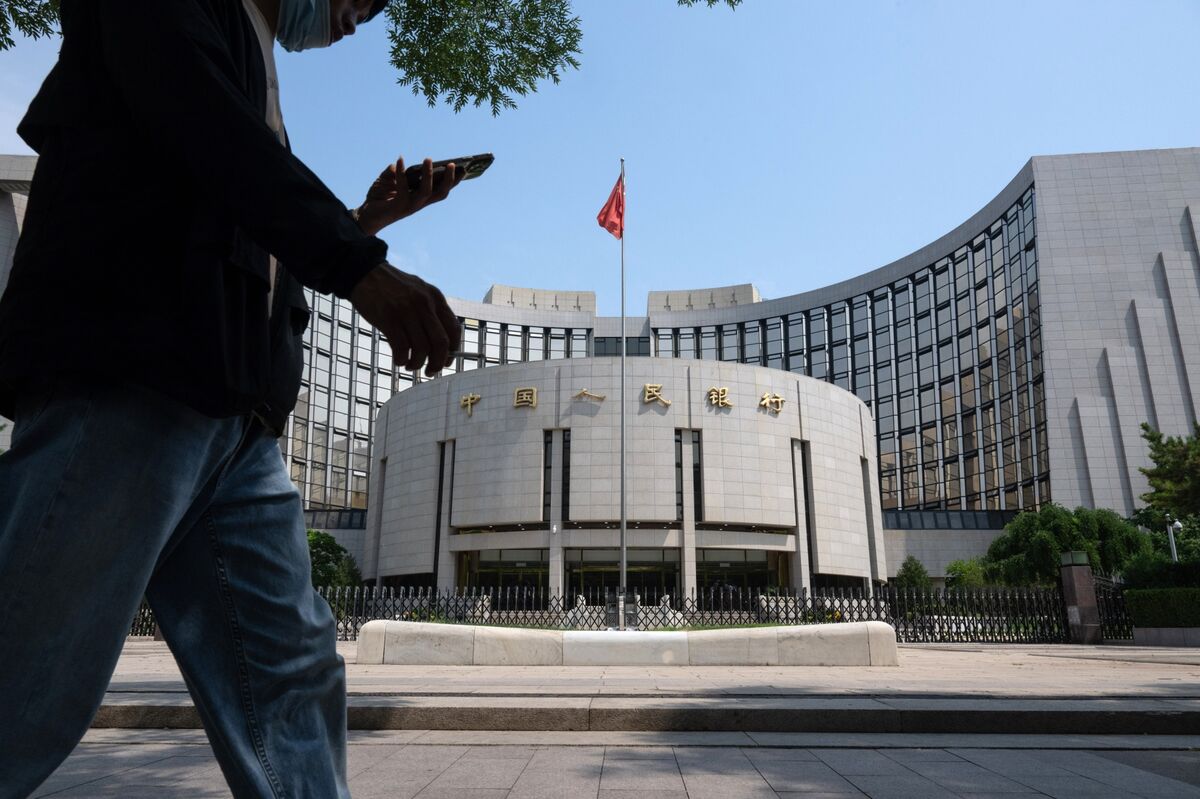
The People's Bank of China (PBOC) headquarters in Beijing. Bloomberg
China’s investment slumped further and retail sales expanded at their weakest pace since the crash caused by Covid, in another month of lopsided growth that’s inflaming trade tensions with the rest of the world.
China signaled it will maintain economic support but refrain from ramping up stimulus next year, underscoring a shift from defending against US tariffs to securing growth in the longer term.
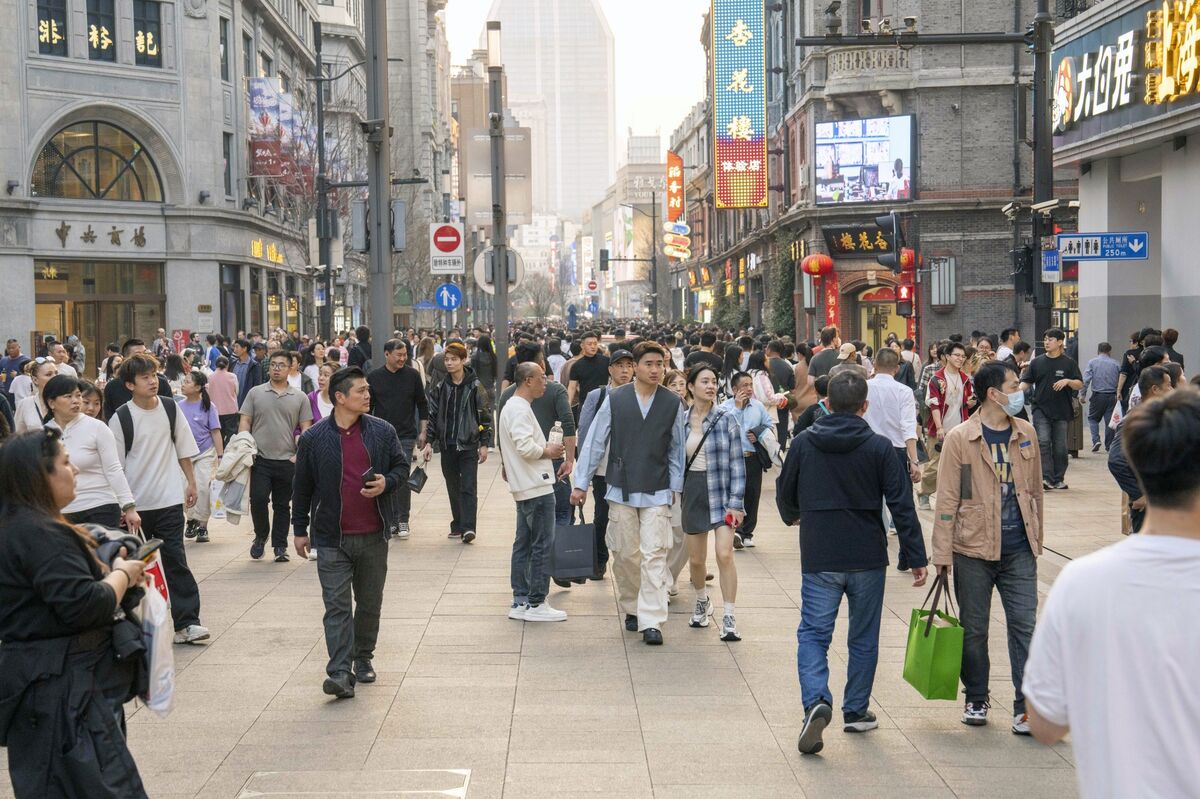
Shoppers in the Nanjing Road West shopping area in Shanghai, China, on Sunday, March 2, 2025. President Xi Jinping heads into China's biggest political huddle of the year with his economy finally getting back some swagger.
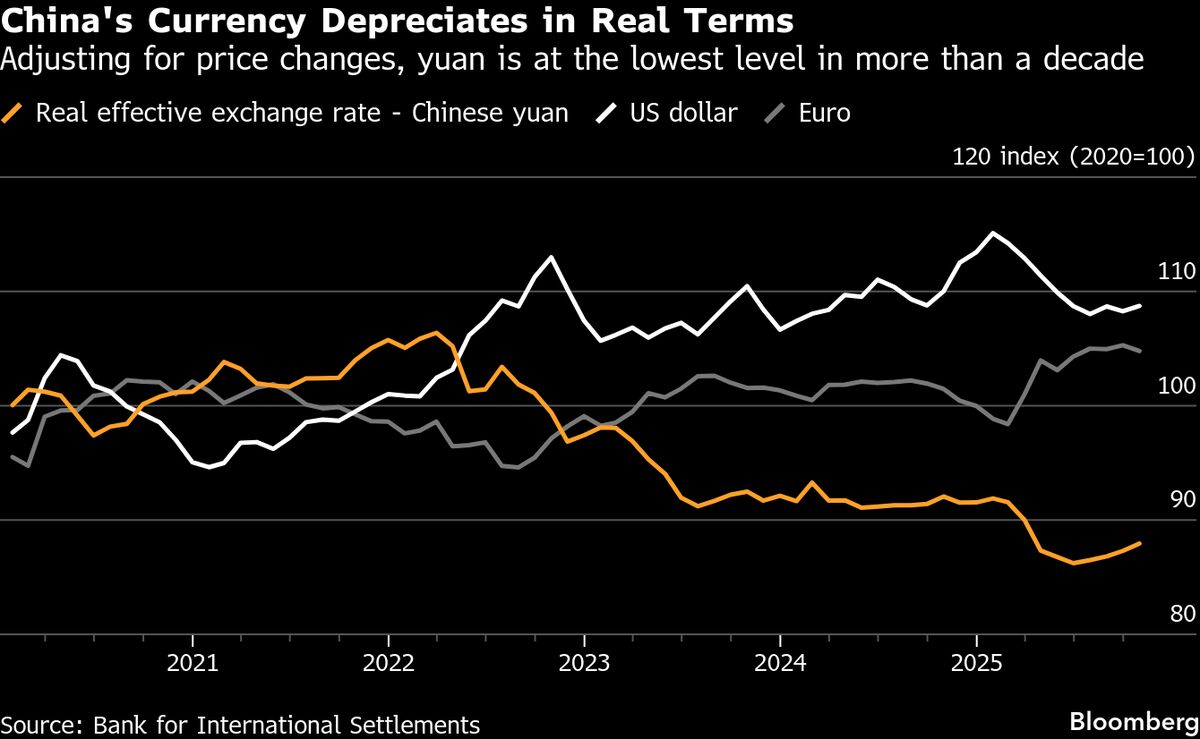
The International Monetary Fund linked China’s booming exports and growing trade imbalances in part to a real depreciation of the yuan, a subtle shift in its stance that adds to rising global concerns over the currency’s weak exchange rate.
China’s consumer-price growth accelerated to the fastest in over a year as food costs rose sharply higher, an improvement that’s failing to allay fears about the depth of deflation across large swathes of the economy.
China’s leaders are widely expected to stick with its manufacturing-led growth strategy in key policy meetings this month, even as calls grow at home and abroad for a more urgent shift toward consumption.
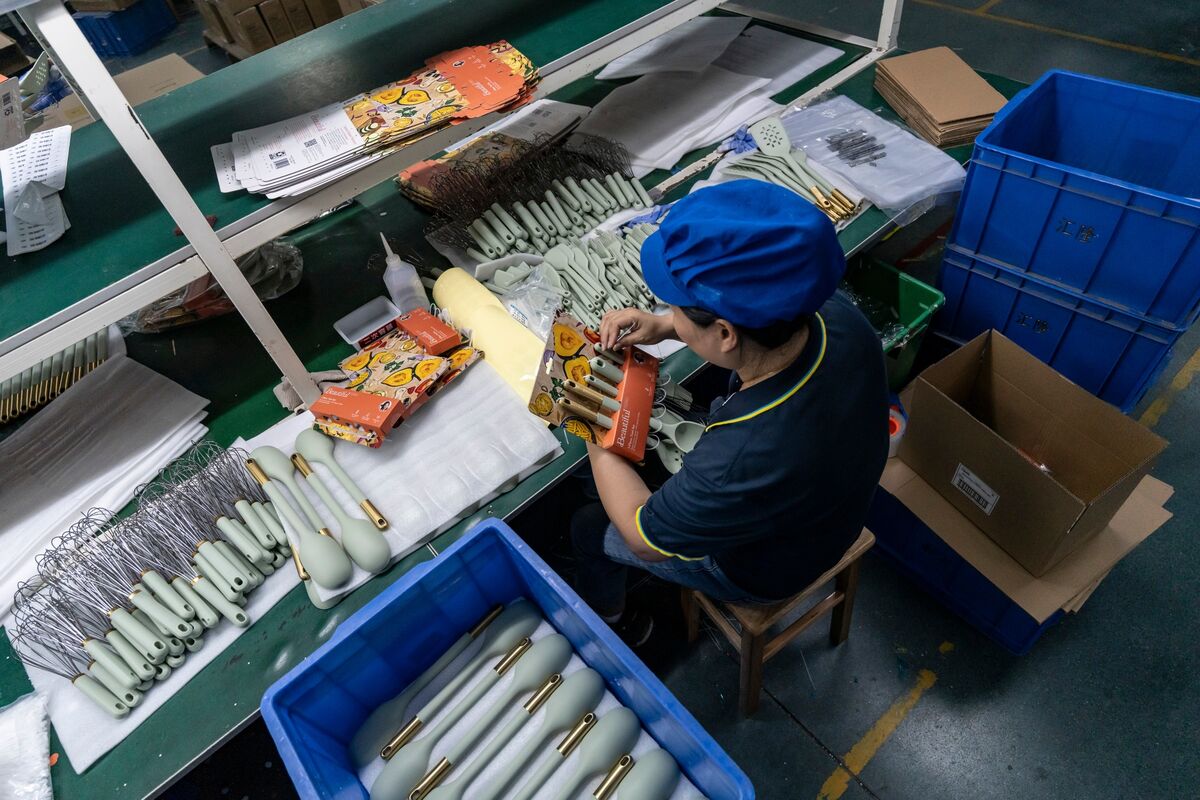
A worker on the production line for kitchen utensils at a factory near Zhuhai, China.
An economist at one of China’s biggest investment banks said the time has come for authorities to allow for more appreciation in the yuan, a decision that would give consumers greater spending power and cool trade tensions.

 Anmelden