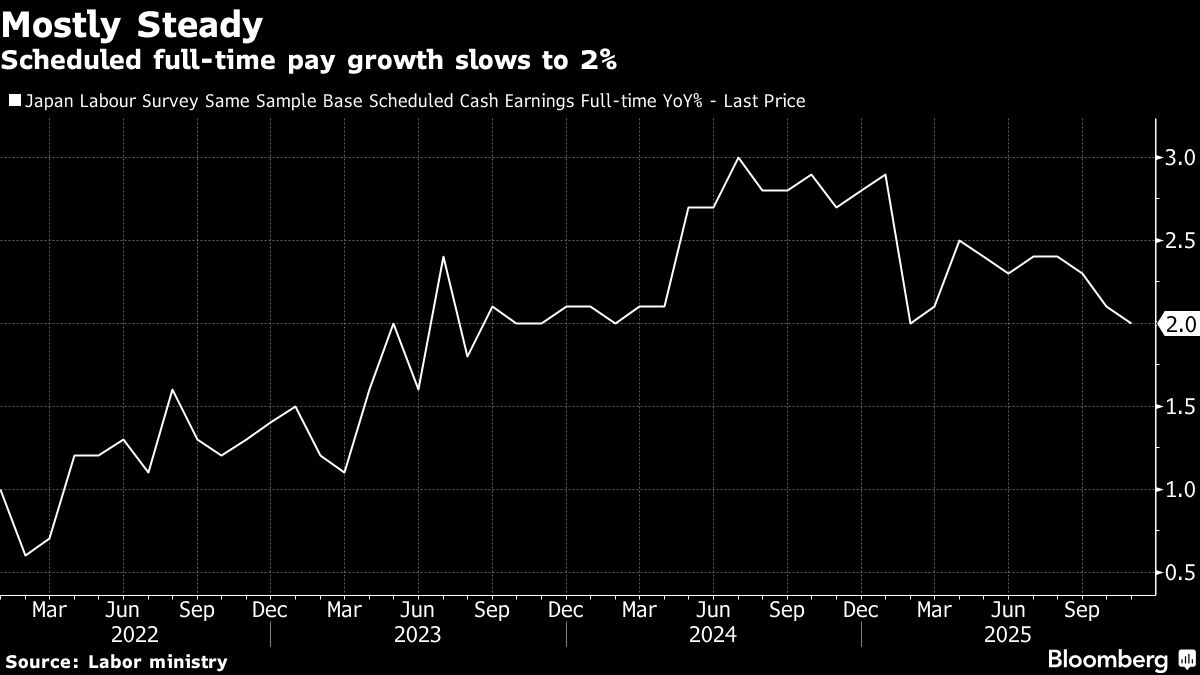
Growth in Japan’s base salaries held firm even as nominal wage gains decelerated sharply, sending mixed signals to the Bank of Japan two weeks before authorities next meet to decide policy.
China is testing Donald Trump’s support for America’s top ally in Asia by imposing export controls on Japan months after the US leader boasted he’d settled the rare earth issue “for the world.”
US President Donald Trump and Japan’s Prime Minister Sanae Takaichi.
Some members of the Bank of Japan’s board signaled that the country’s real interest rate remains very low during a meeting earlier this month where authorities raised the benchmark rate, suggesting that further increases are likely in store.
Japanese Prime Minister Sanae Takaichi said the nation’s primary balance is set to return to a surplus for the first time in 28 years, in an apparent attempt to ease market concerns over her pro-active stance on spending.
Sanae Takaichi at a news conference in Tokyo on Dec. 26.
Japan is set to increase defense spending to a fresh record next year as Prime Minister Sanae Takaichi’s government looks to respond to the challenges of heightened geopolitical tensions, US calls to shoulder more costs and a weak yen.
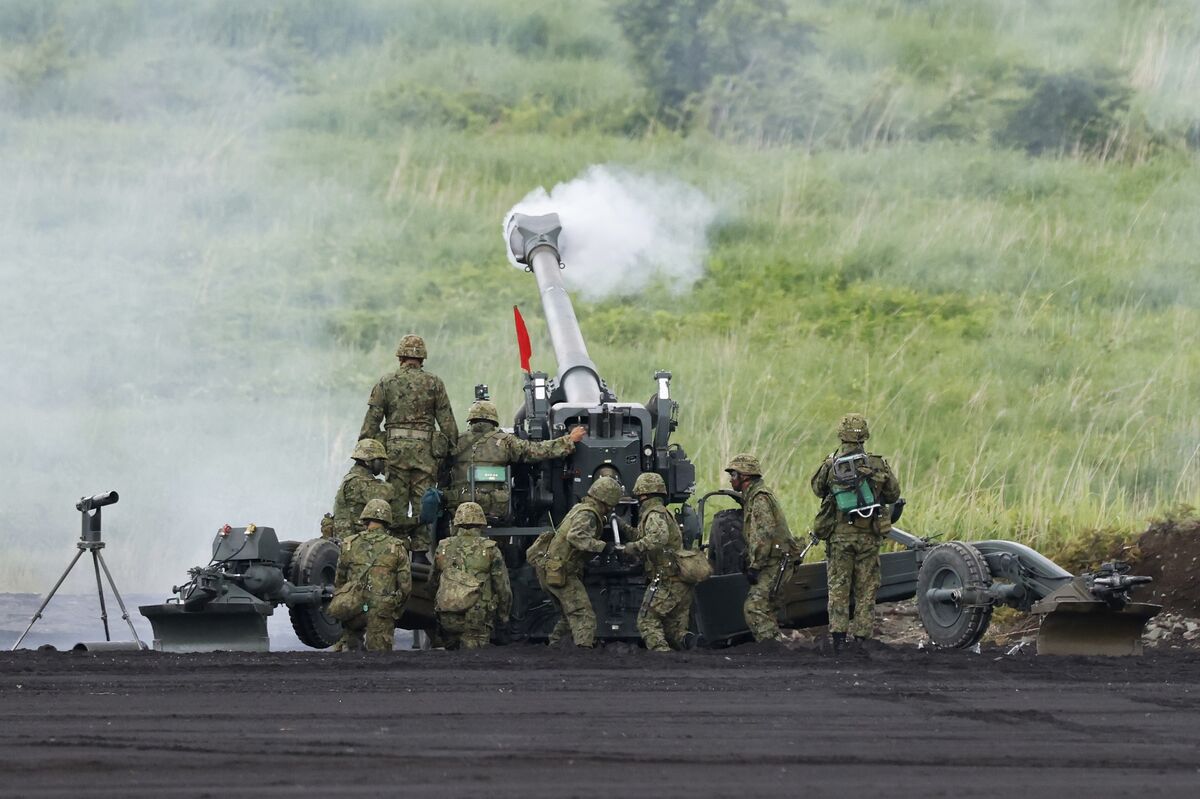
Japan Ground Self-Defense Force personnel operate an FH70 155mm field howitzer during a live fire exercise in Gotemba in 2024. Photographer: Kiyoshi Ota/Bloomberg
Tokyo’s inflation cooled more than expected as pressures from food and energy prices faded, triggering yen weakness on bets the Bank of Japan may delay the timing of its next interest rate hike.
Packages of breaded pork loin cutlet on rice at a Trial Go store in Tokyo. Photographer: Kiyoshi Ota/Bloomberg
Japanese Prime Minister Sanae Takaichi’s government plans to unveil a record initial budget for the fiscal year starting in April, increasing outlays at a faster pace than inflation.
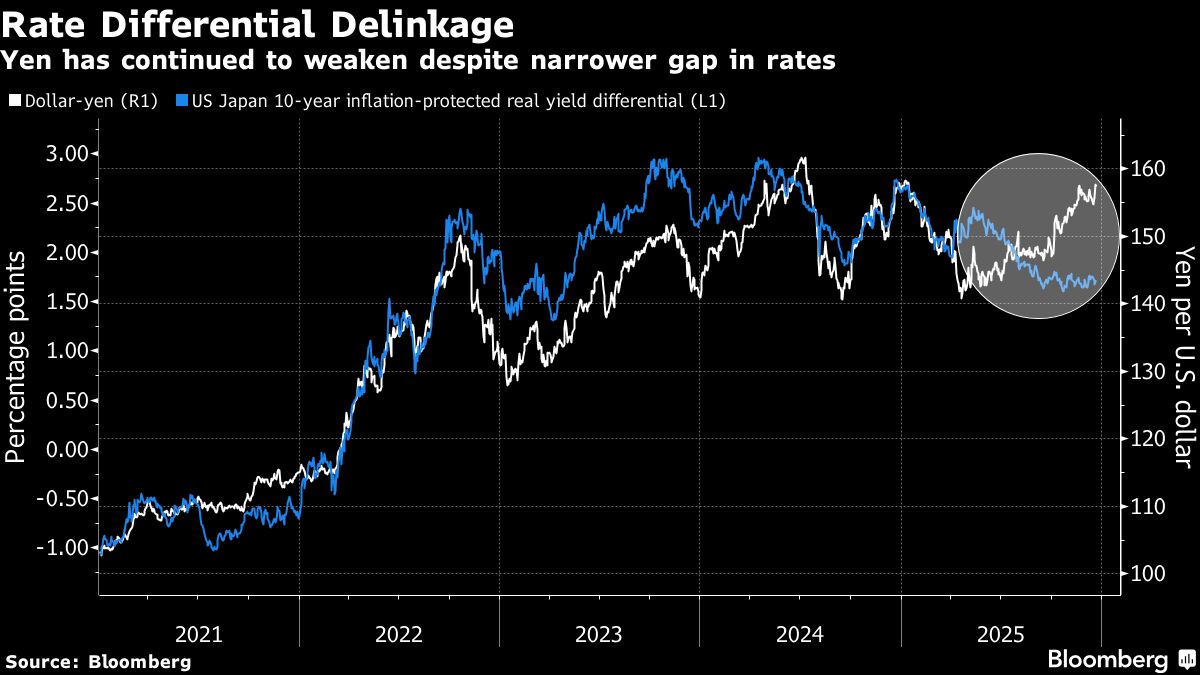
Currency markets have been braced for a possible intervention by the Japanese government to prop up a weak yen. The depreciation over the course of 2025 has made imports more expensive and pushed up households’ costs.
Japan has a “free hand” to take bold action against currency moves that are not in line with fundamentals, Finance Minister Satsuki Katayama said, in her strongest warning yet to speculators following the yen’s weakening even after a rise in interest rates.
Japan’s Prime Minister Sanae Takaichi and her ruling coalition signed off on an income tax hike starting in 2027 to help finance a planned increase in defense spending, moving forward long-delayed plans as security concerns intensify.
Japan’s key inflation gauge stayed at 3% for a second month, signaling sustained price pressure hours before the Bank of Japan is widely expected to boost borrowing costs to the highest level in three decades.
The head of Japan’s auto workers union said he’s concerned that if the central bank raises its benchmark interest rate Friday — as is widely expected — the move could weigh on companies’ ability to raise wages in the coming fiscal year.
Japanese Prime Minister Sanae Takaichi’s ruling coalition is discussing raising income taxes from 2027 to help pay for higher defense spending, breaking a three-year stalemate on the issue as mounting geopolitical risks make it more urgent to secure funding sources.
A live fire exercise at the Japan Ground Self-Defense Force training grounds in Gotemba, Shizuoka Prefecture, in 2024. Photographer: Kiyoshi Ota/Bloomberg
Japan’s exports to the US rose for the first time since Donald Trump announced baseline tariffs in early April, the latest indication that economies are faring better than expected in a more protectionist global trade environment.
A container ship at the Oi Container Terminal in Tokyo. Photographer: Akio Kon/Bloomberg
Washington is set to begin its turn as chair of the Group of 20 by reducing the number of meetings among finance chiefs, people familiar with the matter said, in an apparent move to streamline the multilateral process.
Japan’s car industry union will seek a slightly more ambitious wage hike goal in the upcoming round of negotiations compared to the previous year, adding momentum to talks as the Bank of Japan tracks pay trends in the US tariffs-hit sector.
Workers assemble a Mazda Motor Corp. CX-30 crossover sport utility vehicle (SUV) on the production line at the company's Ujina plant in Fuchu Town, Hiroshima Prefecture, Japan, on Wednesday, June 15, 2022. To ease the impact of inflation, Prime Minister Fumio Kishida put together a series of relief measures including bigger gasoline subsidies.
Japanese Finance Minister Satsuki Katayama said she is closely watching market trends, as the yield on 10-year government debt hovers near 2%, a level not seen since 2006.
Japan’s economy shrank in the three months through September, the government confirmed in a revised report, giving some justification for Prime Minister Sanae Takaichi’s stimulus package announced last month.
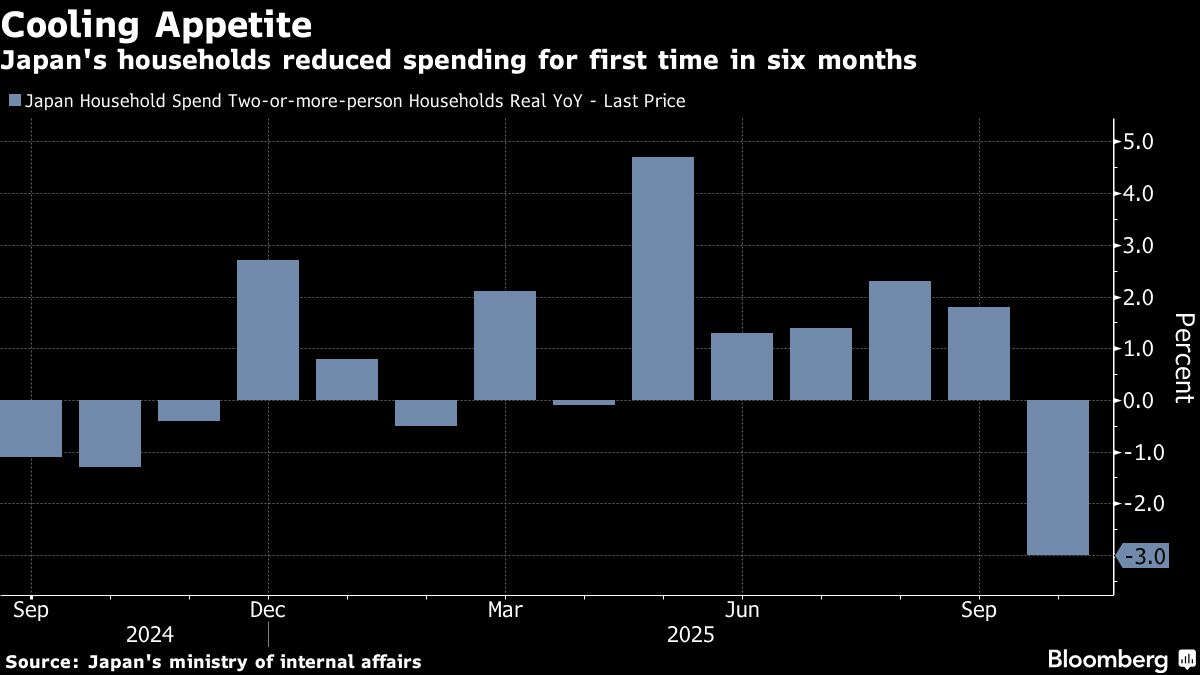
Japan’s households unexpectedly cut spending for the first time in six months, in a sign of the fragility of domestic demand as the Bank of Japan prepares to consider raising borrowing costs later this month.
Key members of Prime Minister Sanae Takaichi’s government wouldn’t try to stop the Bank of Japan if it decides to raise interest rates in December, according to people familiar with the matter, a stance that makes a move more likely.

 Anmelden