Here are the key takeaways from the December US employment report, released Friday:
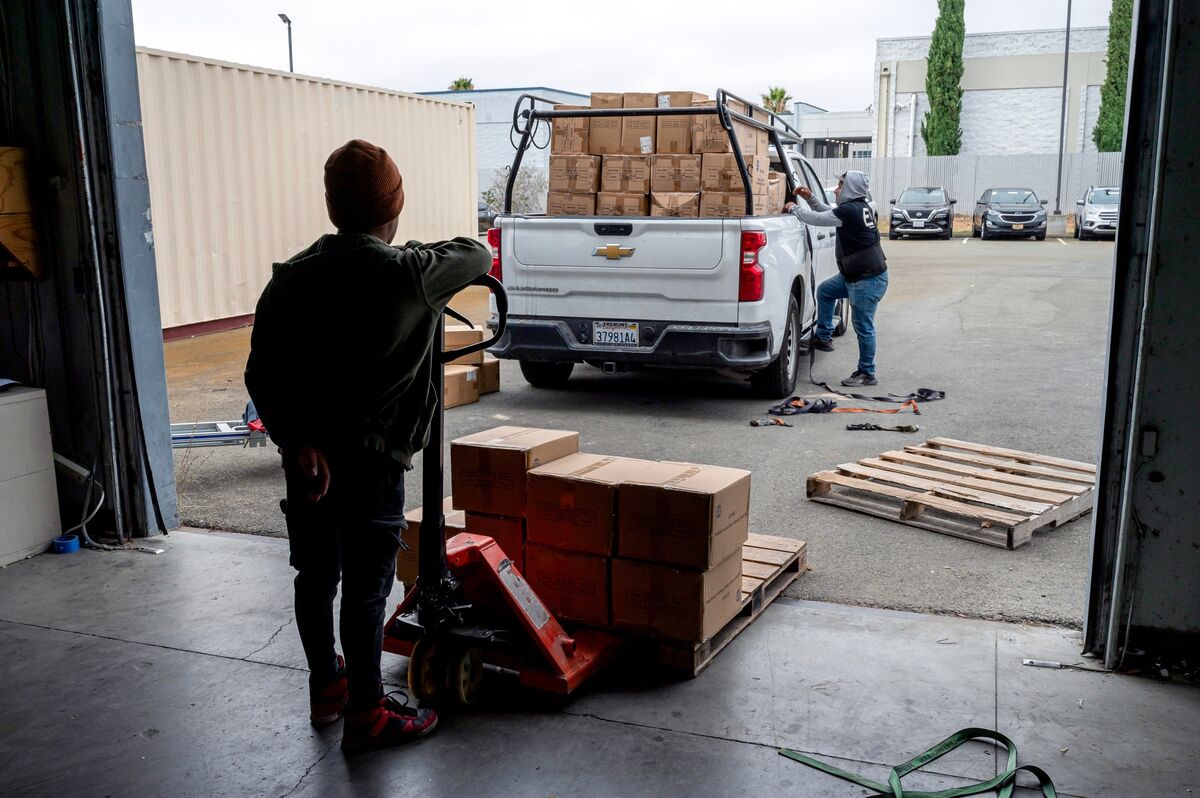
Workers load boxes onto a vehicle at a restaurant equipment warehouse/distribution facility in Fremont, California. Photographer: David Paul Morris/Bloomberg
The US president aims to crack down on investment in private housing, echoing China’s moves
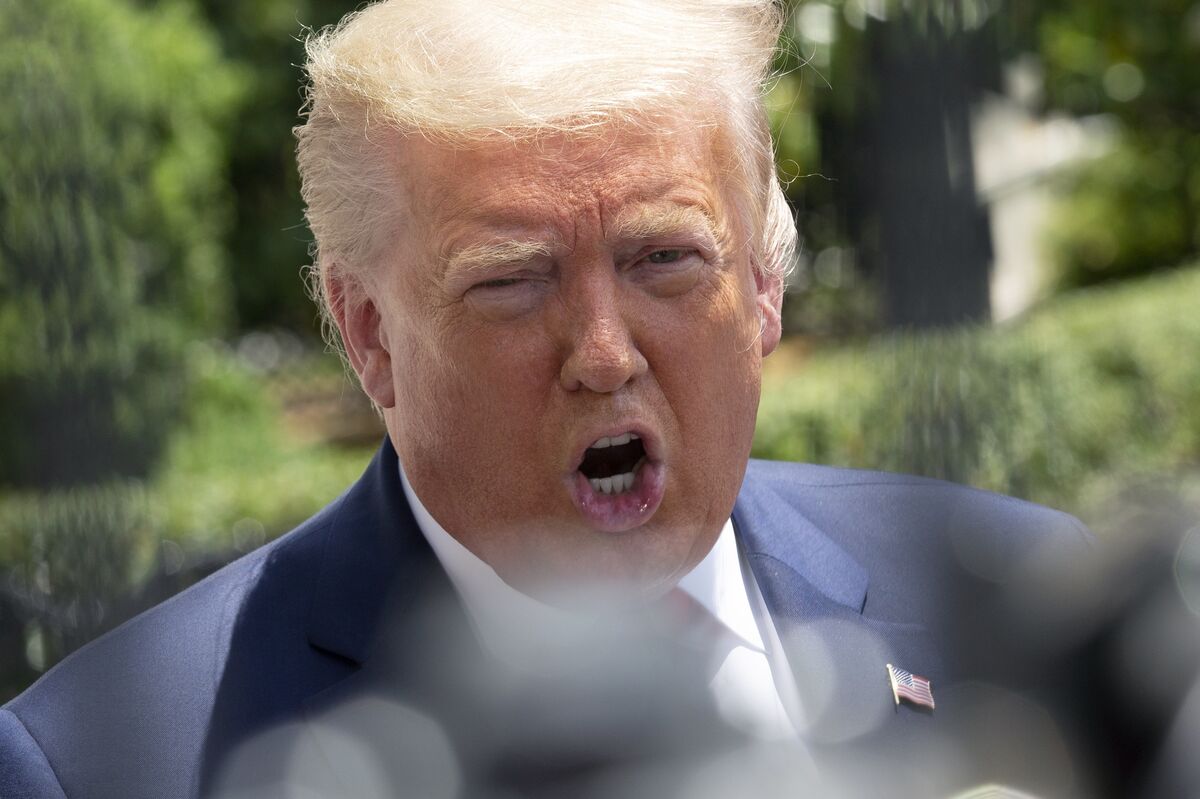
U.S. President Donald Trump speaks to members of the media as he departs the White House in Washington, D.C., U.S., on Saturday, May 30, 2020. Trump encouraged his supporters to rally at the White House, inviting a potentially dangerous mix of protesters after people angry about the death of an unarmed black man in Minnesota police custody skirmished with the Secret Service on Friday. Photographer: Stefani Reynolds/Bloomberg
Federal Reserve Bank of Richmond President Tom Barkin said the outlook for monetary policy remains in a delicate balance given the conflicting pressures from rising unemployment and still-high inflation.
Most Federal Reserve officials saw additional interest-rate reductions as appropriate so long as inflation declines over time, though they remained divided over when and how far to cut, a record of the central bank’s December meeting showed.
Vehicles pass in front of the Marriner S. Eccles Federal Reserve building in Washington. Photographer: Al Drago/Bloomberg
Artificial intelligence is now absorbing a bigger share of the financing for capital spending.
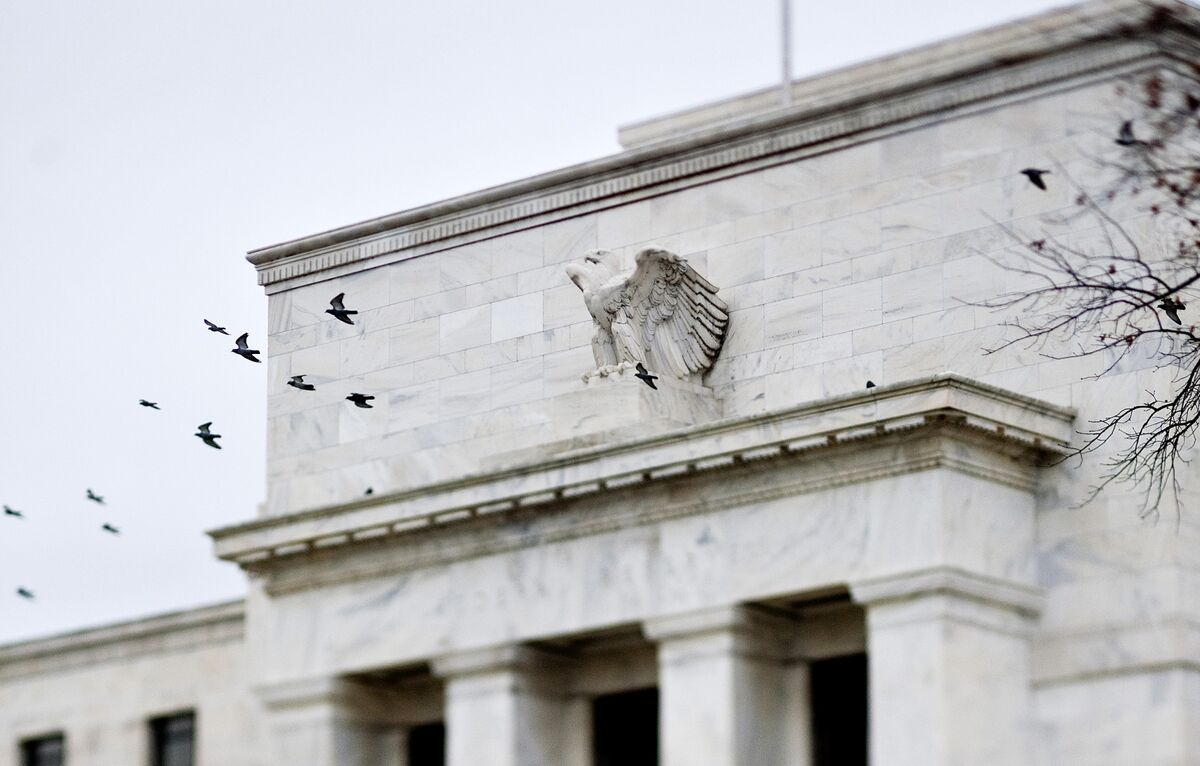
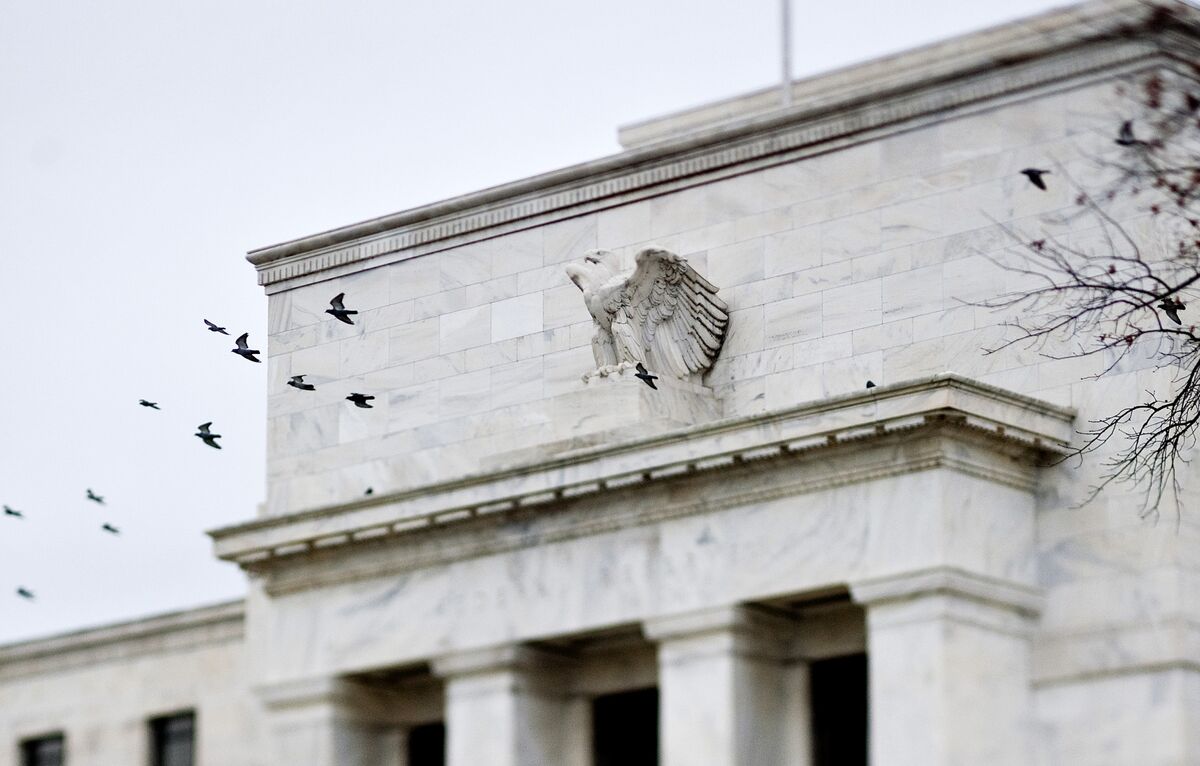
Birds fly past the Marriner S. Eccles Federal Reserve Board building in Washington, D.C., U.S., on Tuesday, Nov. 30, 2010. The Federal Reserve, under orders from Congress, plans today to identify recipients of $3.3 trillion in emergency aid the central bank provided as it fought the worst financial crisis since the Great Depression. Photographer: Joshua Roberts/Bloomberg
Federal Reserve Governor Christopher Waller backed further interest-rate cuts to get the central bank’s setting back to neutral, while saying policymakers need not rush to do so.
Governor of the US Federal Reserve Christopher Waller
Federal Reserve Bank of Philadelphia President Anna Paulson said Friday she expects inflation to cool next year though she cautioned there is a risk of a further downturn in the labor market.
Federal Reserve officials — including two who will become voters in 2026 — offered strongly opposing views Friday on what to do with interest rates, continuing a debate that will grip the US central bank into the new year.
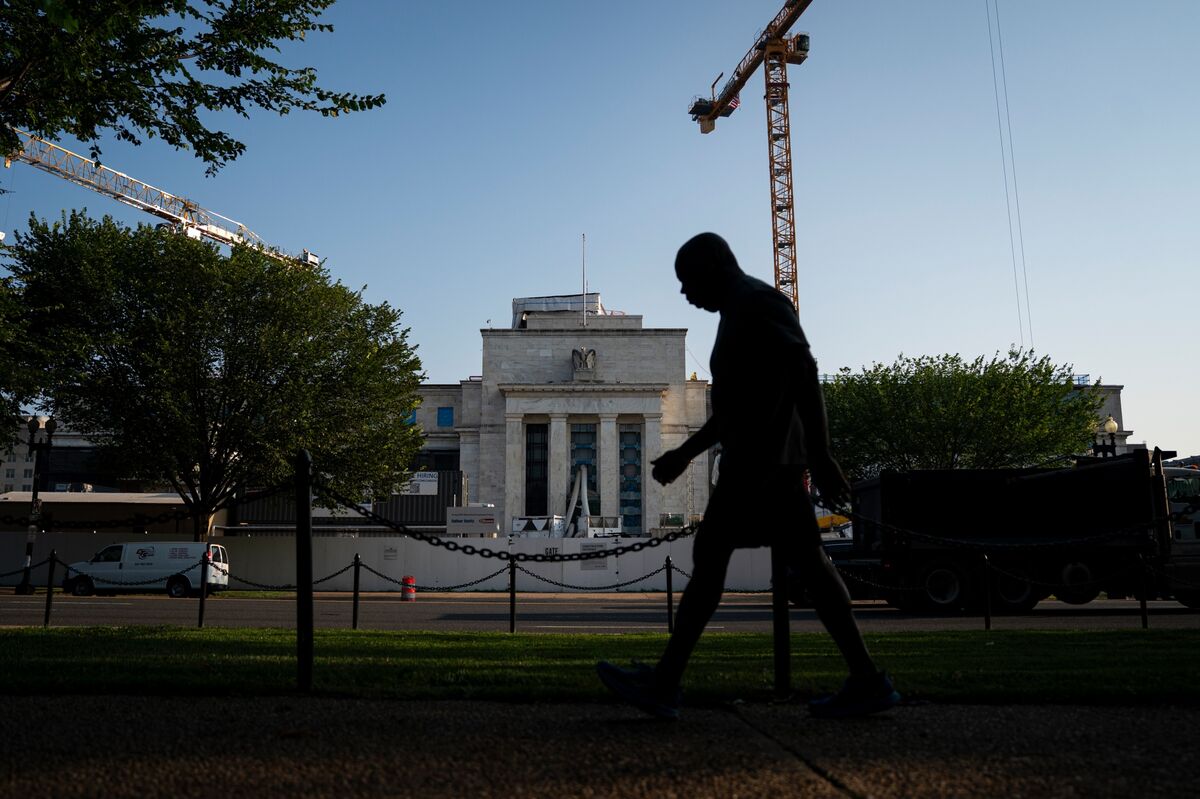
Construction on the Marriner S. Eccles Federal Reserve building in Washington, DC, US, on Tuesday, July 22, 2025. Treasury Secretary Scott Bessent said in a social media post Monday that there should be a review of the decision to renovate parts of the Federal Reserve headquarters in Washington. Photographer: Al Drago/Bloomberg
Treasury Secretary Scott Bessent on Wednesday said he will push for a new rule that candidates for regional Federal Reserve presidents must have lived in that district for at least three years.
The global economy is flying blind into the AI revolution.
Alan Greenspan, former chairman of the Federal Reserve System, speaks during a Bloomberg Television interview in Washington, D.C., U.S., on Wednesday, July 24, 2019. Greenspan endorsed the idea that the U.S. central bank should be open to an insurance interest-rate cut, to counter risks to the economic outlook, even if the probability of the worst happening was relatively low. Photographer: Zach Gibson/Bloomberg
Like everyone else, policymakers at the Federal Reserve are increasingly obsessed with artificial intelligence and its promise of a turbocharged economy. They’re just not ready to make a big call that the revolution is under way.
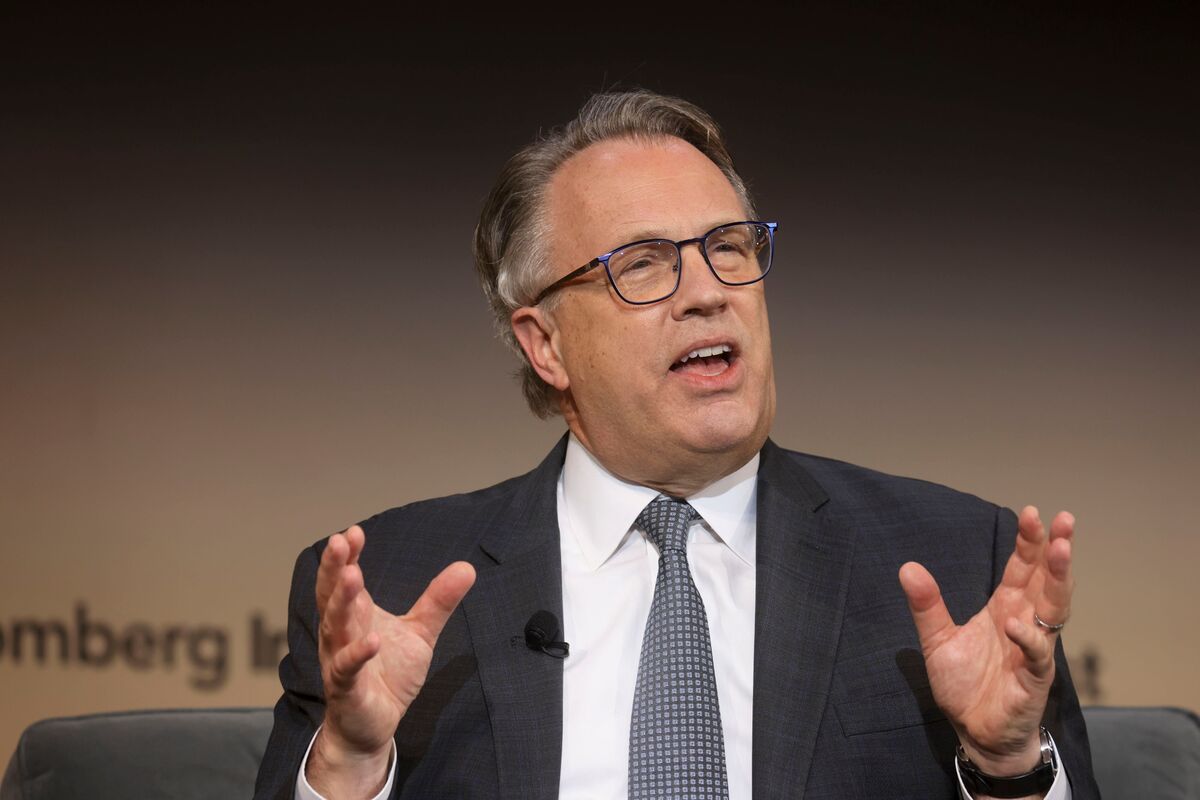
Federal Reserve Bank of New York President John Williams said he sees room to lower interest rates again in the near term as the labor market softens, reviving investor expectations for a December rate cut.
John Williams Photographer: Michael Nagle/Bloomberg

 Anmelden