Indonesia’s fiscal deficit hit the highest level in at least two decades, outside of the pandemic, approaching the legal cap of 3% of gross domestic product in President Prabowo Subianto’s first full year in power.
Two of Southeast Asia’s largest economies head into 2026 tilting toward looser monetary policy as they face economic risks from political turmoil at home, investor wariness abroad and Donald Trump’s tariffs at the border.
Bank Indonesia held its benchmark interest rate at its last meeting for the year to head off pressure on the rupiah amid persistent foreign capital outflows.
Traffic in front of the Bank Indonesia headquarters in Jakarta, Indonesia. Photographer: Dimas Ardian/Bloomberg
Central banks in Thailand and Indonesia will make their last interest rate decisions of 2025 under a cloud of economic challenges from politics to weather.
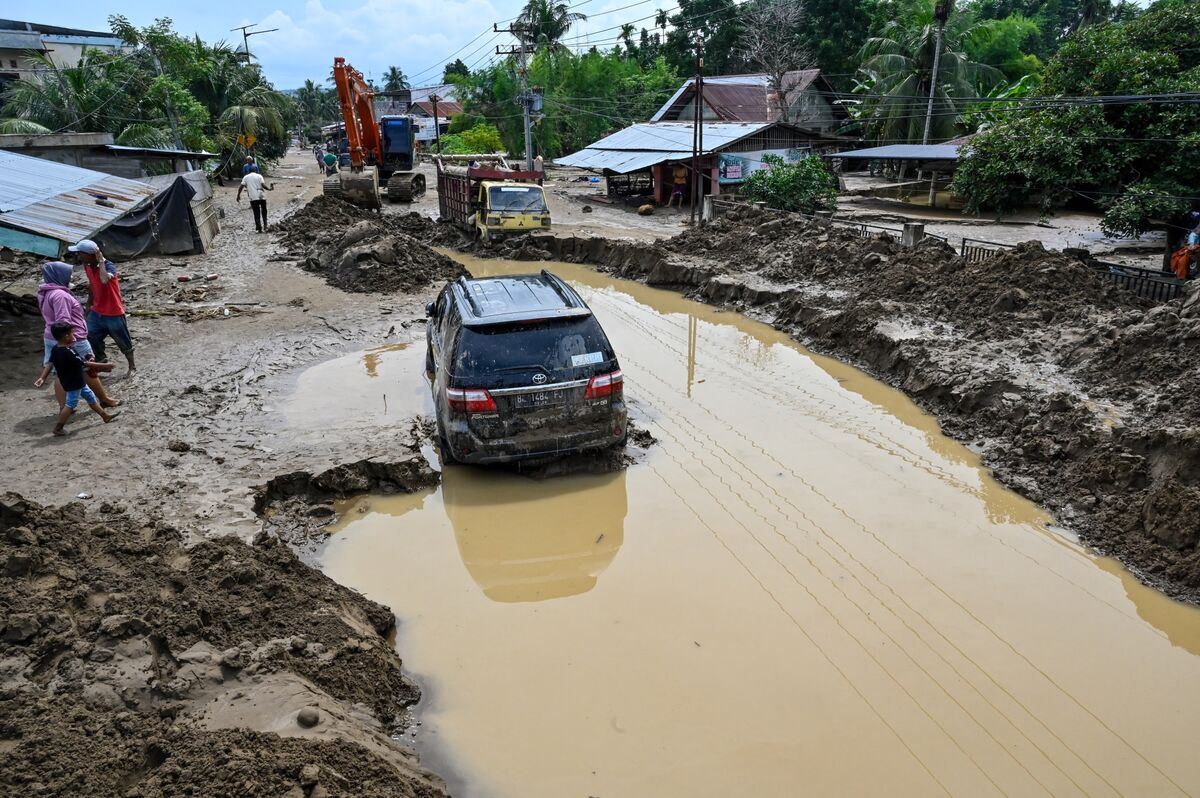
A general view shows vehicles trapped in mud after the flash floods in Meureudu, Pidie Jaya district of Indonesia's Aceh province, on November 28, 2025. Days of devastating flooding across Southeast Asia have killed more than 300 people in Indonesia, Thailand and Malaysia, authorities said on November 28. Authorities in Indonesia were struggling to reach the worst-affected areas on Sumatra island, while authorities at a southern Thailand hospital brought in refrigerated trucks to store bodies after the morgue exceeded capacity. (Photo by Chaideer MAHYUDDIN / AFP via Getty Images)
Indonesia’s central bank left its benchmark interest rate unchanged for a second straight month in a bid to support the rupiah — Asia’s worst-performing currency this year — while also signaling room for further cuts.
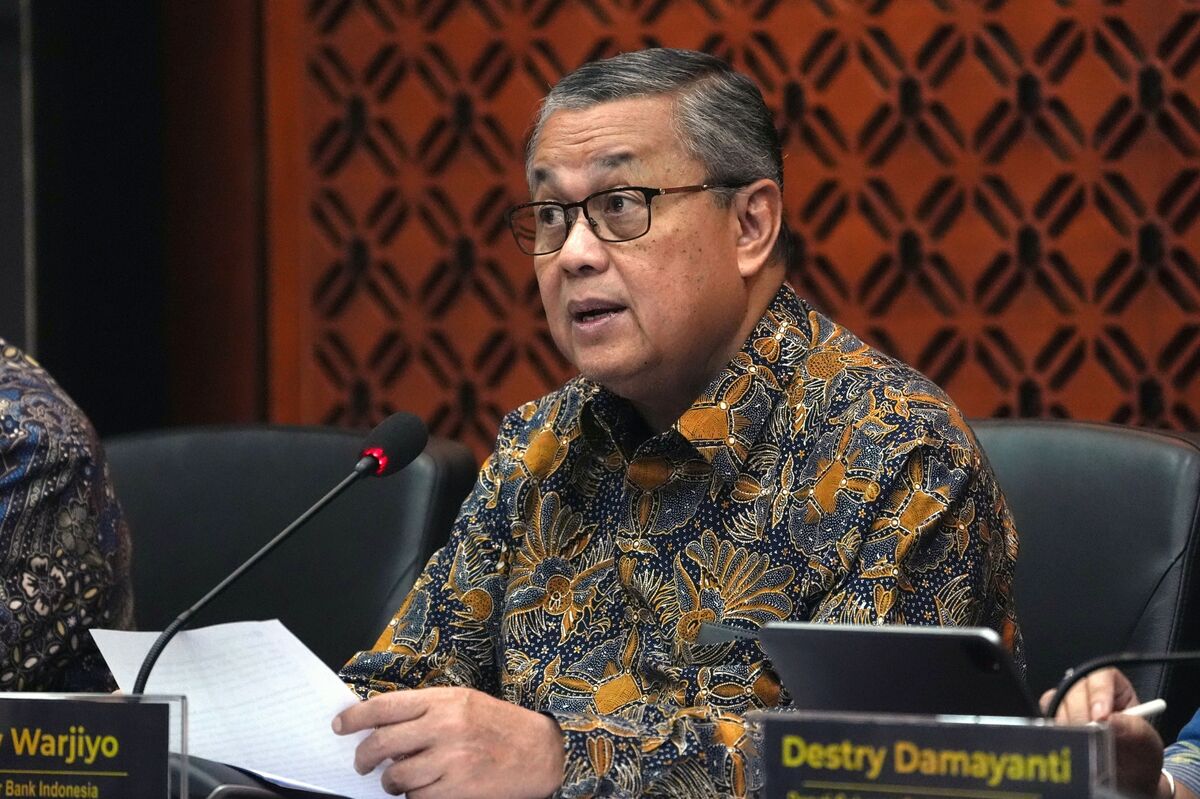
Perry Warjiyo Photographer: Dimas Ardian/Bloomberg

 Anmelden