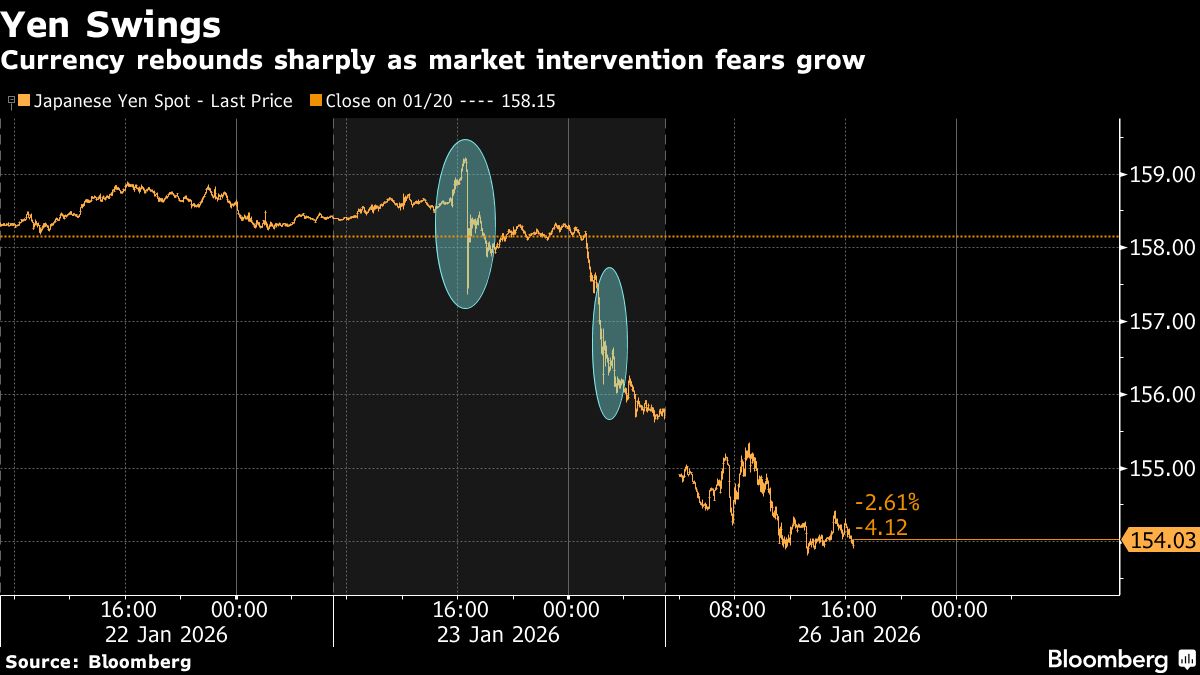
Japanese data offered no clear sign that authorities stepped into the market in Tokyo last Friday with yen-buying intervention for the first time since July 2024.
Bank of Japan Governor Kazuo Ueda stuck to his even-handed stance on the central bank’s rate-hike path after holding the benchmark steady and raising the inflation outlook, with his comments helping nudge the yen lower before it rebounded abruptly.
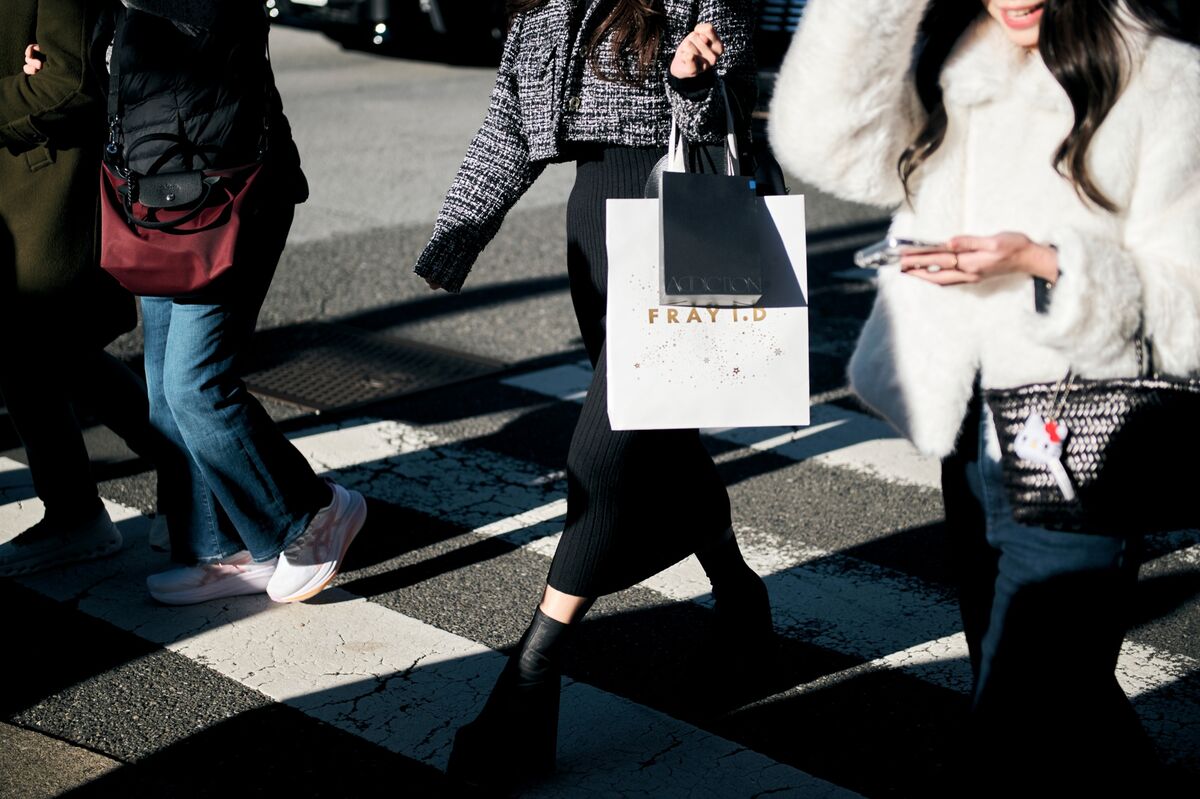
A shopper carries a Fray I.D branded bag in Tokyo, Japan, on Monday, Dec. 15, 2025. Prime Minister Sanae Takaichi has promised various measures to tackle inflation in her upcoming economic package, which is expected to lessen the hit from price growth on households and businesses. Photographer: Ko Tsuchiya/Bloomberg
Prime Minister Sanae Takaichi’s proposed plan to cut the tax on food purchases risks lowering Japan’s revenues and undermining the nation’s finances in the long term, according to S&P Global Ratings in a sign of its rising concerns.
A customer purchases a package of mandarins at the Celsior Wadamachi supermarket in Yokohama, Japan.
The Bank of Japan is widely expected to keep its benchmark rate unchanged Friday, offering little immediate support for the yen — and keeping traders on high alert for potential foreign exchange intervention by the government as early as the same day if the currency slides.
The Bank of Japan said it will start selling its holdings of exchange-traded funds on Monday, a project that may take more than a century if it proceeds at the currently planned pace.
Most Bank of Japan watchers judge that Governor Kazuo Ueda and his colleagues have been slow in ratcheting up interest rates, and expect the next move still to be several months away in their base case scenarios.
BOJ Governor Kazuo Ueda, center, attends a monetary policy meeting on Oct. 30, 2025. Jiji Press
Bank of Japan officials are paying increasing attention to the yen’s potential impact on inflation, with possible implications for future rate hikes after a likely hold decision next week, according to people familiar with the matter.
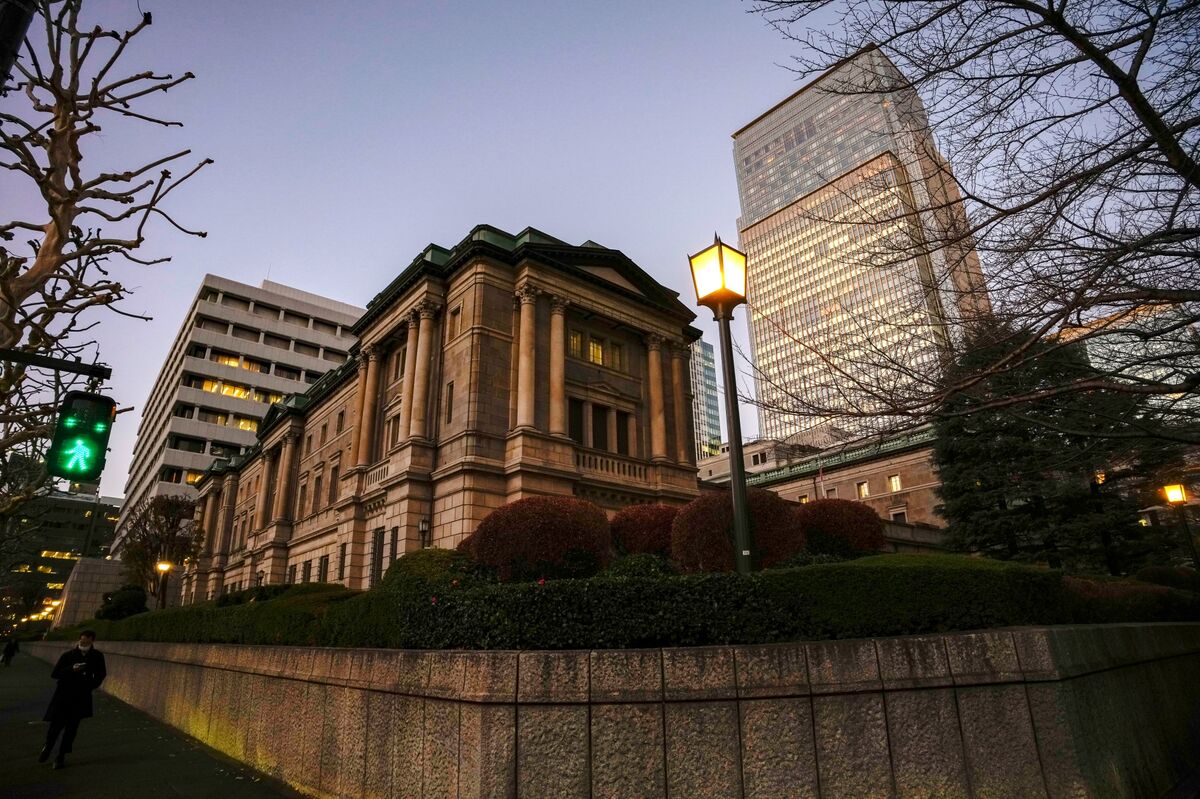
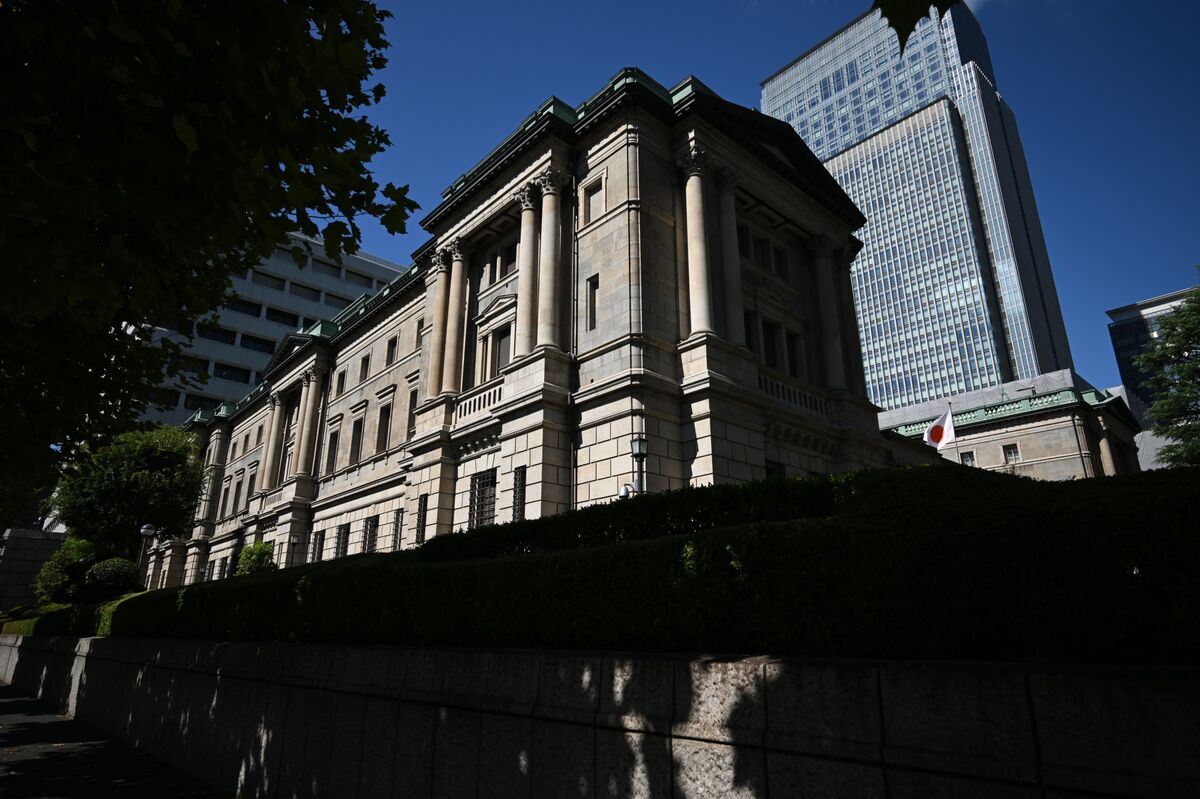
The Bank of Japan headquarters in Tokyo. Photographer: Toru Hanai/Bloomberg
Bank of Japan Governor Kazuo Ueda signaled he still intends to lift interest rates when conditions allow, in his first public remarks after speculation emerged and intensified over the likelihood of Prime Minister Sanae Takaichi holding a national election next month.
The Bank of Japan may raise its benchmark interest rates as early as April as heightened market concerns over Prime Minister Sanae Takaichi’s “dangerous” approach to fiscal policy keep the yen weak, according to a former BOJ board member.
The Bank of Japan is likely to raise its economic growth projection when its board meets later this month, while officials are set to keep the benchmark interest rate on hold, according to people familiar with the matter.
The Bank of Japan suggested it remains on track for more interest rate hikes by leaving its economic assessments intact for all regional economies after it raised borrowing costs last month to the highest in three decades.
The Bank of Japan (BOJ) headquarters in Tokyo, Japan, on Friday, Dec. 19, 2025. The Bank of Japan raised its benchmark interest rate to the highest in 30 years and said more increases are in the pipeline if conditions allow, in a sign of growing conviction that it can attain the stable inflation target it has pursued for more than a decade. Photographer: Akio Kon/Bloomberg
Bank of Japan Governor Kazuo Ueda used his first public appearance in the new year to underscore his intention to keep raising the benchmark rate in a speech to private bankers.
Bank of Japan Governor Kazuo Ueda signaled further interest hikes are likely coming next year, by projecting rising confidence that the central bank is closer to attaining its sustainable price target.
The Bank of Japan raised its benchmark interest rate to the highest in 30 years and signaled more hikes are likely in the pipeline, yet the yen weakened from disappointment that the messaging from the central bank wasn’t stronger.
Kazuo Ueda on Dec. 19. Photographer: Akio Kon/Bloomberg
The Bank of Japan is widely expected to raise its benchmark rate Friday to the highest level in three decades, in a sign of growing confidence that it will achieve its stable inflation target.
The Bank of Japan (BOJ) headquarters in Tokyo. Photographer: Kiyoshi Ota/Bloomberg
Japan’s households stepped up their quest for yield by boosting risk assets to more than a fifth of their total assets for the first time, as prolonged inflation erodes the value of cash holdings.
The Bank of Japan is widely expected to raise its key rate on Friday. The path ahead gets murkier.
Kazuo Ueda, governor of the Bank of Japan (BOJ), during a news conference at the central bank's headquarters in Tokyo, Japan, on Thursday, Oct. 30, 2025. The Bank of Japan kept its benchmark rate unchanged, sending the yen lower in the bank’s first policy decision since Sanae Takaichi, an advocate of monetary easing, became prime minister last week. Photographer: Kiyoshi Ota/Bloomberg
Governor Kazuo Ueda is widely expected to raise the Bank of Japan’s key rate to the highest level in three decades on Friday. The path ahead becomes murkier as the government’s need for cheap financing clashes with a weakening yen that’s driving up import prices.
The Bank of Japan indicated further progress on the wage front, a key consideration that effectively cements the case for a rate hike this week, with a report showing that momentum for pay increases remains intact despite US tariffs.
The Bank of Japan headquarters in Tokyo. Photographer: Kiyoshi Ota/Bloomberg
 Anmelden