Swiss inflation stayed just above zero in January, offering limited respite to the Swiss National Bank from pressure to reintroduce negative interest rates.
Shoppers in Zurich. Photographer: Pascal Mora/Bloomberg
The Alpine republic shipped the most goods ever to America last year.
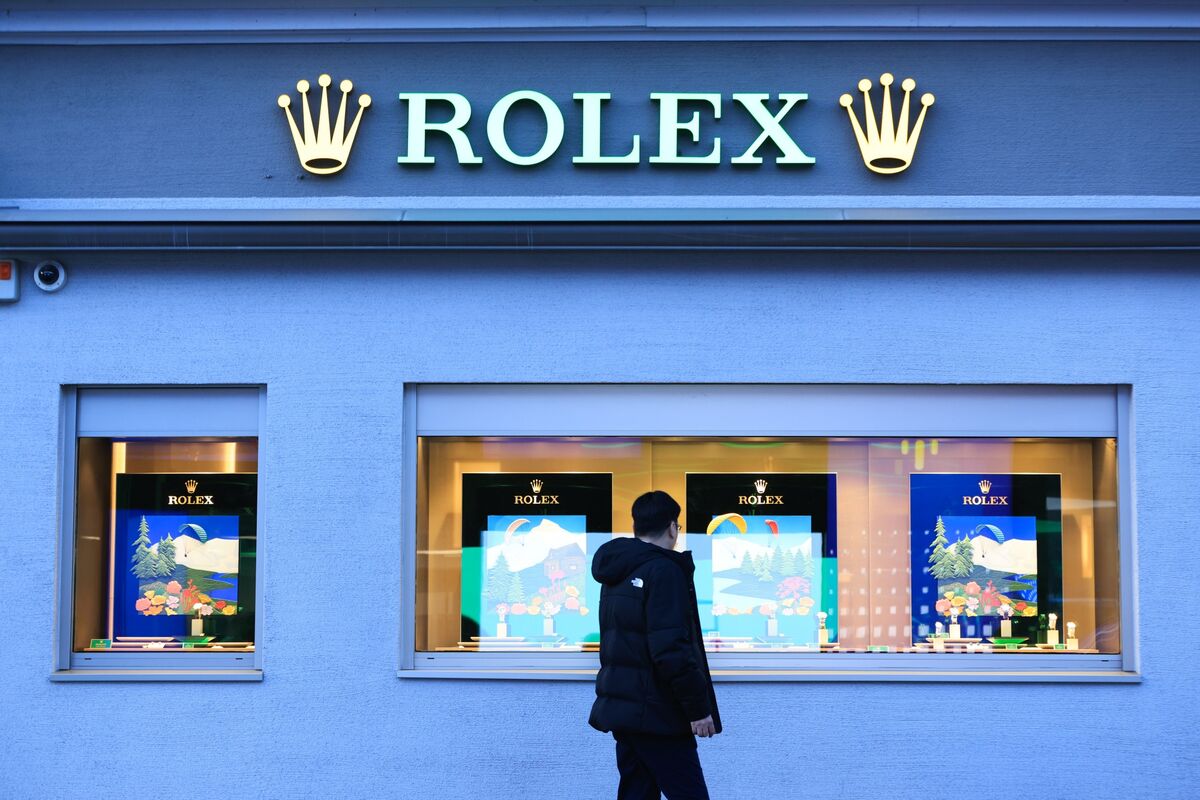
A Rolex SA luxury watches store on the Promenade ahead of the World Economic Forum (WEF) in Davos, Switzerland, on Monday, Jan. 19, 2026. The annual Davos gathering of political leaders, top executives and celebrities runs from Jan. 19-23. Photographer: Krisztian Bocsi/Bloomberg
Switzerland exported a record amount of goods to the US in 2025, defying a period when President Donald Trump inflicted some of his highest tariffs on the country.
Switzerland plans a temporary increase of its value-added tax to boost spending for the military.
A Swiss Air Force Super Puma helicopter during the World Economic Forum annual meeting in Davos, Switzerland on Jan. 21. Photographer: Ina Fassbender/AFP/Getty Images
Talks on the details of the trade deal between Switzerland and the US are expected to start in the first half of February in Bern, according to people familiar with the matter.
The Bern Minster cathedral on the city skyline in Bern. Photographer: Stefan Wermuth/Bloomberg
Switzerland could see its inflation rate fall below zero again this year but even a few months of that wouldn’t be a problem, Swiss National Bank President Martin Schlegel said.
Martin Schlegel in Davos, on Jan. 21. Photographer: Chris J. Ratcliffe/Bloomberg
Switzerland’s government backs enshrining cash in the constitution before a national vote in March, but with wording that differs from that of campaigners seeking to safeguard the status of physical money.
The Swiss government is backing a proposal to abolish preferential tax treatment for married couples with only one earner, endorsing a far-reaching reform that will go before voters in March.
People are seated in front of the Swiss House of Parliament in Bern.
Switzerland’s economic resilience is showcasing the prowess of one of Europe’s most business-friendly domains, where companies can fire workers with relative impunity.
The Swiss National Bank’s decision last month to keep interest rates steady was a two-way call neither to cut them nor to raise them in what appears to be a shift in bias.
The Swiss National Bank largely kept out of currency markets in the third quarter, avoiding interventions after Donald Trump’s tariffs had forced officials to sell francs in the previous period.
Swiss companies are potentially entitled to claim “several hundred million francs” in tariff refunds from the US because the trade deal between the nations will be applied retroactively, Switzerland’s economy minister said.
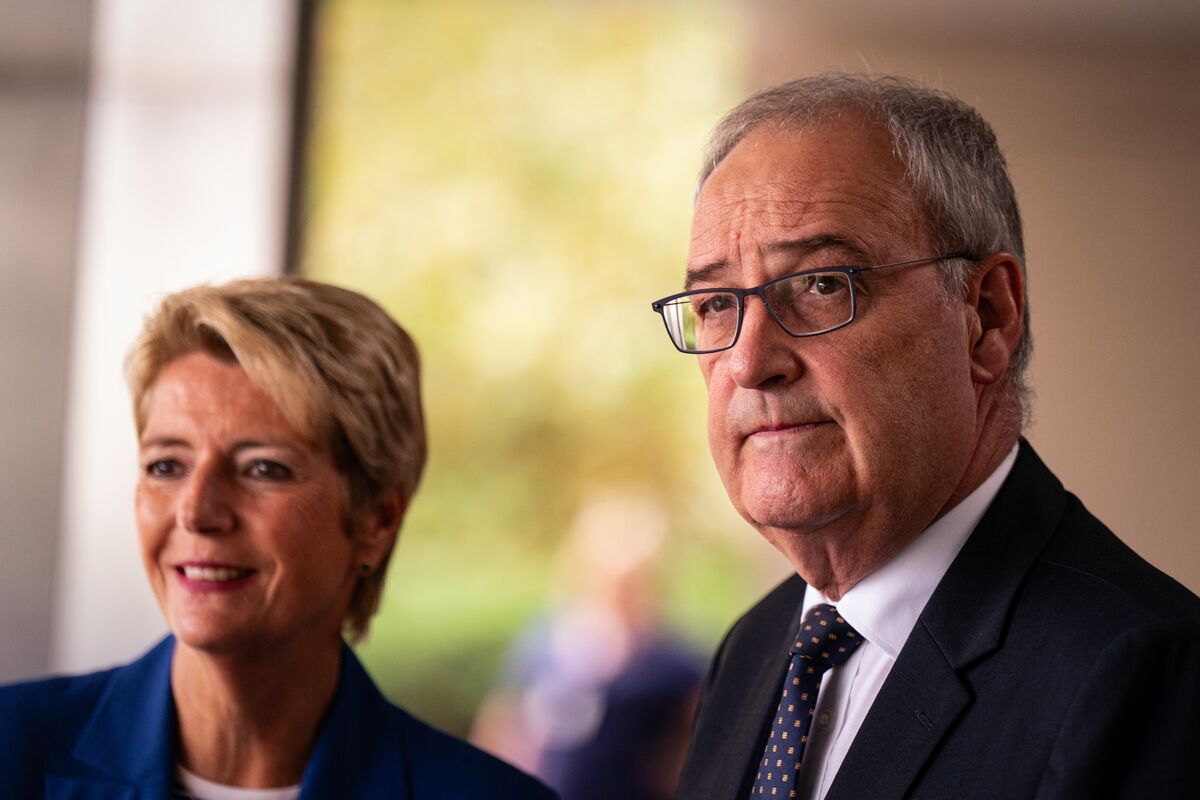
Guy Parmelin, right, and Switzerland's president Karin Keller-Sutter, in Washington, DC, in August.
Switzerland lifted the growth outlook for next year on the back of its trade deal with the US, while lowering expectations on inflation after the central bank refrained from further easing.

 Anmelden