Japanese machinery orders surged at a record pace in December, propelled by large projects, underscoring robust corporate momentum as Prime Minister Sanae Takaichi moves to spur investment in priority areas.
Prime Minister Sanae Takaichi faces a key decision on whom to tap for spots opening on the Bank of Japan’s board, nominations that will give economists and investors an indication of how aggressively she hopes to influence central bank policy.
The International Monetary Fund warned Japan against cutting its sales tax when borrowing costs on public debt are set to double, comments that come as Prime Minister Sanae Takaichi prepares to speed up debate on a potential suspension of the tax on food.
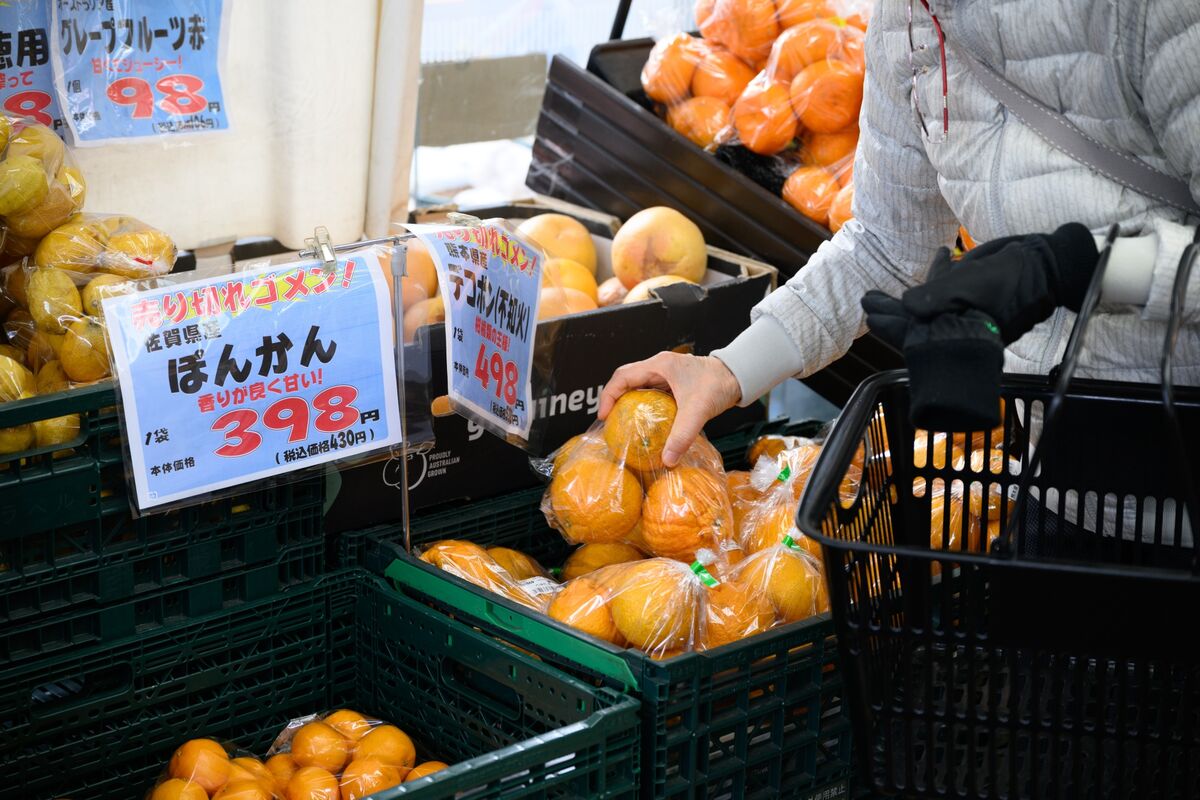
Customers at the Celsior Wadamachi supermarket in Yokohama, Japan, on Thursday, Jan. 15, 2026. Soaring food costs are a key component driving broader inflation higher, with data Friday expected to show consumer price growth has stayed above the central bank’s 2% target for four straight calendar years. Photographer: Akio Kon/Bloomberg
Japan’s exports rose at the fastest clip in more than three years as demand for chips related to artificial intelligence offset sluggish car shipments to the US, in data that were helped somewhat by the Lunar New Year effect.
New Subaru vehicles bound for shipment at Yokohama Port in Japan. Photographer: Toru Hanai/Bloomberg
Japan’s former currency chief said the Bank of Japan is “behind the curve” on taking policy action, adding that higher interest rates would help address inflation and stabilize markets.
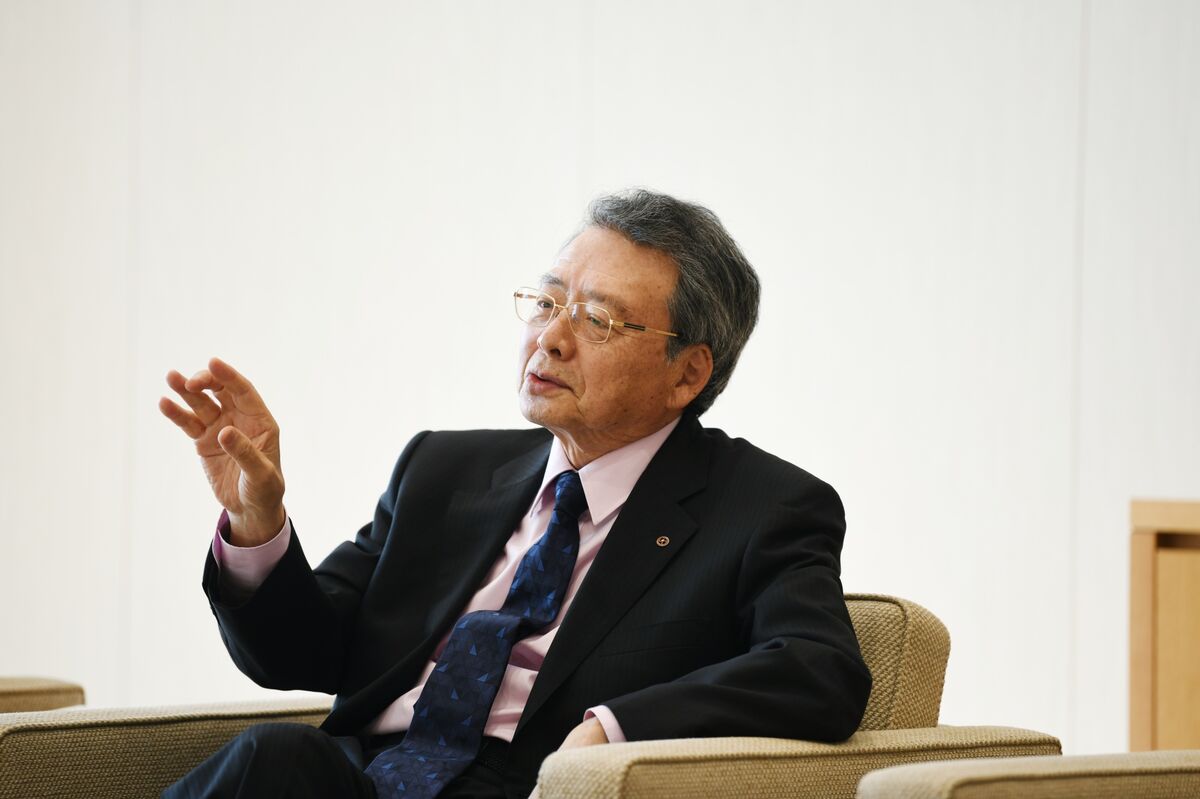
Takehiko Nakao, president of the Asian Development Bank (ADB), adjusts his spectacles during a panel session on day three of the World Economic Forum (WEF) in Davos, Switzerland, on Thursday, Jan. 25, 2018. World leaders, influential executives, bankers and policy makers attend the 48th annual meeting of the World Economic Forum in Davos from Jan. 23 - 26.
The yen is likely to strengthen as investors gain a clearer understanding of Prime Minister Sanae Takaichi’s fiscal stance, according to a former Japanese currency czar.
Japan’s top currency official said the government remains on high alert over foreign exchange movements in a week that’s seen gains in the Japanese currency.
Japanese workers’ real wages fell in every month of 2025, underscoring the persistence of inflation and bolstering the case for Prime Minister Sanae Takaichi to continue down a more expansionary fiscal path after she secured a sweeping election victory on Sunday.
Japan’s top currency official said the government remains on high alert as it monitors the foreign exchange market after the yen initially came under renewed pressure following Prime Minister Sanae Takaichi’s historic victory in Sunday’s snap election.
The rate of the yen against the US dollar displayed outside a securities firm in Tokyo on Feb. 9. Photographer: Kiyoshi Ota/Bloomberg
Japan’s Finance Minister Satsuki Katayama said that Prime Minister Sanae Takaichi wasn’t overly highlighting the benefits of a weak yen at the weekend, in a move that suggested she was trying to preserve speculation over government intervention risks.
The leader of one of Japan’s biggest business groups representing smaller firms called on the Japanese government to take more action on currencies, warning that the weak yen is squeezing smaller companies and putting wage hikes at risk.
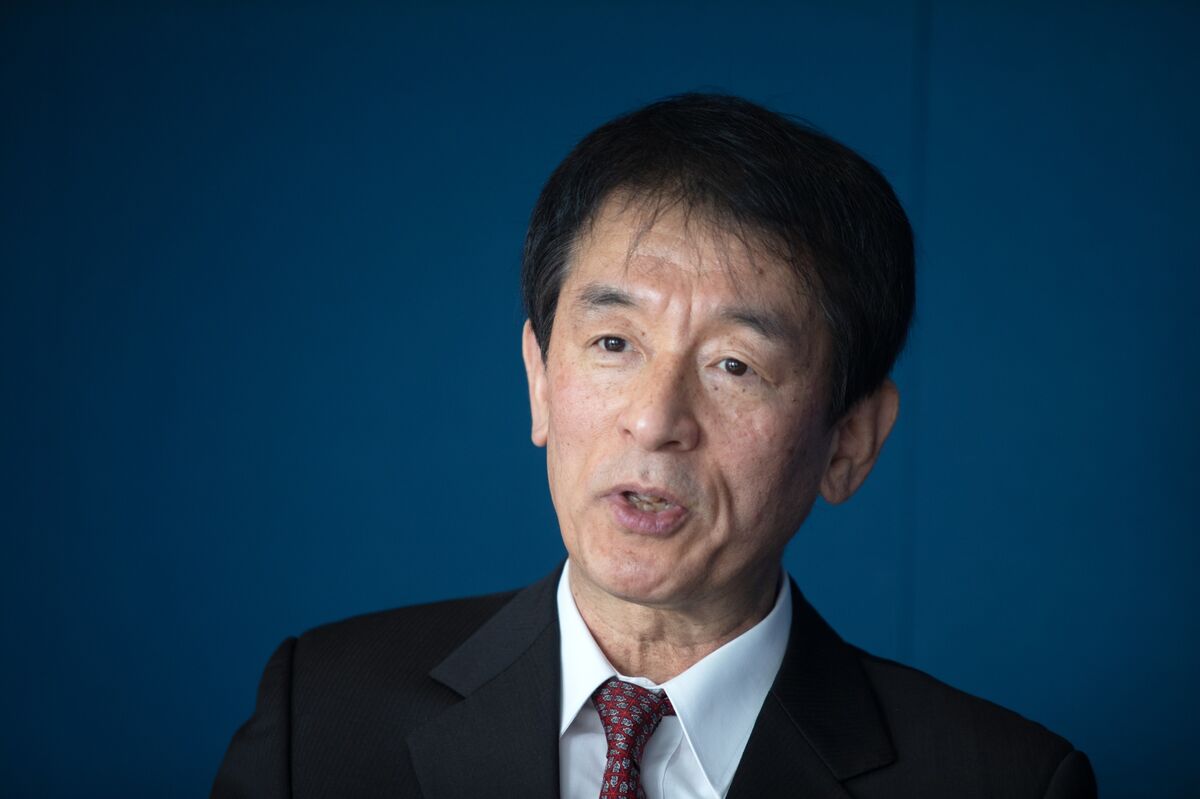
Ken Kobayashi in 2024. Photographer: Noriko Hayashi/Bloomberg
Japan’s population of foreign workers hit a fresh record last year, figures that will likely feed into the election debate on the reliance on immigrant workers and simmering angst among the rising number of voters supporting the far-right Sanseito party.
Laotian workers engaged in agriculture in Yachiyo, Ibaraki Prefecture.
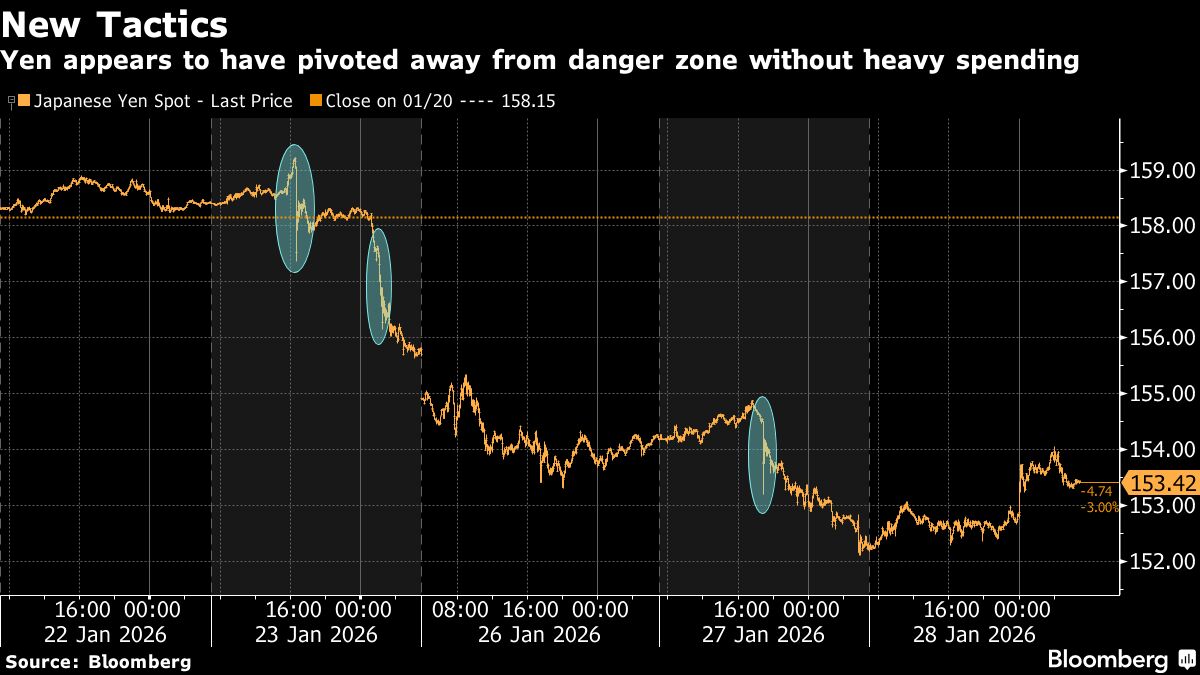
Japan has managed to secure breathing space for the yen without intervening in markets this month, an indication of short-term success for modified tactics that lean heavily on the US fear factor.
Japan’s Finance Minister said the government will coordinate with the US on currency responses when necessary, as market participants grow increasingly wary of possible coordinated action between Washington and Tokyo.
The head of Japan’s biggest business lobby warned that the impact of US tariffs on the nation’s industry needs to be carefully monitored, in comments signaling caution as formal wage negotiations between employers and labor unions get underway.
Japanese Finance Minister Satsuki Katayama said that the government is responding to currency moves in line with the US-Japan joint statement, amid speculation the two countries coordinated on rate checks to prop up the yen on Friday.
Japanese authorities are watching currency movements with a sense of urgency, Finance Minister Satsuki Katayama said on Friday, leaving the market in the dark over a bout of yen volatility earlier in the day.
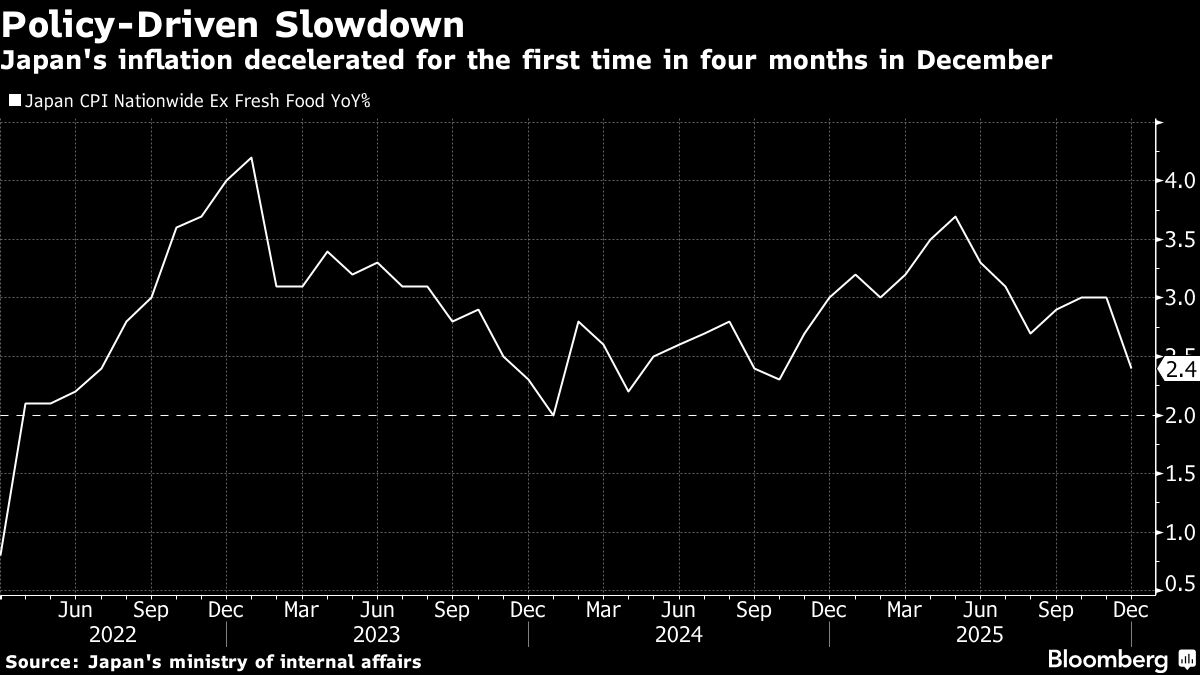
Japan’s inflation slowed for the first time in four months on the impact of government subsidies, in a report that nevertheless highlighted the underlying strength of price pressure hours before the central bank decides policy.

 Anmelden