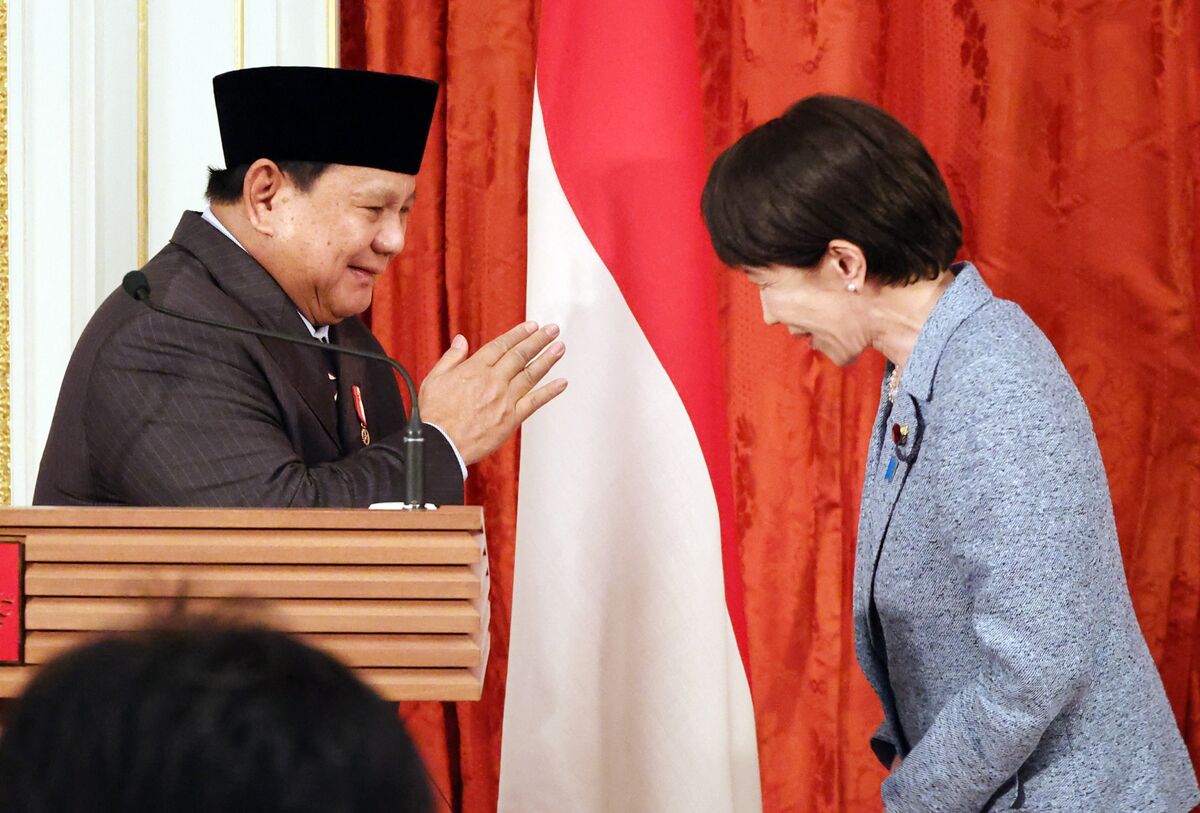
Indonesian President Prabowo Subianto and Japanese Prime Minister Sanae Takaichi pledged deeper economic ties and cooperation on energy security as the two countries grapple with market instability brought on by the war in Iran.
Prabowo Subianto and Sanae Takaichi in Tokyo on March 31. Photographer: YOSHIKAZU TSUNO/Getty Images
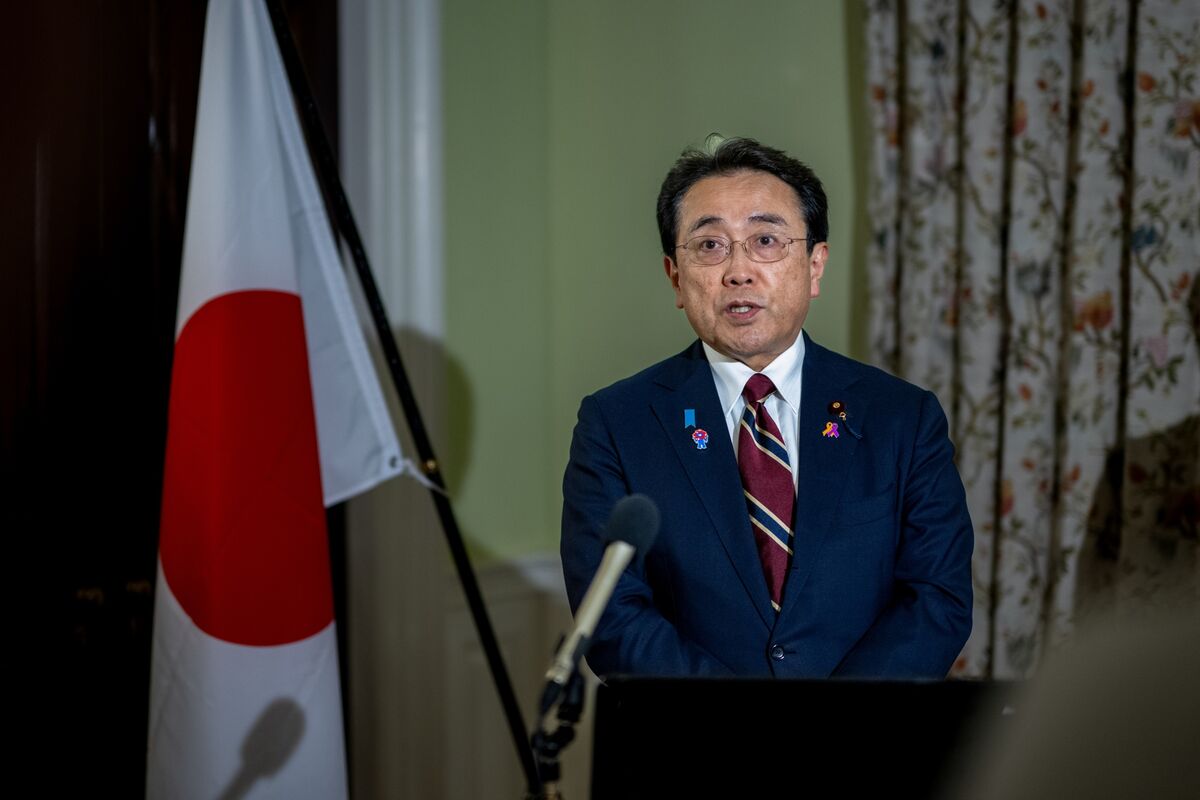
Japan’s defense minister said the US hadn’t made a specific demand to send ships to the Middle East, following media reports that Tokyo has started to explore that possibility ahead of Prime Minister Sanae Takaichi’s summit with US President Donald Trump this week.
Shinjiro Koizumi, Japan's agriculture minister, speaks during a news conference with candidates for the Liberal Democratic Party's leadership in Tokyo, Japan, on Tuesday, Sept. 23, 2025. Japan’s ruling party leadership race formally kicked off on Sept. 22 under close market scrutiny, with the outcome likely to determine who will lead the nation following Prime Minister Shigeru Ishiba's decision to step down.
Japanese Prime Minister Sanae Takaichi canceled her participation in some official events Thursday after developing cold-like symptoms, days before she’s scheduled to depart for a trip to the US to meet with President Donald Trump.
Takaichi during a budget committee session on March 12. Photographer: Kaname Yoneyama/The Yomiuri Shimbun/AP Images
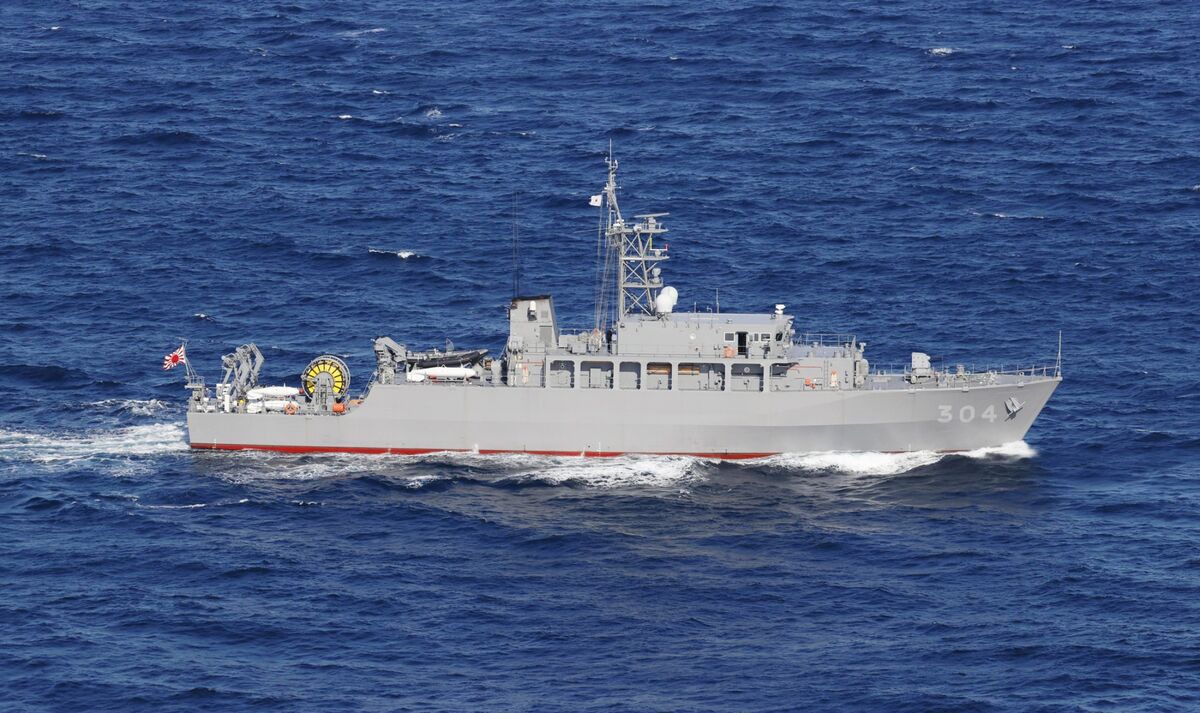
Japan’s pacifist constitution wouldn’t bar the country from helping with mine clearance around the Strait of Hormuz at the conclusion of the war between the US, Israel and Iran, but Tokyo has no plans to deploy minesweepers to the region, Prime Minister Sanae Takaichi said.
Japanese Prime Minister Sanae Takaichi said she’ll have frank talks on Iran when she meets US President Donald Trump in Washington later this month.
Sanae Takaichi, Japan’s prime minister, speaks at a news conference at the prime minister’s office in Tokyo, Japan, on Wednesday, Feb. 18, 2026. Takaichi was formally reappointed as Japan’s Prime Minister Wednesday following her resounding electoral win, a formality that allows her to turn her attention to expediting budget deliberations and implementing a trade deal agreed with US President Donald Trump.
Japan is monitoring financial markets with the utmost vigilance and will take any necessary action in response to sharp movements, Finance Minister Satsuki Katayama said, as volatility intensifies following the US and Israeli attack on Iran.
Japanese Prime Minister Sanae Takaichi condemned Iran’s nuclear program in a carefully worded response that avoided commenting on whether Tokyo supported Washington’s strike on Tehran.
A picture taken on August 20, 2010 shows an Iranian flag fluttering at an undisclosed location in the Islamic republic next to a surface-to-surface Qiam-1 (Rising) missile which was test fired a day before Iran was due to launch its Russian-built first nuclear power plant. Iranian Defence Minister Ahmad Vahidi said the missile was entirely designed and built domestically and powered by liquid fuel. AFP PHOTO/VAHID REZA ALAEI (Photo credit should read VAHID REZA ALAEI/AFP via Getty Images)
The US and Japan still need to do a lot of work to hammer the funding details for three projects announced as part of a US-Japan trade deal, according to the head of a Tokyo-backed bank involved in the negotiations.
Japanese Trade Minister Ryosei Akazawa called on the US to ensure that new tariff measures would not leave Tokyo with tougher conditions than those agreed in last year’s trade deal, during a call with Commerce Secretary Howard Lutnick.
A heavyweight of Japan’s ruling Liberal Democratic Party called US tariffs “a real mess” after President Donald Trump hiked levies in response to a Supreme Court decision that his previous tariffs were illegal.
Itsunori Onodera, chairperson of policy research council of the Liberal Democratic Party (LDP), speaks at the party's headquarters following the upper house election in Tokyo, Japan on Sunday, July 20, 2025. Japan’s ruling coalition is likely to lose its majority in the upper house, according to exit polls, an outcome that would further weaken embattled Prime Minister Shigeru Ishiba’s leadership and potentially unsettle markets.
Japanese Prime Minister Sanae Takaichi vowed to repeatedly “hit the button” on economic growth and adopt a bolder diplomatic stance without spooking markets during a speech setting out her policy vision.
Sanae Takaichi was reappointed as Japan’s Prime Minister following her resounding electoral win, a formality that allows her to turn her attention to expediting passage of the annual budget and implementing a trade deal agreed with US President Donald Trump.
Takaichi receives a round of applause after being reappointed as the country's premier in the lower house of parliament on Feb. 18.
The US and Japan are closing in on the first three projects to be funded by Tokyo’s $550 billion investment vehicle, according to people familiar with the matter, as the nations seek to set in motion a key component of their bilateral trade deal reached last year.
Back in October, Sanae Takaichi struggled to wrangle enough seats in parliament to become prime minister. Now she has the biggest election mandate of any Japanese leader since World War II.
Japanese Prime Minister Sanae Takaichi secured a historic election triumph, positioning her as the nation’s strongest leader in the postwar era in an outcome that sent stock prices and bond yields soaring.
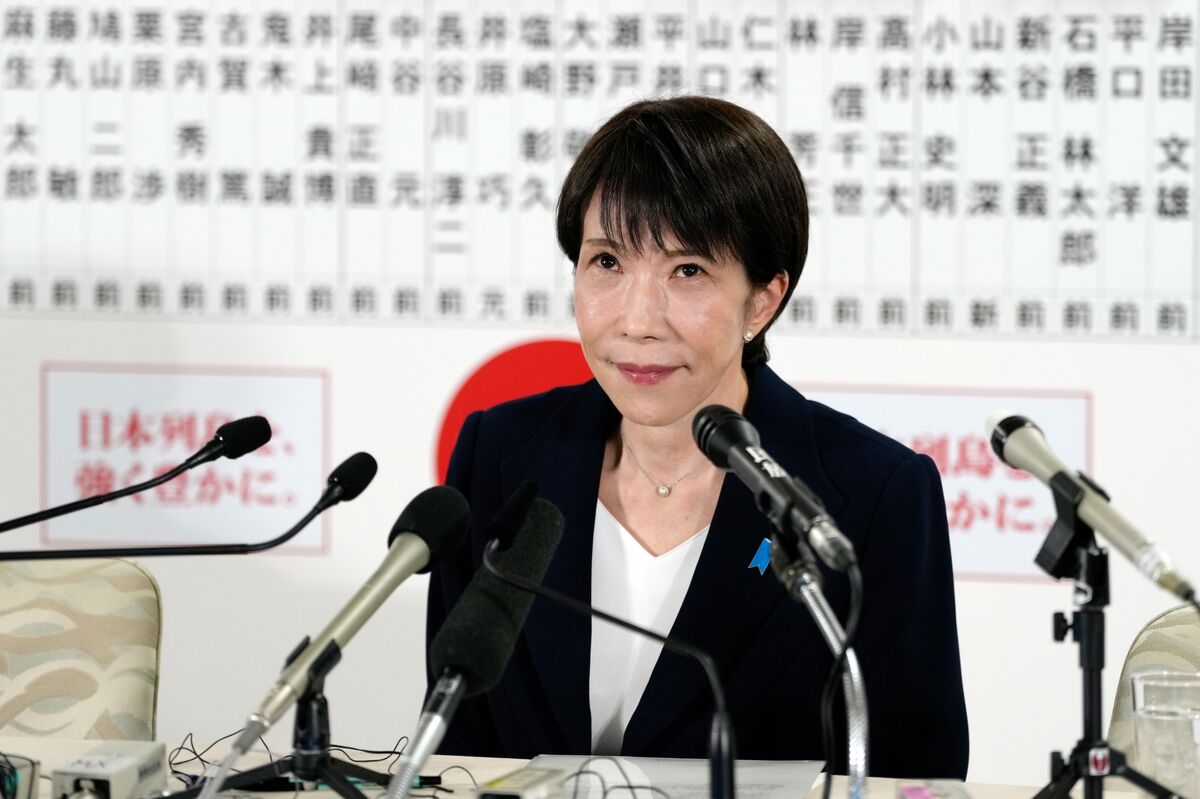
Sanae Takaichi at the Liberal Democratic Party headquarters in Tokyo, Japan, on Feb. 8.
Japanese voters went to the polls Sunday to deliver a verdict on Prime Minister Sanae Takaichi’s government as she seeks to shore up her grip on power and gain a clear mandate for spending and investment plans that have unsettled some investors.
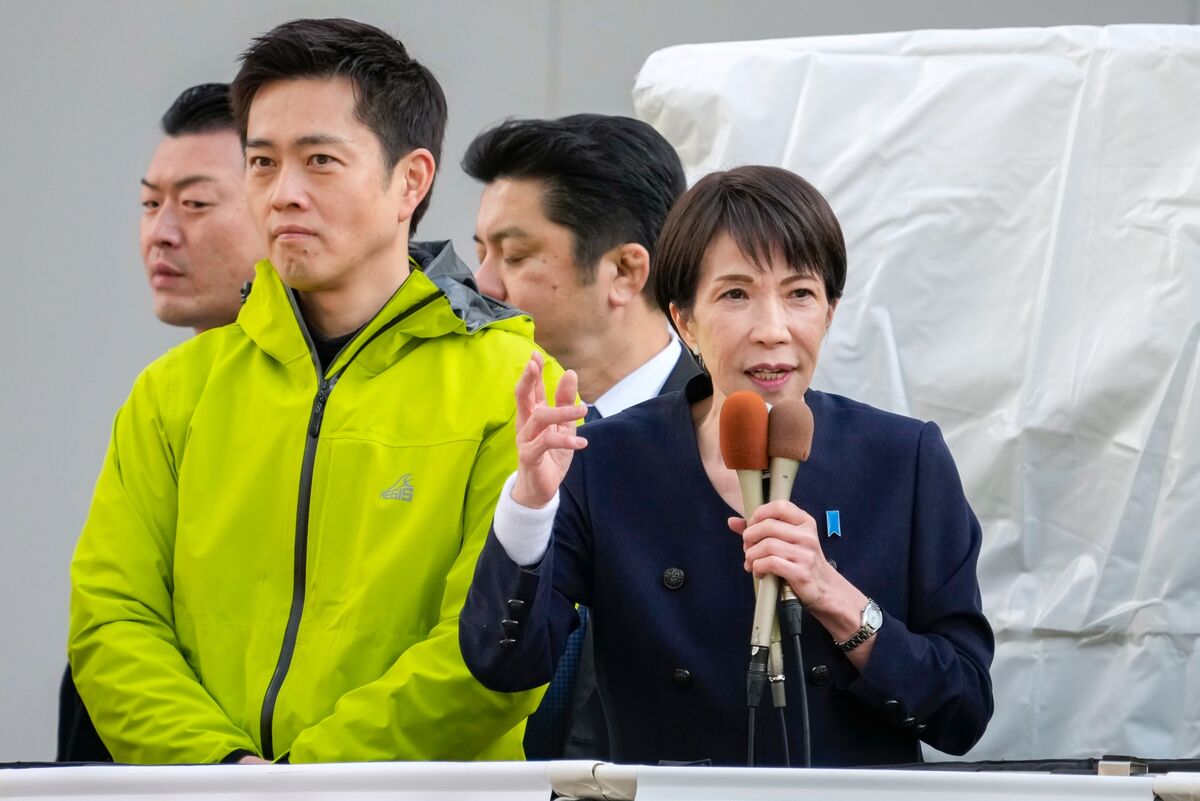
Sanae Takaichi, Japan's prime minister and president of the Liberal Democratic Party (LDP), speaks at an LDP election rally in Kawagoe, Saitama Prefecture, Japan, on Tuesday, Feb. 3, 2026. Traders are bracing for increased volatility as the Feb. 8 lower house election approaches.
Japanese Prime Minister Sanae Takaichi’s ruling Liberal Democratic Party is on track to win more seats in a snap election and may even secure a majority by itself in the lower house, according to early polls tracking voting trends.
Sanae Takaichi campaigns in Tokyo on Jan. 27. Photographer: Toru Hanai/Bloomberg
Japan’s Prime Minister Sanae Takaichi said that while a hypothetical US-China clash wouldn’t immediately mean Japan will take military action, Japan will respond within legal limits should the US be attacked during a joint operation.
Sanae Takaichi, right, during a campaign event in Tokyo on Jan. 27. Photographer: Toru Hanai/Bloomberg

 Anmelden