❌

Lese-Ansicht

Odd Lots: Iran War Redraws the Map for Natural Gas (Podcast)

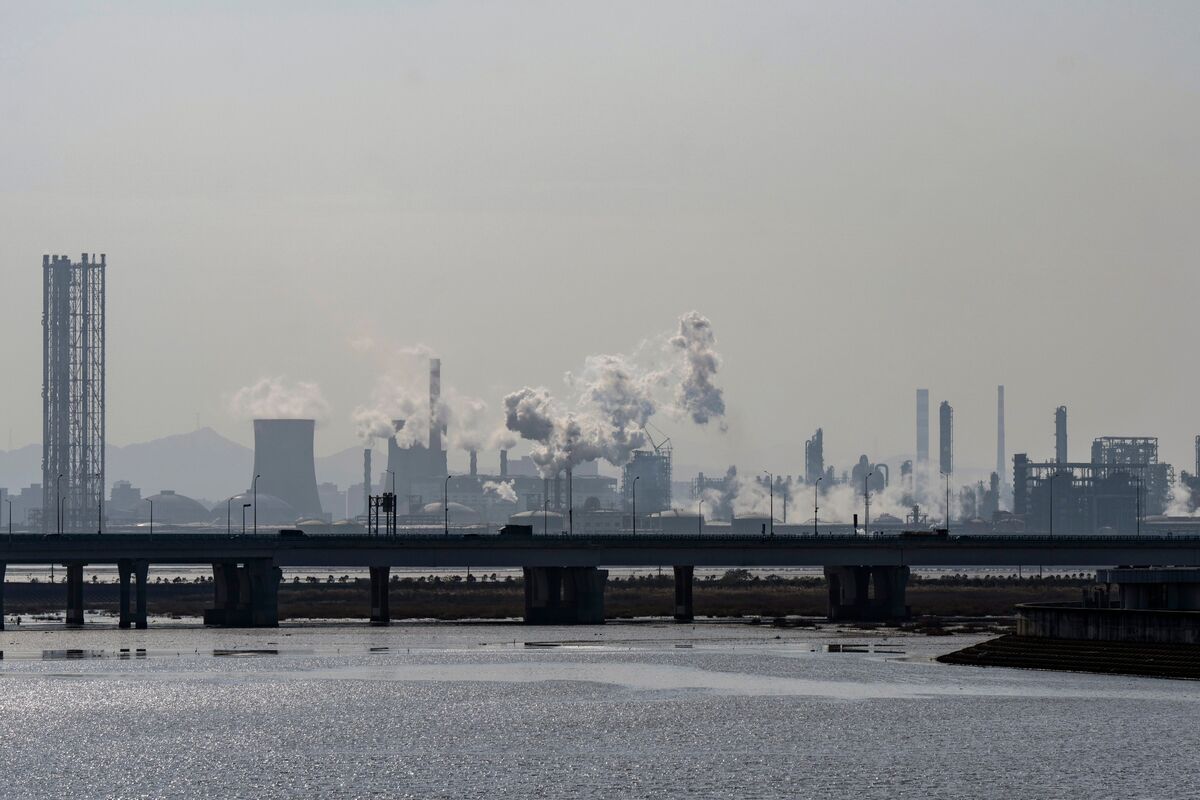
Mostly, the world has been watching the price of oil skyrocket amid the war in Iran and the de facto closure of the Strait of Hormuz. But there’s more than just oil that comes out of the region. Qatar is home to the world’s largest natural gas field, and for now, it’s been almost completely cut off from the rest of the world. Not only has Gulf gas supply been cut off, there’s also damage to the core infrastructure, which will take time to repair. Meanwhile, the US is rapidly becoming a natural g
  •  

Odd Lots: War in Iran and Its Impact on China’s Oil (Podcast)

In the wake of the war in Iran, oil prices have shot up for everyone. But not all oil is exactly equal. And, obviously, a lot of Iranian oil goes to China specifically. Furthermore, because Iran’s oil is sanctioned, a lot of it winds up at China’s so-called “teapot” refineries, which tend to be smaller and owned by independent companies. On the other hand, China has famously been building up its strategic petroleum stockpiles for years, and due to the rise of electric vehicles, they may have les
  •  

The Scramble Is On for Businesses to Get Their Tariff Refund Checks

Time to file your claims.

Ryan Petersen, chief executive officer of Flexport, participates in a panel discussion during the Milken Institute Global Conference in Beverly Hills, California, U.S., on Wednesday, May 4, 2022. The event convenes the best minds in the world to tackle its most urgent challenges and to help realize its most exciting opportunities. Photographer: Lauren Justice/Bloomberg
  •  

Odd Lots: The Scramble Is On for Tariff Refund Checks (Podcast)

Earlier this month, the Supreme Court ruled that Trump’s “Liberation Day” tariffs were illegal. And now basically every importer who paid those tariffs will be rushing to get their refunds. But will businesses actually get paid? And how do they file a claim? And should consumers get refunded if a business passed the cost of the tariffs on to them? On this episode, we’re rejoined by regular Odd Lots guest Ryan Petersen, the CEO of Flexport, a major freight forwarding company. We discuss how the e
  •  

<strong>Jamee Moudud on the Intellectual Roots of Zohranomics</strong>

How the heterodoxy became the heterodoxy.

Zohran Mamdani, mayor of New York, during an announcement on junk fees in the Susan and John Hess Family Theater at The Whitney Museum of American Art in New York, US , on Wednesday, Jan. 21, 2026. Mamdani announced rules that ban hotels from charging consumers hidden junk fees. Photographer: Adam Gray/Bloomberg
  •  

Why Adam Posen Thinks Inflation Will Surge Back to 4%

A very non-consensus call.

Adam Posen, president of the Peterson Institute for International Economics, during a Bloomberg Television interview at the Kansas City Federal Reserve's Jackson Hole Economic Policy Symposium in Moran, Wyoming, US, on Friday, Aug. 22, 2025. Federal Reserve Chair Jerome Powell carefully opened the door to an interest-rate cut in September, pointing to rising risks for the labor market even as worries over inflation remain. Photographer: David Paul Morris/Bloomberg
  •  

Odd Lots: Why Adam Posen Thinks Inflation Will Hit 4% (Podcast)

The future is always tough to predict, but generally when it comes to inflation, a lot of the debate is about how long it will take the Federal Reserve to get back to its 2% target. In other words, people generally agree on the direction, but disagree on the speed. But our guest on this episode violently disagrees with the consensus direction. Peterson Institute President Adam Posen thinks inflation will be back at 4% by the end of the year. He first unveiled his thesis in a piece co-written wit
  •  

Ricardo Hausmann Explains How the Venezuelan Economy Collapsed

Why re-invigorating the Venezuelan economy will be so difficult.

Ricardo Hausmann, Venezuela National Assembly leader Juan Guaido's representative to the Inter-American Development Bank (IDB), listens during a Bloomberg Television interview in New York, U.S., on Friday, April 5, 2019. The bank passed a motion Friday to certify Hausmann, a Harvard University economist and longtime critic of Nicolas Maduro's regime, as the nation's IDB governor.
  •  

Odd Lots: How the Venezuelan Economy Collapsed (Podcast)

Ricardo Hausmann is a professor at the Harvard Kennedy School and the director of Harvard’s Growth Lab. We’ve talked to him multiple times in the past about the necessary preconditions for economies to grow and thrive. But in addition to his academic work, Hausmann was previously a policymaker in Venezuela, including a stint at the country’s central bank prior to the election of Hugo Chavez. In this conversation, we talk about how Venezuela went from being the largest oil exporter in the world (
  •  

Lots More With Charlie McElligott on the SaaSpocalypse (Podcast)

This week has been a pretty wild one in markets. Some of the most popular trades of recent years — like going long software, crypto, or gold — suddenly collapsed. Of course, there are plenty of things you can point to as the proximate cause of the selloff. AI is now an existential threat to SaaS. Bitcoin has seen some unflattering headlines. The nomination of Kevin Warsh as the next Federal Reserve chair stalled the debasement trade. But the way the market functions has also changed enormously,
  •  

Odd Lots: A Look Inside a Fed Research Conference (Podcast)

Every year, regional Federal Reserve banks host some of the most substantive — and under-the-radar — events in the central banking world: research conferences. Behind the formal papers and dense macro models, this is where much of the Fed’s intellectual groundwork for monetary policy first starts to take shape. On this episode, we take you inside the Boston Fed’s 69th annual Economic Conference to hear what the economists are actually debating, how they choose the questions that matter most, and
  •  

What Susan Collins Wants to See Before Supporting Another Rate Cut

The Boston Fed president assesses the macro environment.
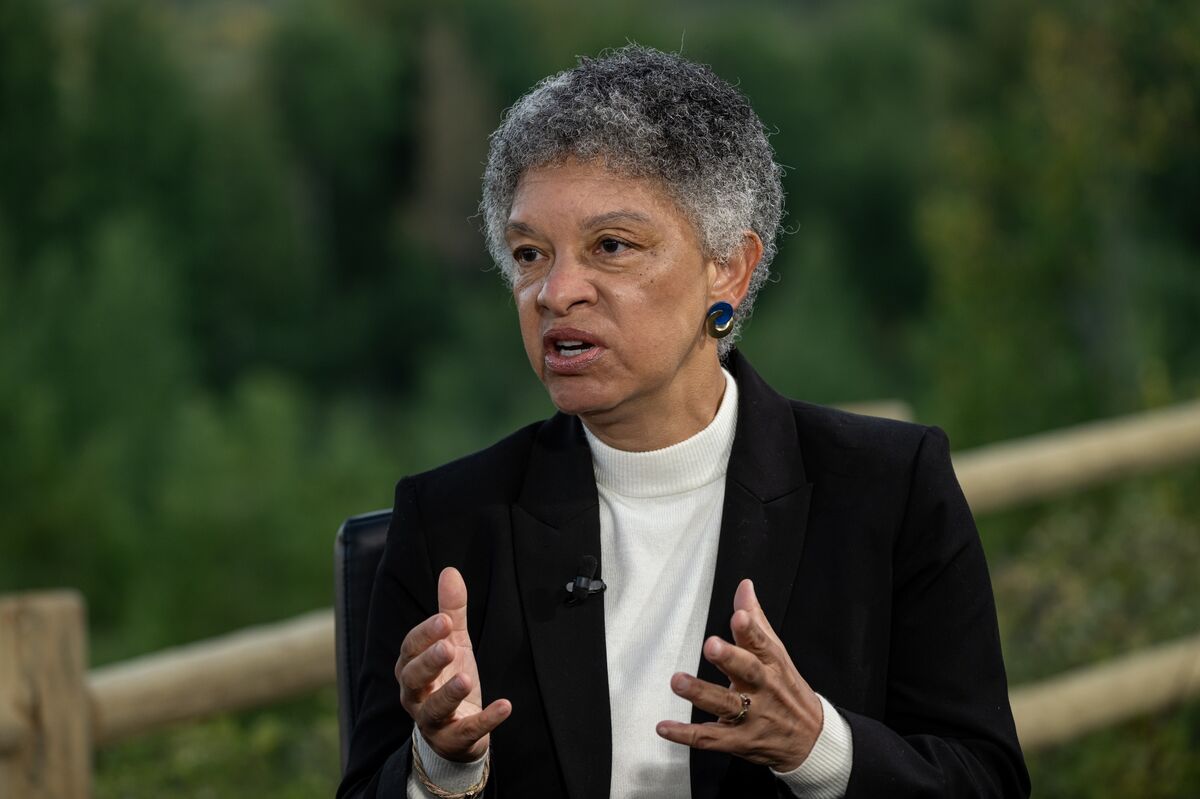
Susan Collins, president and chief executive officer of the Federal Reserve Bank of Boston, during a Bloomberg Television interview at the Kansas City Federal Reserve's Jackson Hole Economic Policy Symposium in Moran, Wyoming, US, on Friday, Aug. 22, 2025. Federal Reserve Chair Jerome Powell carefully opened the door to an interest-rate cut in September, pointing to rising risks for the labor market even as worries over inflation remain. Photographer: David Paul Morris/Bloomberg
  •  

Odd Lots: Fed’s Collins on the Chances for Another Cut (Podcast)

In early November, it looked like almost a sure thing that the Federal Reserve would cut rates. Since then, the odds have come in dramatically, as a number of FOMC members have been talking about persistent inflationary pressures. One such voice has been Susan Collins, the president of the Boston Fed. On this episode, she explains her thinking as to why, right now, she’s more concerned about inflation than she is about the labor market, and she tells us what she’d like to see before supporting a
  •  
❌