Bank of Japan Governor Kazuo Ueda kept his policy options open and cooled expectations of an interest rate hike later this month by signaling a more cautious stance on the impact of the US-Iran conflict.
The Bank of Japan will probably increase its benchmark rate this month to avoid falling behind on controlling inflation, according to a former executive director at the central bank.
Cherry trees in bloom in front of the Bank of Japan headquarters in Tokyo, Japan, on Friday, March 27, 2026. Tokyo inflation cooled to its slowest pace in nearly two years as gains in food costs continued to slow, with prospects for higher energy prices owing to the war in Iran likely to keep the Bank of Japan on track for further rate increases.
The Bank of Japan avoided fueling market expectations over the likelihood of a rate hike this month by keeping its signaling from two quarterly regional economic reports highly nuanced.
Cherry trees in bloom in front of the Bank of Japan headquarters. Photographer: Ko Tsuchiya/Bloomberg
The Bank of Japan’s messaging has given traders the impression it will raise the benchmark rate this month even as authorities cite the Middle East conflict as a source of uncertainty, with a key question being whether it will send a clear signal, as it did on recent occasions before a move.
The war in Iran is raising upside risks for inflation, bolstering the case for the Bank of Japan to raise interest rates as soon as this month, according to a former BOJ chief economist.
Toshitaka Sekine, Bank of Japan chief economist. Source: Toshitaka Sekine
The Bank of Japan’s newly appointed board member Toichiro Asada played it safe at his first press briefing by indicating he would focus on data rather than emphasizing his existing views on monetary policy.
Toichiro Asada on April 1. Photographer: Akio Kon/Bloomberg
Japan’s large manufacturers showed greater confidence in the state of business conditions for a fourth straight quarter even as the Middle East crisis erupted, an outcome that supports the Bank of Japan’s policy stance of continuing to raise interest rates.
The Bank of Japan’s policy board presented a hawkish posture in a summary of opinions aired during their meeting earlier this month, with one member hinting at the possibility of having to respond to the Middle East conflict with a bigger rate hike than those recently undertaken.
Japan’s key inflation gauge slowed more than expected to its weakest pace in nearly four years as utility subsidies cooled energy costs, with the recent surge in oil prices likely to fuel a resurgence in coming months.
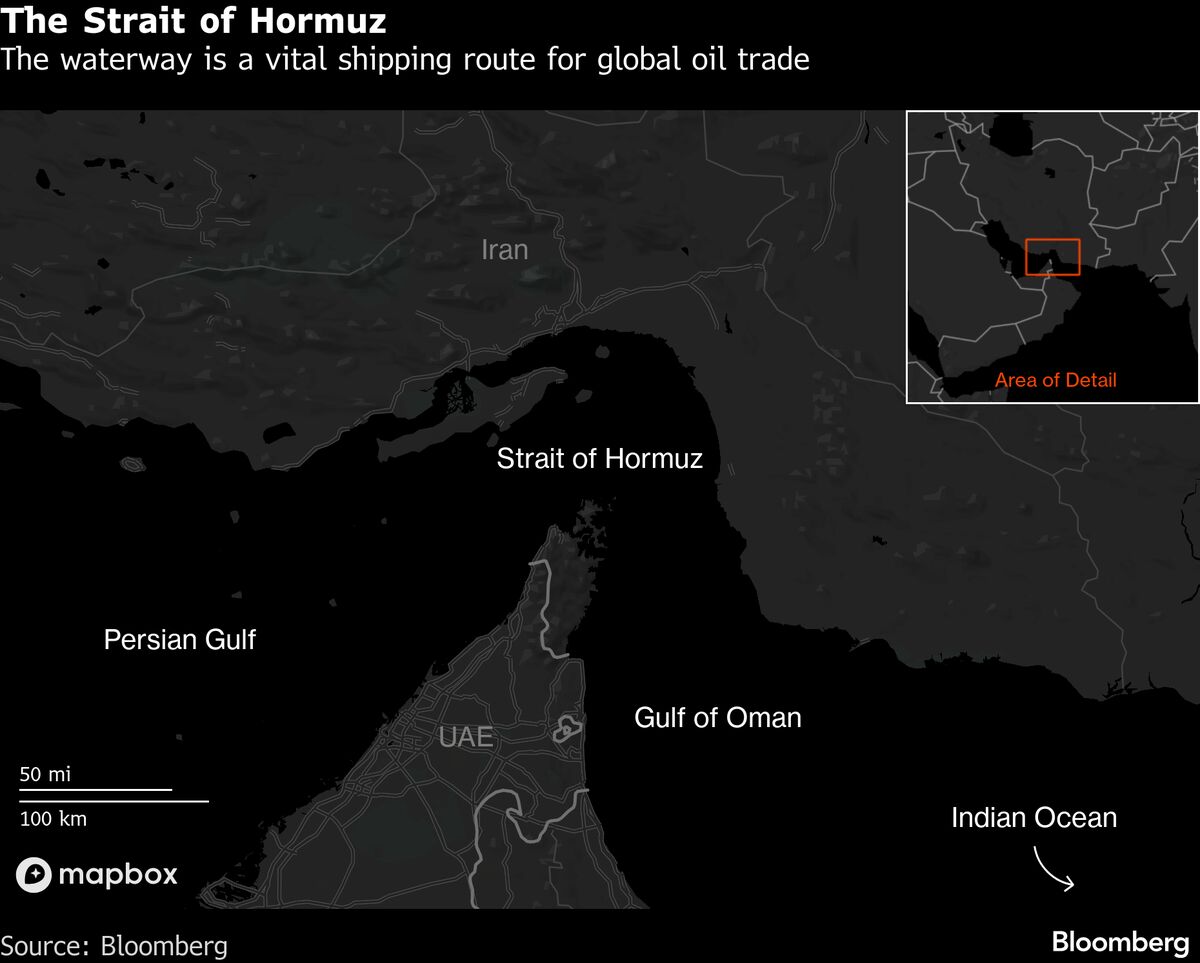
The effective closure of the Strait of Hormuz — entering its fourth week as conflict in the region deepens — is piling pressure on the US administration and on major importers of oil, gas and fuels from the Persian Gulf, prompting them to scramble for solutions.
Bank of Japan Governor Kazuo Ueda kept the possibility of an April interest rate hike on the table after leaving policy unchanged Thursday amid uncertainty over the impact of the Middle East conflict on the economic outlook.
The Bank of Japan is widely expected to keep its benchmark rate unchanged on Thursday as soaring oil prices are set to complicate efforts for the central bank to reach its 2% stable inflation target.
A Japanese national flag flies outside the Bank of Japan (BOJ) headquarters in Tokyo, Japan, on Wednesday, March. 8, 2023. The Bank of Japan will conclude Governor Haruhiko Kuroda’s final meeting Friday, with global investors remaining on high alert for a surprise parting shot from Kuroda that may jolt financial markets around the world.
A policy hold by the Bank of Japan this week is a foregone conclusion for most economists, but the deliberations will still be highly significant as authorities start to mull whether surging oil prices might warrant preemptive action to keep inflation from overheating.
After holding policy settings steady next week, the Bank of Japan will likely raise its benchmark interest rate in April, according to more than a third of surveyed economists.
The Bank of Japan (BOJ) headquarters in Tokyo, Japan, on Friday, Jan. 23, 2026. The Bank of Japan maintained its benchmark rate and issued higher inflation forecasts that leave scope for its next hike to come earlier than the expected timing of summer.
The surge in oil prices combined with a sagging yen raises the risk that Japan will slide into stagflation, prompting the government to ramp up fiscal spending while complicating the central bank’s mission to normalize its policy settings.
Japanese 10,000-yen banknotes arranged in Kyoto, Japan, on Tuesday, Jan. 27, 2026. The yen is now hovering around its strongest level since October after comments from Japanese officials fueled speculation that the government may intervene in the market to prevent the currency from resuming its slide. Photographer: Kentaro Takahashi/Bloomberg
There is still a 50% chance the Bank of Japan will raise its benchmark rate next month after a hold in March even after the conflict in Iran generated new uncertainties, according to a former BOJ executive director who oversaw monetary policy.
Bank of Japan officials are still on track to raise interest rates, with the possibility of April not ruled out, as they continue to monitor the implications of Middle East tensions for Japan’s economy, according to people familiar with the matter.
Kazuo Ueda at the lower house of parliament in December. Photographer: Kiyoshi Ota/Bloomberg
Bank of Japan Governor Kazuo Ueda warned that the Middle East conflict could have a major impact on the nation’s economy, in comments likely to firm up investor expectations that authorities will hold policy steady when they meet later this month.
Bank of Japan Deputy Governor Ryozo Himino refrained from dropping any clear hints pointing to an imminent interest rate increase, reinforcing financial market expectations that authorities will stand pat this month after a conflict erupted in the Middle East over the weekend.

 Anmelden