Frustrated by Iran’s unwillingness to give up its stranglehold over the Strait of Hormuz, US President Donald Trump is trying to force the issue. The US military announced that it had imposed a full blockage of Iran’s southern coastline, including traffic from there through the Strait of Hormuz, as of April 13.
A satellite view of the Strait of Hormuz in the Persian Gulf, on April 9.
Two sanctioned supertankers laden with Iranian crude have dropped anchor off Indian ports, marking what could be the first such cargoes to arrive in the country in nearly seven years, just as the US escalates efforts to curb Tehran’s exports.
The Felicity (in blue) and Jaya (white) both signaled over the weekend that they’re outside Indian ports, laden with Iranian crude, ship-tracking data show.
Two empty crude tankers attempted to make their way through the Strait of Hormuz and into the Persian Gulf on Sunday, only to make last-minute U-turns just as peace negotiations between the US and Iran broke down, threatening a fragile ceasefire.
Two Japanese crude tankers are heading east along the Persian Gulf in the direction of the Strait of Hormuz, adding to a growing number of vessels gathered at the entrance to the waterway during a US-Iran ceasefire, even as President Donald Trump ramps up criticism and transits remain limited.
Vessels have been gathering near the Strait of Hormuz since a US-Iran ceasefire was announced.
Two fully laden Chinese oil tankers are waiting near the Strait of Hormuz with a third on its way, putting them in a position to become the first such vessels to leave the Persian Gulf under a day-old US-Iran ceasefire, even as shipowners scrutinize the details of the truce.
An oil tanker is docked unloading crude oil at the port in Qingdao, in China's eastern Shandong province, on April 7, 2026. (Photo by CN-STR / AFP via Getty Images) / China OUT
Shipowners are rushing to understand the fine print of a US-Iran ceasefire that could temporarily unblock the Strait of Hormuz and, at least in theory, provide an exit window for more than 800 vessels trapped in the Persian Gulf.
Traffic through the Strait of Hormuz has climbed to its highest levels since the early days of the war, as more countries secure apparent safe-passage agreements with Iran.
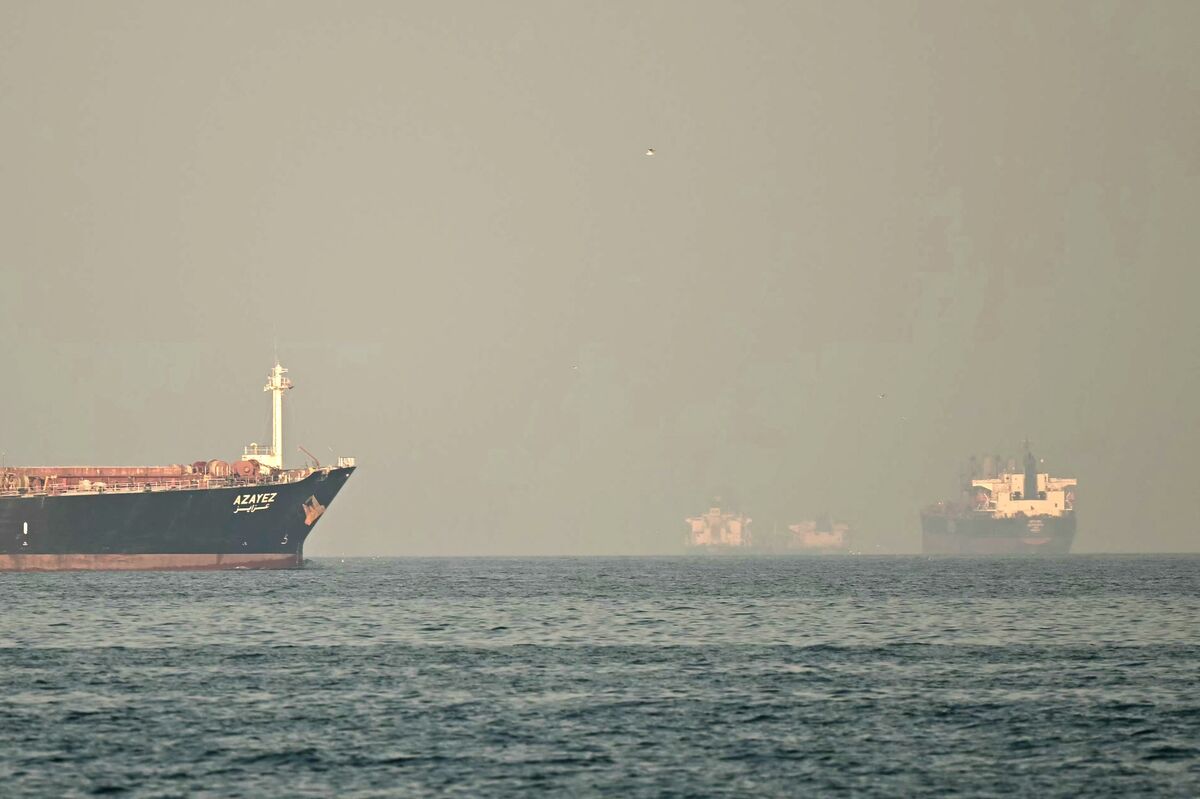
A vessel near the Strait of Hormuz on March 22, 2026. Photographer: Getty Images/Getty Images Europe
Of all the things Donald Trump has done to disrupt global commerce, from levying punitive tariffs to tearing up trade deals, few would be as consequential as withdrawing and leaving the rest of the world to secure the Persian Gulf.
Oil tankers and cargo ships line up in the Strait of Hormuz on March 11. Photographer: Altaf Qadri/AP Photo
An Iranian drone hit a fully laden Kuwaiti oil tanker off Dubai early on Tuesday in one of the most significant attacks on a vessel in a month of war, pushing crude prices higher and heightening tension around the vital Strait of Hormuz.
Israel and US strikes have wiped out senior Iranian leaders and hit key targets across the country. But after a month of fighting, it is arguably Iran that has secured the most significant strategic victory — a tightening grip over traffic through the Strait of Hormuz.
Two more India-bound tankers carrying liquefied petroleum gas have exited the Persian Gulf via the Strait of Hormuz, adding to the trickle of vessels making it through the narrow waterway.
The emerging shortages in LPG tanker capacity contrast with gluts across most of the rest of the merchant fleet.
Vessels seeking to transit the Strait of Hormuz under Iranian protection are being asked to provide lists of crew and cargo, along with voyage details and bills of lading, in order to secure a green light from the Islamic Revolutionary Guard Corps.
Rates charged by shipowners to ferry Saudi crude from the Red Sea to Asia have plummeted in the last weeks, as more tankers arrive at the port of Yanbu to haul flows diverted by the closure of the Strait of Hormuz.
The effective closure of the Strait of Hormuz — entering its fourth week as conflict in the region deepens — is piling pressure on the US administration and on major importers of oil, gas and fuels from the Persian Gulf, prompting them to scramble for solutions.
Iran has been moving its crude through the Strait of Hormuz at rates broadly comparable to transit before the war began, making the most of its control of the vital waterway as other exporters falter.
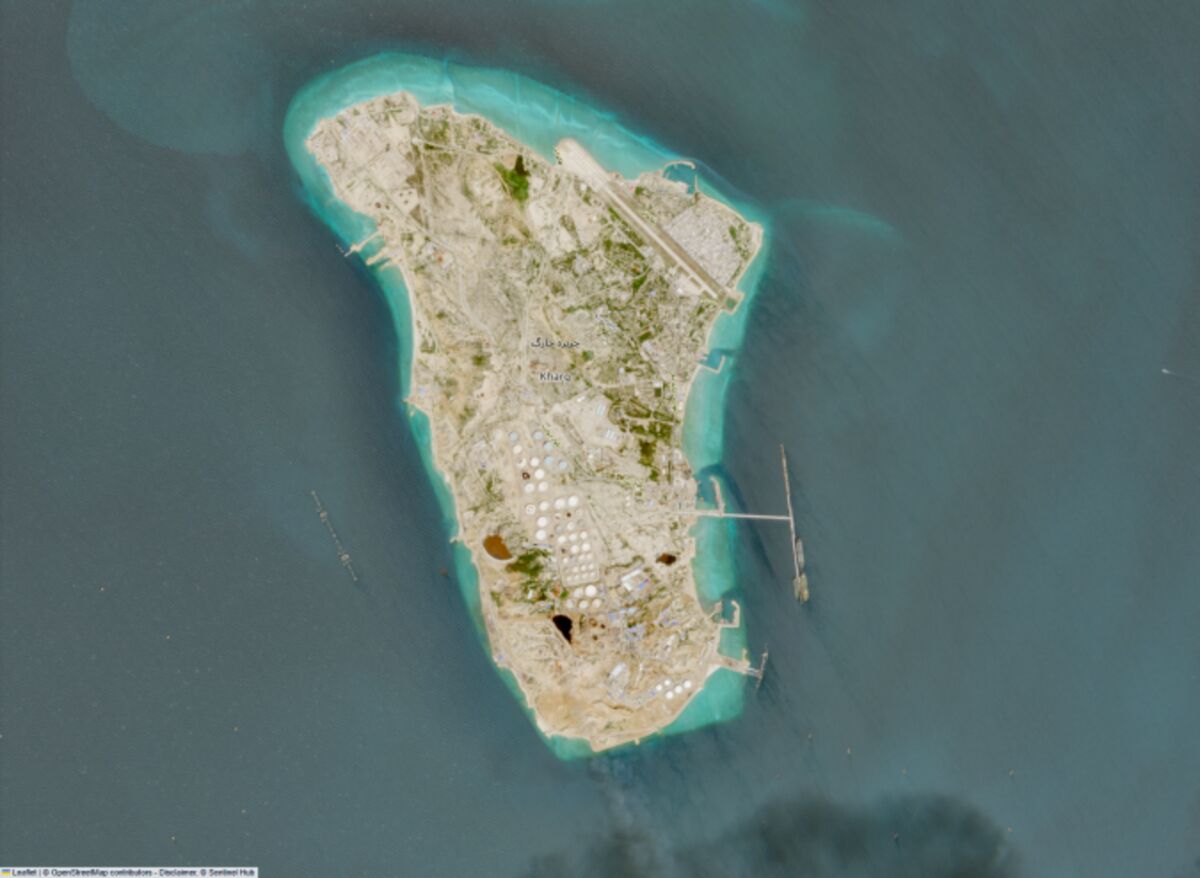
In this March 17 satellite image of Iran's Kharg Island, three ships can be seen docked at the oil-export hub's terminal in the lower right.
A Hong Kong-owned bulk carrier has just entered the Persian Gulf via the Strait of Hormuz, a rare occurrence at a time when only a handful of vessels are safely transiting the waterway, most of them with Iran’s approval.
Bulk carrier Jia Xiang Da was seen transiting the Strait of Hormuz. By Tuesday morning it was in the Persian Gulf.
A Pakistani tanker earlier this week became the latest vessel to sail out through the Strait of Hormuz by hewing closely to the Iranian coast, suggesting an approved route that points to Tehran’s tightening grip on the narrow waterway — even as the US seeks to assert control.
Iran is making the most of its geographic advantage in the Strait of Hormuz, forcing energy buyers to negotiate for safe transit and pushing the US to demand help from other nations to secure a reopening that — even in the best case — could take weeks.
The damaged Mayuree Naree bulk carrier near the Strait of Hormuz on March 11. Source: Royal Thai Navy
The United Arab Emirates suspended loading operations at the key oil-trading hub of Fujairah after a drone strike and fire on Saturday, demonstrating the vulnerability of the country’s only export route while the Strait of Hormuz is blocked.
TOPSHOT - Smoke rises from the direction of an energy installation in the Gulf emirate of Fujairah on March 14, 2026. Smoke could be seen rising from the direction of a major UAE energy installation on March 14, in what appeared to be the latest strike targeting the Gulf's petroleum facilities hours after the US struck Iran's Kharg Island. (Photo by AFP via Getty Images) /
A deepening energy crunch across Asia is impacting all corners of the oil market, with suppliers of everything from shipping fuel to cooking gas beginning to cut back on sales in order to manage shrinking stockpiles.

 Anmelden