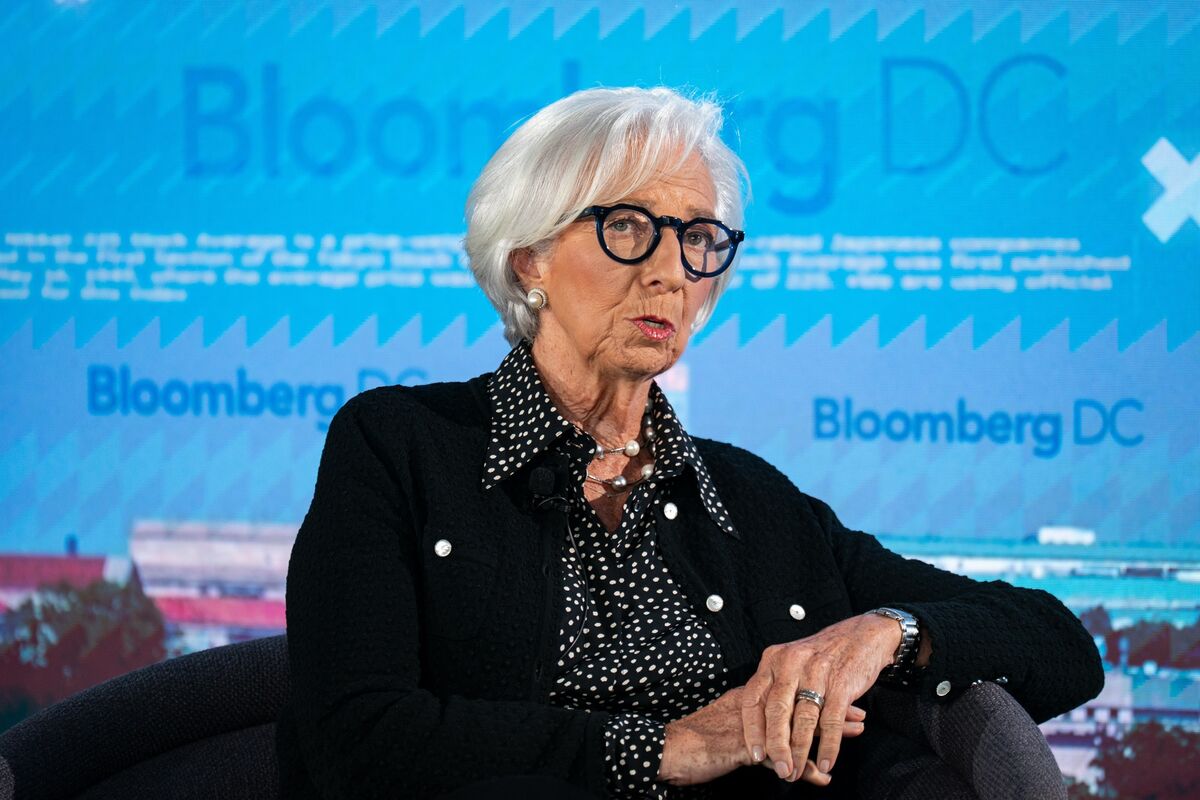
President Christine Lagarde said an early exit from the European Central Bank isn’t currently an option for her in the face of the economic crisis brought on by the Iran war.
Christine Lagarde during an interview in Washington on April 14. Photographer: Al Drago/Bloomberg
European Central Bank President Christine Lagarde welcomed signals from Hungary’s incoming leadership that they would take steps to join the euro zone, which she called the natural path for the European Union’s members.
Christine Lagarde during an interview in Washington, DC, on April 14. Photographer: Al Drago/Bloomberg
European Central Bank President Christine Lagarde praised Anthropic PBC for limiting the release of its latest artificial intelligence model, and called for greater safeguards on the technology.
Christine Lagarde during an interview in Washington on April 14. Photographer: Al Drago/Bloomberg
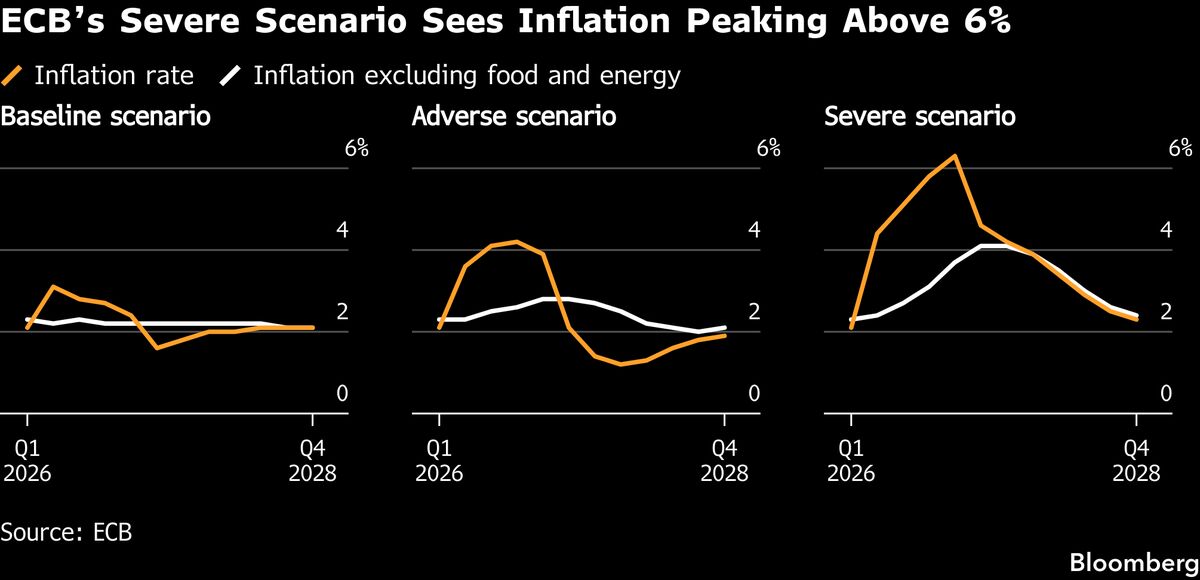
President Christine Lagarde said higher energy costs have pushed the euro zone away from the European Central Bank’s base-case outlook, though not enough yet to warrant leaning toward raising interest rates.
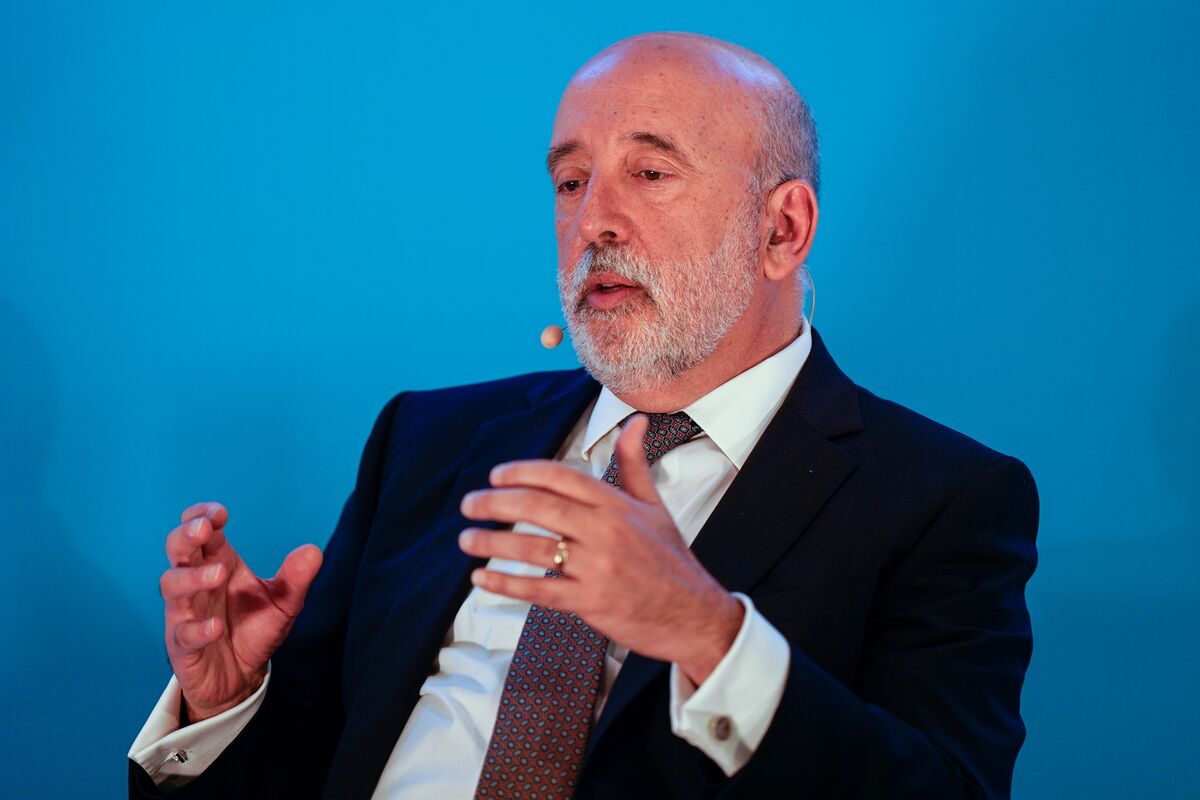
European Central Bank Governing Council member Gabriel Makhlouf didn’t rule out an increase in interest rates next month should data signal the need for such a step, though said it’s impossible to commit with uncertainty so high.
Gabriel Makhlouf Photographer: Paulo Nunes dos Santos/Bloomberg
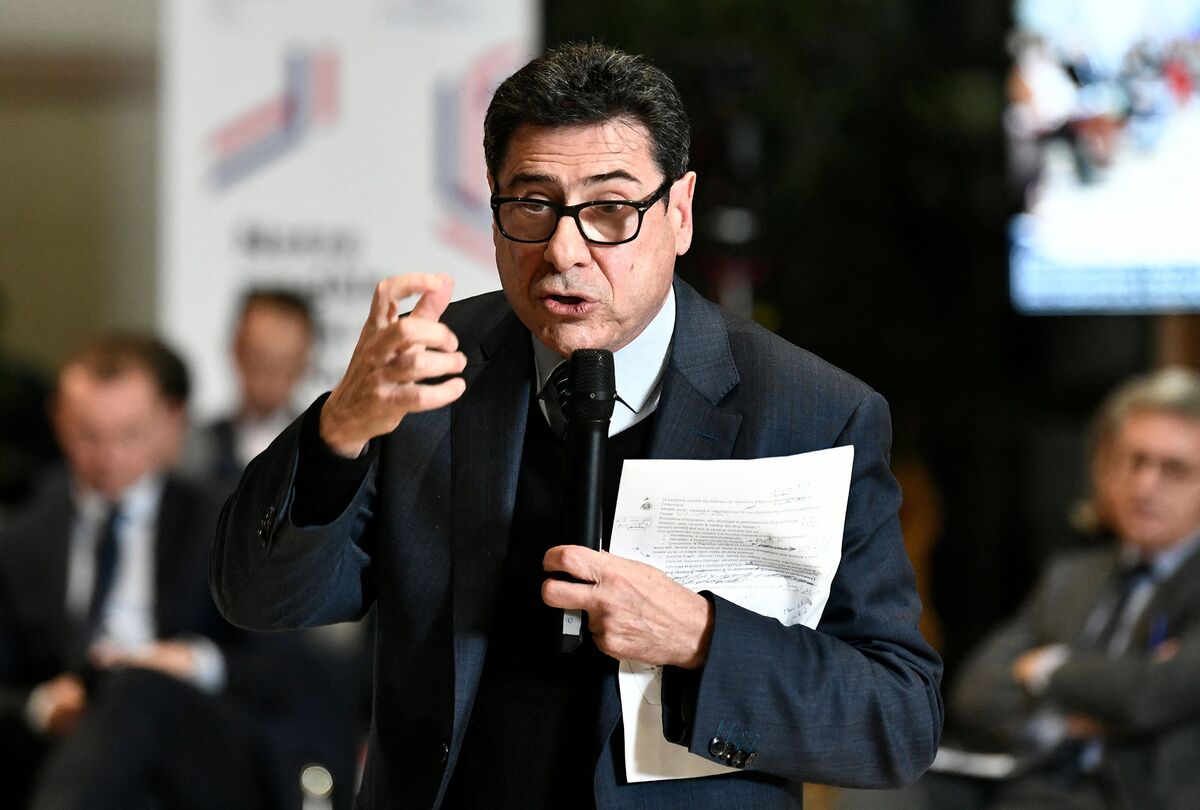
Europe must do more to foster innovation and stop leaning on other parts of the world for technological advancement, according to Philippe Aghion, who jointly won the 2025 Nobel Prize for economics.
Philippe Aghion Photographer: Stephane de Sakutin/AFP/Getty Images
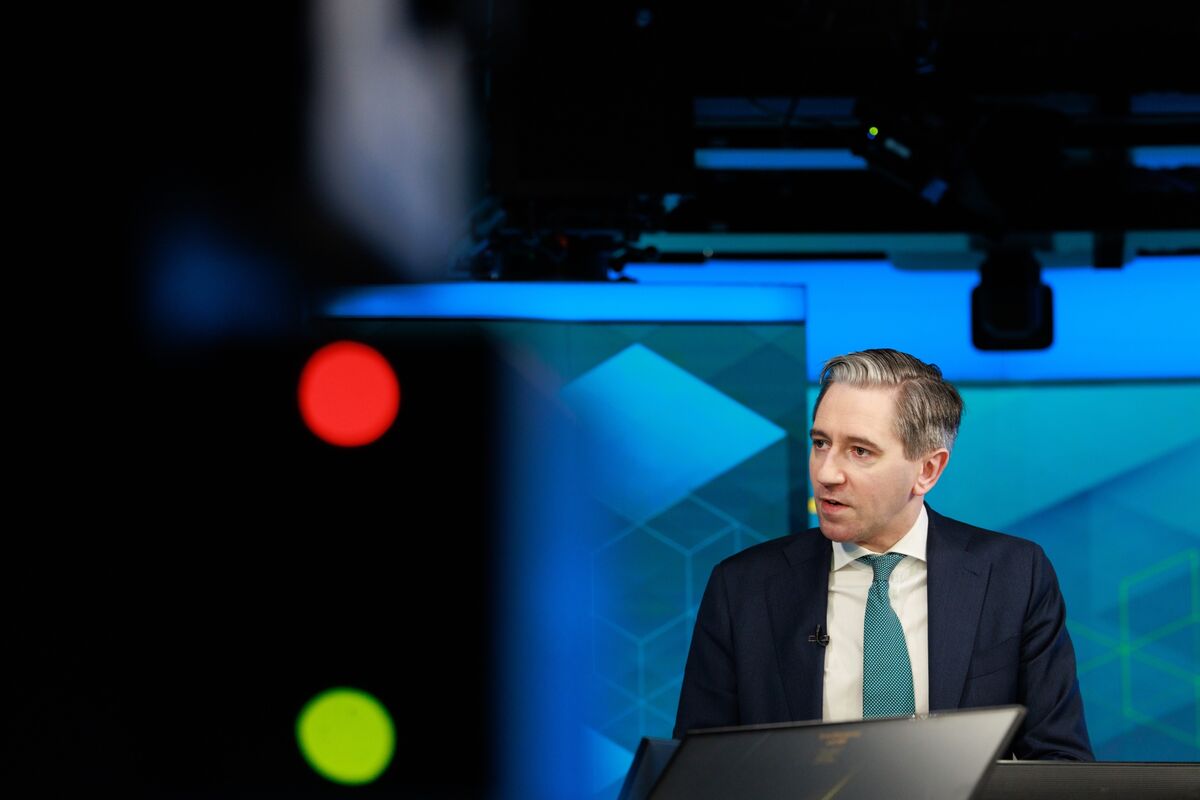
Ireland’s finance minister, Simon Harris, said there are risks of a surge in inflation from the spike in energy prices and the Iran conflict is a “sharp wake-up call” for Europe to become more energy independent.
Simon Harris during a Bloomberg Television interview in London, on March 16. Photographer: Jason Alden/Bloomberg
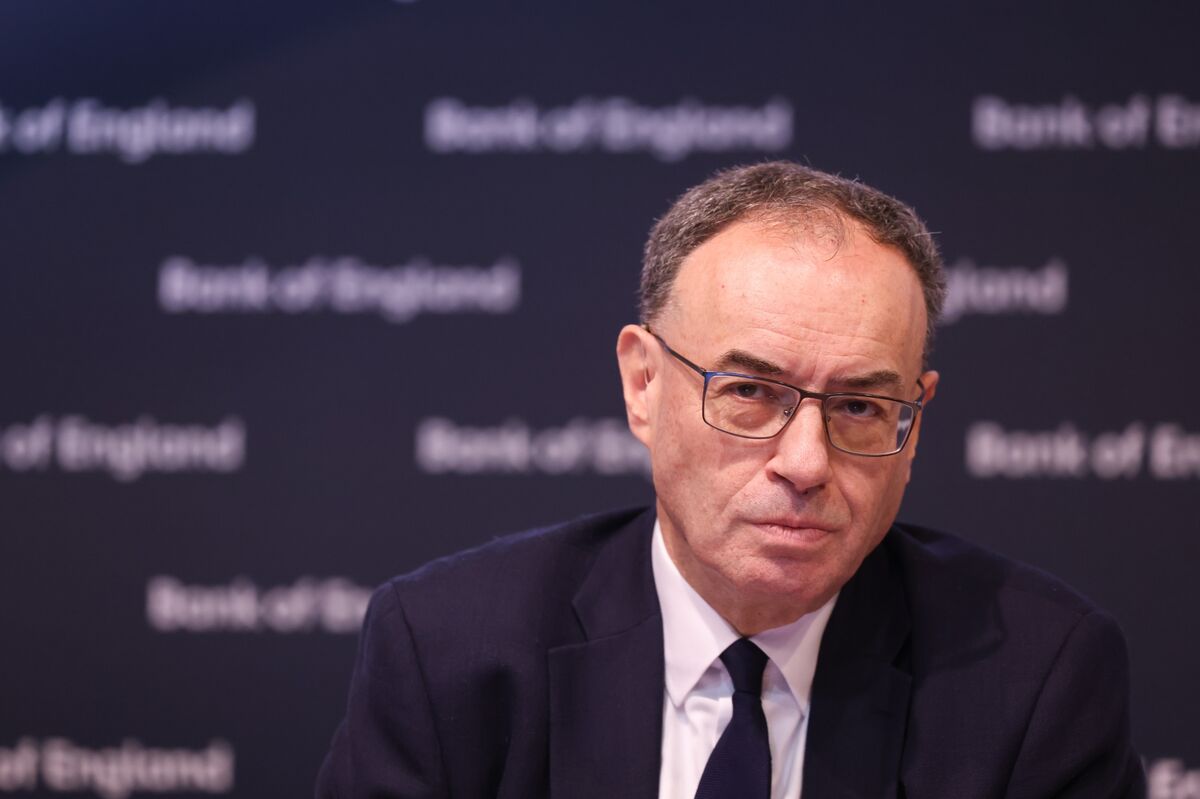
Bank of England Governor Andrew Bailey appeared to endorse markets betting on a 50% chance of an interest-rate cut in March after a more dovish-than-expected decision to maintain the cost of borrowing this month.
Andrew Bailey at the Bank of England news conference, on Feb. 5. Photographer: Chris Ratcliffe/Bloomberg
The head of the World Trade Organization said the rapid acceleration of artificial intelligence may underpin global merchandise trade this year, helping overcome US tariff headwinds and lead to higher overall growth than currently projected.
Cabinets housing servers inside a data hall at a NextDC Ltd. data center in Sydney, Australia, on Monday, Dec. 8, 2025. OpenAI partnered with Australian data center operator NextDC to build a A$7 billion ($4.6 billion) large-scale computing cluster in Sydney, accelerating its expansion in the Asia-Pacific region. Photographer: Brent Lewin/Bloomberg
South African Finance Minister Enoch Godongwana ruled out any major tax changes in next month’s budget and stressed the importance of keeping fiscal consolidation on track.
Enoch Godongwana in Davos, on Jan. 23. Photographer: Chris J. Ratcliffe/Bloomberg
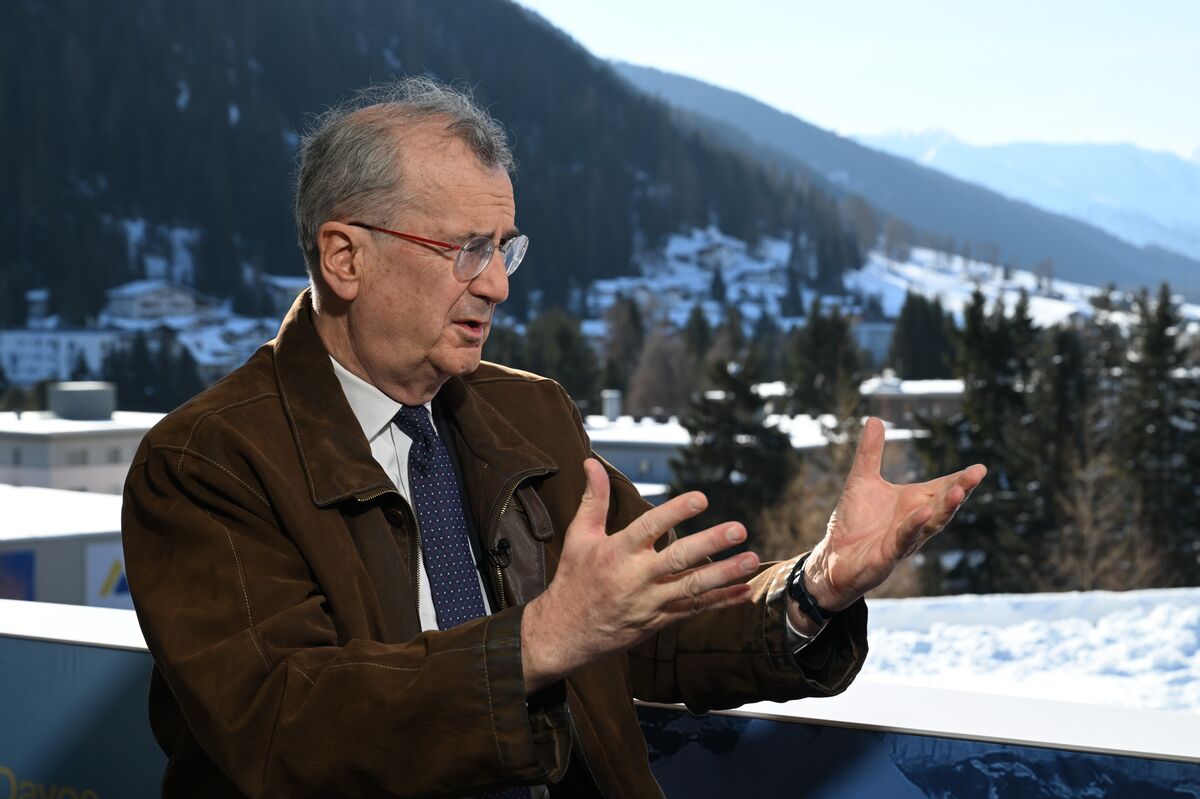
Escalating transatlantic trade tensions won’t have much impact on the inflation outlook, according to European Central Bank Governing Council member Francois Villeroy de Galhau.
Francois Villeroy de Galhau in Davos, on Jan. 20. Photographer: Chris J. Ratcliffe/Bloomberg
Switzerland’s top trade diplomat expressed her country’s heartfelt desire for UBS Group AG not to move abroad.
Helene Budliger Artieda, director of Switzerland's State Secretariat for Economic Affairs (SECO), following an interview in London, UK, on Friday, March 28, 2025. Switzerland is close to securing a 15% tariff on its exports to the US, in what would be a relief for the country after it was hit with a punishing 39% levy in August, according to people familiar with the matter. Photographer: Jaimi Joy/Bloomberg

 Anmelden