Volatility in US Treasuries jumped to a nine-month high as the Iran war fanned inflation concerns and upended traders’ expectations on the Federal Reserve’s policy path.
South Korea’s tumbling won looks set for further declines as higher energy prices threaten growth in the world’s eighth-largest oil consumer, according to forecasters at some of the biggest global banks.
The dollar dropped against all its major peers as investors ramped up bets on Federal Reserve interest-rate cuts following fresh signs of weakness in the US economy.
By asking Fannie Mae and Freddie Mac to purchase $200 billion in mortgage bonds, US President Donald Trump is showing once again his determination to keep down key market interest rates and, indirectly, apply pressure to the Federal Reserve.
The Federal Reserve may have to turn to quantitative easing to lower long-term borrowing costs if bond markets start to question the independence of the next chairman, according to Man Group.
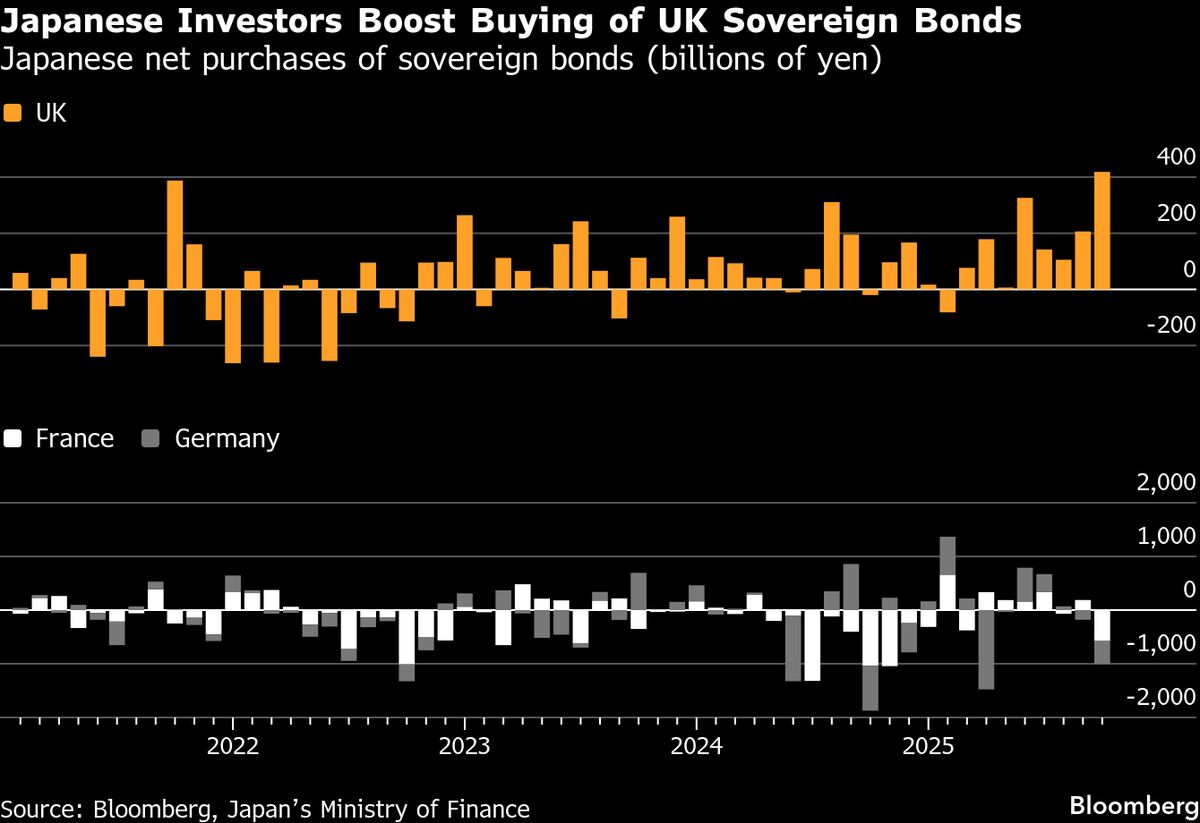
Japanese investors bought the largest amount of UK sovereign bonds in over four years in October as they expected a potential Bank of England interest-rate cut to boost the debt.
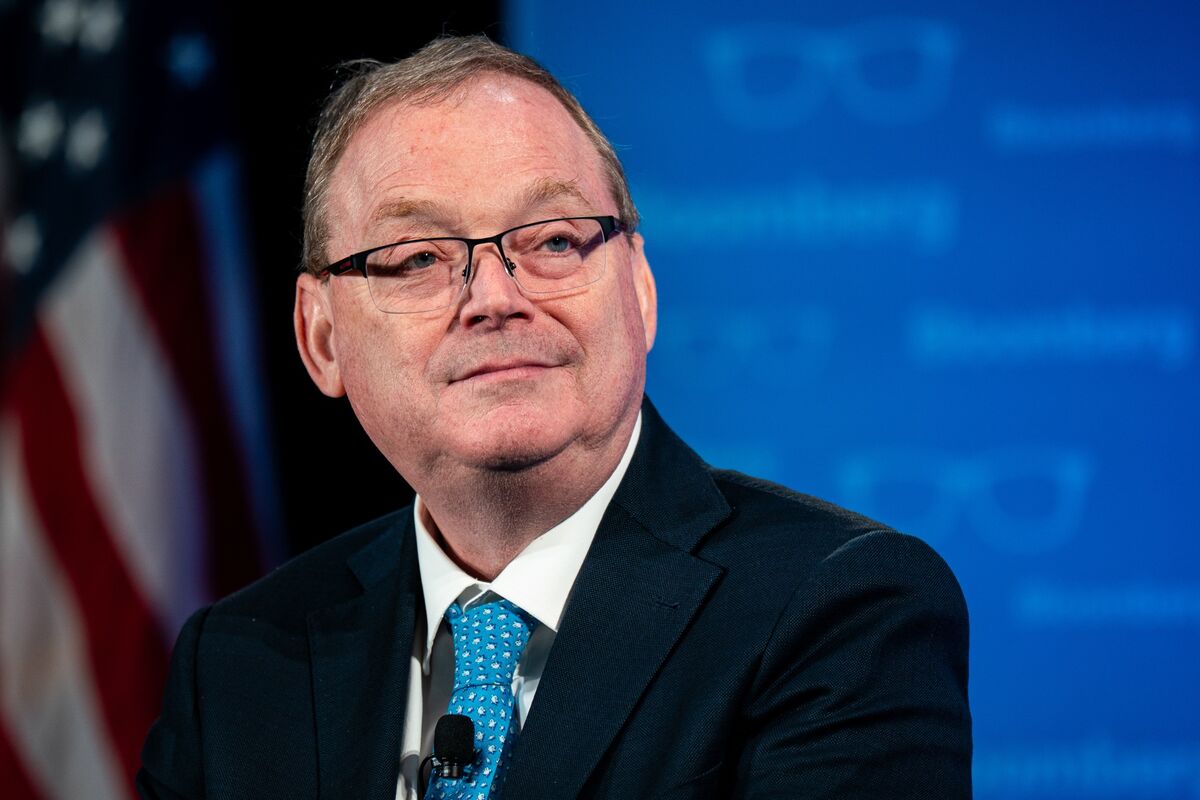
Kevin Hassett may not have the ability to deliver the rapid pace of interest rate cuts US President Donald Trump would like even if he is approved as the next Federal Reserve Chair, said Gregory Peters, co-chief investment officer at PGIM Fixed Income.
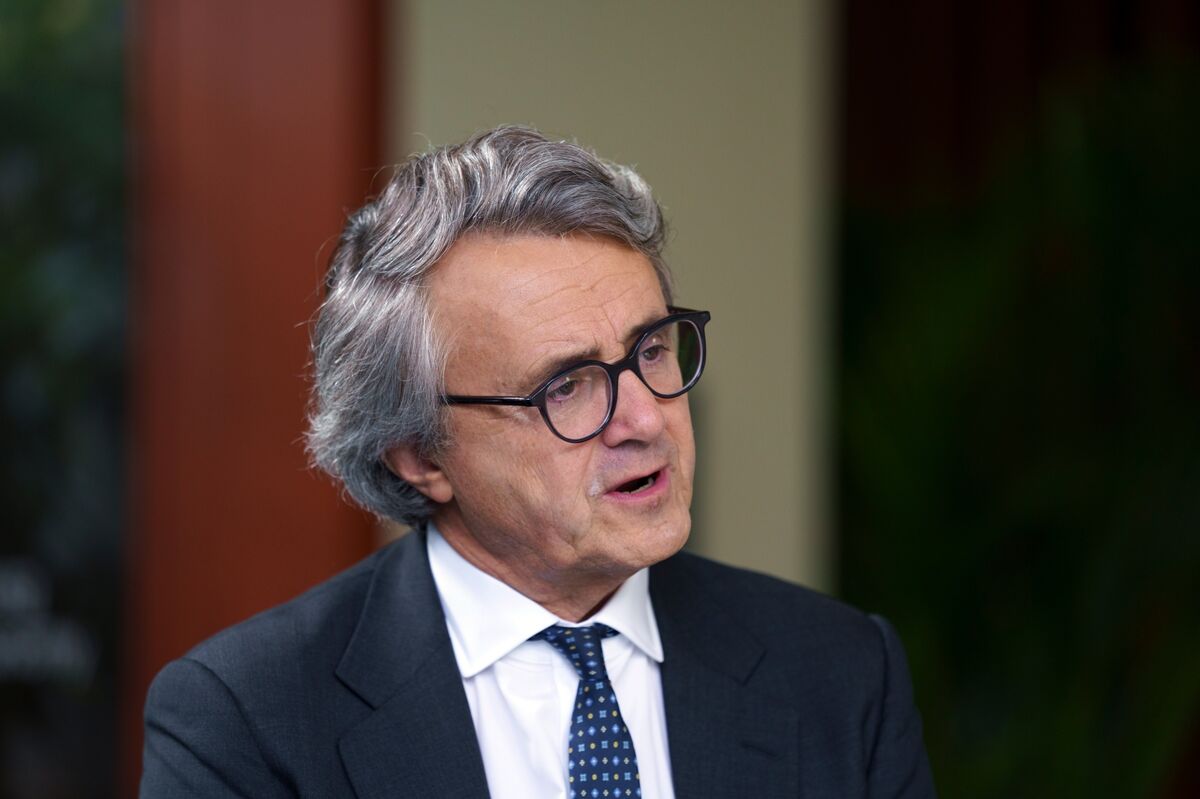
Countries such as UK that are running deficits and relying on financial markets to fund them are “definitely” at risk of another Liz Truss moment, said Mark Coombs, chief executive officer at asset manager Ashmore Group.
Ashmore Group CEO Mark Coombs. Photographer: Ore Huiying/Bloomberg
 Anmelden