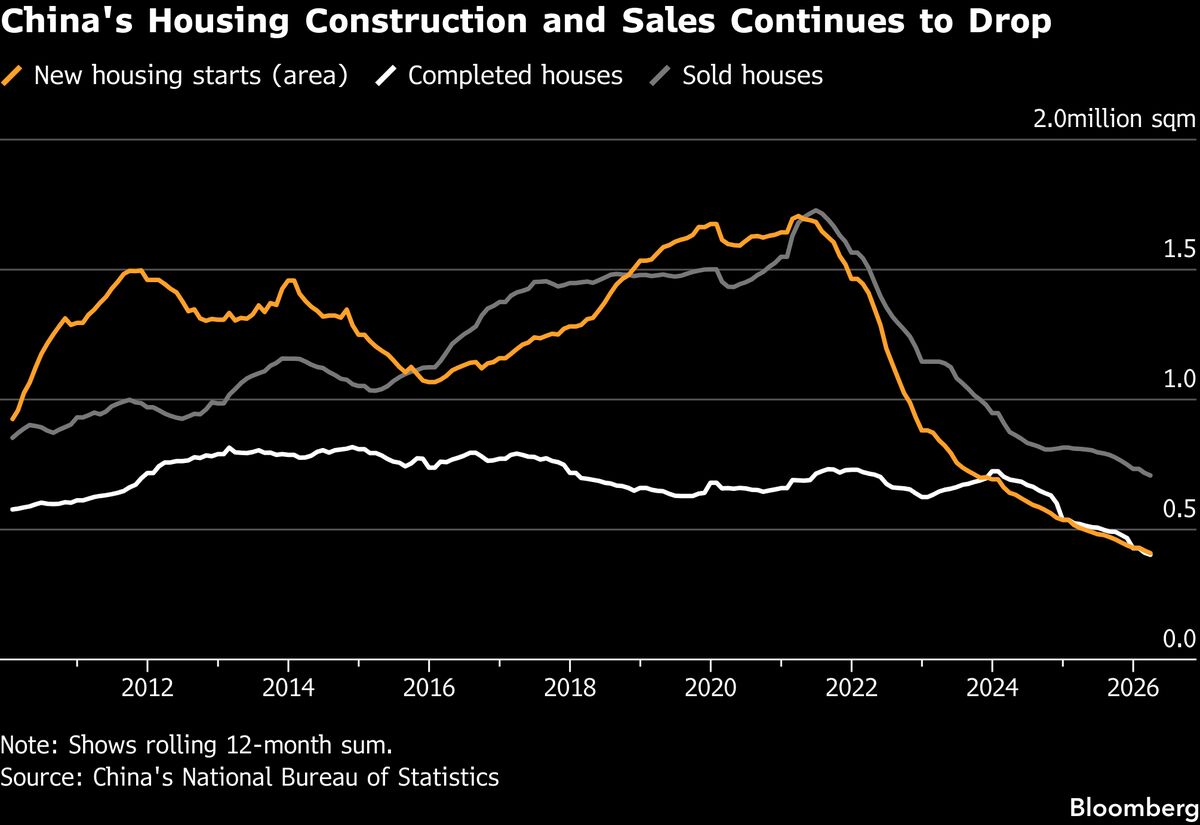
Just months into China’s housing downturn, the nation’s second-biggest developer declared the worst is over. A year later, its chairman backtracked on the call, and by 2025, it was teetering on the brink of a default.
Economists at Goldman Sachs Group Inc. and Nomura Holdings Inc. joined peers at other major global banks in abandoning calls for China’s monetary easing this year, as top leaders convey confidence in growth and little urgency to step up support.
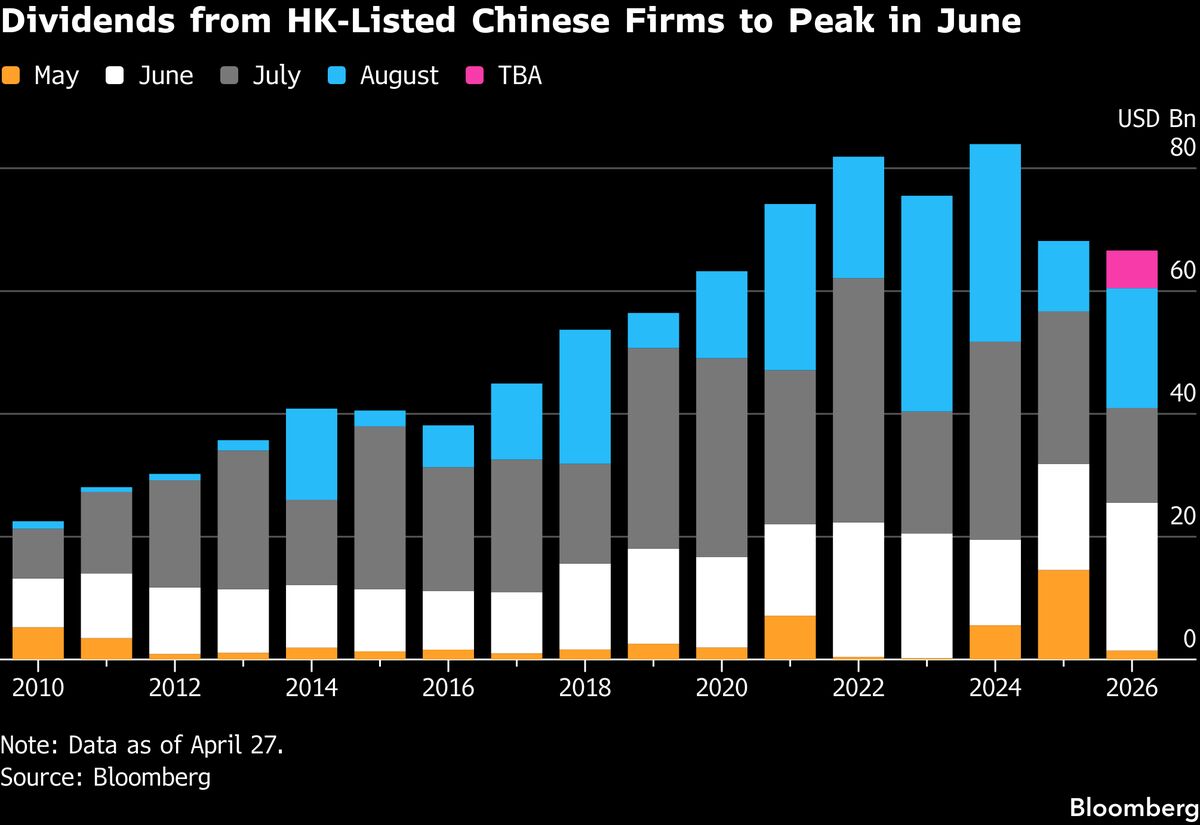
The yuan is likely to face its seasonal weakness sooner than usual this summer, say analysts, as Chinese firms seek to lock in favorable exchange rates ahead of a record dividend payout in June.
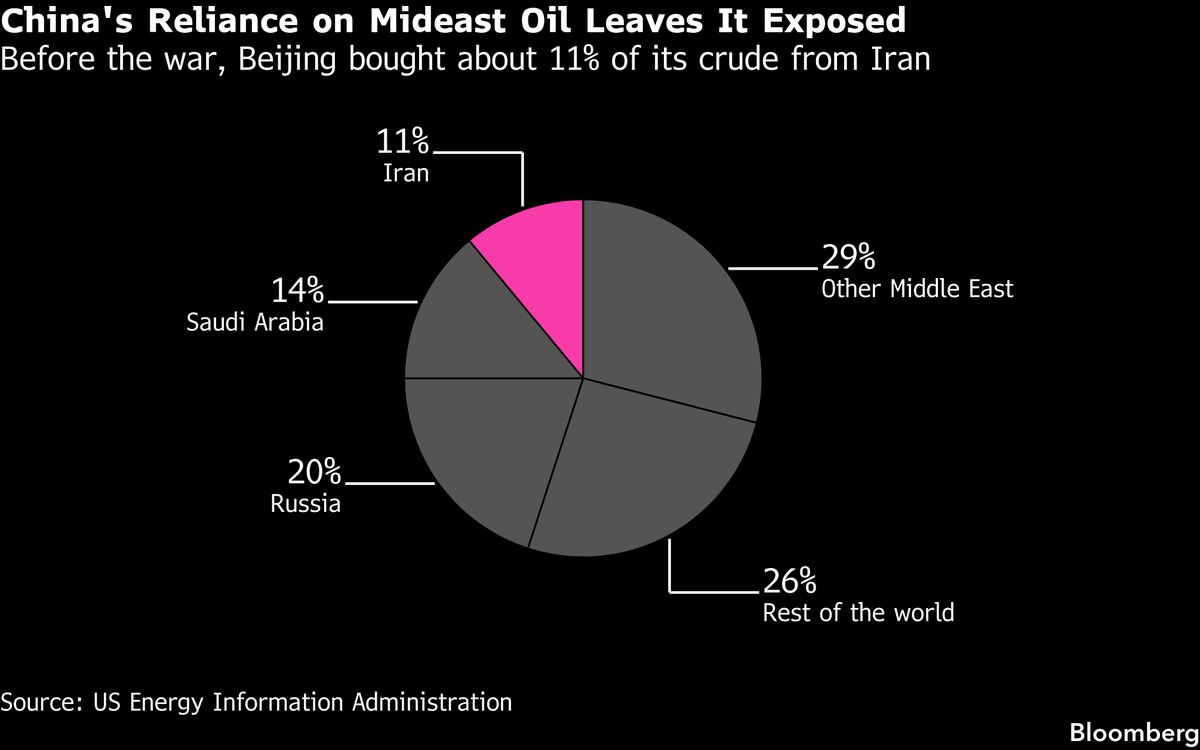
China’s top leaders pledged to counter external shocks and enhance energy security, while highlighting better-than-expected growth so far this year after the Iran war caused turmoil in global energy markets.
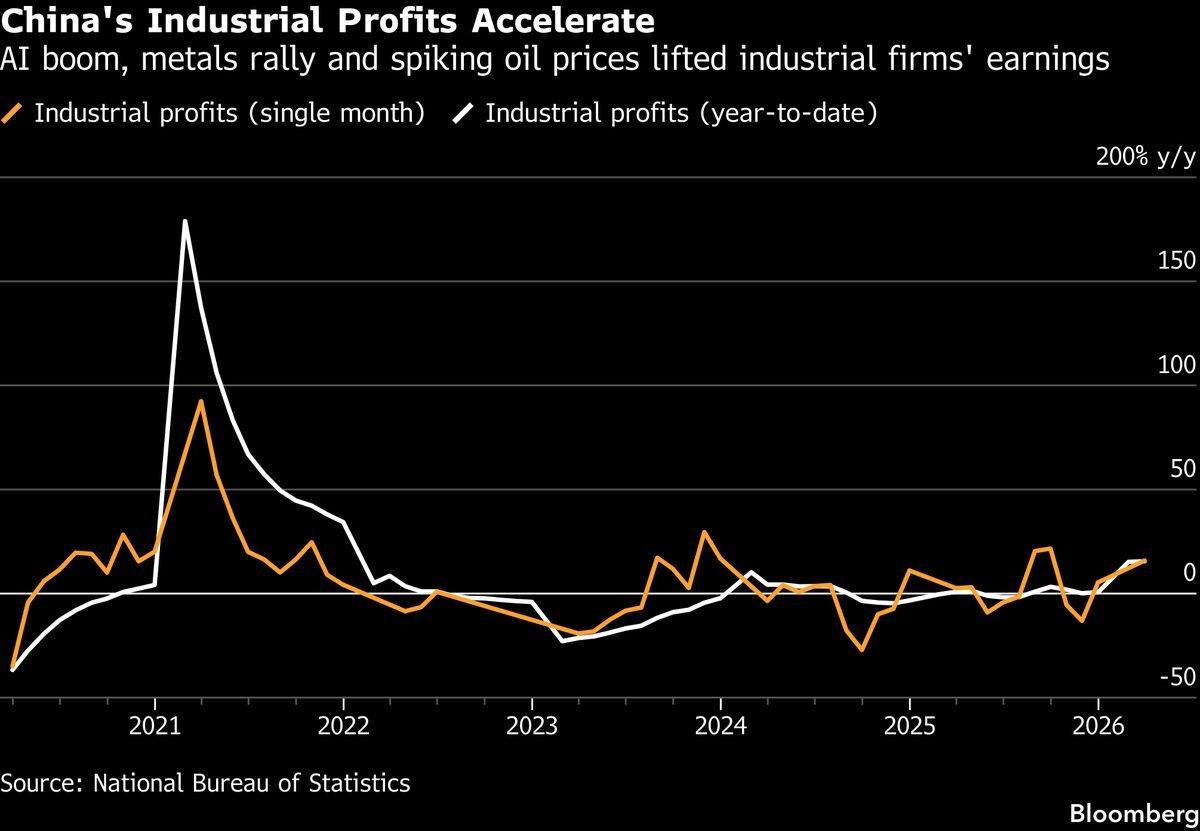
China’s industrial firms ended the first quarter with faster growth in earnings, an acceleration that hid a widening split between companies under pressure from higher costs and others benefiting from rising oil prices and the global artificial intelligence boom.
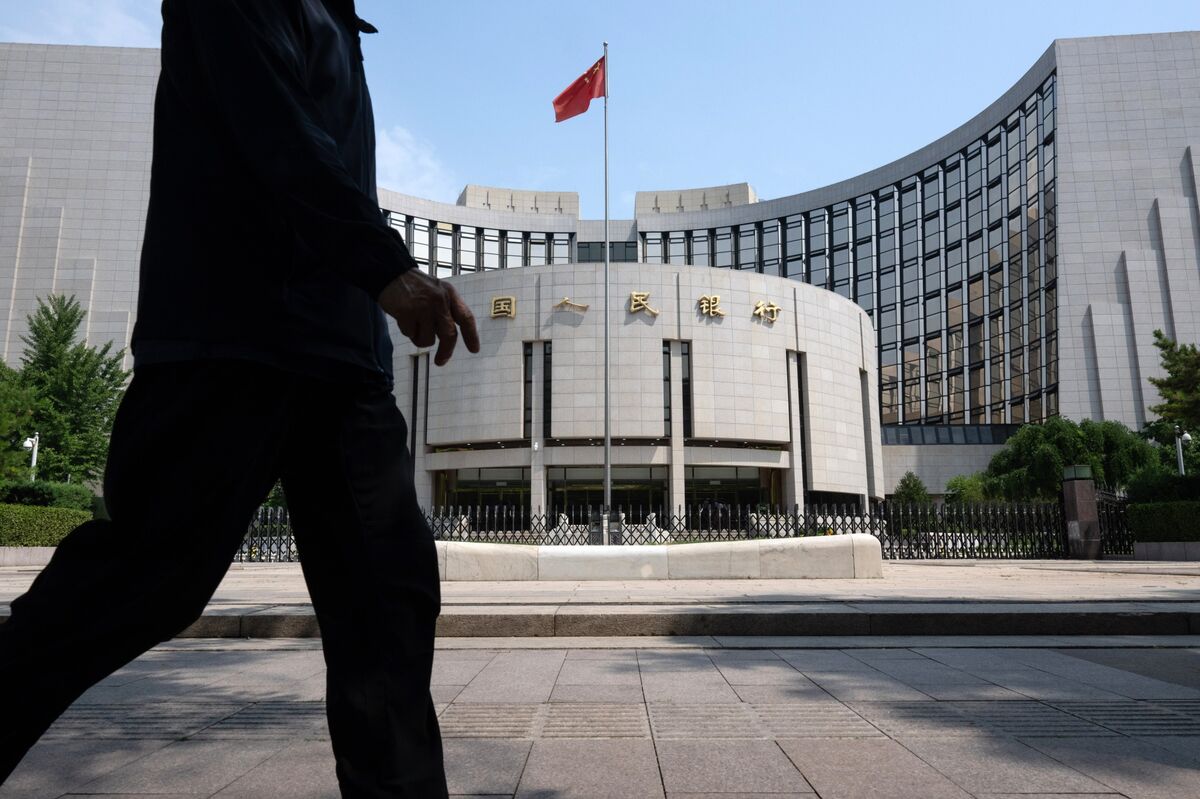
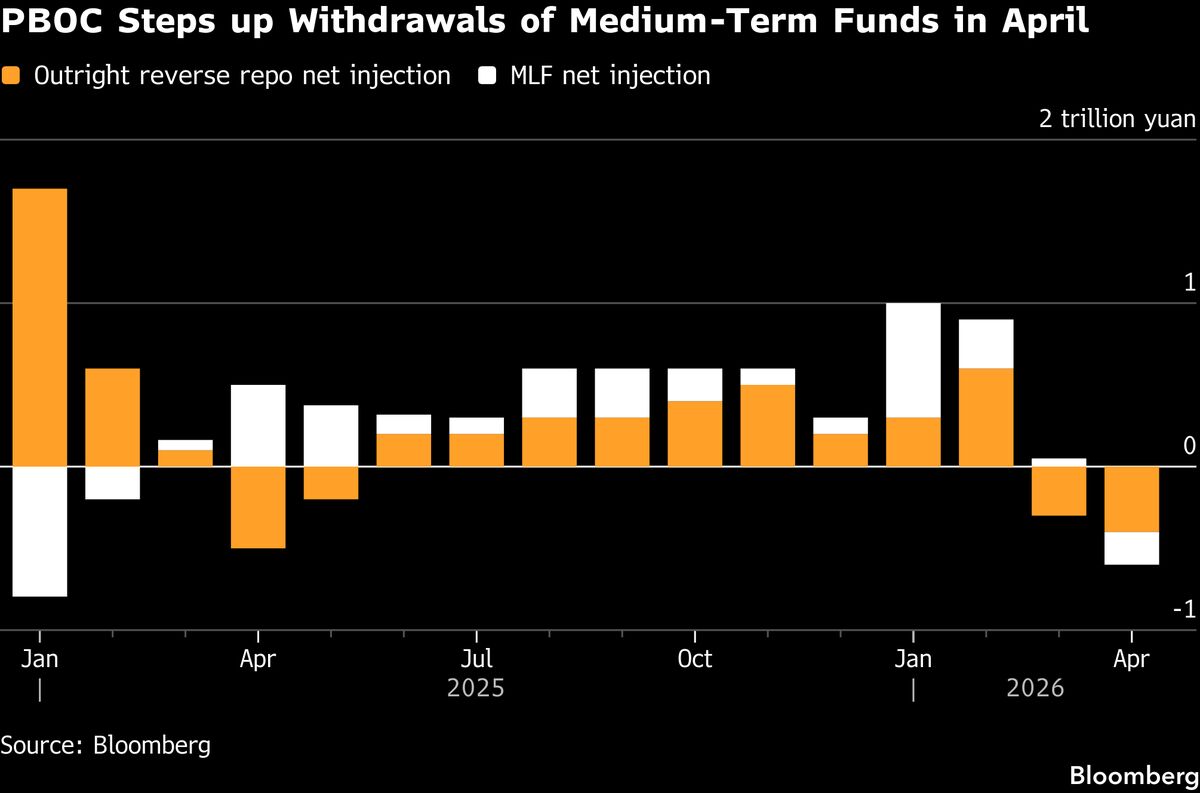
China’s central bank is taking a further step to rein in a liquidity glut in its financial system by reducing the amount of medium-term funds it lends out to banks.
Economists have sharply upgraded their forecasts for China’s import growth and now expect it to overtake the pace of expansion in exports for the first time since 2021, keeping the trade balance from ballooning much beyond last year’s record.
China said it is closely monitoring US legislative plans after the House Foreign Affairs Committee advanced export-control bills targeting semiconductors, which Beijing warned could disrupt global supply chains if passed.
A 300mm silicon semiconductor wafer. Photographer: Akos Stiller/Bloomberg
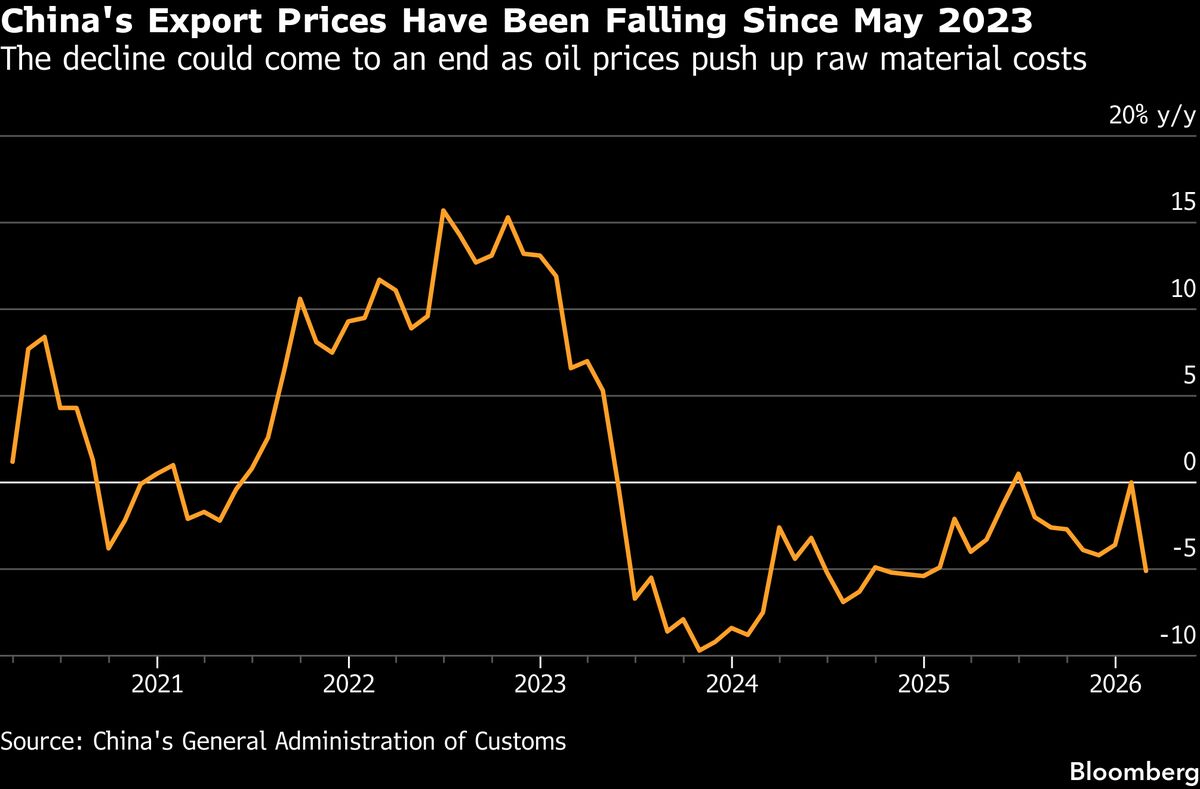
Chinese exporters are beginning to lift prices on everything from swimsuits to air conditioners as the Iran war drives up oil-linked input costs, signaling that global consumer inflation is likely to accelerate.
An unexpected deterioration in China’s labor market has reached the key demographic of early-career workers, as seasonal pressures amplified spillovers from the war in Iran while wider use of artificial intelligence raises risks for employment.
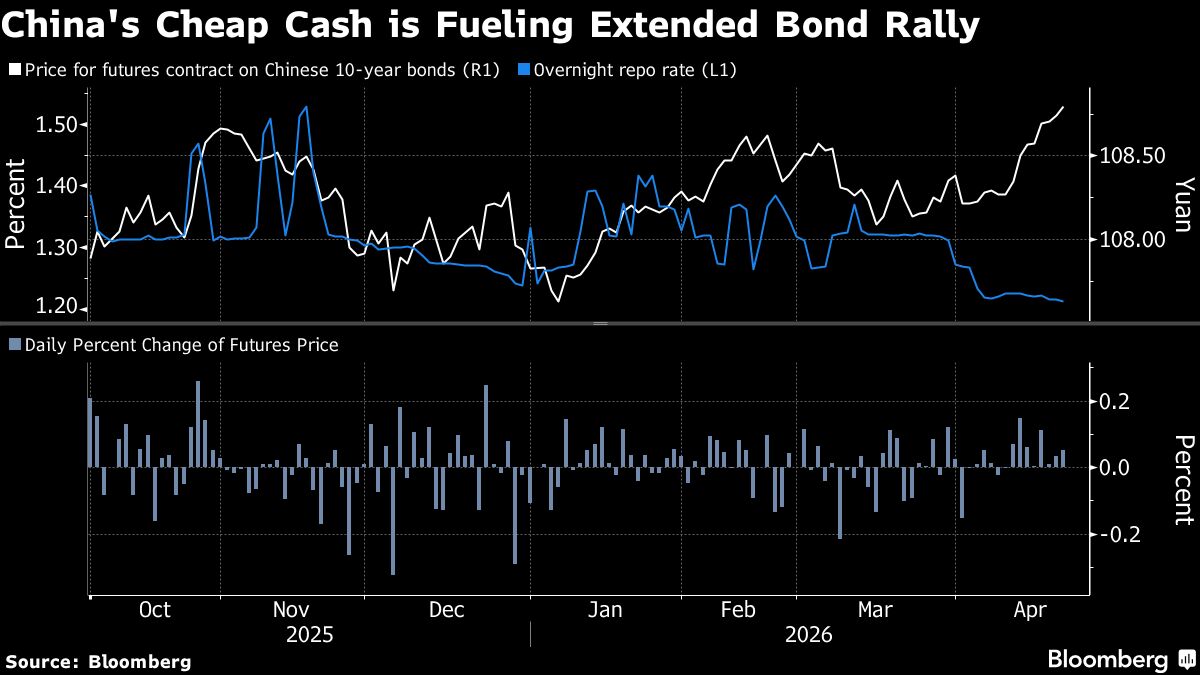
China’s central bank has injected more cash into the banking system, signaling unusual tolerance for abundant liquidity and boosting confidence that the bond rally may have further to run.
After two sluggish years, duty-free shopping is snapping back on China’s Hainan island, where domestic tourists are once again crowding malls for luxury handbags, gold jewelry and skincare.
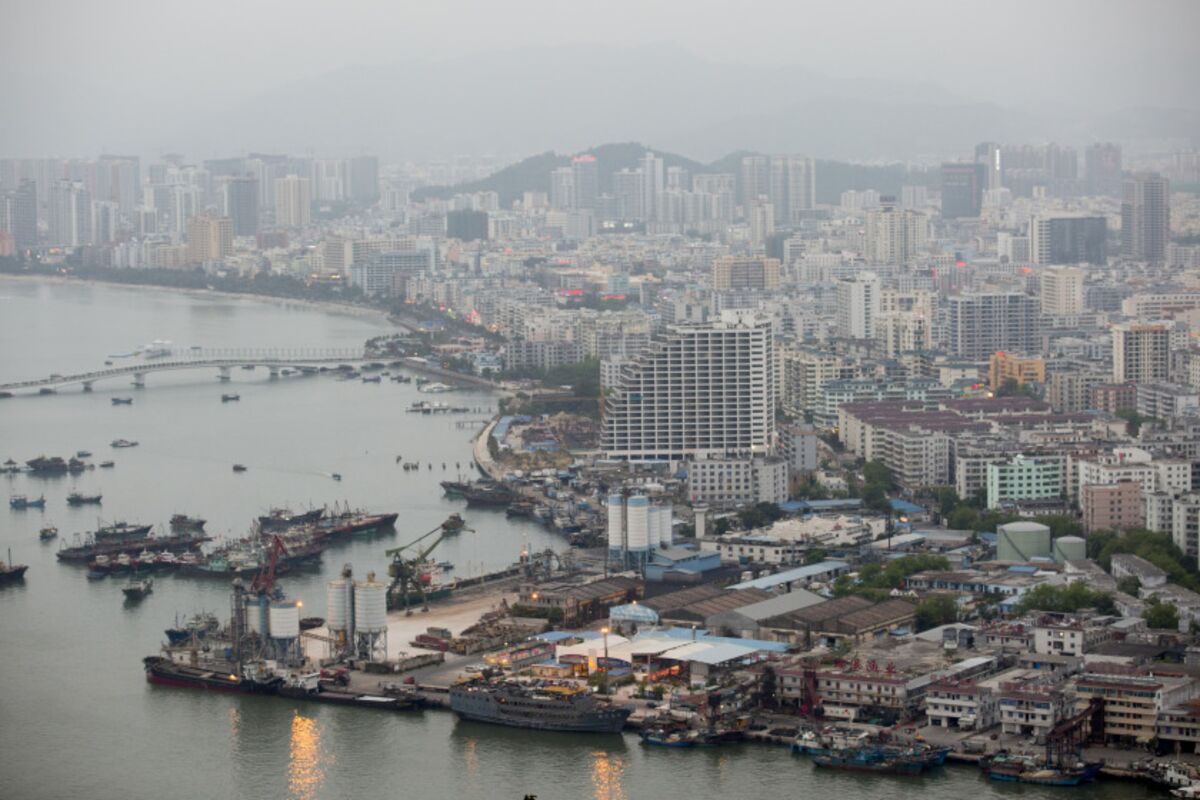
Buildings stand in the Sanya Bay district of Sanya, Hainan, China, on Sunday, April 6, 2014. China’s broadest measure of new credit fell 19 percent from a year earlier and money supply grew at the slowest pace since 2001, underscoring risks of a deeper slowdown as the government tries to curb financial dangers.
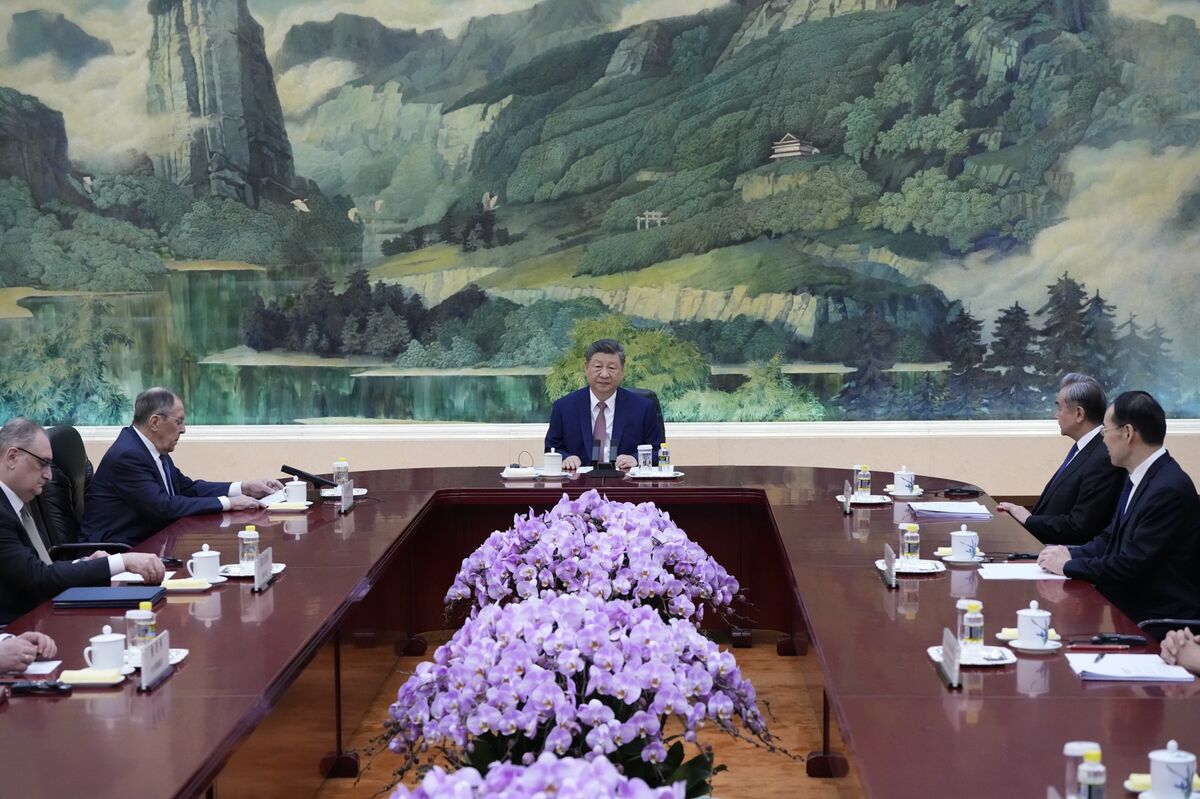
Chinese President Xi Jinping touted the stability of ties with Moscow and pledged deeper bilateral coordination when he met with visiting Russian Foreign Minister Sergei Lavrov on Wednesday, as the conflict in the Middle East extends into its seventh week.
Xi Jinping with Sergei Lavrov in Beijing on April 15. Photographer: Iori Sagisawa/Pool/Getty Images
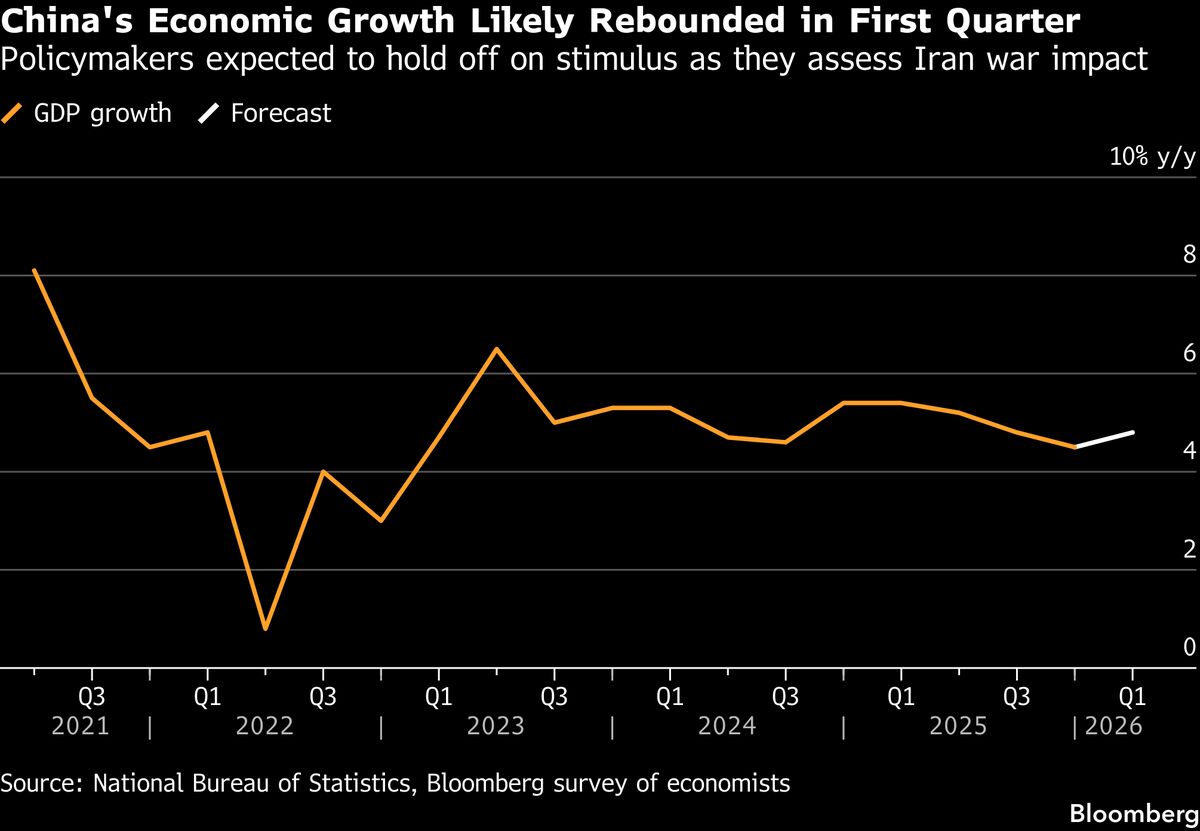
China’s growth likely rebounded in the first quarter of 2026, offering policymakers time to assess the impact of the Iran war on the world’s second-largest economy before stepping in with stimulus.
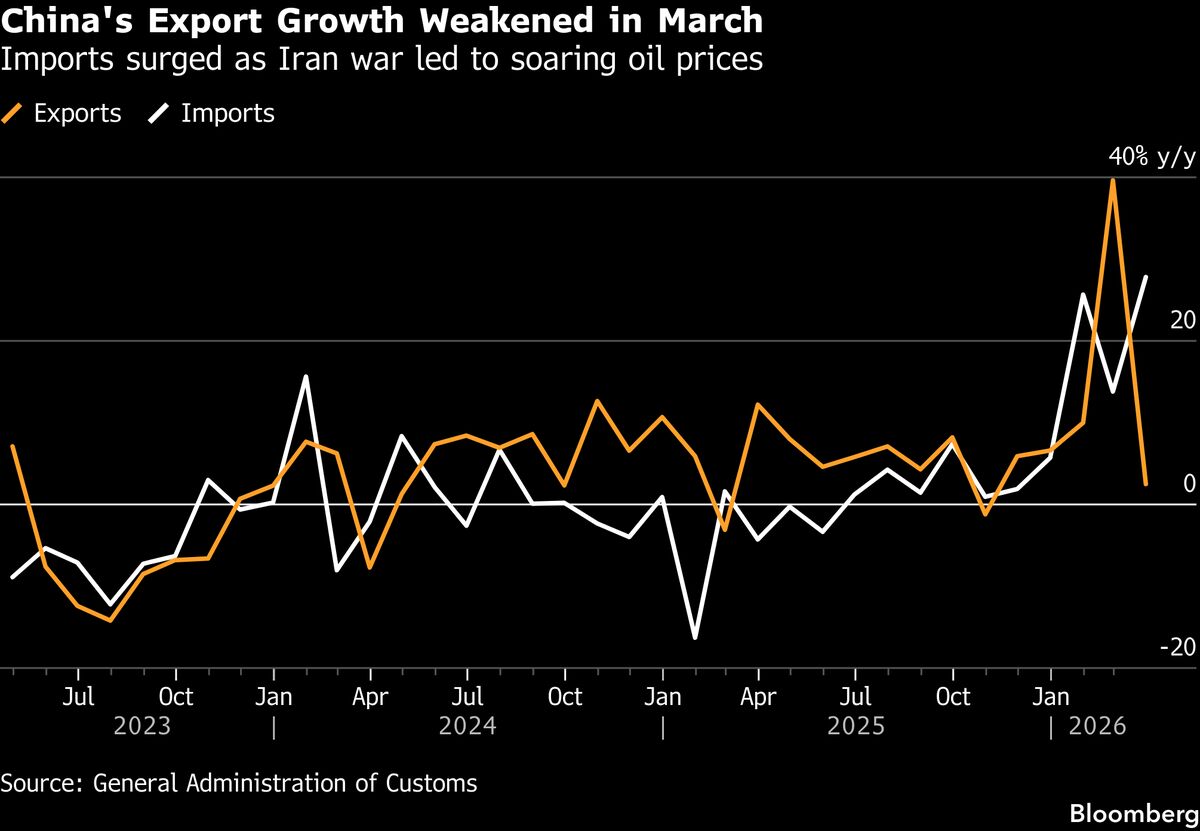
China’s export growth slowed sharply in March while imports surged, as seasonal factors added to the fallout of the war in Iran on global energy supply.
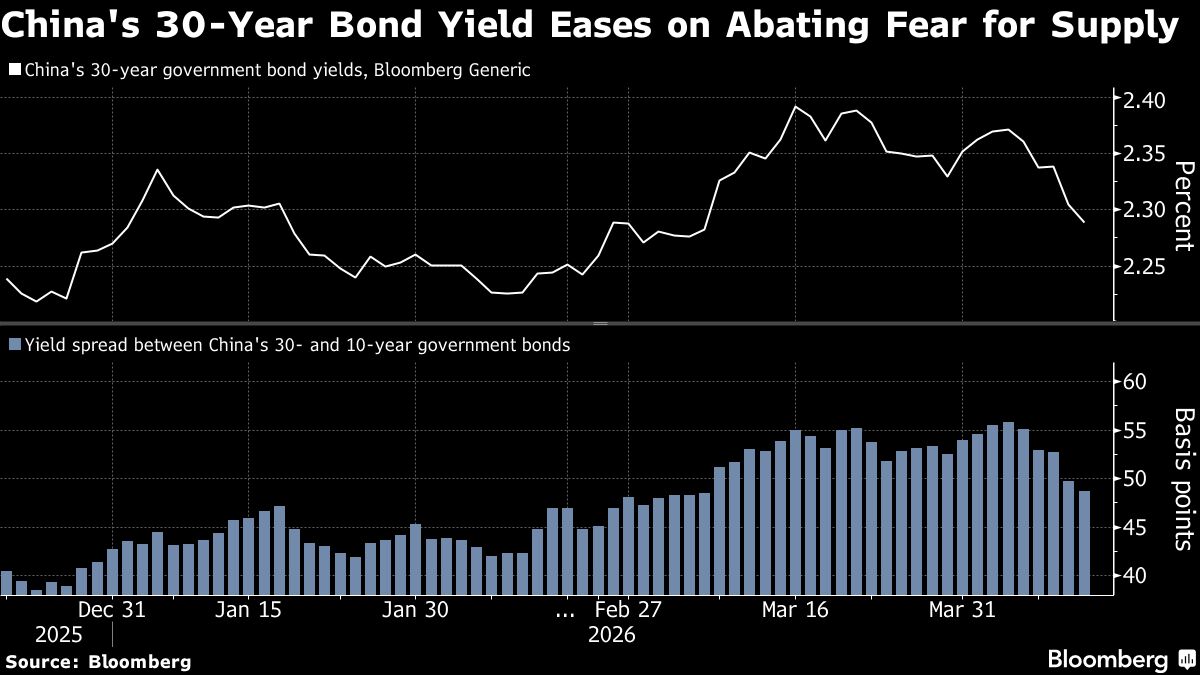
China’s super-long government bonds pushed higher on Monday after traders bet Beijing may scale back the maturity on its special-debt issuance to ease supply pressure.
Chinese oil major Cnooc Ltd. reported weaker earnings in 2025, as a drop in oil prices blunted the impact of the company’s rising production.
Hong Kong, CHINA: (FILES) A man walks by a screen showing the logo of China National Offshore Oil Corp (CNOOC) during a video press conference, in Hong Kong, 30 August 2005. China's largest gas and oil producer CNOOC said Monday 09 January 2006 it had agreed to buy a 45 percent stake in an oil block off the coast of Nigeria for almost 2.3 billion dollars. AFP PHOTO FILES/PHILIPPE LOPEZ (Photo credit should read PHILIPPE LOPEZ/AFP via Getty Images) Photographer: PHILIPPE LOPEZ/AFP
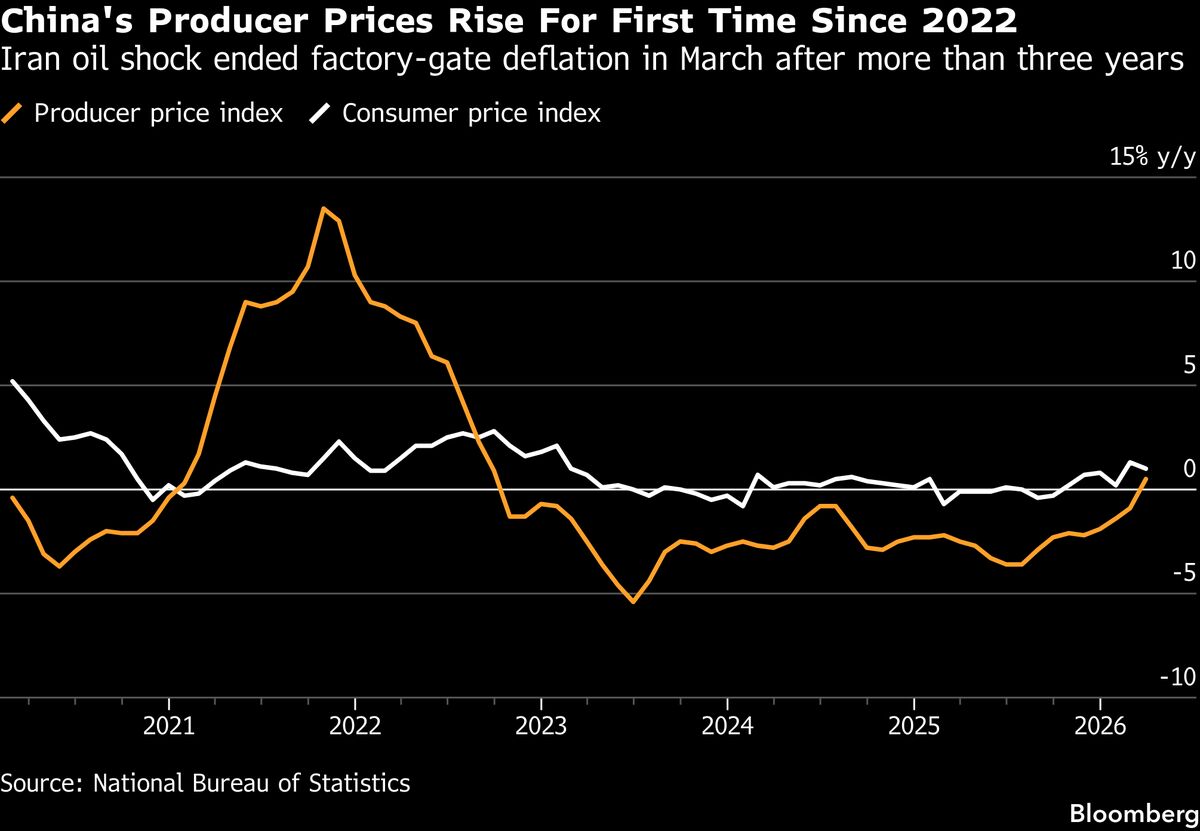
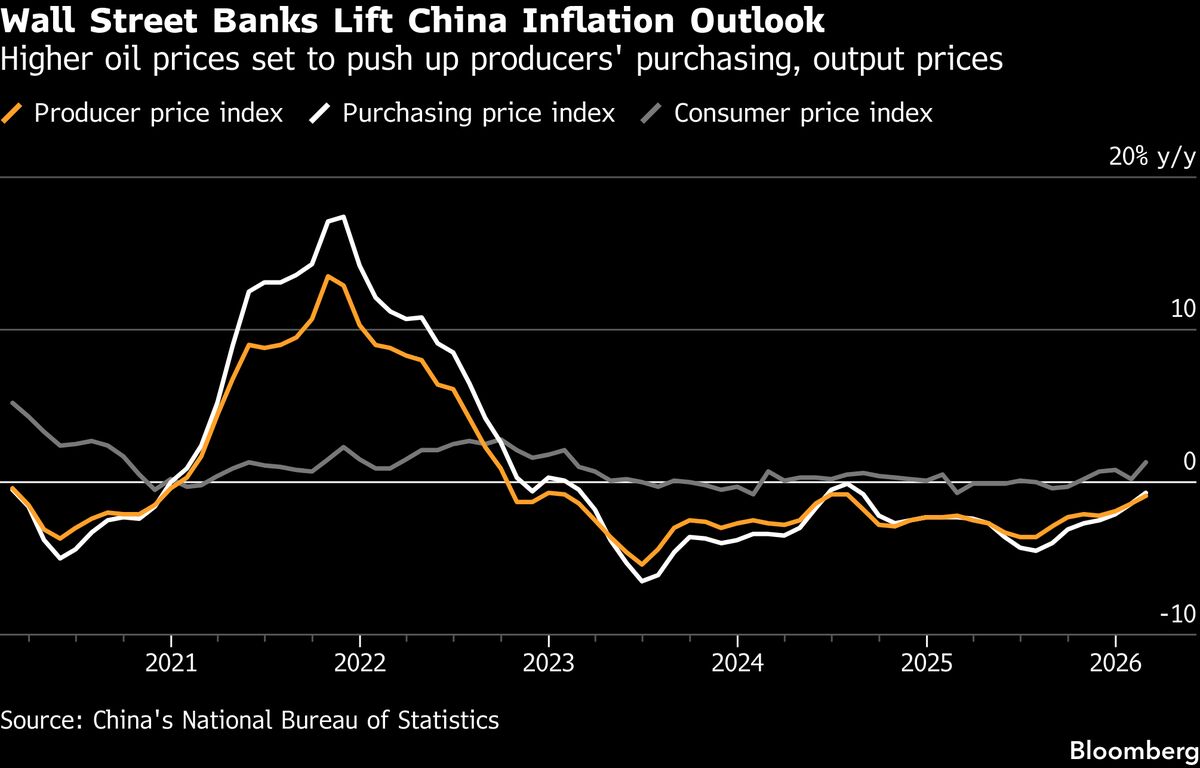
Some of the biggest US banks raised their projections for China’s inflation this year and pushed back predictions for its next interest-rate cut, as the escalating conflict in Iran sends oil prices higher.
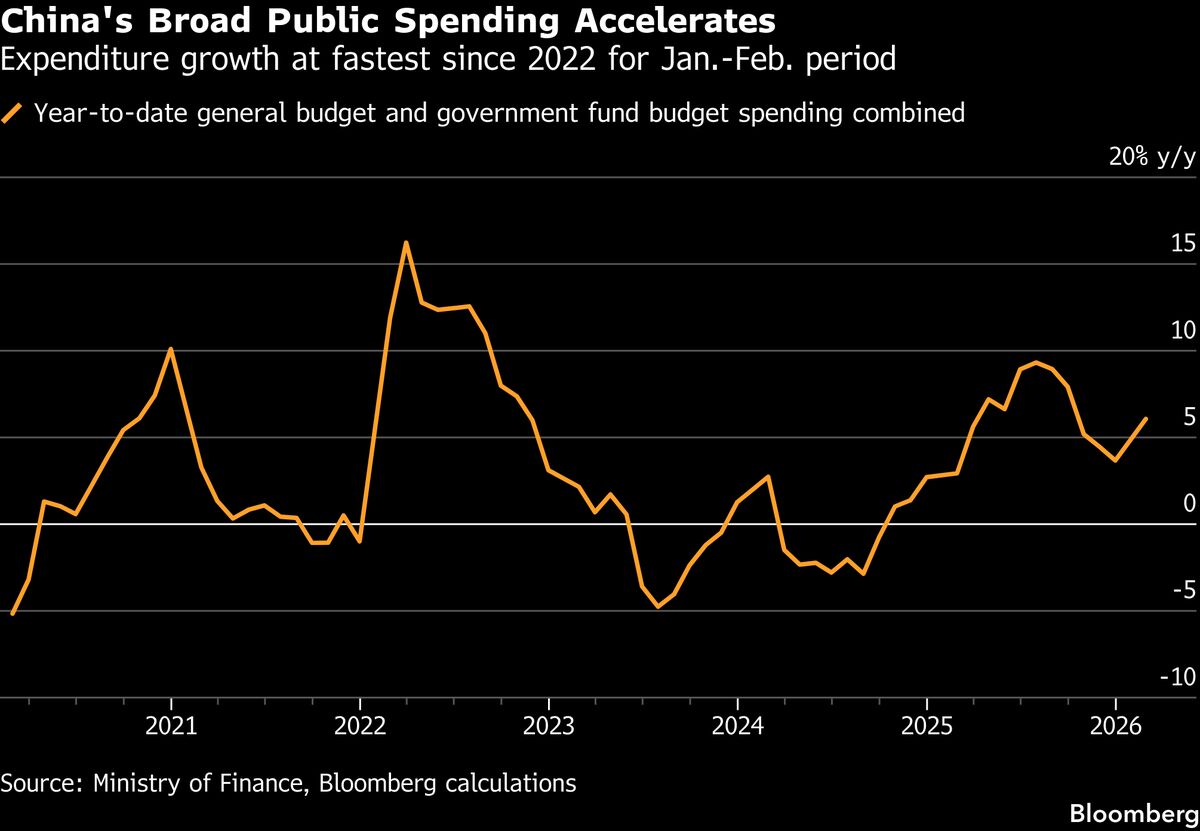
China’s government spending got off to its fastest start to any year since 2022, likely an effort by authorities to fortify the economy in the face of rising external uncertainty.

 Anmelden