Japanese workers’ real wages rose in March for a third consecutive month, supporting the Bank of Japan’s case for further interest rate hikes even as the Middle East conflict clouds the economic outlook.
Japan is prepared to respond on all fronts to speculative moves in the foreign exchange market, the nation’s top currency official signaled, after authorities were suspected of having conducted intervention over the holiday period.
A Japanese 1000yen banknote arranged in Tokyo, Japan.
Japan and other economies should limit fuel subsidies to those most in need, the Asian Development Bank’s chief economist said, as prolonged Middle East tensions strain public finances.
Japan’s authorities stand ready to respond as needed to moves in the currency market around the clock, the finance minister said, in a warning to speculators just hours before the Bank of Japan’s policy decision.
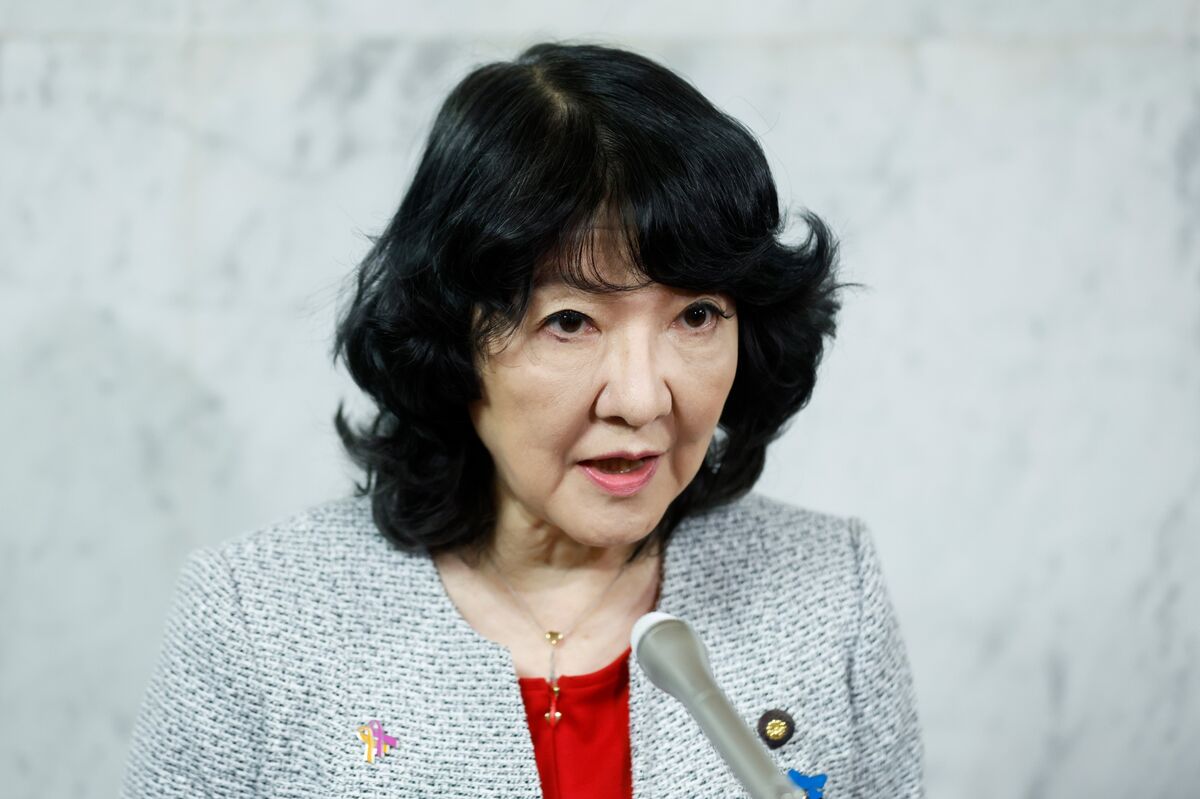
Satsuki Katayama, Japan's finance minister, during a budget committee session at the upper house of parliament in Tokyo, Japan, on Monday, April 27, 2026. The war in the Middle East is putting pressure on the Japanese government to consider energy-saving measures, a challenge for Prime Minister Sanae Takaichi as she seeks to calm public anxiety over potential shortages.
Japan’s Finance Minister Satsuki Katayama warned that officials are in close contact around the clock with their US counterparts as Tokyo remains on high alert over speculative moves that are keeping the yen weak.
At the IMF meetings, Beijing rejected criticism from others about its trade position.
International Monetary Fund (IMF) and World Bank Spring meetings signage outside the IMF headquarters in Washington, DC, US, on Monday, April 13, 2026. The International Monetary Fund said that the conflict in the Middle East is a major supply shock that will test the resilience of a world with limited scope for fiscal support, even as US and Iran have negotiated a two-week ceasefire. Photographer: Samuel Corum/Bloomberg
Japan’s largest labor union group reported that workers under its umbrella secured an average pay increase exceeding 5% in this year’s wage talks even after results from smaller firms were factored into the tally, an outcome that will keep the Bank of Japan on track for a near-term interest rate hike.
Bank of Japan Governor Kazuo Ueda stressed the challenges for policymakers as they cope with upside risks to prices and downside risks to the economy stemming from the Middle East conflict, avoiding a clear signal on rates ahead of the bank’s policy decision this month.
Kazuo Ueda at the IMF and World Bank Spring meetings in Washington, DC. Photographer: Aaron Schwartz/Bloomberg
Clear communication from the Bank of Japan will be even more important as uncertainty remains high amid ongoing Middle East tensions, the International Monetary Fund’s chief liaison for the country said two weeks before the central bank’s next monetary policy decision.
Rahul Anand during an interview at the IMF headquarters in Washington on April 15. Photographer: Stefani Reynolds/Bloomberg
Japanese workers’ wages adjusted for inflation rose at the fastest pace since 2021, backing the case for the Bank of Japan to consider a rate hike as soon as this month.
The Bank of Japan (BOJ) headquarters in Tokyo, Japan, on Friday, March 27, 2026. Tokyo inflation cooled to its slowest pace in nearly two years as gains in food costs continued to slow, with prospects for higher energy prices owing to the war in Iran likely to keep the Bank of Japan on track for further rate increases.
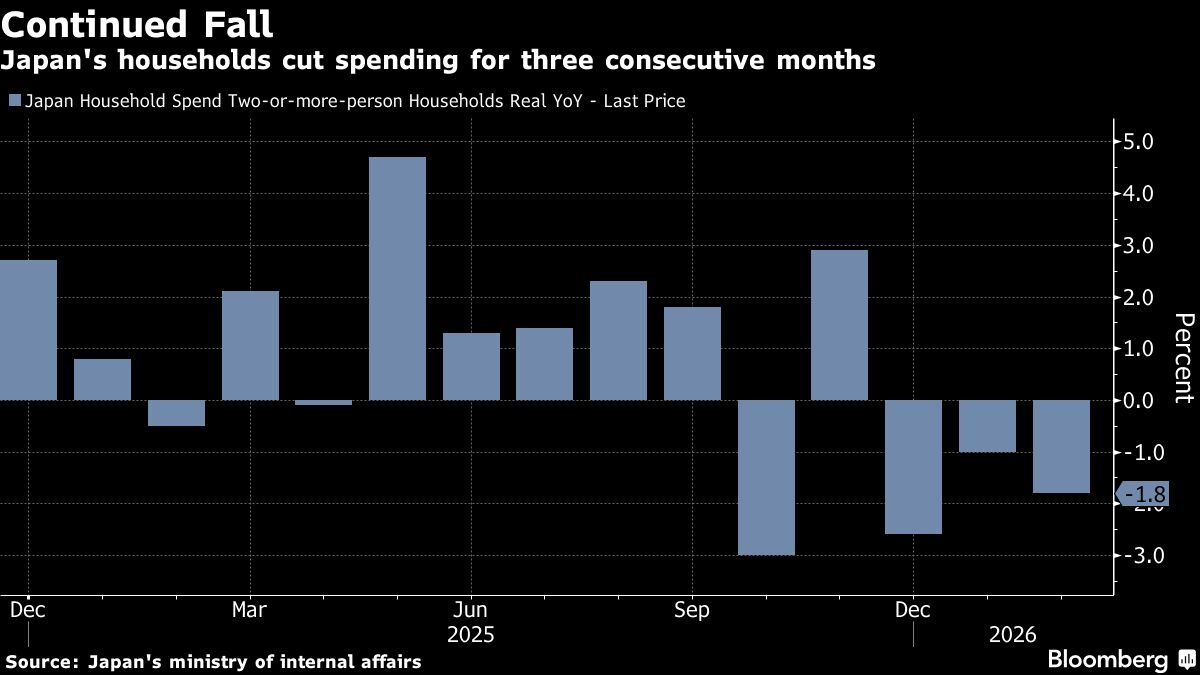
Japan’s households reduced spending for a third straight month even after real wages turned positive, underscoring the fragile state of domestic demand.
US President Donald Trump’s remarks on the Middle East earlier this week had a significant impact on financial markets, according to Japan’s finance minister, who voiced concern about rising volatility in currency and crude oil futures markets in a renewed warning to speculators ahead of a US data release.
Japan’s tobacco taxes rose on Wednesday, as the government turns to the country’s ever-shrinking pool of smokers to help fill a shortfall in funding for its defense buildup.
Tokyo inflation cooled to its slowest pace in nearly two years as gains in food costs continued to slow, with prospects for higher energy prices owing to the war in Iran likely to keep the Bank of Japan on track for further rate increases.
Japan’s finance minister flagged the possibility of taking “bold actions” to counter currency moves, a reference to intervention, as the yen traded near a threshold where authorities entered the market on several occasions in 2024.
Japanese Prime Minister Sanae Takaichi’s government invited Olivier Blanchard to speak at an economic panel as she seeks to showcase her administration’s so-called “responsible” fiscal approach to a global audience even as she increases spending.
Japanese Prime Minister Sanae Takaichi is encountering the limits of her historic mandate as she struggles to get an annual budget through parliament in time for the start of the new fiscal year in April despite setting that goal.
Sanae Takaichi, Japan's prime minister, right, and Satsuki Katayama, Japan's finance minister, attend a budget committee session at the lower house of parliament in Tokyo, Japan, on Tuesday, Nov. 11, 2025. Takaichi aims to use her first stimulus package to jump-start the economy and initiate a new growth strategy through investment in key industries.
Japan’s largest labor union group said its workers secured an average pay increase above 5% for a third straight year, an outcome that is likely to keep the central bank on track for another interest rate hike in coming months.
Japan’s top currency official said the government will take all possible steps to respond to speculative moves in markets as needed, sending a fresh warning as the yen and oil prices remain under pressure owing to the Middle East conflict.
Japan’s finance minister said authorities are fully prepared to take action against currency moves if needed at any time, as traders test the dollar’s upside against the yen ahead of a Bank of Japan policy decision later in the day.
Satsuki Katayama, Japan's finance minister, during the World Economic Forum (WEF) in Davos, Switzerland, on Tuesday, Jan. 20, 2026. The annual Davos gathering of political leaders, top executives and celebrities runs from Jan. 19-23.

 Anmelden