Asia’s largest oil buyers have been able to lean on workarounds to limit the impact of more than seven weeks of war in the Persian Gulf, shielding not only their own economies but those of neighbors competing for cargoes.
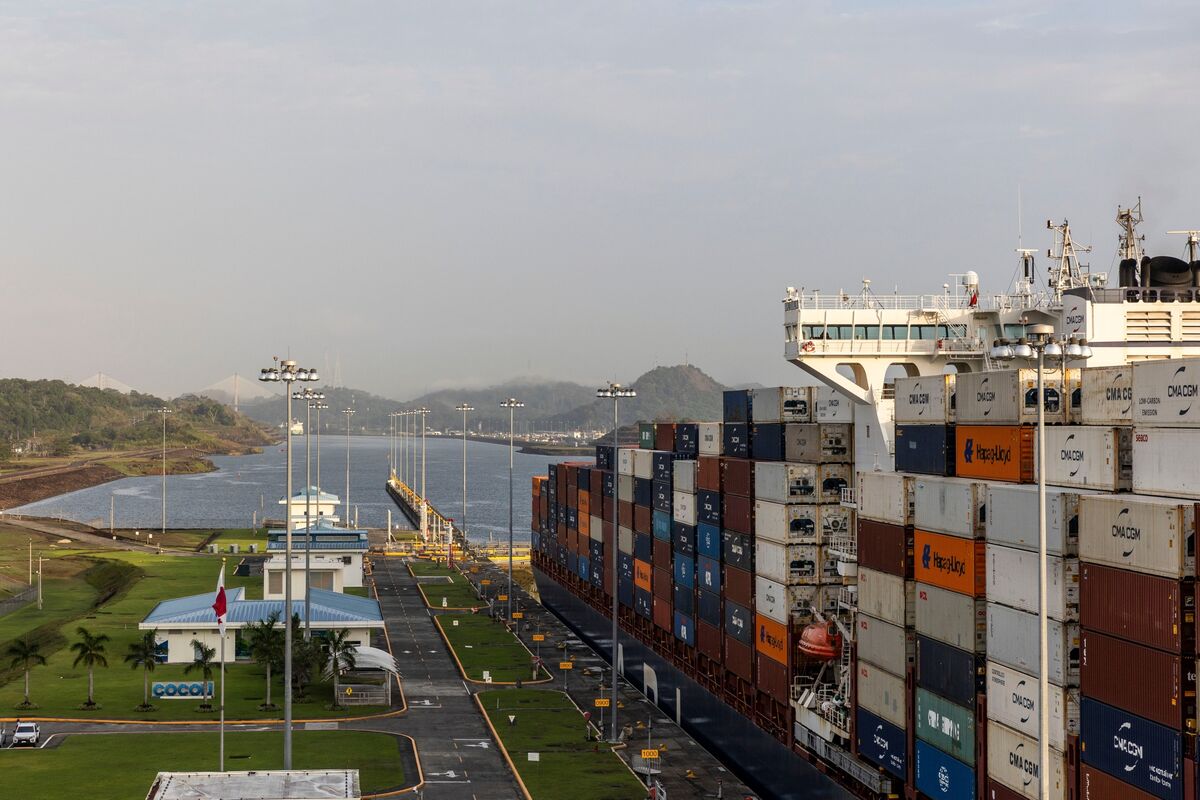
Tankers and cargo ships are facing three-and-a-half day waits to enter the Panama Canal as the Iran war sparks a surge in traffic, prompting one vessel to plunk down an extra $4 million to jump to the front of the line.
A container ship crosses the Cocoli Locks at the Panama Canal in Panama City.
A widening conflict in the Middle East has led to dramatic swings and surges in the price of fuel for ships, prompting distributors in Singapore, the world’s top bunkering hub, to cut back their purchases.
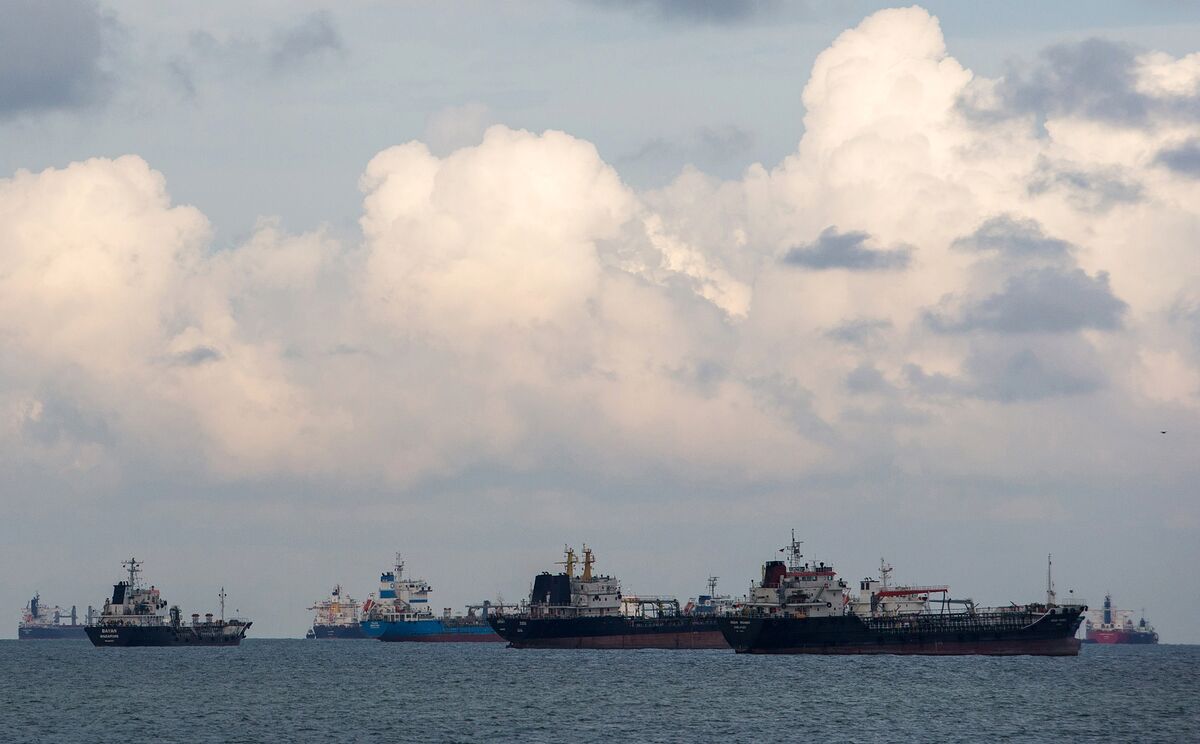
Shipping vessels sit moored in waters off the southeastern coast of Singapore. Bunker sales in Singapore, the world’s largest refueling port, fell for a second month to 3.48 million tons in June, the lowest seasonal volume since 2009, according to data from the Maritime and Port Authority.
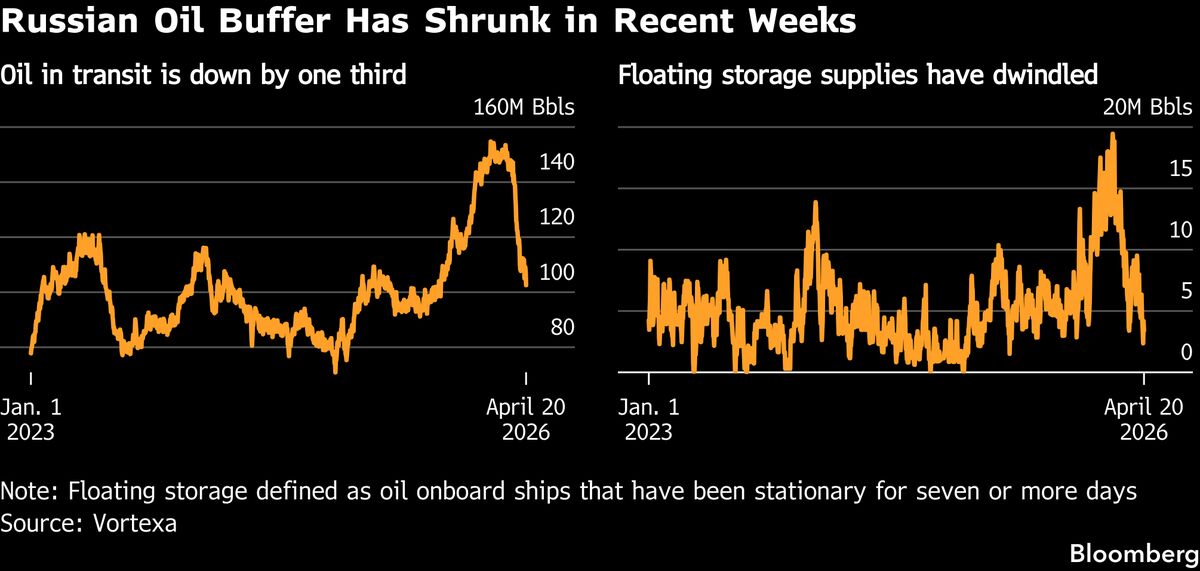
Indian refiners have bought about 30 million barrels of Russian oil since the US provided a green light for purchases to help the country cope with a shortfall of Middle Eastern supply, according to people with knowledge of the deals.
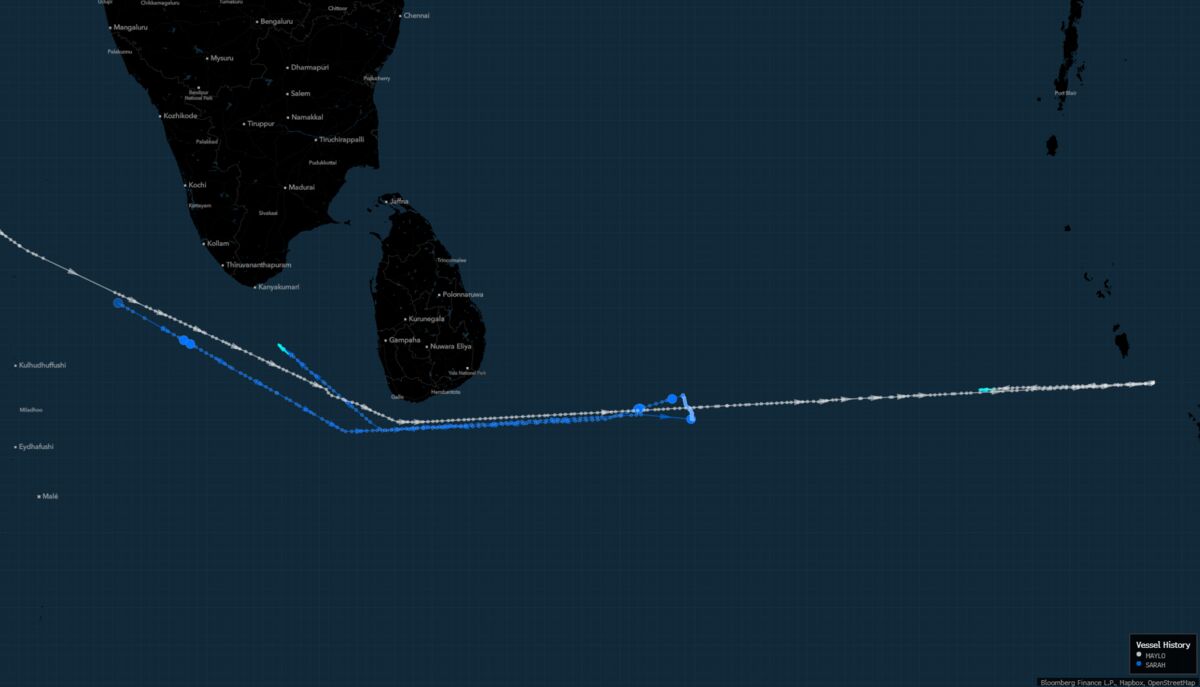
Maylo (white) and Sarah (blue) both changed course just days after the US announced waivers allowing India to purchase Russian crude.
A deepening energy crunch across Asia is impacting all corners of the oil market, with suppliers of everything from shipping fuel to cooking gas beginning to cut back on sales in order to manage shrinking stockpiles.

 Anmelden