The Bank of England should raise interest rates to fight off strong inflation spillovers from the Iran energy shock, according to its chief economist who set out his case for active policy in an unpredictable world.
The Bank of England in London. Photographer: Dan Kitwood/Getty Images
Solid GDP growth last quarter isn’t expected to last, according to Bloomberg Economics
British Union flags fly near the Elizabeth Tower, also known as Big Ben, in London, UK, on Monday, May 11, 2026. UK Prime Minister Keir Starmer said he would contest any leadership challenge, as he battled to save his premiership in a speech that appeared to do little to subdue the rebellions brewing within his party. Photographer: Jason Alden/Bloomberg
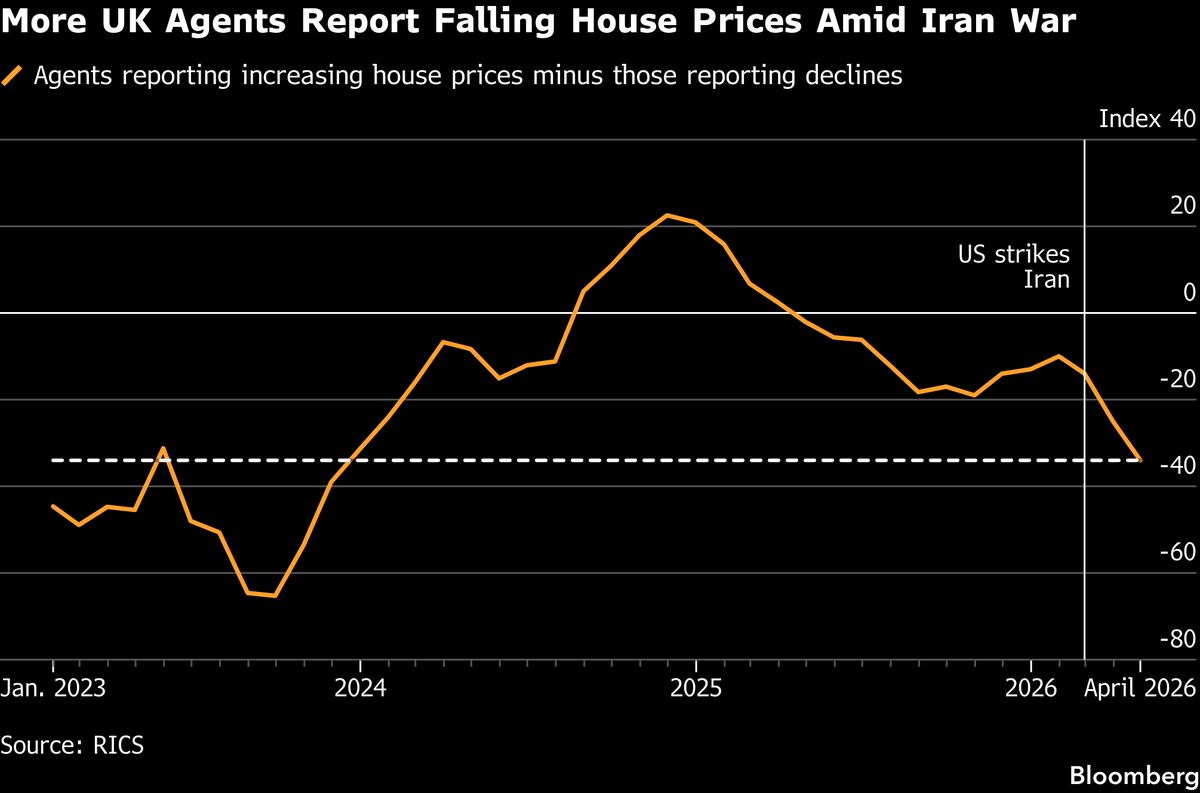
More UK estate agents reported falling house prices in April as the war in Iran and elevated borrowing costs hit buyer confidence, according to a closely watched survey.
British employers are relying more heavily on temporary workers, a closely watched survey shows, as they adapt to economic turbulence from the war in the Middle East.
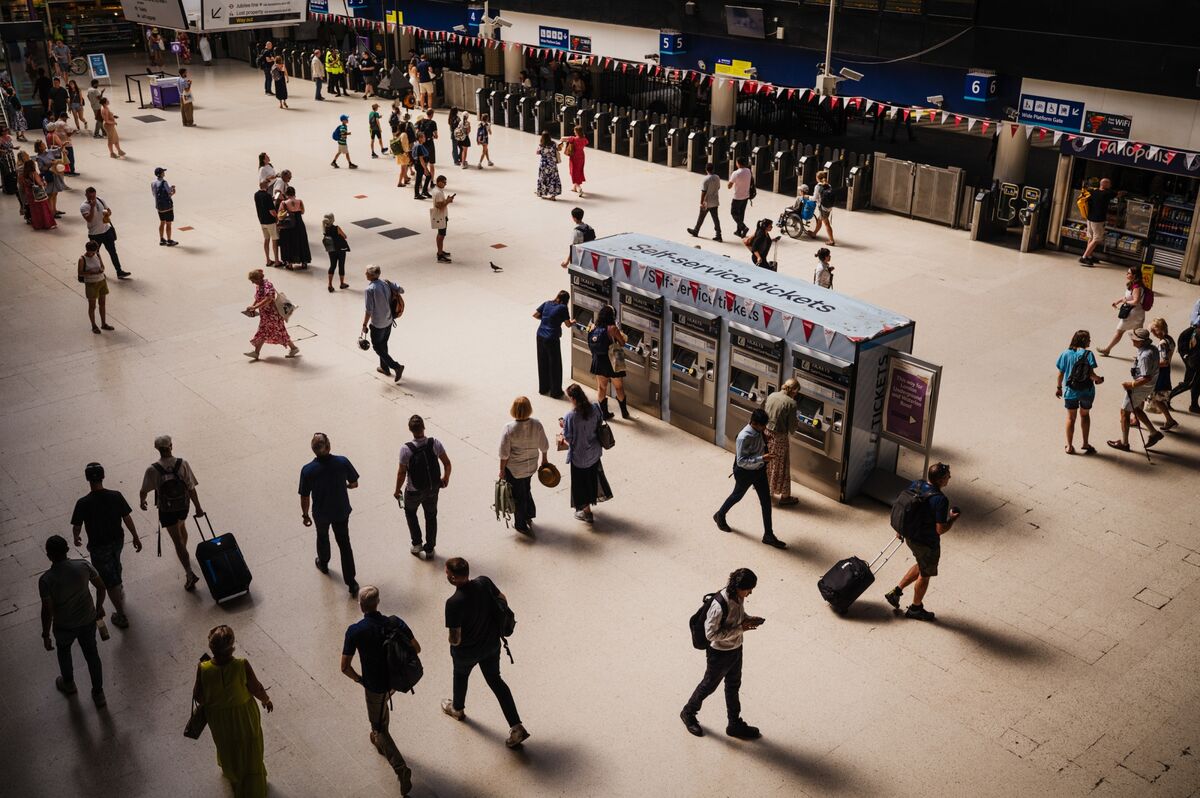
Commuters in London. Photographer: Jose Sarmento Matos/Bloomberg
Local elections this week are expected to lay bare a new reality: the two-party system that has dominated British politics since World War II has broken down.
A public toilet with adverts for how to vote in local elections in Birmingham, UK, on Friday, April 24, 2026. UK Prime Minister Keir Starmer’s Labour party is expected to take a drubbing at local elections next month, and political pundits expect that his deepening unpopularity may open the door to a leadership challenge.
The Bank of England should be raising interest rates with greater urgency after entering the Iran war with slowing progress in its battle to bring down inflation, according to its chief economist.
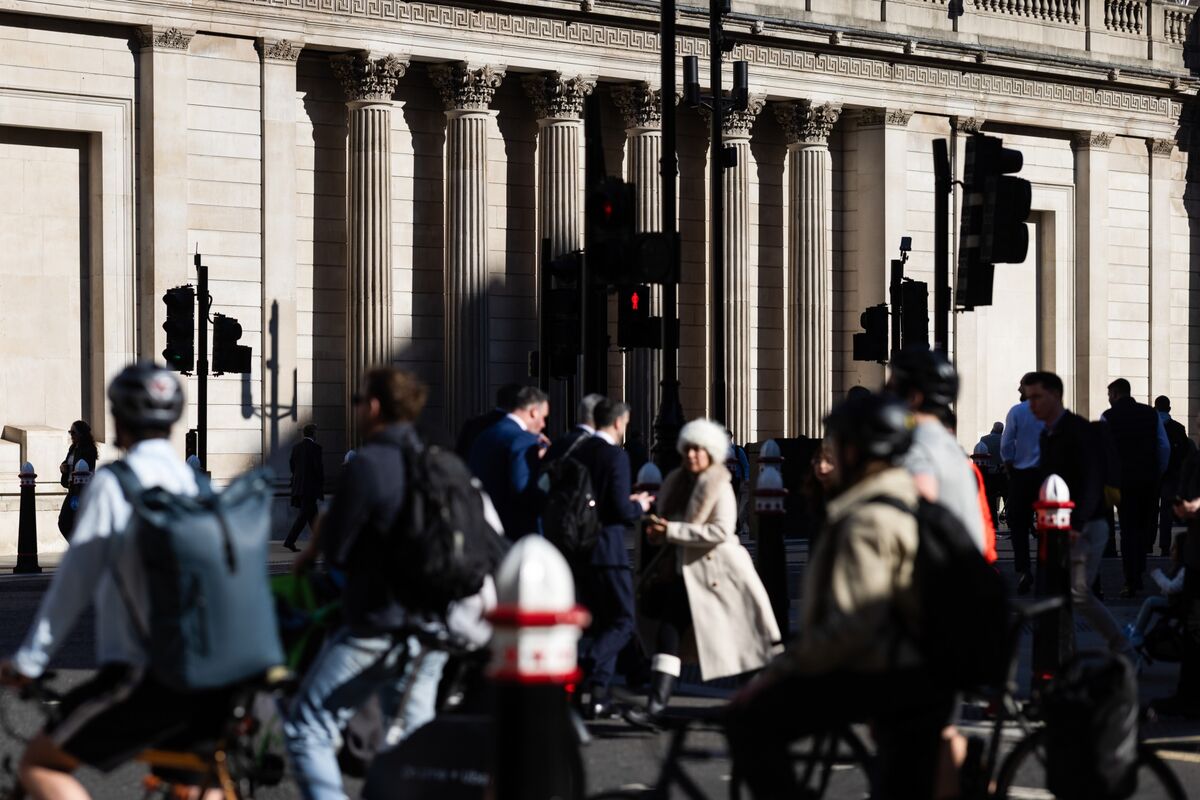
Commuters pass the Bank of England (BOE) in the City of London, UK, on Wednesday, March 18, 2026. The Bank of England may respond more aggressively than expected to soaring energy prices since war broke out in the Middle East because its internal models assume a large and long-lasting impact on inflation.
UK home values unexpectedly strengthened in April, according to one of the country’s largest lenders, suggesting the housing market remained resilient even as the Iran war pushed up mortgage rates.
Nationwide said average house prices increased 0.4%, extending March’s 0.9% gain.
The Bank of England kept interest rates on hold with several policymakers saying they might consider future hikes, just as oil prices soared within reach of the central bank’s most pessimistic scenario for the economy.
Commuters pass the Bank of England. Photographer: Jason Alden/Bloomberg
Demand for master’s courses has surged amid high levels of youth unemployment
People enjoy the sunshine in Hyde Park, a popular green space at the heart of Leeds’ student district, as more graduates weigh further study to improve their job prospects.
UK firms are planning their largest price hikes in over two years but the energy price shock from the Iran war has yet to stir wage demands as anxiety mounts among consumers and businesses, Bank of England surveys showed.
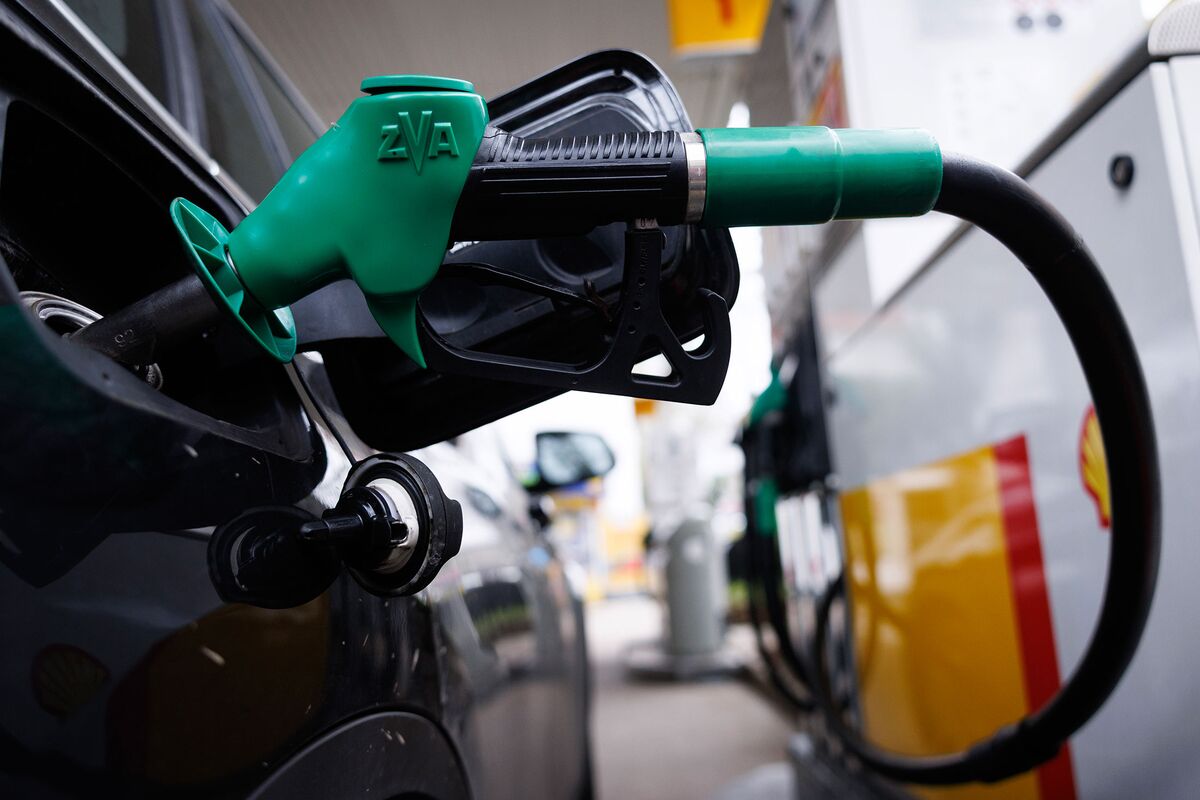
UK retail sales unexpectedly bounced back in March, with the country’s motorists rushing to forecourts to fill up on fuel as petrol prices surged in light of conflict in the Middle East.
Britons became more pessimistic about their finances and the wider economy after the Iran war drove up petrol prices, according to a closely watched survey.
UK businesses stepped up job cutting in March, a sign that the Iran war is causing fresh caution in the labor market after warnings Britain will be one of the hardest hit advanced economies from the energy shock.
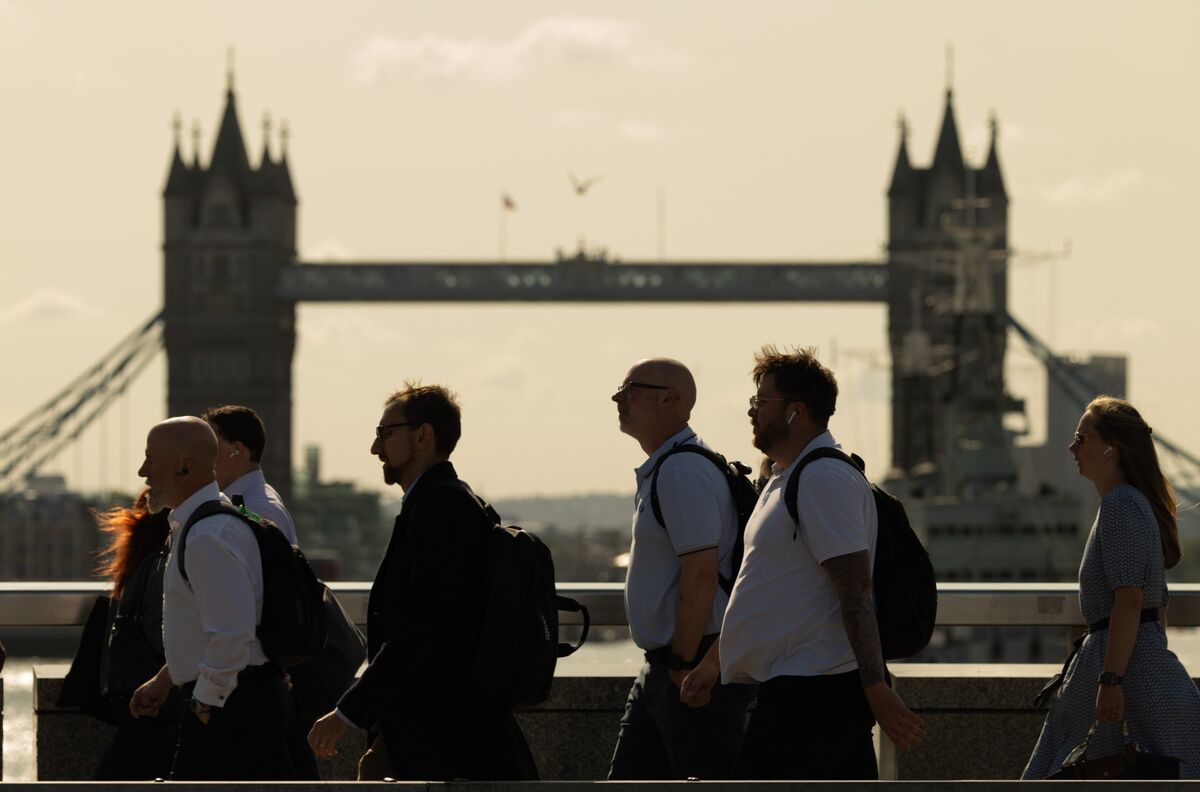
Commuters in London. Photographer: Chris Ratcliffe/Bloomberg
Bank of England Chief Economist Huw Pill said that interest rates may need to rise to contain the threat of inflation, even as energy prices tumbled on Friday.
Huw Pill, chief economist at the Bank of England, during the National Association of Business Economics (NABE) economic policy conference in Washington, DC, US, on Friday, Feb. 16, 2024. The theme of this year's annual meeting is Navigating Geopolitical Turbulence and Domestic Uncertainty.
Bank of England officials are expected to hold interest rates throughout 2026, a Bloomberg survey of economists showed, despite rising inflation as a result of the energy shock from the Iran war.
The UK economy was expanding quickly in the weeks leading up to the outbreak of war in Iran, revealing the extent to which conflict in the Middle East has changed British fortunes.
The Nissan Motor Co. manufacturing plant in Sunderland, UK.

 Anmelden