The Bank of England should ditch proposals to temporarily limit holdings of stablecoins and loosen rules on the assets backing them, according to a report by lawmakers in the House of Lords.
A cyclist rides a Brompton bicycle past the Bank of England, left, and Royal Exchange building, in the City financial district in London, U.K., on Thursday, Dec. 16, 2021. The City of London has transformed from a raucous district with thousands of workers celebrating Christmas into a no-party zone in the space of a week. Photographer: Jason Alden/Bloomberg
Bank of England policymaker Megan Greene said the case for raising interest rates is strengthening as the Iran war continues, a sign more officials could soon join Chief Economist Huw Pill in calling for action against inflation.
Megan Greene, member of the monetary policy committee of the Bank of England
UK factories grew at the fastest pace in four years as the industry sought to get ahead of price increases and supply strains triggered by the Middle East conflict, a key survey found.
A vehicle production line in Sunderland, UK. Photographer: Ian Forsyth/Bloomberg
Bank of England rate-setter Catherine Mann warned that the long run of “good luck” central bankers have enjoyed in keeping a lid on inflation has run out as a more shock-prone era sets in.
The Bank of England could tolerate inflation temporarily staying above its 2% target in order to support the UK’s weak economy, Governor Andrew Bailey said — so long as second-round price effects do not emerge.
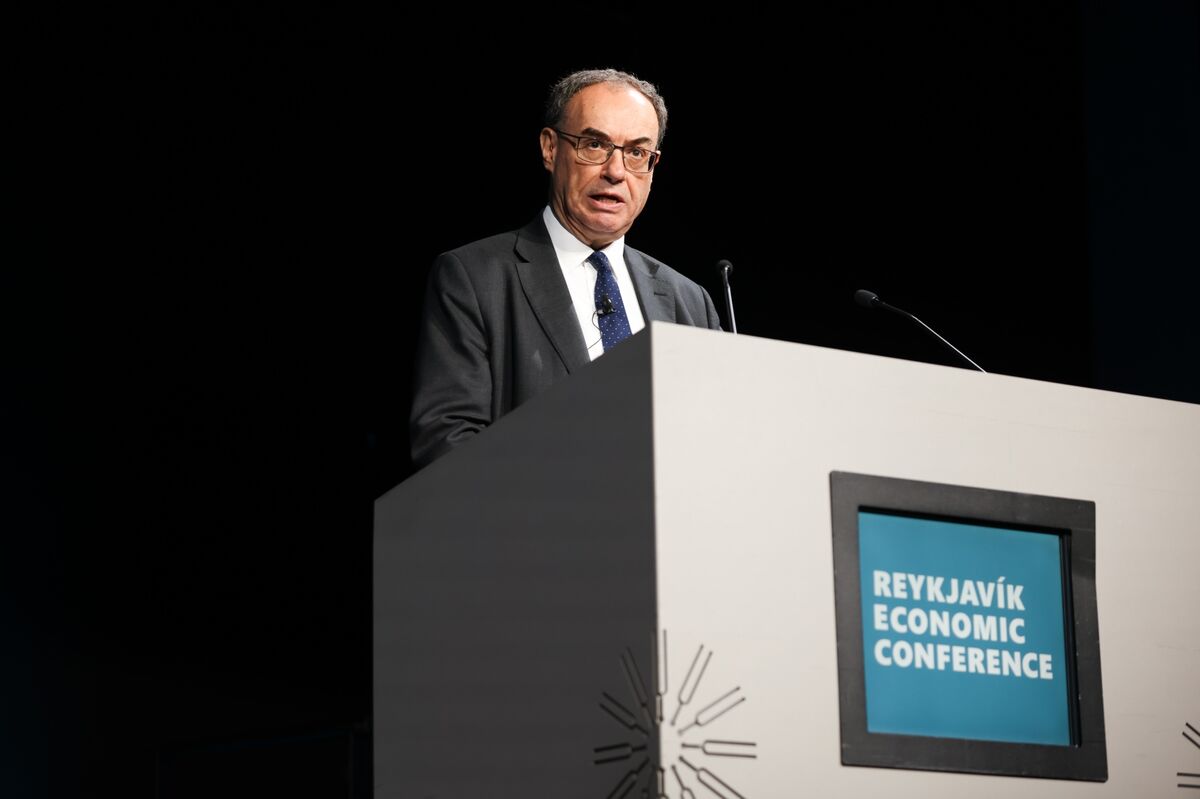
Andrew Bailey at the Reykjavik Economic Conference, on May 29. Photographer: Betty Laura Zapata/Bloomberg
Andy Burnham, the hot favorite to be Britain’s next prime minister, has boasted of a growth miracle in Greater Manchester where he’s been mayor for just under a decade.
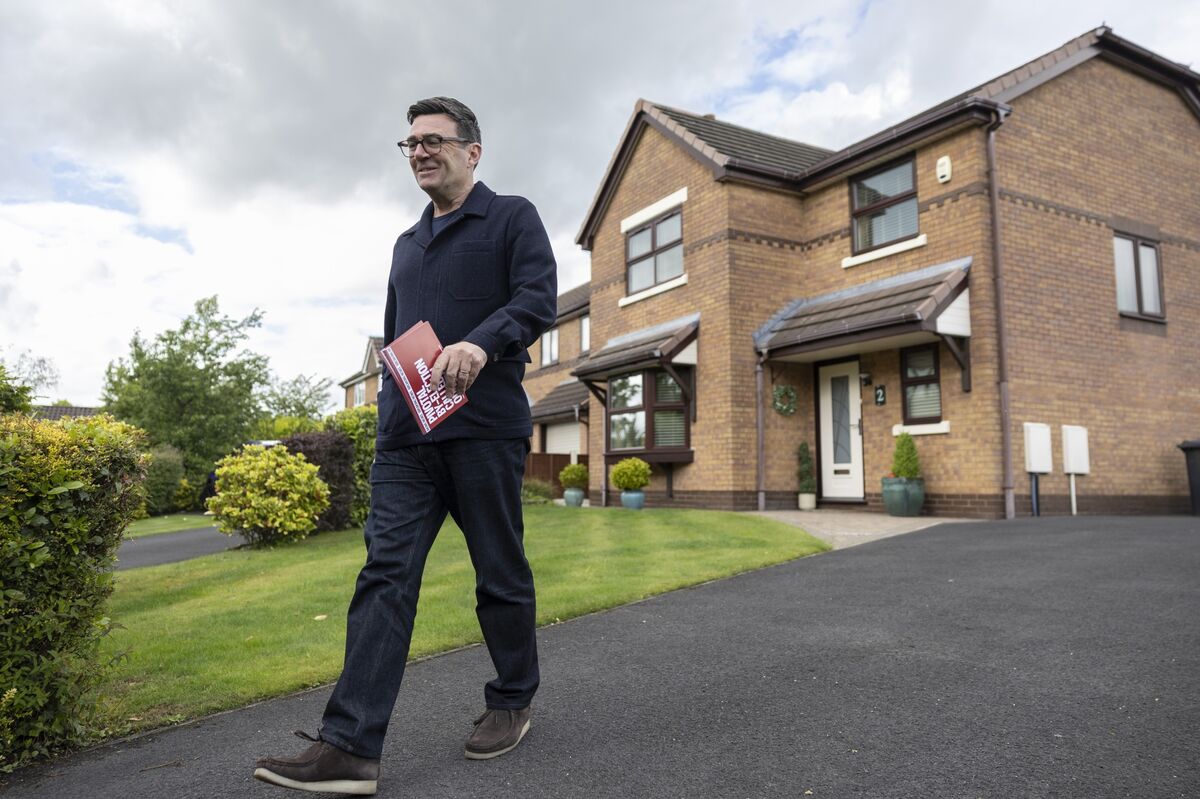
Andy Burnham during canvassing in Wigan, on May 20.
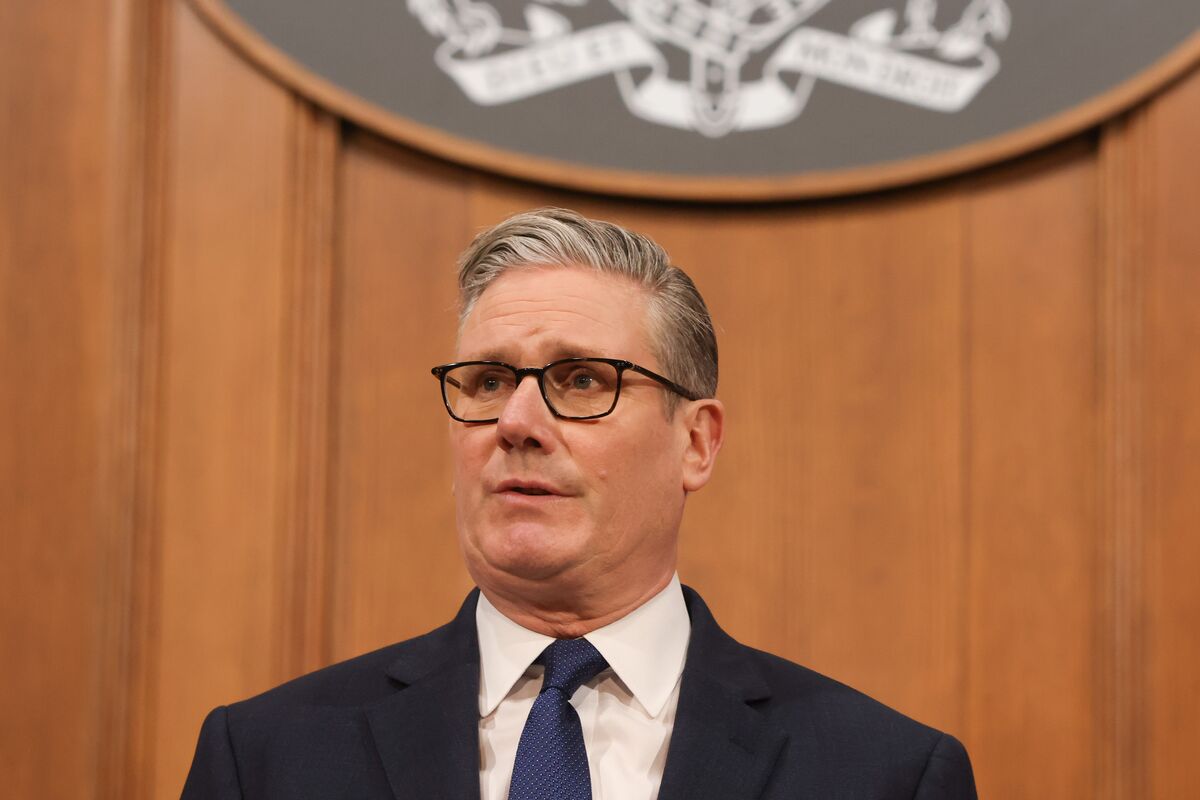
A smile on his face, Keir Starmer approached reporters outside Downing Street on Thursday to talk up recent data that suggested that Britain was the fastest growing economy in the Group of Seven.
Keir Starmer, UK prime minister, leaves 10 Downing Street to attend Prime Ministers Questions in London, UK, on Wednesday, May 20, 2026. Andy Burnham has been confirmed as the Labour Party’s candidate in an election for a vacant House of Commons seat, a contest that will determine whether he can challenge Starmer for the prime minister’s job.
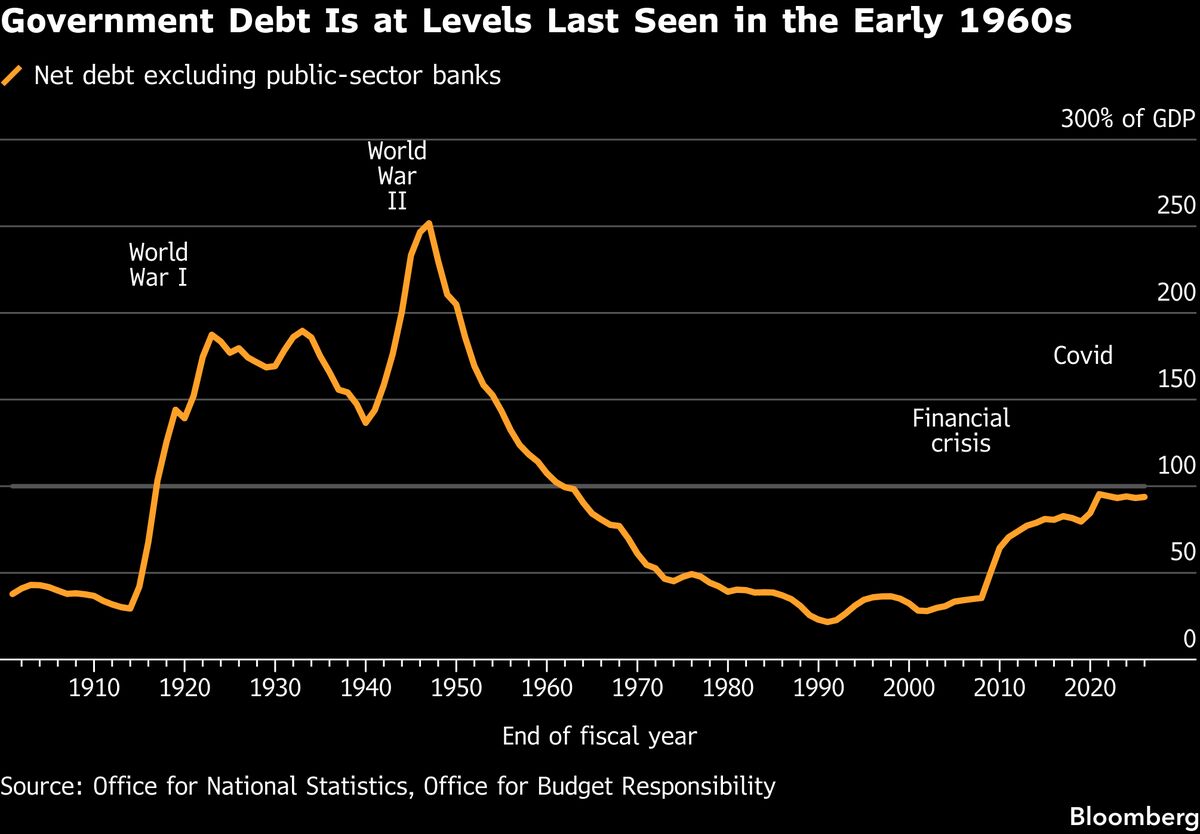
UK government borrowing hit the highest level for any April in six years, as pressure on the public finances mounts from the Iran war and political instability at home.
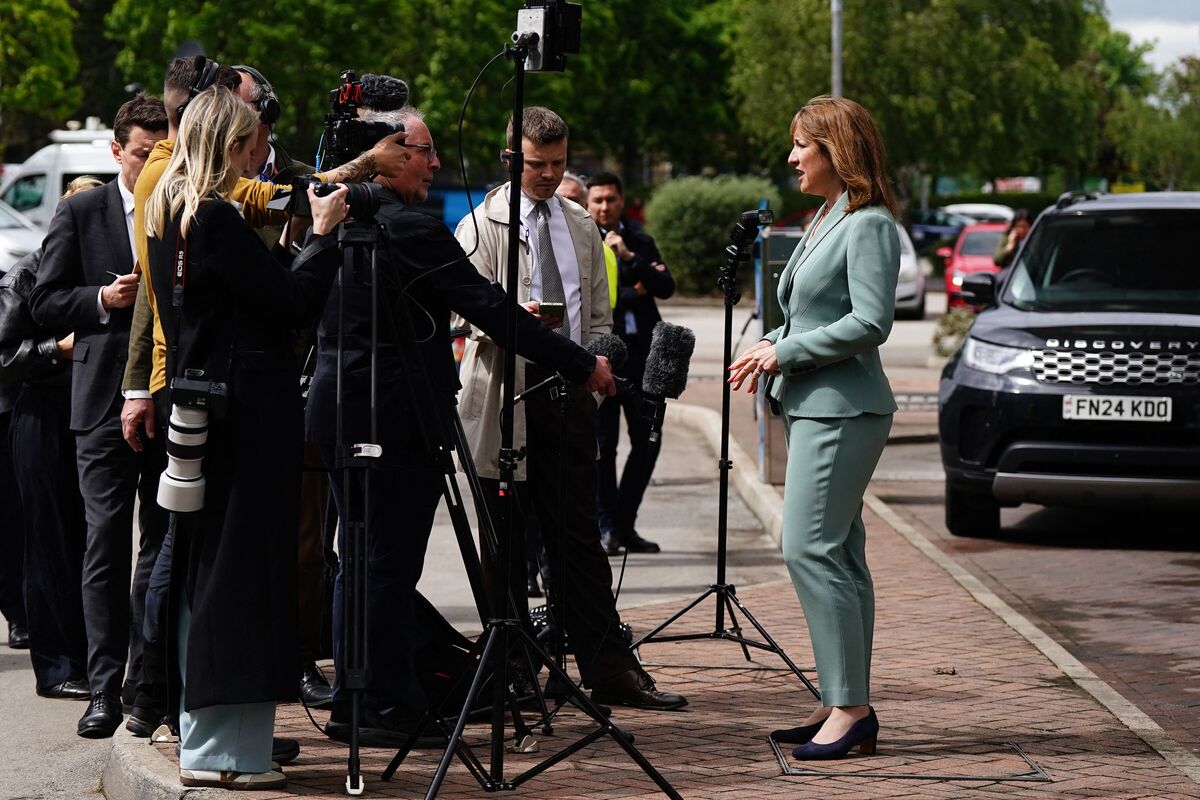
Rachel Reeves during a visit to a petrol station near Leeds, UK, on May 20.
Bank of England Governor Andrew Bailey said productivity growth may slow down as companies and workers experiment with artificial intelligence, warning that the benefits could take time to feed through to the economy.
Andrew Bailey Photographer: Chris Ratcliffe/Bloomberg
UK leadership hopeful Wes Streeting has come out in favor of equalizing the capital gains and income tax rates, in the latest sign of broadening support in the ruling Labour party for a massive increase in levies on investments by the highest-earners.
Wes Streeting Photographer: Carlos Jasso/Bloomberg
Bank of England Governor Andrew Bailey said government controls on food prices are not sustainable in the long run, after reports that the UK Treasury asked supermarkets to cap the cost of essential products.
UK inflation fell to its lowest rate in more than a year, prompting traders to bet on fewer Bank of England interest-rate hikes even though economists expect price pressures to return.
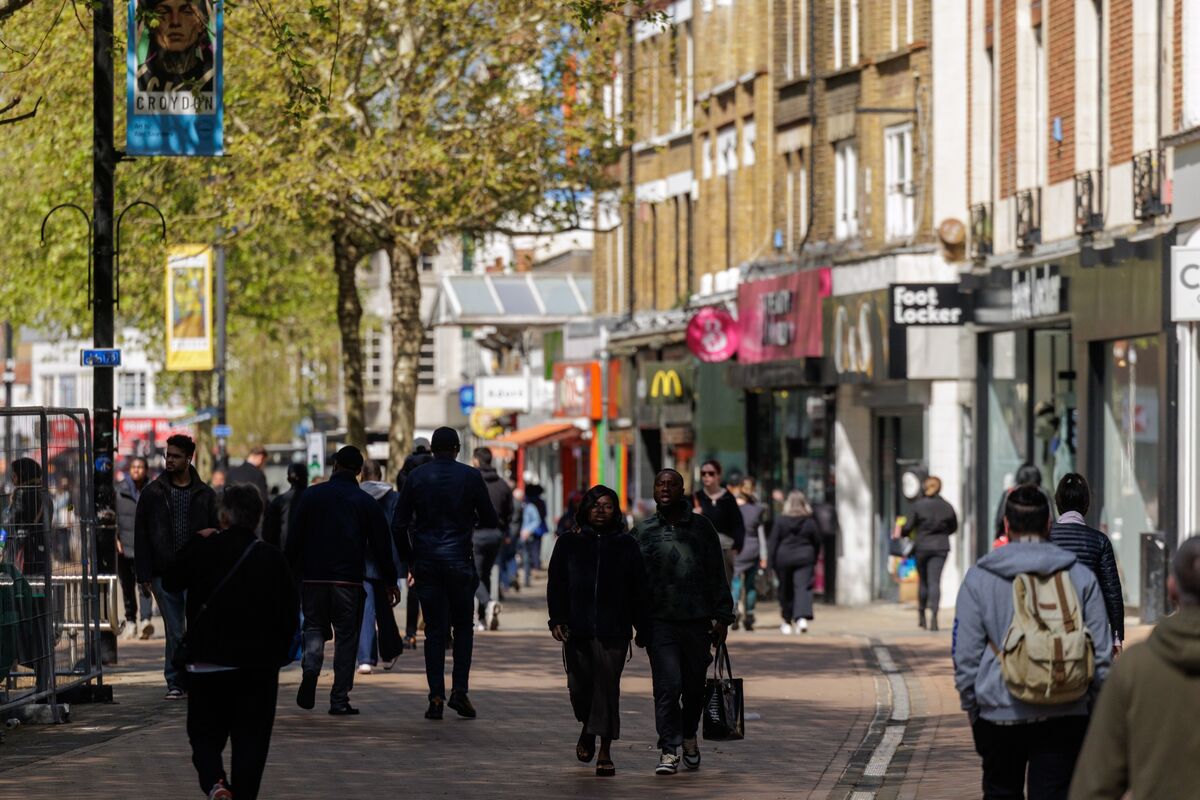
Shoppers on the High Street in Croydon, UK. Photographer: Jason Alden/Bloomberg
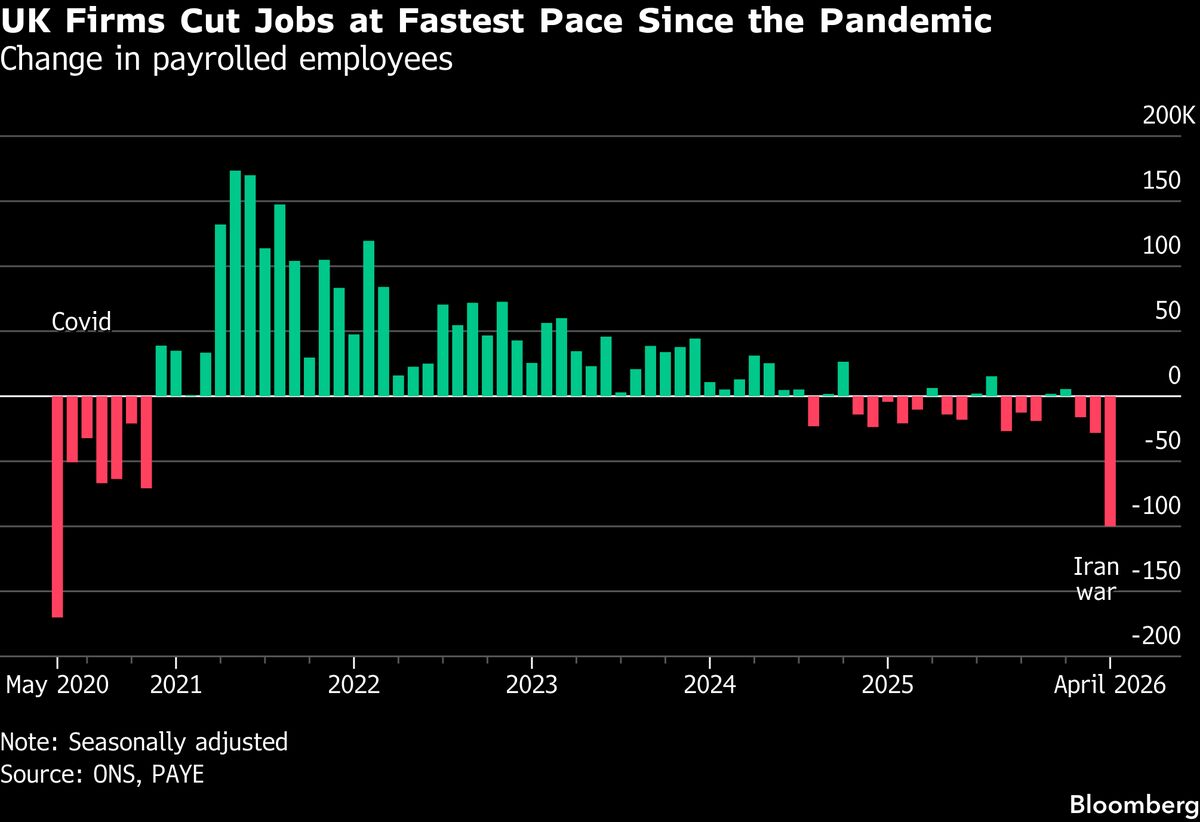
UK employers slashed jobs by the most since the start of the pandemic in April, suggesting demand for workers is weakening as the Iran war pushes up energy costs and saps business confidence.
The International Monetary Fund urged the UK to stick to plans to reduce borrowing and warned of limited space for tax increases as investors brace for a challenge to Keir Starmer’s premiership that could signal changes in economic policy.
Weeks after his general election triumph, Keir Starmer sent voters a sobering message: “Things will get worse before we get better.”
Keir Stamer, UK prime minister, during a news conference providing an update on the situation in the Middle East, at Downing Street in London, UK, on Wednesday, April 1, 2026. The cost of filling up a diesel-powered family car in Britain has passed £100, the RAC said on Tuesday.
Bank of England rate-setter Megan Greene said it’s worth waiting to see how the Iran war develops before deciding whether to hike interest rates, as she warned the risks to inflation are “entirely on the upside.”
Megan Greene in London, on May 6. Photographer: Chris Ratcliffe/Bloomberg
Bank of England Governor Andrew Bailey called for a rebuilding of trade relations with Europe, warning that Britain needs allies in a world dominated by competing superpowers.
The map of English councils lit up in a murky gray on Friday, as more and more town halls returned a divided composition that spells budget paralysis in future.
Nigel Farage, leader of Reform UK, outside Havering Town Hall following the local election in Romford, UK, on Friday, May 8, 2026. Farage's Reform UK racked up sweeping gains in the first counts in local elections, with British voters continuing to turn away from Prime Minister Keir Starmer's governing Labour Party.
The Bank of England will resume paying a dividend to the UK government as it starts to bring its finances under control.
Commuters near the Bank of England in the City of London, UK, on Thursday, April 30, 2026. The Bank of England is likely to keep interest rates on hold on Thursday as policymakers play for time amid the febrile standoff between the US and Iran. Photographer: Chris Ratcliffe/Bloomberg

 Anmelden