Brazilian markets sold off on Thursday as investors criticized the central bank for cutting interest rates while flagging a worsening inflation outlook.
Brazil’s central bank cut its key interest rate by a quarter-point for a third straight meeting while flagging a worsening inflation outlook, prompting many economists to bet its easing cycle may be halted as soon as August.
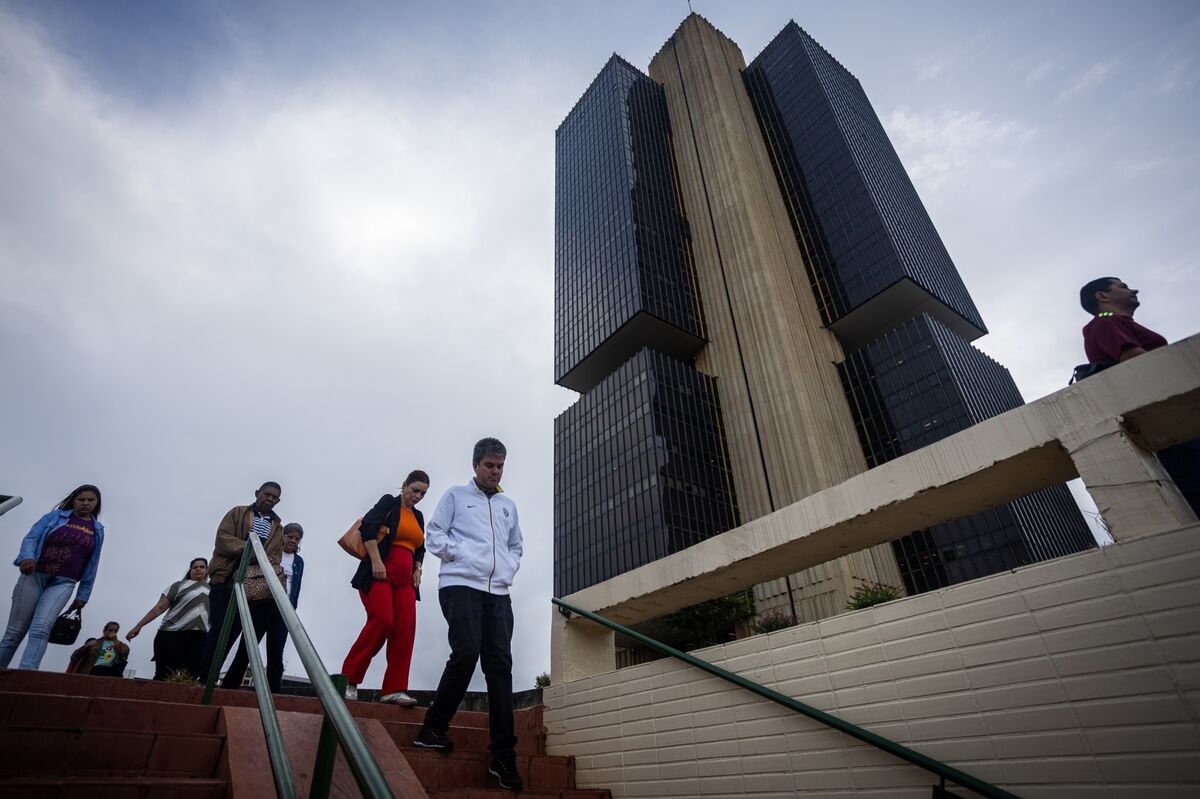
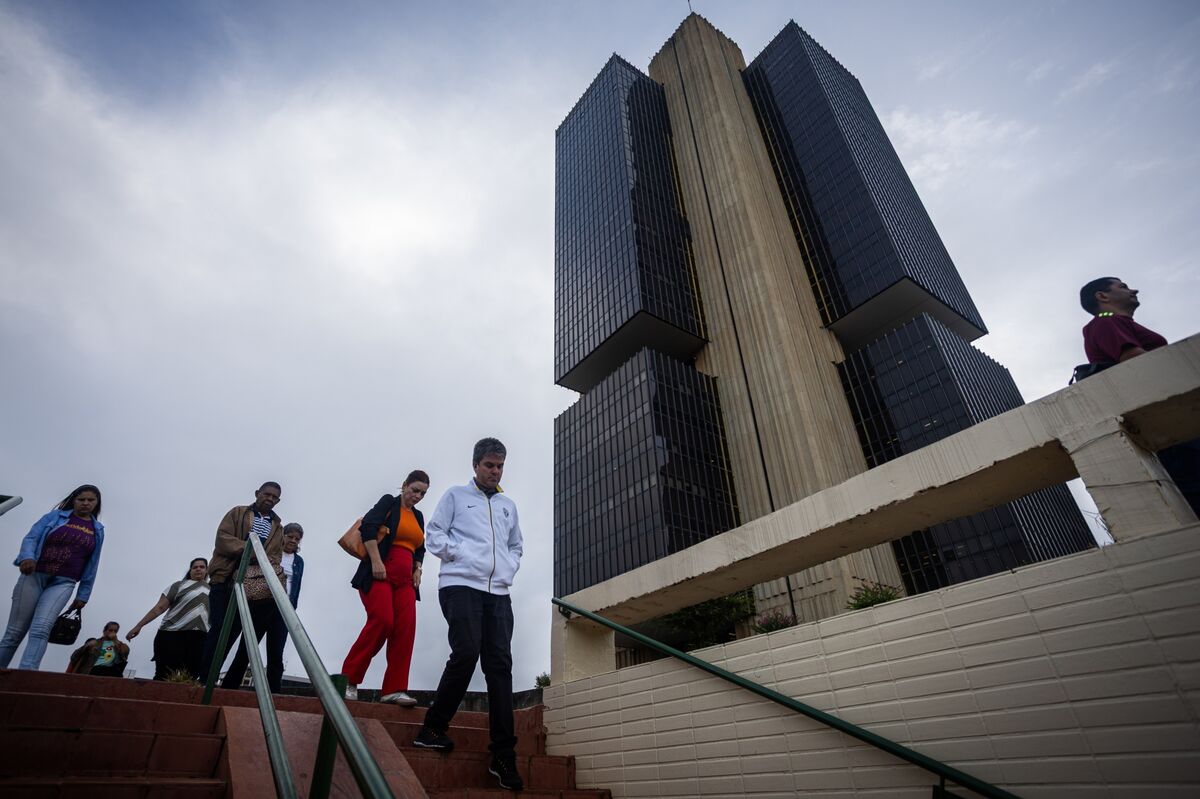
Commuters pass the Central Bank of Brazil in Brasilia, Brazil, on Wednesday, March 18, 2026. Brazil's central bank is poised to launch its monetary easing cycle despite lingering risks to oil prices from the war in Iran.
Brazil’s central bank will likely cut its key interest rate by a quarter-point on Wednesday, with an Iran peace deal easing some pressure as policymakers navigate a series of inflation risks.
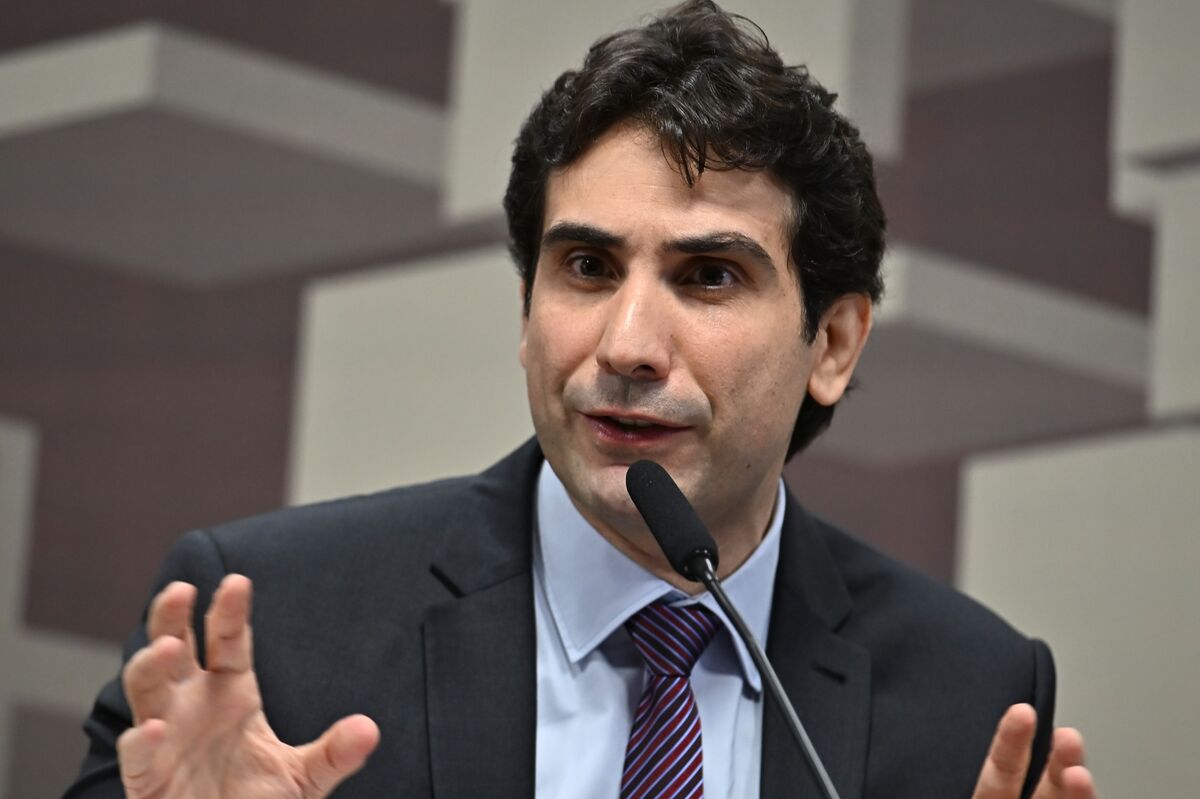
Gabriel Galipolo, governor of the Central Bank of Brazil Photographer: Ton Molina/Bloomberg
Soaring prices for the world’s largest beef producer, Brazil, mean households will be buying less red meat when they gather to watch Brazil’s first game of the FIFA World Cup this Saturday.
Brazil, the world’s largest beef supplier, has its own consumers cutting back, a sign of economic stress and of political tensions building up for President Luiz Inácio Lula da Silva.
Brazil’s central bank is facing pushback from President Luiz Inácio Lula da Silva’s allies and some of its own employees as it seeks greater budget and staffing control, saying resource constraints are hampering oversight of the country’s increasingly complex financial system.
Hours after the US proposed 25% tariffs on Brazil, President Luiz Inácio Lula da Silva had found a way to seize on the threat.
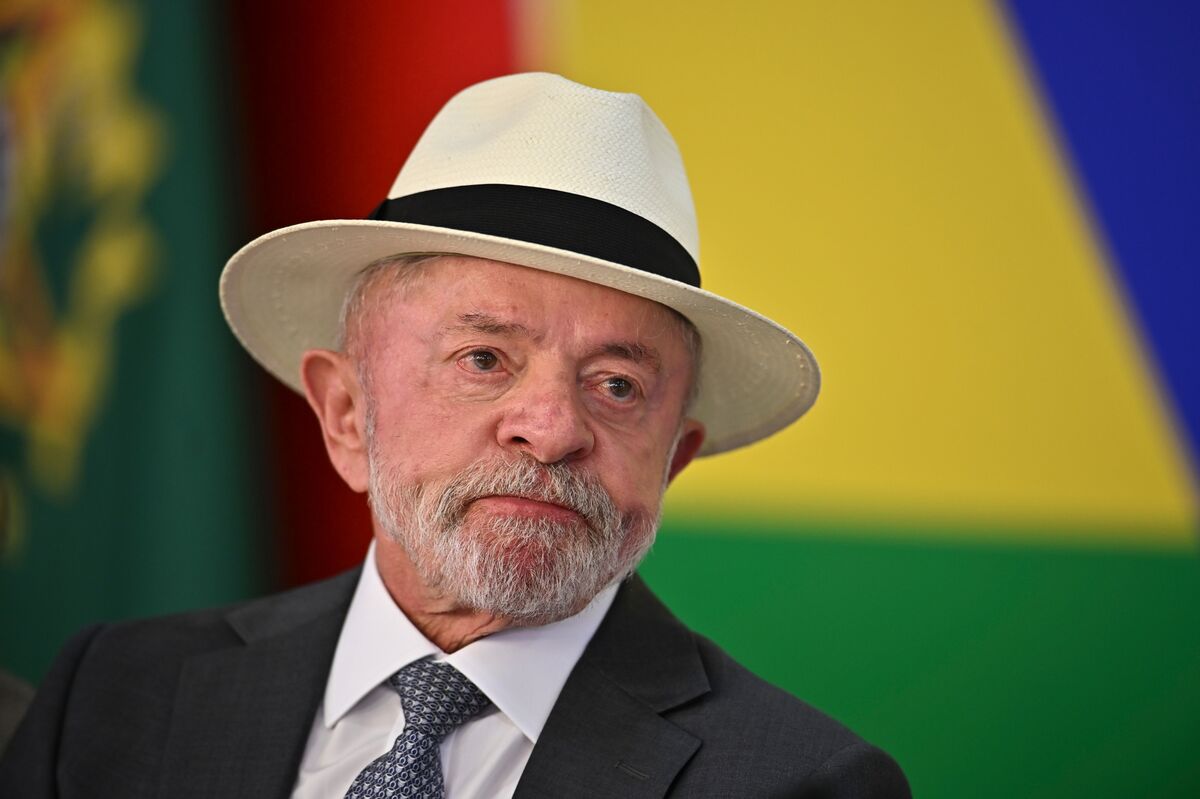
Luiz Inacio Lula da Silva, Brazil's president, at the Planalto Palace in Brasilia, Brazil, on Monday, May 4, 2026. Lula signed a program to renegotiate household debt, his latest measure to support consumption, as he seeks to bolster his popularity ahead of Brazils October elections.
Brazil’s formal job creation slowed much more than expected in April following a surprise surge the month before, as investors mull how much room central bankers have to cut their interest rate.
Workers unload goods at a supermarket in Rio de Janeiro.
Brazil central bank Monetary Policy Director Nilton David said rising 2028 inflation expectations are a growing concern for policymakers, highlighting fears that a global energy shock could pressure the long-term outlook.
The Central Bank of Brazil headquarters in Brasilia, Brazil
Brazil’s Finance Ministry raised its consumer price forecasts sharply and now sees inflation running above target through at least 2027, reflecting the shock from the Middle East war.
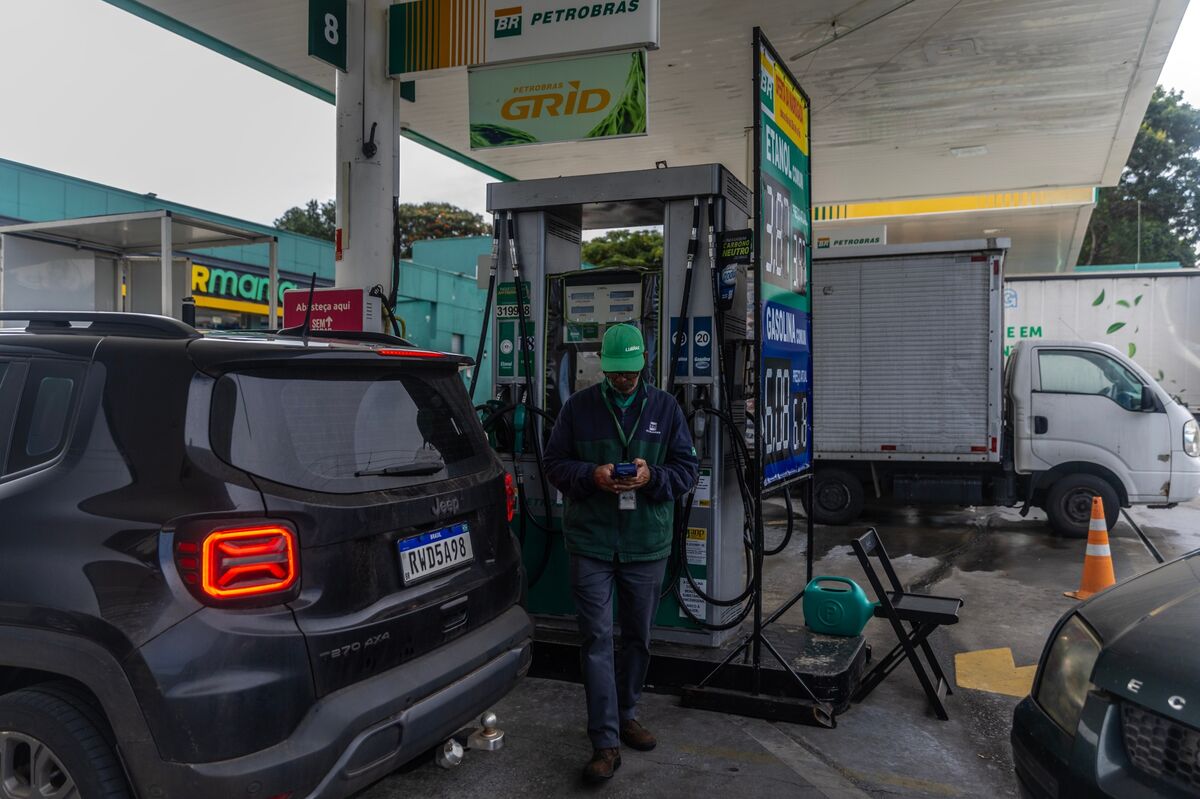
A worker checks a payment terminal at a Petrobras gas station in Sao Jose dos Campos, Sao Paulo state, Brazil, on May 11.
Brazil’s central bank cut its key interest rate by a quarter point for the second straight meeting while signaling that more easing is not set in stone as policymakers grow increasingly wary of accelerating inflation.
The Central Bank of Brazil in Brasilia, Brazil, on Friday, Sept. 5, 2025. Brazil's central bank governor Galipolo said during a presser on new rules for payment companies that the stricter regulation approved by Brazil’s central bank is aimed at fighting organized crime, not financial institutions.
Brazil’s central bank will likely deliver a timid interest rate cut for the second straight meeting as an energy price shock and fresh fiscal stimulus limit a window of opportunity to unwind tight monetary policy.
Brazil’s government will ask Congress for authorization to use extraordinary revenue linked to oil to cut taxes on fuel such as gasoline, diesel, ethanol and biodiesel.
Luiz Inacio Lula da Silva, Brazil's president, during a joint press conference with Cyril Ramaphosa, South Africa's president, not pictured, at Planalto Palace in Brasilia, Brazil, on Monday, March 9, 2026. Ramaphosa’s visit to Brazil will focus on enhancing diplomatic and political relations, as well as economic and commercial relations between the two countries.
Everywhere you look in supermarkets across Brazil, consumers are getting pinched by shrinkflation, laying bare the nation’s affordability woes and posing a risk to President Luiz Inacio Lula da Silva as he seeks reelection.
Brazil’s consumer prices rose much more than expected at the start of this month, adding to the major challenges from the Iran war confronting central bankers as they embark on an easing cycle.
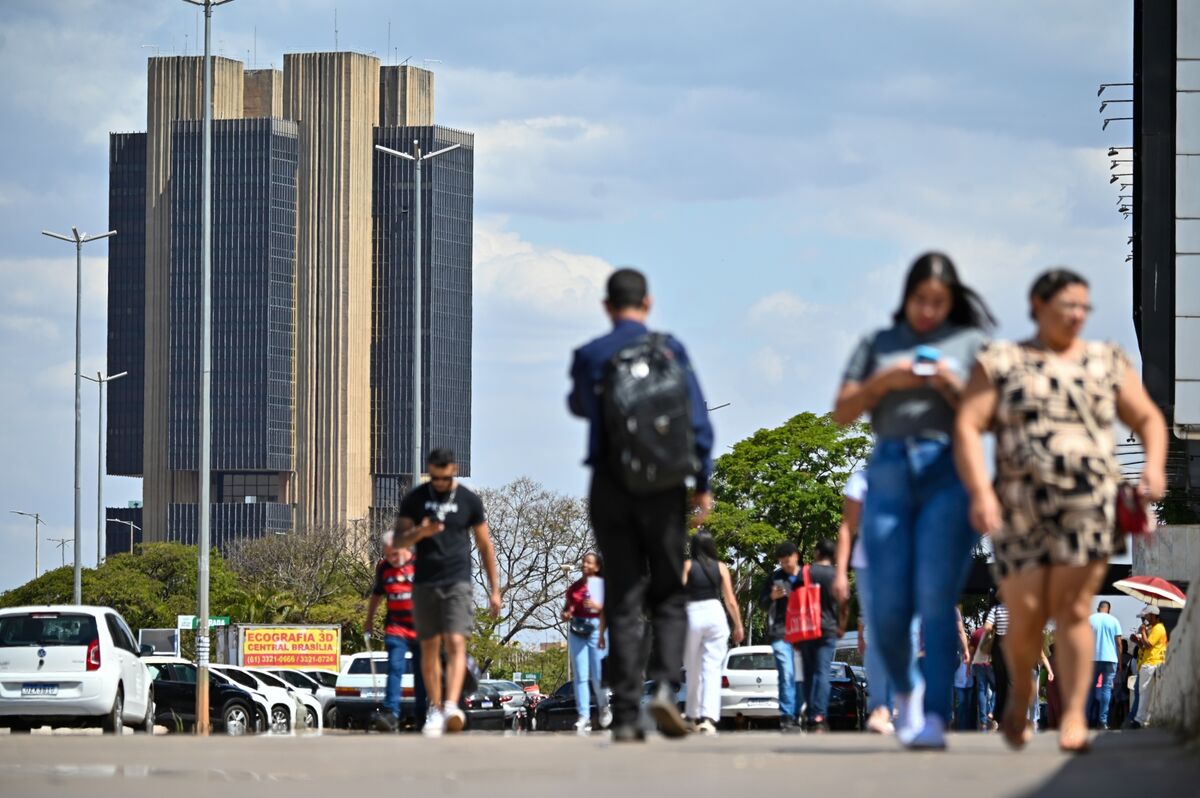
Commuters pass the Central Bank of Brazil in Brasilia.
Brazil’s central bank cut its key interest rate by a quarter-point as the economy cools, while signaling that the pace of additional reductions will hinge on the inflationary impact from the war in the Middle East.
The Central Bank of Brazil in Brasilia, Brazil, on Wednesday, March 18, 2026. Brazil's central bank is poised to launch its monetary easing cycle despite lingering risks to oil prices from the war in Iran. Photographer: Arthur Menescal/Bloomberg
Brazil’s central bank is widely expected to begin easing monetary policy with a modest interest-rate cut, as war in the Middle East stokes inflation fears and complicates President Luiz Inacio Lula da Silva’s reelection bid.
The Central Bank of Brazil headquarters in Brasilia, Brazil
Brazil’s central bank “can’t ignore” the economic fallout of the war in Iran as it prepares to start an easing cycle later this month, one of bank’s key policymakers said Thursday.
 Anmelden