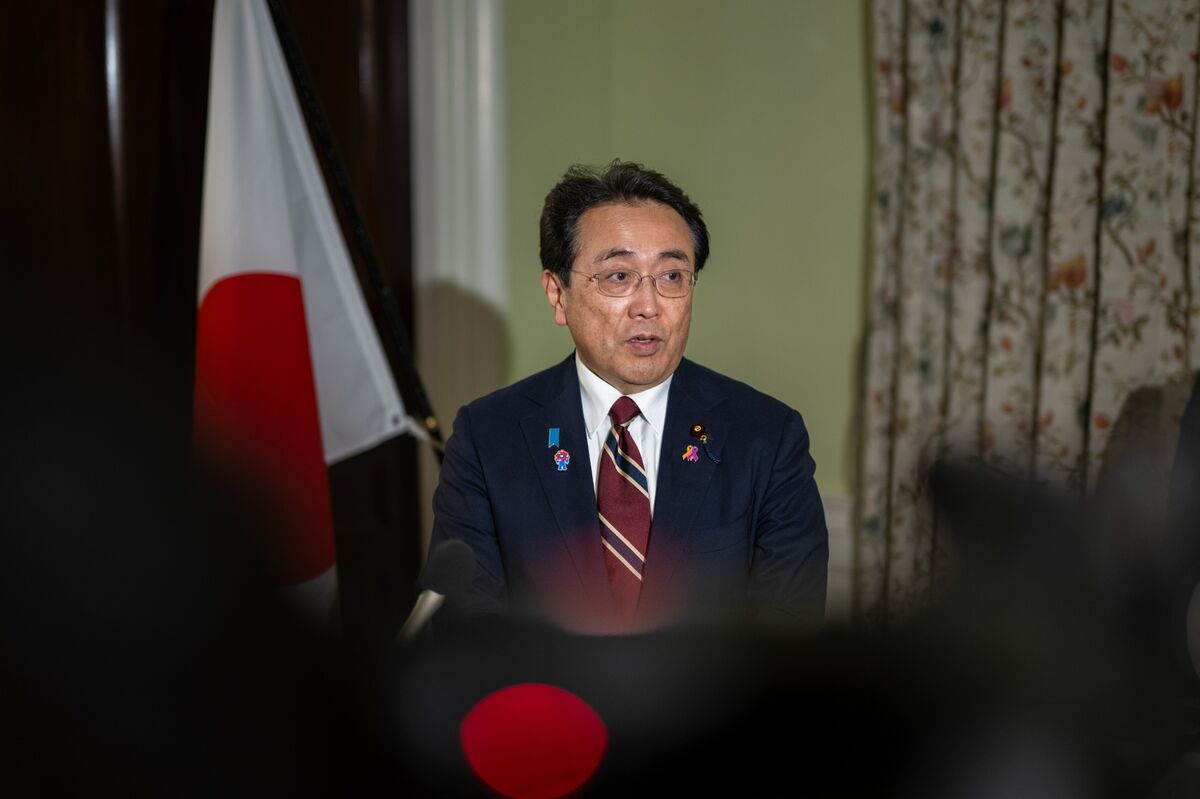
Bank of Japan Deputy Governor Ryozo Himino said he sees a risk that inflation could accelerate beyond the central bank’s 2% target, explaining to government officials the rationale for raising interest rates earlier this week.
Ryozo Himino arrives at the BOJ headquarters in April. Photographer: Toru Hanai/Bloomberg
Japan has sent senior officials to Russia to keep communication channels open and protect the assets of Japanese companies operating there, in what Tokyo says is the latest in a series of visits that have taken place since the war in Ukraine began.
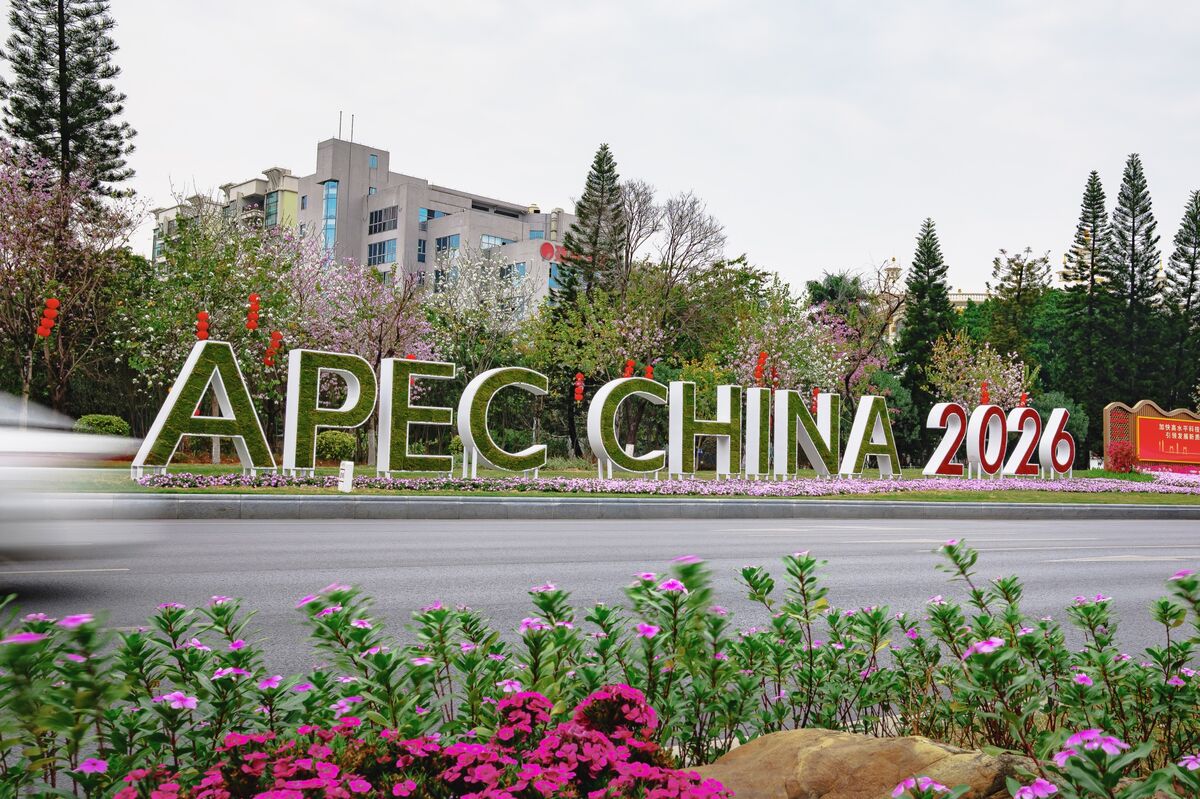
China called for Asia-Pacific economies to deepen cooperation in the face of global tensions, as some of Beijing’s trading partners plan tougher measures to address their growing trade imbalance with the manufacturing powerhouse.
APEC China 2026 signage outside Guangzhou Baiyun International Convention Center. Photographer: VCG/VCG
Japan’s trade balance unexpectedly stayed in the black for a third consecutive month on strong exports and a sharp drop in energy imports.
Power lines over a paddy field in Otawara, Tochigi Prefecture, Japan, on Wednesday, Aug. 27, 2025. In a break from a decades-old policy, Prime Minister Shigeru Ishiba this month encouraged farmers to disregard a cap on rice production and boost cultivation. Photographer: Soichiro Koriyama/Bloomberg
Japan’s household spending fell for a fourth consecutive month even as wages continued to grow, highlighting the fragility of consumption.
A pedestrian zone in the upscale shopping district of Ginza in Tokyo, Japan, on Saturday, May 4, 2024. Japanese businesses are increasingly having to weigh whether to raise prices to pass on rising costs resulting from the weak yen, even as consumer spending remains lackluster. Photographer: Toru Hanai/Bloomberg
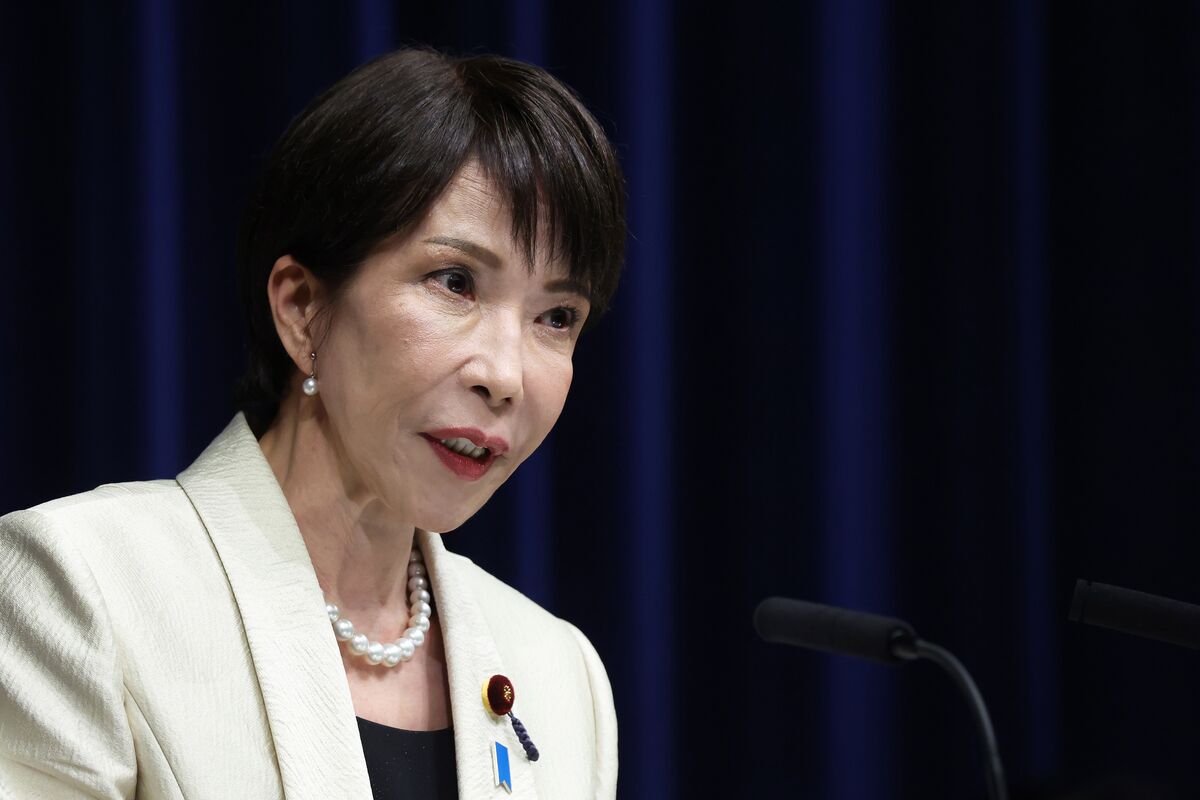
US Treasury Secretary Scott Bessent will spend three days in Japan starting Monday and is expected to meet senior officials including Prime Minister Sanae Takaichi before traveling to China, according to local media reports.
Scott Bessent, US treasury secretary, during a Senate Appropriations Subcommittee on Financial Services and General Government hearing in Washington, DC, US, on Wednesday, April 22, 2026. Bessent is testifying on the agency's 2027 budget request.
Japan will provide $10 billion in financial support to nations in Southeast Asia to help them cope with soaring crude oil prices due to the war in the Middle East.
A man refuels the tank of a motorcycle at a petrol station in Manila on April 7, 2026. (Photo by Jam STA ROSA / AFP via Getty Images)
Japan’s trade chief was given a rebuke for making comments related to monetary policy, with Prime Minister Sanae Takaichi advising him to steer clear of such topics in the future.
Japan’s trade minister said the country will sell oil from its reserves to domestic refiners as a general rule, signaling that the government isn’t currently planning to channel national supplies directly to other Asian nations seeking assistance.
Japan should consider sending warships to help jointly secure the Strait of Hormuz with other nations and protect both its own vessels and those of other nations — even before a ceasefire, according to a former top national security adviser.
Japanese Prime Minister Sanae Takaichi looked to ramp up the nation’s response to the fallout from the war in Iran with a thorough review of the ecosystem of oil-related products, as the likelihood builds of shortages and knock-on effects across the economy.
A majority of Japanese people oppose sending warships to the Middle East in response to the war in Iran, according to two polls conducted over the weekend amid continued US pressure on allies to help secure the Strait of Hormuz.
Japan’s exports grew at a slower pace, as tariffs weighed on car shipments to the US fell and as demand in China slumped due to the Lunar New Year holidays.
New trucks bound for shipment at a port in Yokohama, Japan. Photographer: Toru Hanai/Bloomberg
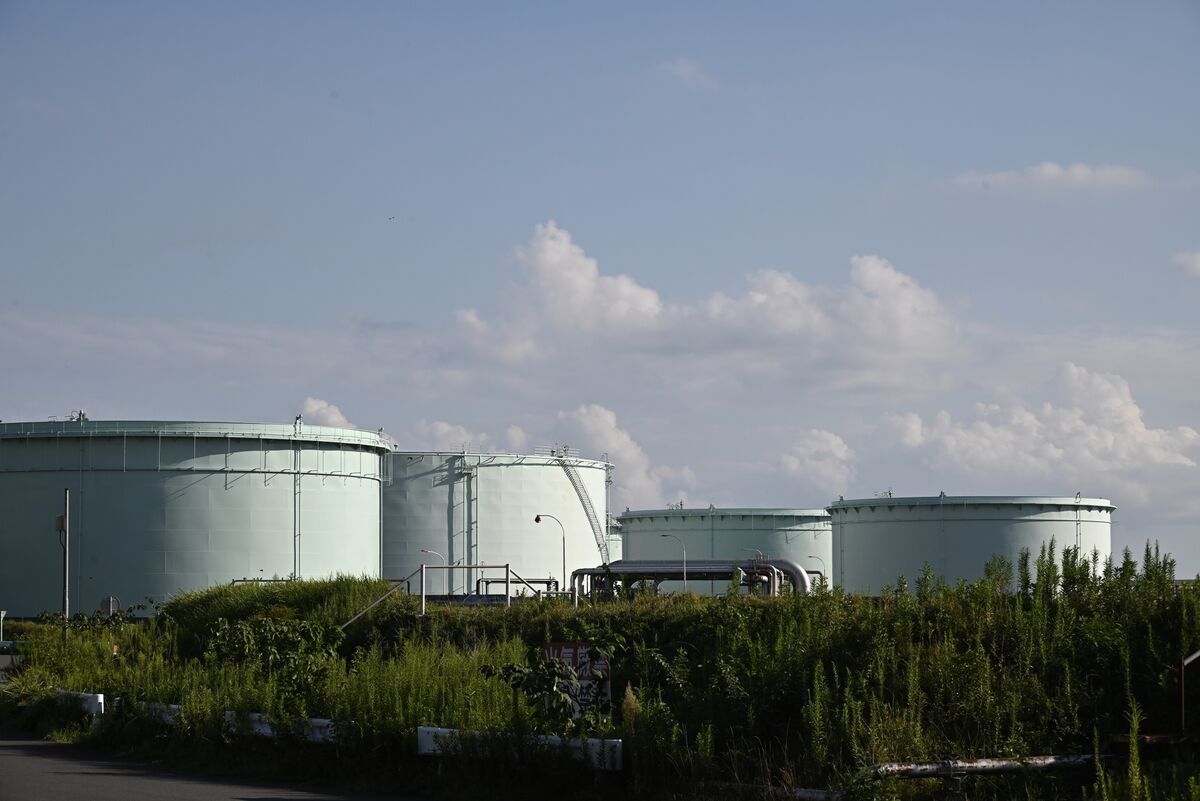
Japan plans to support a joint oil reserve release by members of the International Energy Agency as the war in Iran raises the risk of fallout for the economy via higher energy import prices and weaker global demand.
Oil storage tanks in Japan. Photographer: Soichiro Koriyama/Bloomberg
Japan’s economy expanded in the final quarter of 2025 more than initially reported thanks to stronger corporate investment, as Prime Minister Sanae Takaichi urges further spending to develop key industries.
The surge in oil prices combined with a sagging yen raises the risk that Japan will slide into stagflation, prompting the government to ramp up fiscal spending while complicating the central bank’s mission to normalize its policy settings.
Japanese 10,000-yen banknotes arranged in Kyoto, Japan, on Tuesday, Jan. 27, 2026. The yen is now hovering around its strongest level since October after comments from Japanese officials fueled speculation that the government may intervene in the market to prevent the currency from resuming its slide. Photographer: Kentaro Takahashi/Bloomberg
Japan has asked the US to spare it from a planned tariff increase from 10% to 15% — underscoring fears that higher duties could hit the country’s automobile industry.
Japanese Trade Minister Ryosei Akazawa will visit the US as Tokyo seeks to preserve its trade deal with Washington and build momentum ahead of a summit this month between Japanese Prime Minister Sanae Takaichi and US President Donald Trump.

 Anmelden