Canada plans to send warships to the Indo-Pacific in two deployments this year, its defense minister said, part of a move to deepen military ties with regional allies even as Ottawa also endeavors to build closer trade relations with China.
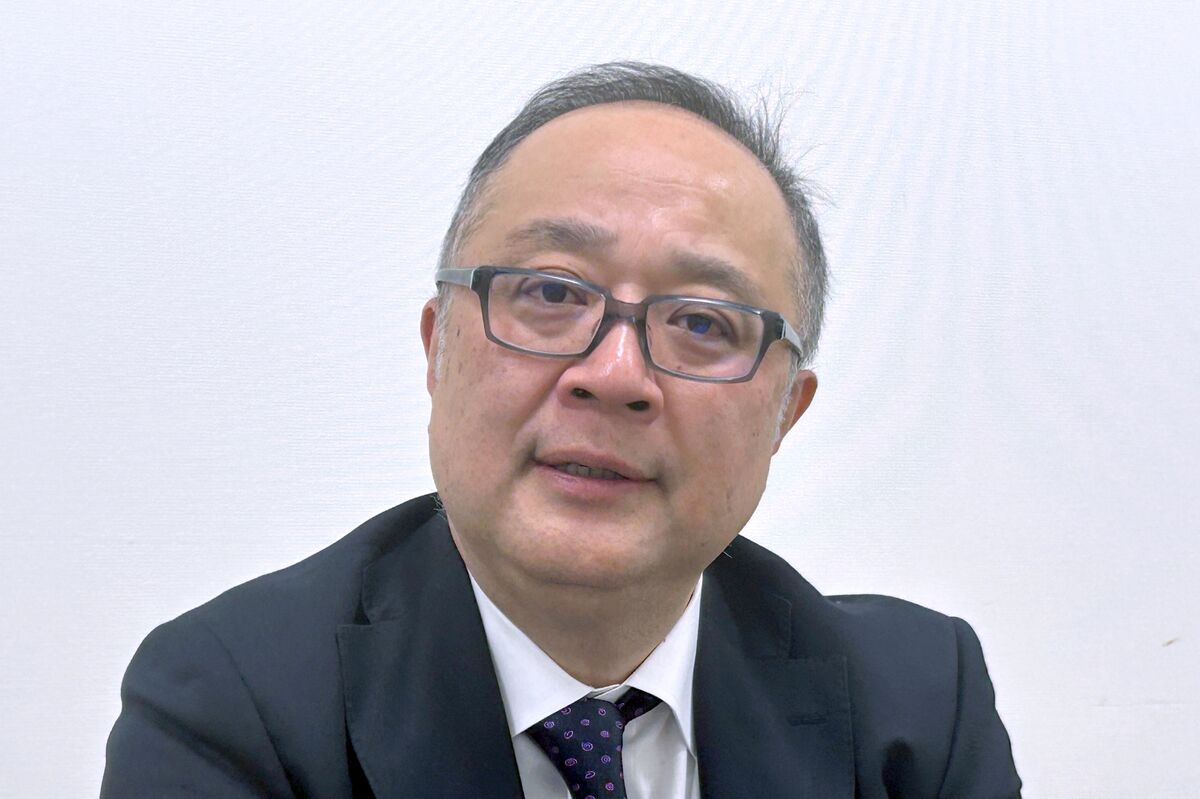
David McGuinty Photographer: Cole Burston/Bloomberg
Japan’s decision to send combat troops to the Philippines for the first time since World War II and participate in a ship-sinking drill in the South China Sea this week underscores Tokyo’s rising willingness to project military power on China’s doorstep.
Japanese troops take part in a counter-landing live fire exercise as part of the annual Balikatan joint military drills on May 4. Photographer: Ezra Acayan/Getty Images
Japan removed most of its restrictions on weapons exports, allowing the nation to sell arms overseas for the first time since World War II in a move aimed at strengthening its defense industrial base.
Japan’s main defense budget and associated spending for the fiscal year that started in April will total ¥10.6 billion ($66.6 million), equivalent to 1.9% of national gross domestic product, just below Prime Minister Sanae Takaichi’s target of 2%.
TOPSHOT - A Patriot Advanced Capability-3 (PAC-3) missile launcher is set next to fully bloomed cherry blossom trees at the Defence Ministry in Tokyo on April 1, 2026. (Photo by Yuichi YAMAZAKI / AFP via Getty Images)
Australia is set to sign a multibillion-dollar contract to buy advanced naval frigates from Japan, sealing a deal that will help modernize its navy, boost Tokyo’s ambitions of becoming a major player in the global defense market and deepen security ties between the two countries.
Japan Maritime Self-Defense Force's JS Mogami frigate moored at Yokosuka Naval Base. Photographerr: Tomohiro Ohsumi/Getty Images
Russia’s Ministry of Foreign Affairs summoned Japanese ambassador to Moscow Akira Muto to lodge a protest over an investment agreement between Japan’s Terra Drone and a Ukrainian developer of unmanned aerial vehicles, according to a statement from the ministry.
Traffic passes along the banks of the Moscow river past the Kremlin building, right, in Moscow, Russia, on Wednesday, July 5, 2017. U.S. officials, including Brett McGurk, the U.S. envoy for the coalition to fight the Islamic State, have been quietly meeting with Russian counterparts for weeks to lay the groundwork for cooperation. Photographer: Andrey Rudakov/Bloomberg
North Korea’s latest missile launch highlights the security challenges existing in the Indo-Pacific region as the world focuses on the tensions in the Middle East, according to the defense ministers of Japan and Australia.
Richard Marles and Shinjiro Koizumi at the Defence Ministry in Tokyo on April 8.
Iran is making the most of its geographic advantage in the Strait of Hormuz, forcing energy buyers to negotiate for safe transit and pushing the US to demand help from other nations to secure a reopening that — even in the best case — could take weeks.
The damaged Mayuree Naree bulk carrier near the Strait of Hormuz on March 11. Source: Royal Thai Navy
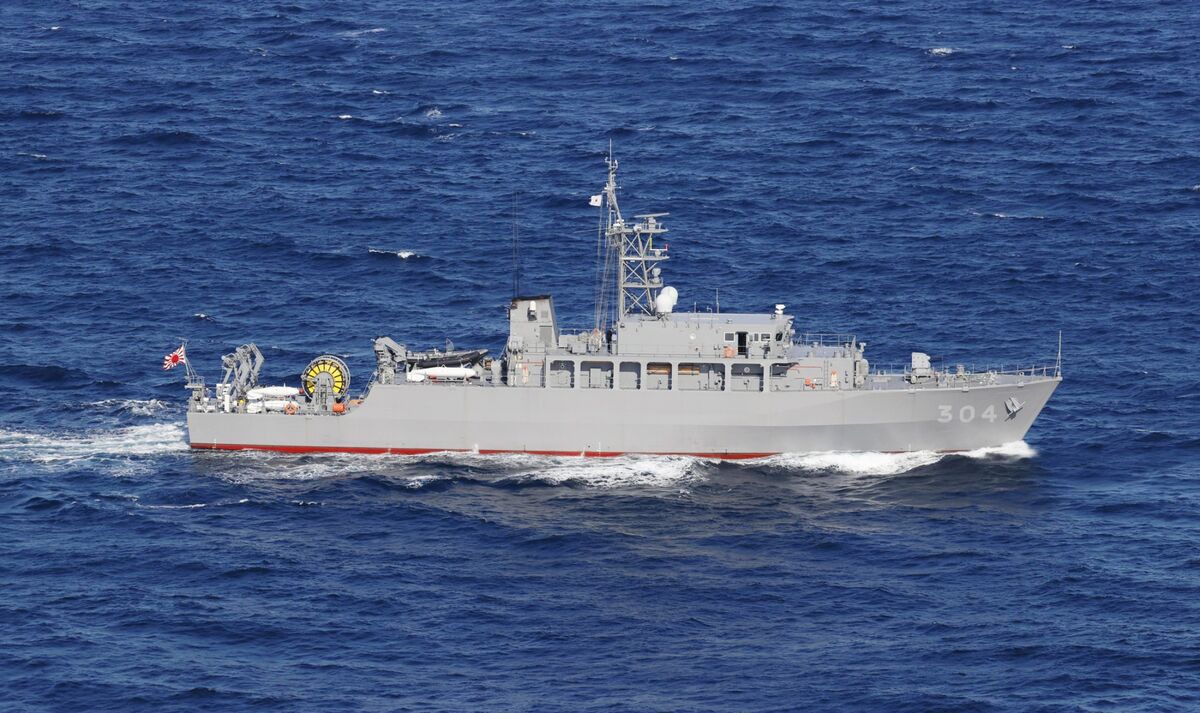
Japan’s pacifist constitution wouldn’t bar the country from helping with mine clearance around the Strait of Hormuz at the conclusion of the war between the US, Israel and Iran, but Tokyo has no plans to deploy minesweepers to the region, Prime Minister Sanae Takaichi said.
Back in October, Sanae Takaichi struggled to wrangle enough seats in parliament to become prime minister. Now she has the biggest election mandate of any Japanese leader since World War II.
Japanese Defense Minister Shinjiro Koizumi said assessments were ongoing into the impact of China’s decision to restrict exports to Japan of dual-use items for military purposes, and he added Tokyo would take appropriate countermeasures in response.
China started an anti-dumping probe into a key chipmaking material from Japan, escalating the dispute between Asia’s largest economies shortly after Tokyo officials rebuked Beijing over potentially wide-ranging export controls.
China isn’t contributing to the peace and stability of the Asia-Pacific region, Japanese Defense Minister Shinjiro Koizumi and US Defense Secretary Pete Hegseth concurred on Friday following accusations from Tokyo that at least one Chinese fighter jet used its weapons-targeting radar on Japanese fighters.
Japan and China remain locked in a blame game, with Japan complaining that China did not provide enough information on a Chinese military exercise that led to an alleged use of fire-control radar against Japanese fighter jets.
Japan still lags behind the US and Europe in defending against cyber threats and improvements are needed across the corporate sector, the nation’s new cyber chief said.
Japanese Prime Minister Sanae Takaichi rebuffed demands from China to retract her recent comments about Taiwan, saying there was no change to Tokyo’s stance on how it would respond to a major regional security crisis.
The US has Japan’s back in its dispute with China over remarks made by Prime Minister Sanae Takaichi about Taiwan, US Ambassador to Japan George Glass said Thursday, adding that some of the reaction from Beijing has been “outrageous.”
George Glass Photographer: Kazuhiro Nogi/AFP/Getty Images

 Anmelden