Australia fell into a surprise trade deficit in May as exports dropped the most all year, with imports extending a streak of gains caused in part by high fuel prices and data center demand.
Sydney’s home-price declines accelerated in June, dragging down national values by the most in 3-1/2 years, reflecting a combination of affordability and cost-of-living pressures as well as higher interest rates.
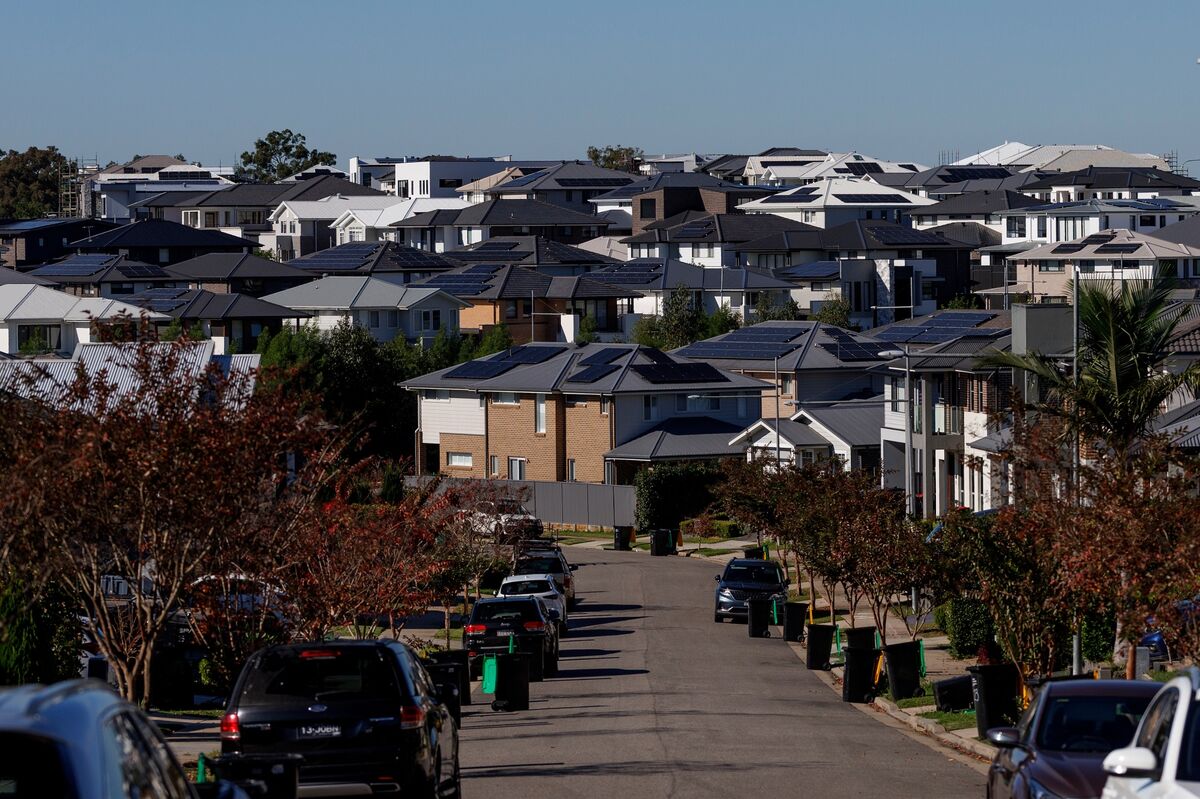
Newly built houses in the Glenmore Park suburb of Sydney, Australia, on Monday, June 1, 2026. Australian home prices stagnated last month, with growth weakening across most major cities as higher borrowing costs and tax reforms sapped demand.
The Philippines, United Arab Emirates and Indonesia will start talks about joining a regional trade bloc, the next step for the three in efforts to expand free-trade ties.
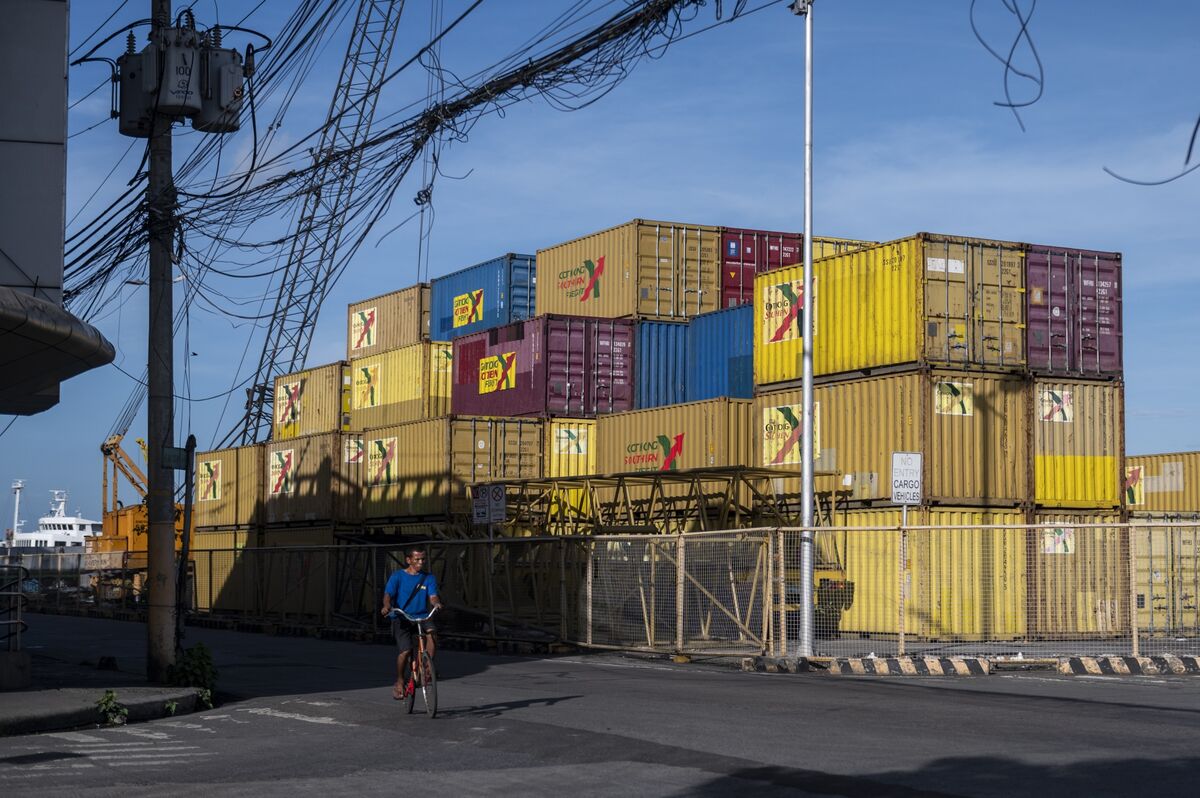
The Port of Cebu in Cebu City, the Philippines. Photographer: Lisa Marie David/Bloomberg
Australia’s core inflation remained above the top of the Reserve Bank’s target in May, reinforcing expectations policymakers will maintain a hawkish stance on interest rates.
One of Australia’s biggest pension funds is ramping up scrutiny of KPMG Australia and the nation’s central bank moved to sever ties with the firm, as the accounting giant’s handling of misconduct allegations by a whistleblower fuels the latest scandal to rock the industry.
Australia’s economy decelerated last quarter, propped up by a massive surge in investment into data centers that helped cushion the early impact of higher fuel costs and rising interest rates.
The Aukus alliance members — Australia, UK and the US — announced Saturday that they will develop advanced underwater drone systems and further deepen their maritime relationship that will see American submarines in Australia by next year.
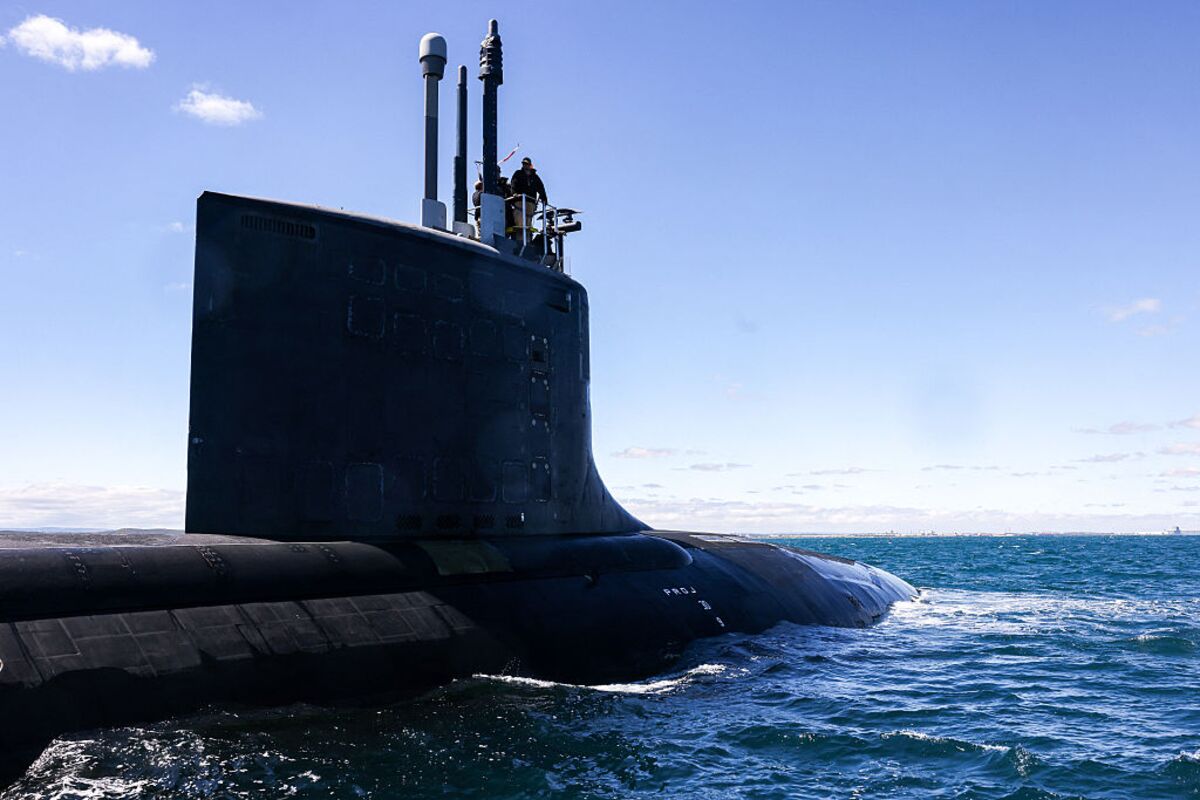
The US Navy's USS Minnesota (SSN-783), a Virginia-class fast attack submarine, sails in waters off the coast of Western Australia on March 16, 2025. (Photo by COLIN MURTY / POOL / AFP) (Photo by COLIN MURTY/POOL/AFP via Getty Images)
Record investment in data centers in Australia is providing much-needed support for the economy that’s feeling the strain from the global energy crunch and higher interest rates.
Australia’s Treasurer Jim Chalmers is defending proposed tax changes on capital gains and housing, arguing that they increase fairness for investors and still offer more attractive rates than overseas markets.
Jim Chalmers Photographer: Hilary Wardhaugh/Bloomberg
The Solomon Islands, a small Pacific nation caught in the China and US competition, elected a new prime minister seen as less friendly to Beijing than his predecessors.
The streets of downtown Honiara, Solomon Islands. Photographer: Mavis Podokolo/Getty Images
Australia’s government conducted scenario analysis in its annual budget under which the war in Iran intensifies, driving oil to $200 a barrel and throwing the global economy into chaos.
Australia’s upcoming budget will take aim at soaring home prices and seek to make it easier for people to gain a foothold in the housing market, Treasurer Jim Chalmers said.
Jim Chalmers Photographer: Hilary Wardhaugh/Bloomberg
Governments across Asia are intervening into fossil fuel markets to try and smooth over disruptions.
Liquefied natural gas (LNG) storage tanks tanks operated by Osaka Gas Co., in Himeji, Japan, on Wednesday, April 22, 2026. Japanese consumers may begin to see the impact of the war in Iran on electricity and natural gas bills from around June, according to Trade Minister Ryosei Akazawa. Photographer: Buddhika Weerasinghe/Bloomberg
Australian Treasurer Jim Chalmers aims to deliver a budget that tackles inflation, revives productivity and reins in deficits, a tough challenge at a time when fuel prices are soaring because of the war in the Middle East.
Australia recorded its first trade deficit in more than eight years as the war in Iran drove up the cost of fuel imports, squeezing households and further fueling inflationary pressures that have forced the Reserve Bank to raise interest rates.
The European Union and Australia agreed to a free-trade deal, wrapping up almost a decade of talks as the two sides push to tighten ties and reinvigorate a rules-based order that’s under assault from the Trump administration.
Ursula von der Leyen, left, and Anthony Albanese in Canberra. Photographer: Hilary Wardhaugh/Bloomberg
China’s export growth accelerated far faster than expected in the first two months of the year, putting shipments on a record path before US and Israeli strikes on Iran disrupted global trade.
China set its most modest growth target since 1991, a tacit acknowledgment that the model powering the country’s economic rise is showing strains.
BIJIE, CHINA - JANUARY 20: Workers manufacture speaker coils at an electronic component manufacturing enterprise on January 20, 2026 in Bijie, Guizhou Province of China. (Photo by Qu Honglun/China News Service/VCG via Getty Images)
China’s trade volumes soared above last year’s record-setting levels in the weeks before US and Israeli strikes hit Iran, as a widening military conflict risks causing a new disruption to global commerce.

 Anmelden