India is considering options including holding talks with Iran in order to secure safe passage for at least nine laden tankers waiting in the Persian Gulf, as attacks in the waterway threaten an already fragile interim ceasefire.
India plans to build larger oil inventories, expand storage capacity and deepen supply partnerships to hedge against the kind of price volatility seen during the Iran war.
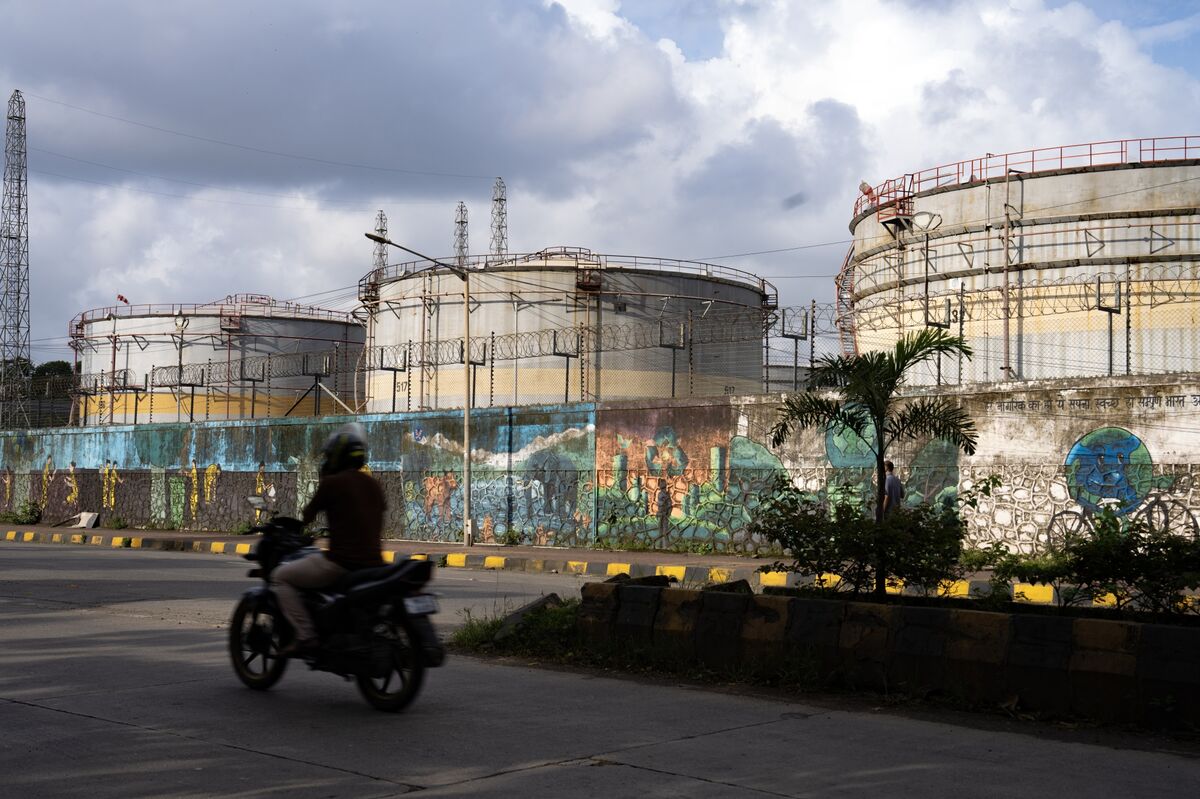
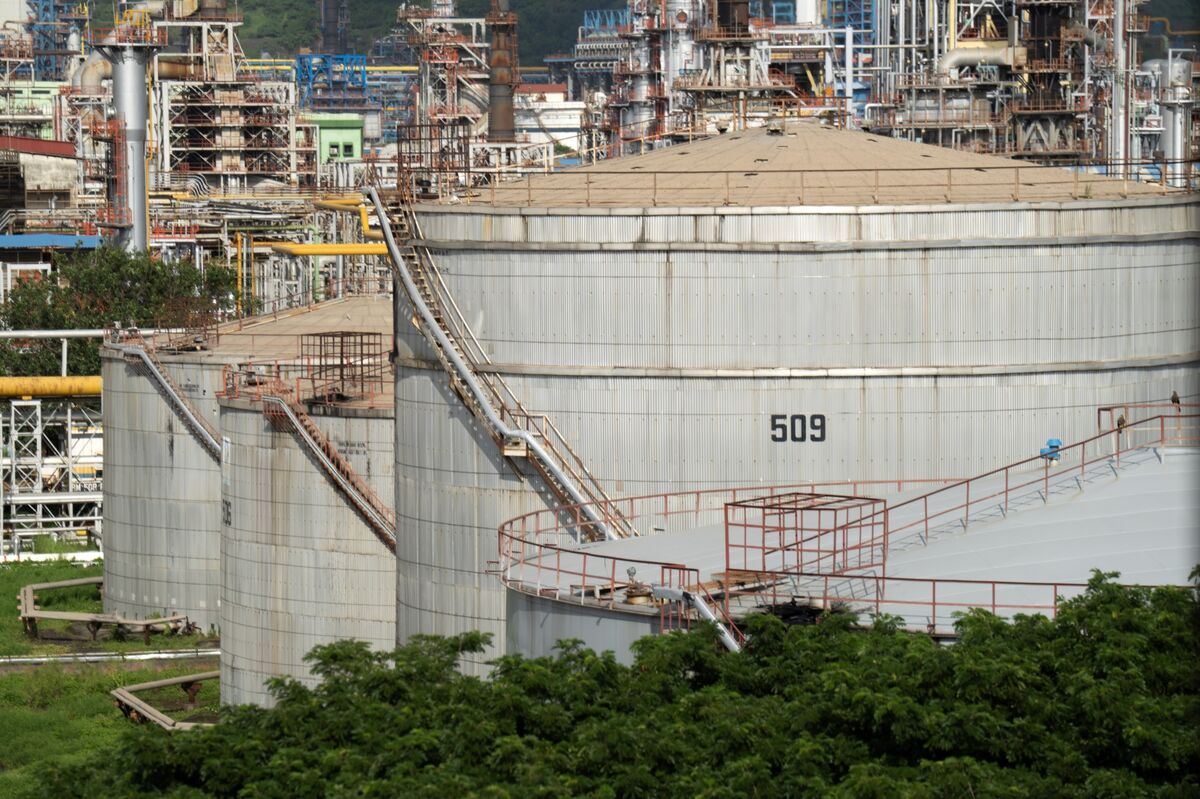
Storage tanks at a Bharat Petroleum Corp. oil refinery in Mumbai, India, on Monday, Aug. 11, 2025. India's state-owned oil refiners are pulling back from purchases of Russian crude for now, according to people with direct knowledge of the companies' procurement plans, as Washington ratchets up the pressure on New Delhi over the flows with a wave of harsh tariffs.
India’s state oil refiners are planning to reduce their reliance on the Middle East following the supply shock of the Iran war, and will lean more heavily on alternative options including through spot-market purchases, according to people familiar with the matter.
India plans to build strategic reserves of crude, liquefied petroleum gas and liquefied natural gas large enough to meet as much as a month of domestic demand, as the country seeks to avoid a repeat of the supply shock created by the war in the Persian Gulf.
India’s state-owned oil refiners have kept jet fuel prices steady for local flights following a plea from airlines to hold off on further hikes as they grapple with the fallout from the Iran war.
India’s state-run fuel retailers raised gasoline and diesel prices for the fourth time in 10 days in response to disruptions in global energy markets, a move that risks exacerbating inflationary risks in the economy.
An Indian Oil Corp. gas station in Bengaluru, India, on Thursday, March 4, 2021. India’s record pump prices of gasoline and diesel are the newest threat to the economy's nascent recovery, as high local taxes on retail fuel risk fanning inflation and driving a wedge between the objectives of fiscal and monetary policy makers. Photographer: Dhiraj Singh/Bloomberg
India’s consumers — hit with the first fuel price hike in four years — will likely face more such rises in the near term, as the government grapples with the economic impact of a months-long conflict in the Persian Gulf.
Fuel pumps at an Indian Oil Corp. gas station in Noida, Uttar Pradesh, India, on Wednesday, April 8, 2026. Oil fell the most in almost six years and stocks surged after the US and Iran agreed to a two-week ceasefire, giving markets a respite from the turbulence driven by the Middle East conflict.
An India-linked tanker laden with liquefied petroleum gas has managed to transit the Strait of Hormuz, a rare crossing that underscores the country’s struggle to alleviate an historic energy crisis.
The Sarv Shakti was seen transiting the Strait of Hormuz early Saturday.
India’s efforts to shield consumers from a historic oil shock are reverberating through the refining sector, squeezing margins, stretching balance sheets and forcing companies into costly workarounds.
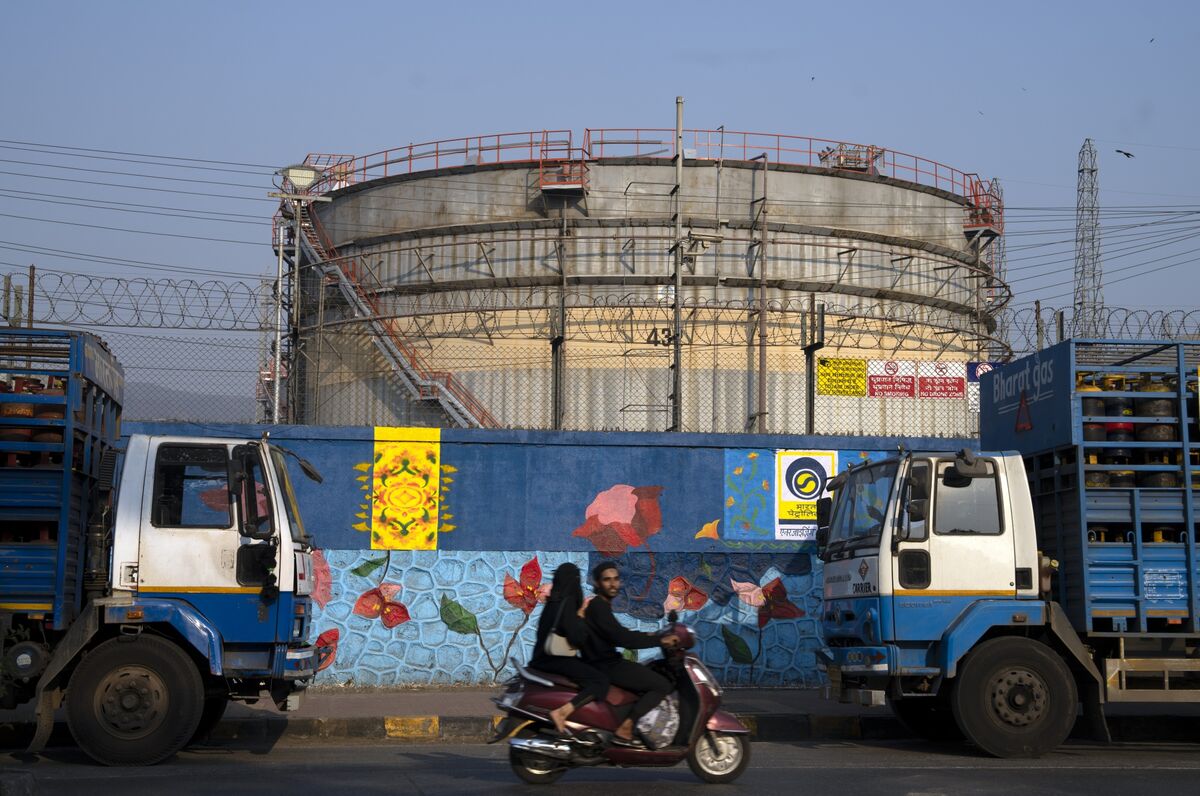
Oil tanker trucks outside an oil refinery in Mumbai.
Operators of truck fleets across India are bracing for fuel rationing and the first significant increase in diesel prices in years, a move that would end a period of relative stability that has continued even into a war in the Persian Gulf.
Indian refiners have splurged on Russian crude in the last two months and expect to continue buying at current lofty levels for the rest of the year, as the country navigates a Middle East supply crunch and the threat of US sanctions begins to fade.
India is buying crude from Iran among other countries in order to navigate the current energy crisis, the country’s oil ministry said, denying payment hurdles were impeding those purchases.
Auto-rickshaws queue to refuel at an LPG filling station in Bengaluru on April 1, 2026. India is the world's fourth-largest buyer of liquefied natural gas (LNG) and second-largest buyer of LPG, which is used for cooking and predominantly sourced from the Middle East. (Photo by Idrees MOHAMMED / AFP via Getty Images)
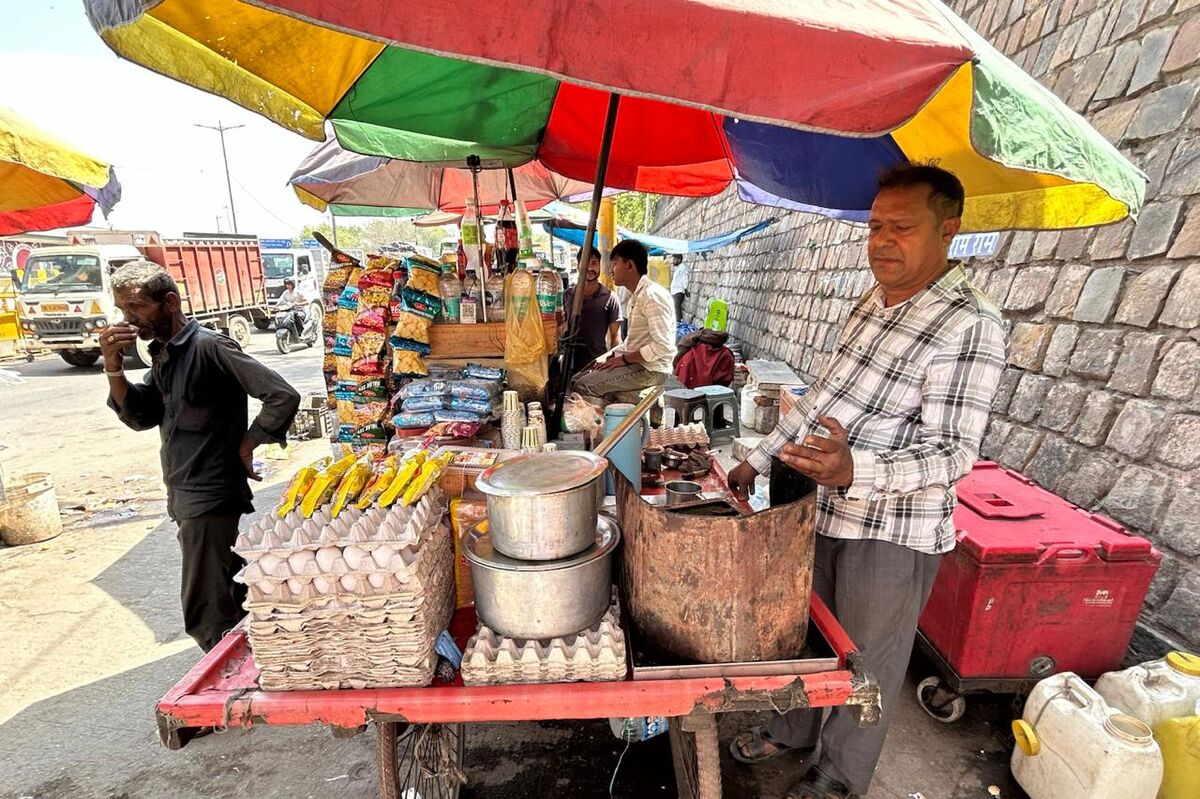
Outside New Delhi’s main bus terminus, a cluster of food stalls set up under makeshift canopies has been selling pan-fried flatbreads, comforting stews and hot tea to weary travelers for decades.
A food stall outside the main bus terminus in New Delhi.
Two more India-bound tankers carrying liquefied petroleum gas have exited the Persian Gulf via the Strait of Hormuz, adding to the trickle of vessels making it through the narrow waterway.
The emerging shortages in LPG tanker capacity contrast with gluts across most of the rest of the merchant fleet.
India has announced a series of tax changes including a levy on fuel exports, as the country tries to shield consumers from the impact of a deepening conflict in the Middle East that has upended energy supply.
People queue to refuel at a fuel station in Ahmedabad, India on March 23.
Indian refiners have bought about 30 million barrels of Russian oil since the US provided a green light for purchases to help the country cope with a shortfall of Middle Eastern supply, according to people with knowledge of the deals.
Maylo (white) and Sarah (blue) both changed course just days after the US announced waivers allowing India to purchase Russian crude.
India isn’t considering releasing crude from its strategic petroleum reserves as commercial inventories remain adequate and alternative supplies have started to arrive, according to a government official.
Indian state refiners and government officials met over the weekend to hammer out contingency plans for a crisis in Iran that has all but stopped flows through the Strait of Hormuz, a narrow waterway vital for roughly half of the nation’s oil imports.
For much of last year, discounted Russian oil made up the lion’s share of Indian purchases, a financial lifeline for Moscow that also shaved billions off New Delhi’s import bill. Then came US threats, tariffs, sanctions — and months of disruption.
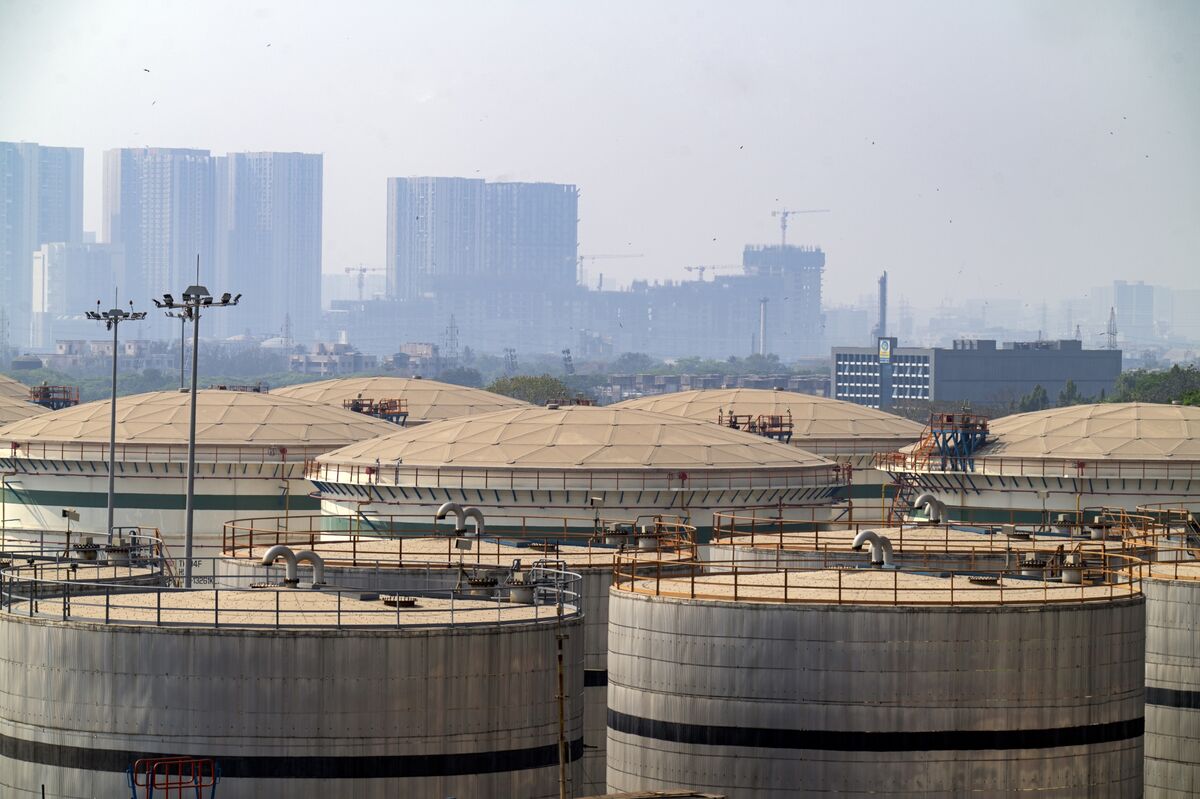
Storage tanks at a Bharat Petroleum Corp. oil refinery in Mumbai, India.
India’s buying of Russian crude is likely to stabilize or even decline this month, leaving more cargoes from the OPEC+ producer stranded and pushing the world’s third-largest oil importer to look to pricier alternatives.

 Anmelden