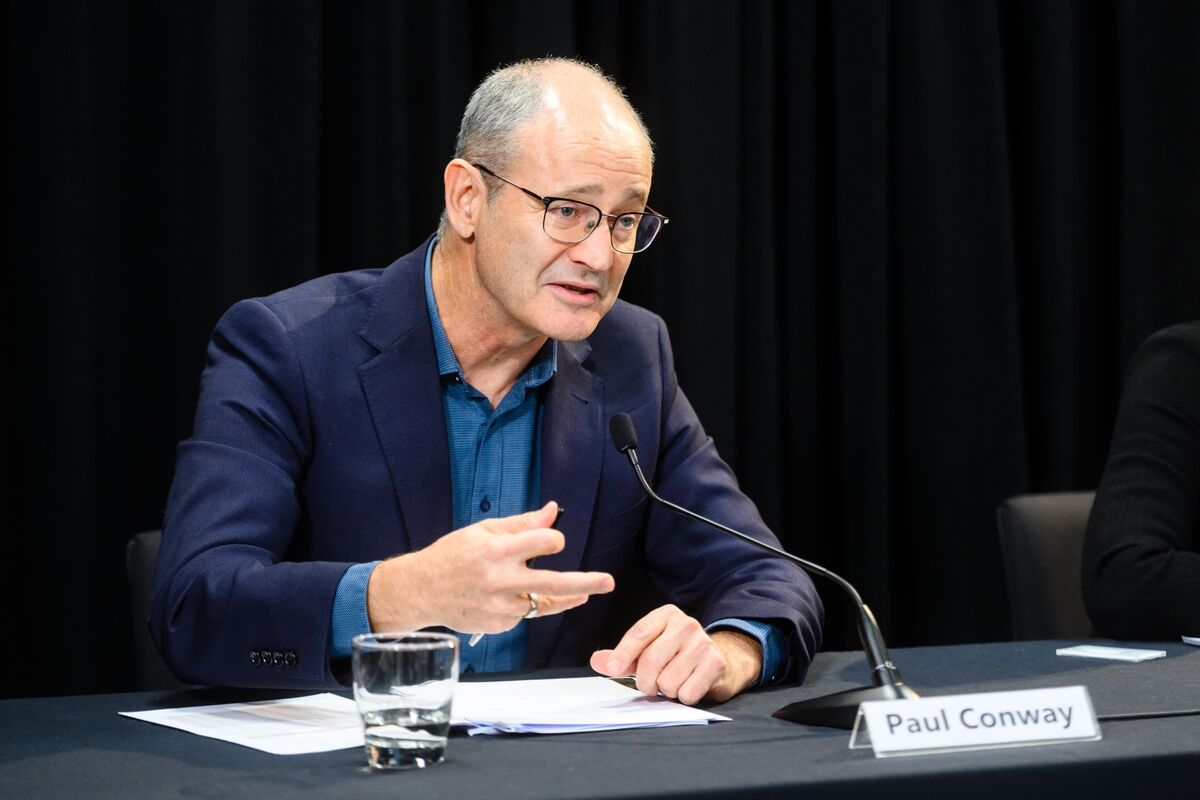
New Zealand inflation may not slow as quickly as the Reserve Bank forecasts, Chief Economist Paul Conway said Tuesday, suggesting further interest-rate increases may be in prospect.
Paul Conway, chief economist of the Reserve Bank of New Zealand (RBNZ), speaks during a news conference in Wellington, New Zealand, on Thursday, May 28, 2025. New Zealands central bank cut interest rates for a sixth straight meeting and signaled it has scope for further reductions to bolster an economic recovery thats been clouded by US tariffs.
New Zealand business confidence recovered in the second quarter as a tentative US-Iran peace deal helped push down fuel prices, a survey showed.
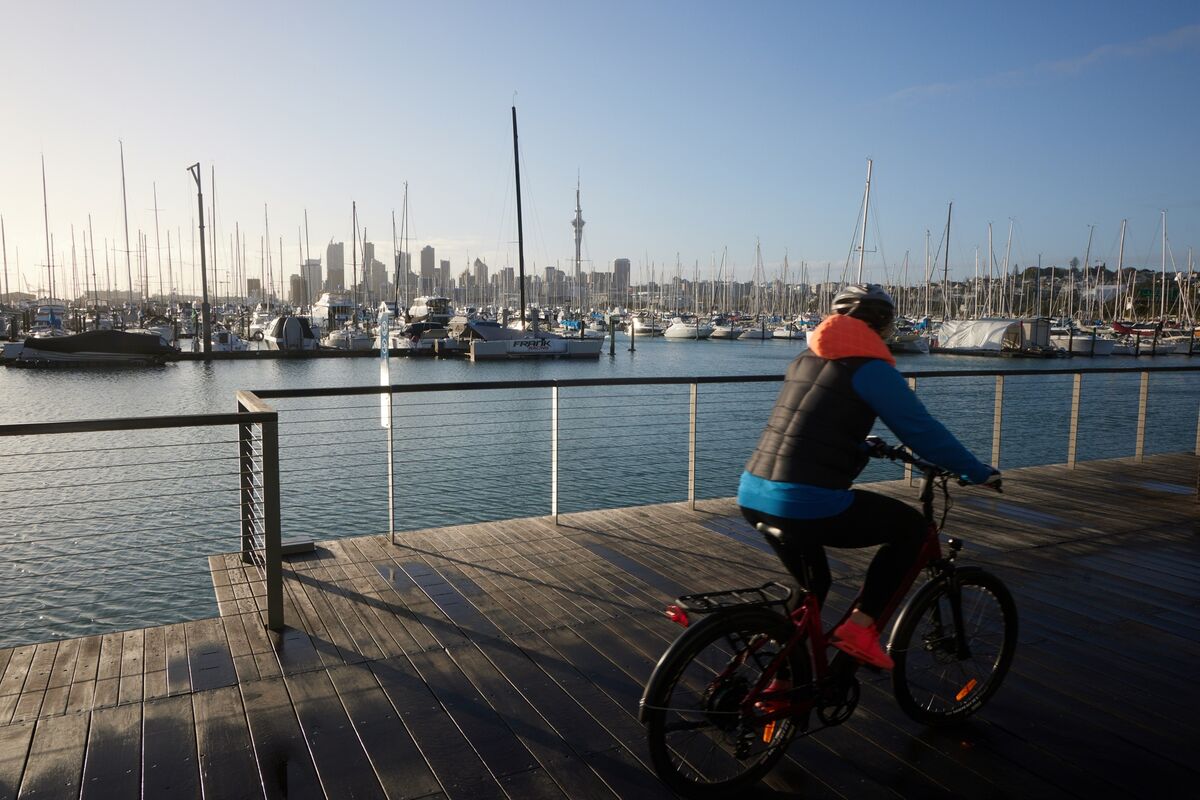
The Sky Tower, beyond yachts moored in a marina, in the central business district of Auckland, New Zealand, on Thursday, Sept. 16, 2021. New Zealand’s economy was expanding at more than twice the pace forecast by economists before a nationwide lockdown interrupted its momentum, latest data show. Photographer: Brendon O'Hagan/Bloomberg
New Zealand’s central bank raised its key interest rate for the first time in three years and signaled potential for more hikes to come as policymakers look to drive inflation back down to target.
The Reserve Bank of New Zealand building in Wellington, New Zealand. Photographer: Mark Coote/Bloomberg
New Zealand’s central bank will not add a member to its Monetary Policy Committee ahead of the November election, leaving it with three internal and three external members.
The Reserve Bank of New Zealand in Wellington, New Zealand.
New Zealand’s central bank should raise interest rates toward a neutral level this year to keep inflation risks at bay, the International Monetary Fund said in a staff report.
The Reserve Bank of New Zealand (RBNZ) building in Wellington, New Zealand, on Wednesday, Feb. 19, 2025. New Zealand’s central bank cut interest rates by 50 basis points for the third straight meeting to help revive the ailing economy and signaled more easing in coming quarters.
New Zealand economists have trimmed their inflation forecasts after a report Tuesday that fuel prices and airfares retreated in May even before the impact of potential peace in the Middle East.
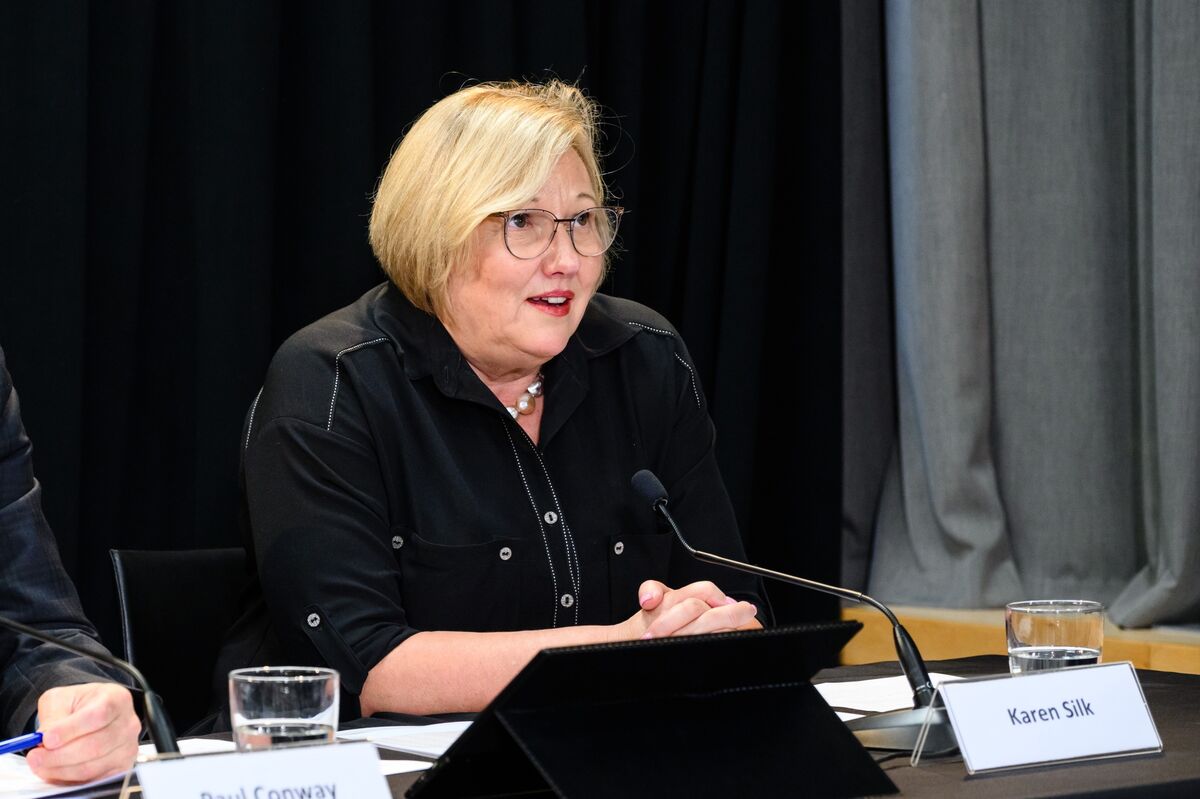
New Zealand’s central bank is yet to see medium-term inflation pressures emerge, but it’s prepared to respond aggressively if they appear, Assistant Governor Karen Silk said.
The New Zealand government will head into this year’s election facing a deeper budget deficit and weaker growth, but with the promise of an earlier return to surplus predicated on an economic recovery starting in 2027.
New Zealand’s central bank kept interest rates unchanged on Wednesday in a split decision that was only resolved by the governor’s casting vote.
The Reserve Bank of New Zealand (RBNZ) headquarters, left, stands in Wellington, New Zealand, on Thursday, Aug. 9, 2018. New Zealand's central bank said it expects to keep interest rates at a record low for another two years as the outlook for economic growth weakens. Photographer: Birgit Krippner/Bloomberg
New Zealand will overhaul its public service, including job cuts and mergers between some government departments, as it looks to trim costs, Finance Minister Nicola Willis said.
New Zealand near-term inflation expectations climbed to the highest since 2023 as soaring fuel prices are seen fanning overall prices across the economy.
Shoppers browse goods at a store on Ponsonby Road in Auckland, New Zealand, on Saturday, Feb. 22, 2025. New Zealand’s central bank will slow the pace of interest-rate cuts after a third straight reduction of 50 basis points, saying lower borrowing costs should begin to stoke an economic recovery. Photographer: Fiona Goodall/Bloomberg
New Zealand’s jobless rate unexpectedly declined in the first quarter as fewer people sought work, with firms bracing for a squeeze on earnings from the Middle East oil-price shock filtering through the economy.
Pedestrians cross a road in Auckland, New Zealand, on Monday, May 22, 2023. New Zealand is scheduled to release consumer confidence figures on May 26.
New Zealand finance companies are attracting a surge of new money as the nation’s new deposit insurance levels the playing field with banks, according to the Reserve Bank.
Clyde Quay Wharf apartments, center, and the central business district in Wellington, New Zealand, on Monday, Dec. 15, 2025. New Zealand is scheduled to release its gross release gross domestic product (GDP) figures on Dec. 18.
New Zealand consumer confidence has slumped to a three-year low as the Iran war drives up fuel prices, hitting household incomes and stoking fears of an economic slowdown.
New Zealand’s central bank will disclose the votes of members of its Monetary Policy Committee if it is unable to reach a consensus decision on interest rates under the terms of a new charter agreed with the government.
The Reserve Bank of New Zealand in Wellington. Photographer: Mark Coote/Bloomberg
New Zealand inflation unexpectedly held above the top of the Reserve Bank’s 1%-3% target last quarter, prompting markets to boost bets on a July interest-rate hike as the impact of an Iran-war driven surge in fuel prices is still to come.
New Zealand businesses expect to fire workers and reduce investment as the Middle East conflict drives up costs and hits profitability, according to a new business survey.
Buildings in the central business district in Wellington, New Zealand, on Monday, Dec. 15, 2025. New Zealand is scheduled to release its gross release gross domestic product (GDP) figures on Dec. 18.
New Zealand’s exports hit an all-time high in March as the trade-dependent economy offset the early impact of the Iran war with bumper dairy sales overseas.

 Anmelden