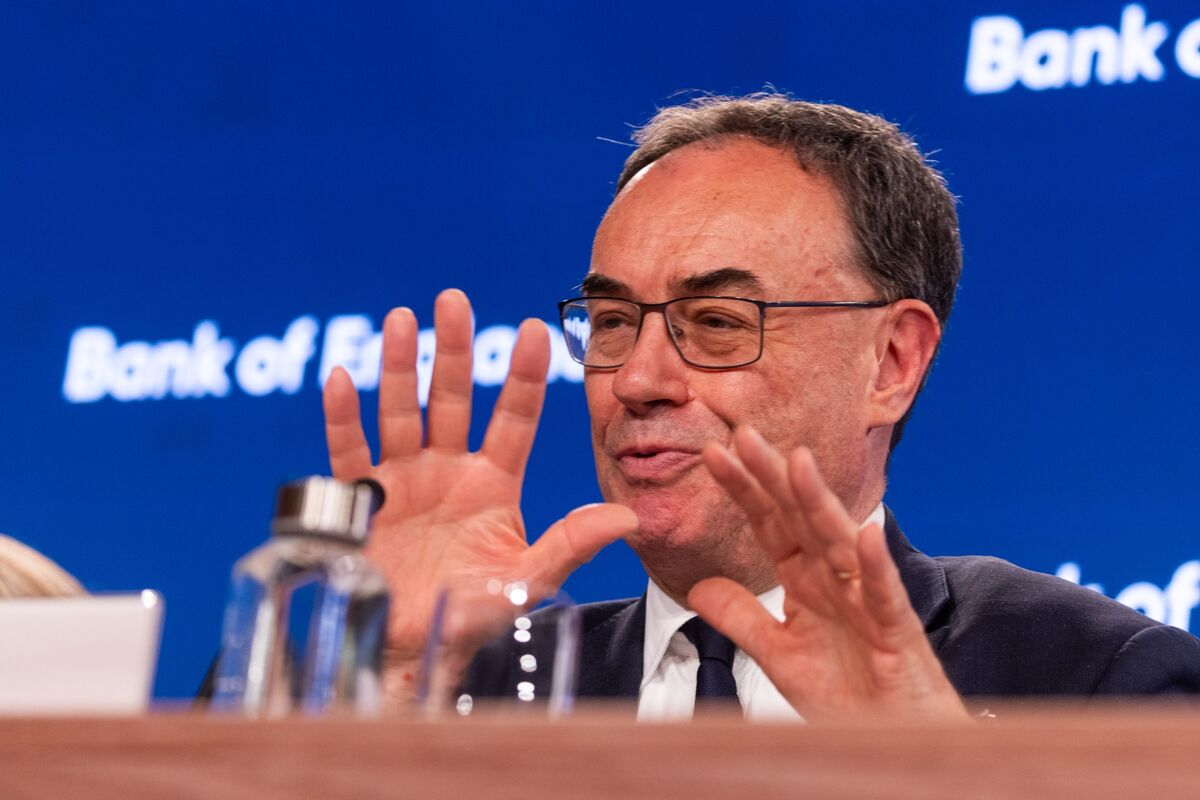
British firms developing and using artificial intelligence are becoming more productive but gains are coming at the expense of jobs, according to analysis by the Bank of England.
British construction firms showed signs of stabilizing from a plunge in activity over the spring with housebuilding falling at the slowest pace in nine months.
Britain’s two-year jobs market downturn has lasted as long as the slump seen during the global financial crisis as firms cut costs and turn to artificial intelligence, according to a closely watched survey.
Clear blue water is emerging on the Bank of England’s rate-setting committee with its three hawks now looking increasingly stranded in their push for higher interest rates.
The Bank of England kept interest rates steady at 3.75% on Thursday, with Governor Andrew Bailey insisting his committee is not getting closer to a hike despite three members voting for tighter policy.
London’s population dropped for the first time since the 1980s, excluding a brief exodus during the pandemic, in a sign people are being priced out of the UK capital.
Britain’s embattled statistics bureau is hoping artificial intelligence will help alleviate an upcoming budget crunch caused by delays to the launch of a new labor market survey.
Britain’s supermarkets plan to increase food prices by less than previously thought as rising fuel costs caused by the Middle East conflict dent household demand, according to the Bank of England’s survey of regional business contacts.
The World Cup, staycations and scorching weather helped Britain’s private sector bounce back in July, though mounting tensions in the Middle East threatened to scupper the nascent rebound.
Only last month, Andrew Bailey again insisted quantitative tightening is here to stay. The Bank of England governor has been adamant the UK central bank needs to keep slashing its bond holdings to clear the decks for the next crisis and take interest-rate risk off its balance sheet.
UK inflation fell to its lowest level in over a year on cheaper motor fuel and food, a reprieve for households that may prove short-lived as a return to hostilities in the Middle East pushes up energy prices.
Britain’s labor market showed further signs of stabilizing and private sector wage growth dipped to the lowest since 2020, according to data published the week before the Bank of England’s next interest rate decision.
Britain’s middle class is showing signs of buckling under financial pressure, with incoming prime minister Andy Burnham considering a wave of interventions to ease the cost of living.
The International Monetary Fund warned incoming prime minister Andy Burnham that the Liz Truss budget crisis of 2022 caused permanent scarring that has made gilt markets more jittery about Britain’s fiscal policy.
Bank of England Deputy Governor Sarah Breeden played down the risk of a spike in inflation spilling into wages and price-setting, indicating she sees little reason to raise interest rates against a weak economic backdrop.
Bank of England Governor Andrew Bailey warned that the fallout from an artificial intelligence stocks bubble bursting would reach the UK economy and could prompt a response in interest rates.
 Anmelden