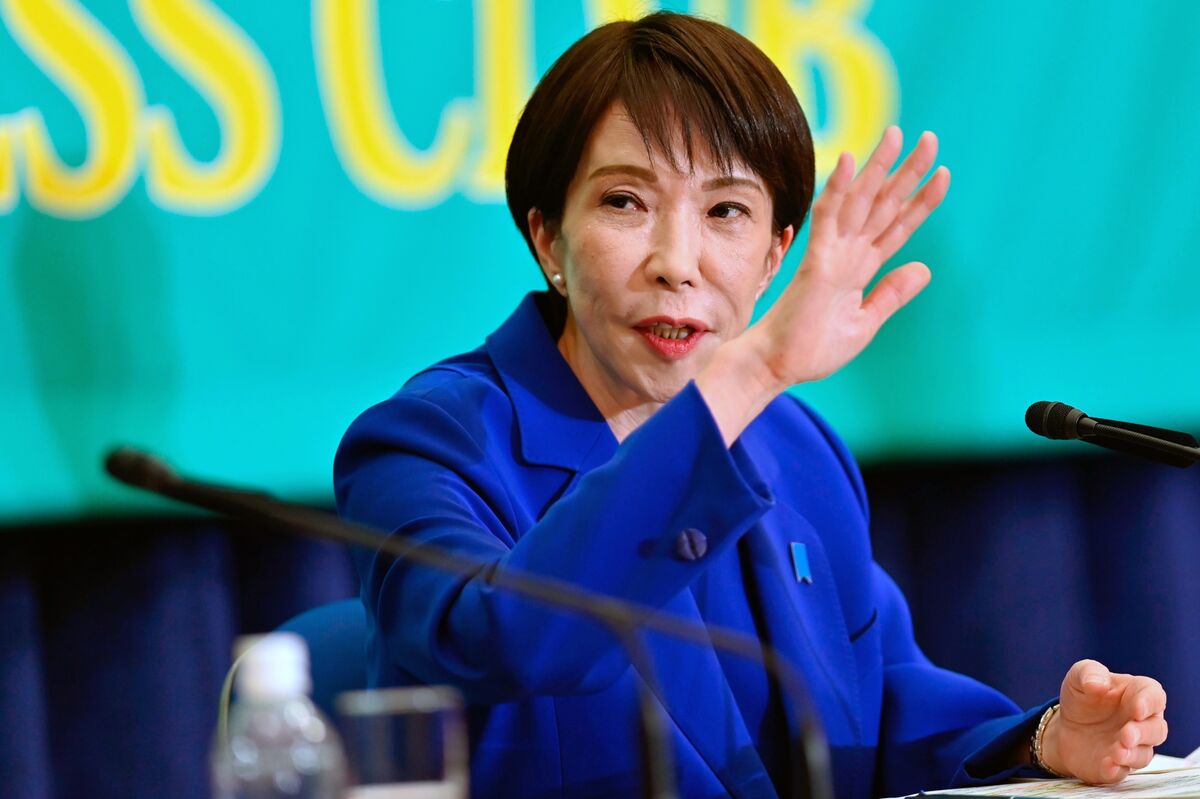
Two senior Japanese officials warned that authorities are ready to take action in the currency market if necessary, in comments that did little to support the beleaguered yen.
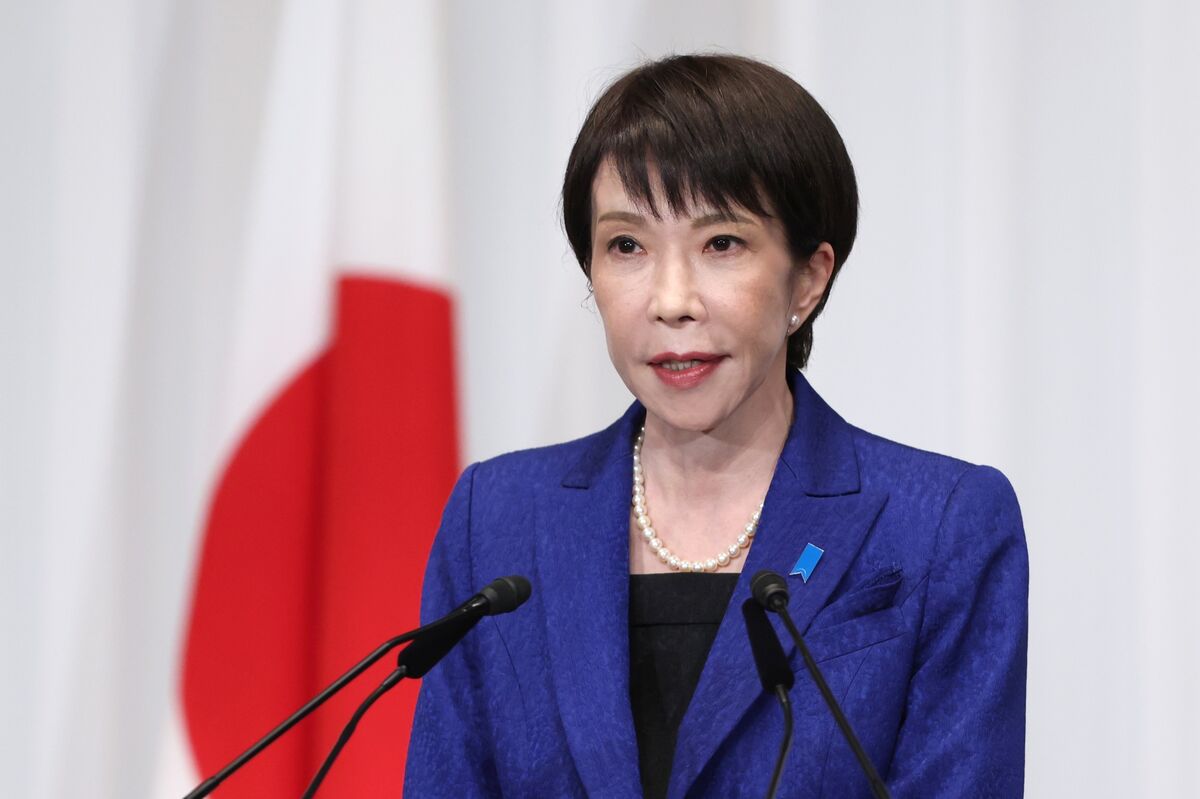
Japan’s Finance Minister Satsuki Katayama used her strongest language in weeks to warn of possible intervention in the currency market, but did little to scare yen speculators as the currency continues to hover near its lowest level in four decades.
The prospect of trillions of dollars of government spending that has rattled Japan’s bond and currency markets has yet to change views at Moody’s Ratings, at least for now.
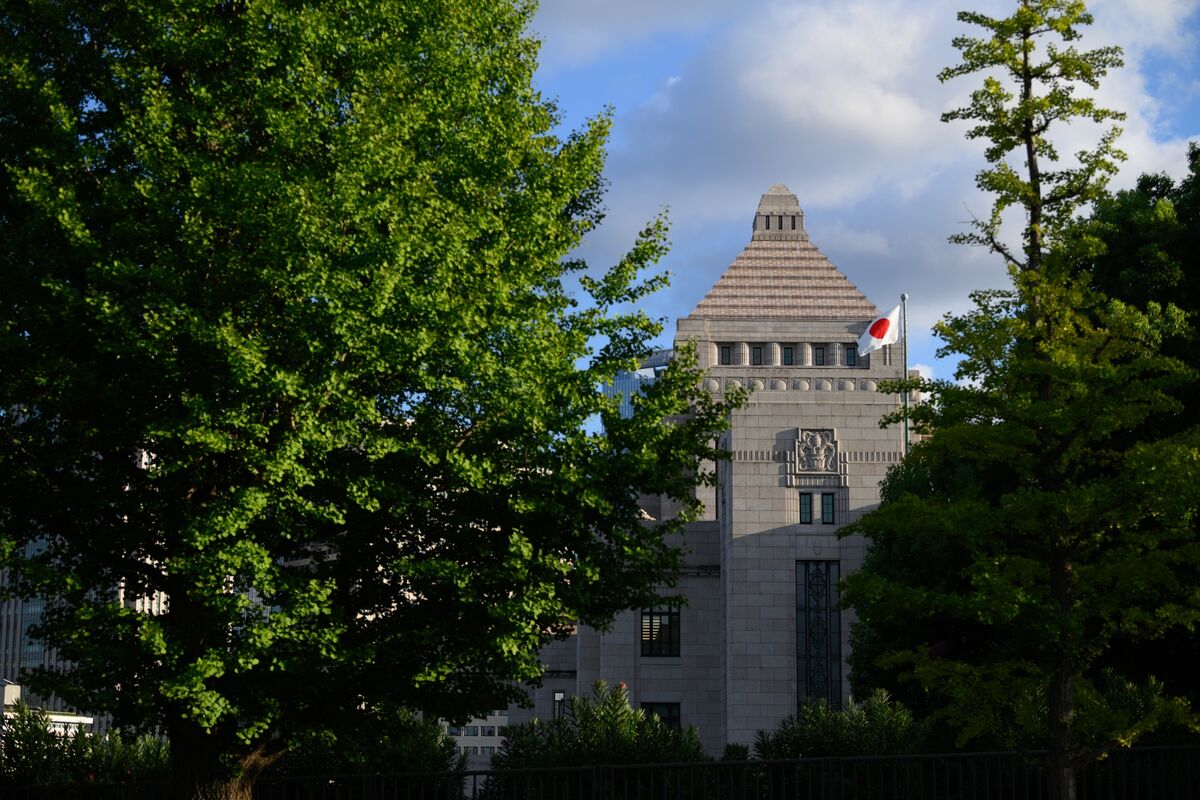
The National Diet building in Tokyo, Japan, on Thursday, Sept. 12, 2024. Japan’s ruling Liberal Democratic Party is set to select a new leader on Sept. 27 and the winner of a crowded race is almost certain to become the new prime minister due to the party’s dominance in parliament.
Japan’s government tweaked a reference to monetary policy in the latest draft of its annual policy agenda in a move likely aimed at reducing market concerns that it is putting pressure on the central bank to go slow on interest rate hikes.
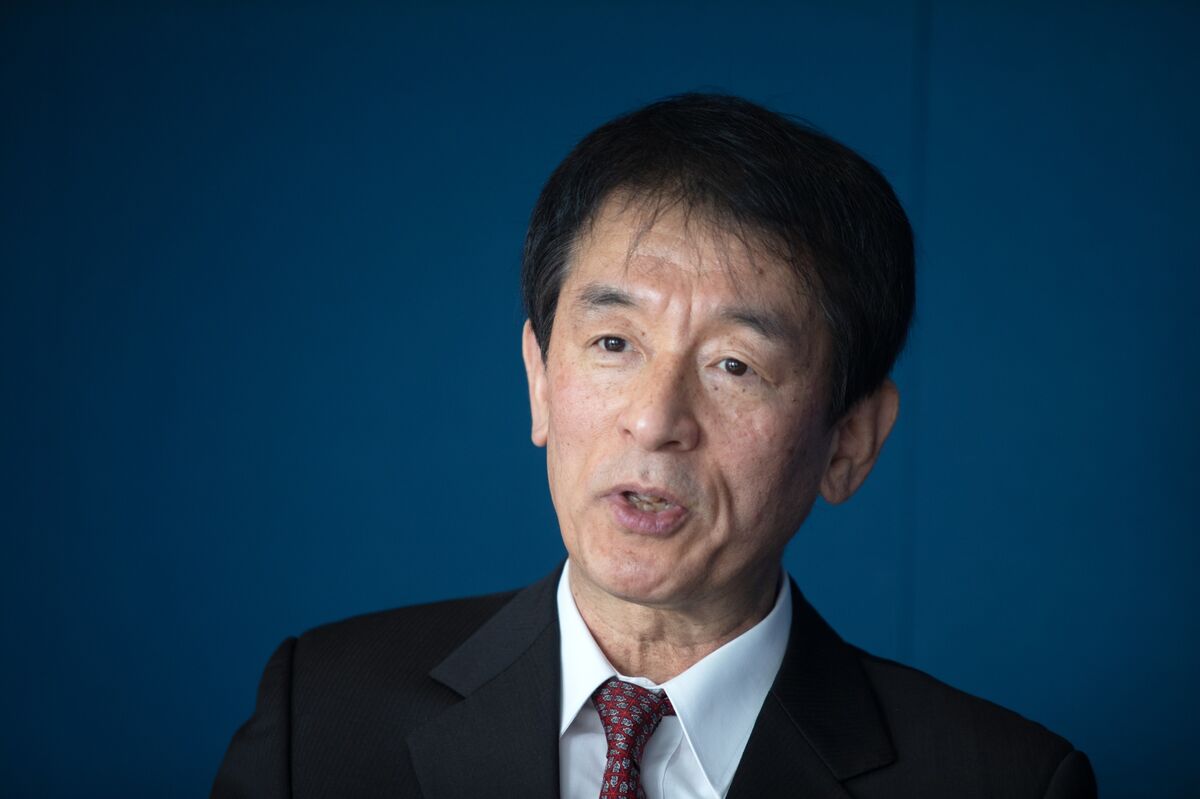
The yen should be as much as 20% stronger than it is — around 130 per dollar, a former top foreign exchange official in Japan said, pushing back against those speculating that the currency might continue its slide.
Japan’s national tax revenue climbed to a record in the fiscal year ended in March as wage hikes, rising employment and earnings on financial assets boosted income tax receipts.
Morning commuters cross a street in the Otemachi district of Tokyo.
Japan’s currency chief suggested intervention was an effective strategy and flagged close communication between Tokyo and Washington over foreign exchange, in comments made as the yen hovers near a four-decade low.
The yen remained within reach of its weakest level in four decades on Friday, even after Japan warned that it stands ready to take “bold action” to defend the currency.
Japanese Finance Minister Satsuki Katayama cast the government’s push to reduce reliance on extra budgets as the country’s greatest budgetary reform since the end of World War II.
A Bank of Japan survey of market participants found a split over whether the central bank should stop tapering its bond purchases or continue to reduce them from next April after sticking with its current plan until then.
Japanese Prime Minister Sanae Takaichi called for an extra budget in response to rising commodity prices driven by the ongoing Middle East conflict, backtracking on her insistence that such a measure wasn’t necessary and helping spark fresh record highs in super-long bond yields.
Japan is prepared to respond on all fronts to speculative moves in the foreign exchange market, the nation’s top currency official signaled, after authorities were suspected of having conducted intervention over the holiday period.
A Japanese 1000yen banknote arranged in Tokyo, Japan.
Japan’s Finance Ministry is preparing to reclassify its liquidity supply auctions so it can improve conditions in the long-term zone of the market, according to people familiar with the plan.
Prime Minister Sanae Takaichi faces a key decision on whom to tap for spots opening on the Bank of Japan’s board, nominations that will give economists and investors an indication of how aggressively she hopes to influence central bank policy.
The yen is likely to strengthen as investors gain a clearer understanding of Prime Minister Sanae Takaichi’s fiscal stance, according to a former Japanese currency czar.
Japanese Prime Minister Sanae Takaichi’s landslide election win saw a largely positive initial response from investors. But they remain wary of another market meltdown over her expansive spending plans.
Japan’s Finance Minister Satsuki Katayama said that Prime Minister Sanae Takaichi wasn’t overly highlighting the benefits of a weak yen at the weekend, in a move that suggested she was trying to preserve speculation over government intervention risks.
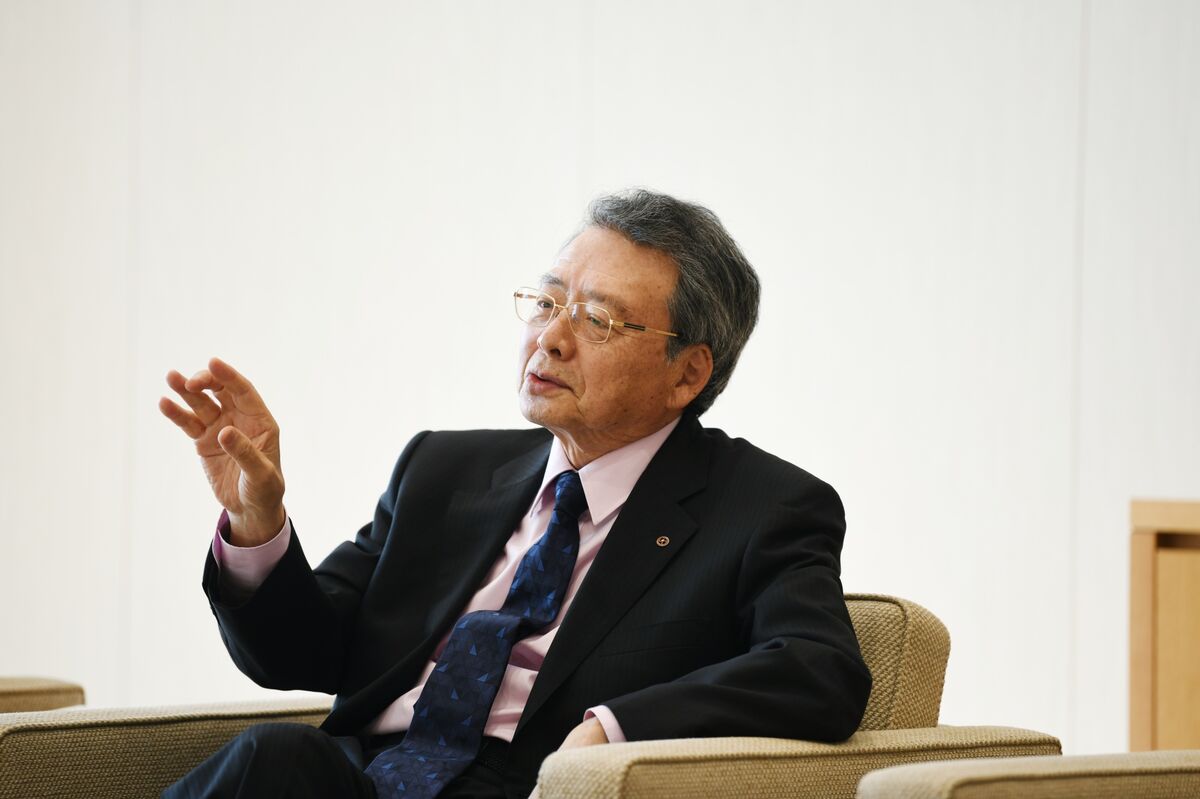
The leader of one of Japan’s biggest business groups representing smaller firms called on the Japanese government to take more action on currencies, warning that the weak yen is squeezing smaller companies and putting wage hikes at risk.
Ken Kobayashi in 2024. Photographer: Noriko Hayashi/Bloomberg
Japanese Finance Minister Satsuki Katayama called on market participants to calm down after an intense day of bond selling pushed up long-term government debt yields to the highest levels in decades with ripples reaching other global markets.
Satsuki Katayama in Davos on Jan. 20. Photographer: Krisztian Bocsi/Bloomberg
 Anmelden