Australian businesses pulled back on investment in the three months through June, with a decline in spending on data centers at the heart of that slowdown.
Australia’s outstanding national debt temporarily exceeded A$1 trillion ($711 billion), with that milestone underscoring the struggle in developed nations to rein in borrowing levels that ballooned during the pandemic.
Australian property investors borrowed substantially less last quarter, with the mid-May reduction in tax breaks likely driving their pullback, especially in Sydney and Melbourne.
The war on Iran is hitting nations in Asia hard, with US partners Australia and New Zealand among those racking up billions of dollars in higher fuel import costs after prices spiked with the closure of the Strait of Hormuz.
Australia unexpectedly recorded a trade surplus in June as the value of exports — underpinned by commodities — jumped the most in four years while imports dropped.
Australia’s housing market decline worsened, with prices declining in June and July by the most since December 2022 as rising interest rates and tax changes hit demand for homes.
Australian gasoline prices jumped last week by the most since the height of the US-Iran war following the collapse of a ceasefire between Washington and Tehran, suggesting persistent inflationary pressures ahead.
From the start of his second term, US President Donald Trump made clear he would put tariffs at the center of US economic policy. When the Supreme Court invalidated sweeping import duties he’d imposed citing emergency powers, he used a different provision — Section 122 of the Trade Act of 1974, to set a flat 10% levy on imports. Such tariffs are time-limited, however, and Trump’s expired on July 24.
From the start of his second term, US President Donald Trump made clear he would put tariffs at the center of US economic policy. When the Supreme Court invalidated sweeping import duties he’d imposed citing emergency powers, he used a different provision, Section 122 of the Trade Act of 1974, to set a flat 10% levy on imports. Such tariffs are time-limited, however, and Trump’s expire on July 24.
From the start of his second term, US President Donald Trump made clear he would put tariffs at the center of US economic policy. When the Supreme Court invalidated sweeping import duties he’d imposed citing emergency powers, he used a different provision, Section 122 of the Trade Act of 1974, to set a flat 10% levy on imports. Such tariffs are time-limited, however, and Trump’s expire on July 24.
The boost to Australia’s trade from the mining boom looks to be fading as imports soar and export growth flatlines, potentially putting it on track for the first annual deficit since 2016.
Australia fell into a surprise trade deficit in May as exports dropped the most all year, with imports extending a streak of gains caused in part by high fuel prices and data center demand.
Sydney’s home-price declines accelerated in June, dragging down national values by the most in 3-1/2 years, reflecting a combination of affordability and cost-of-living pressures as well as higher interest rates.
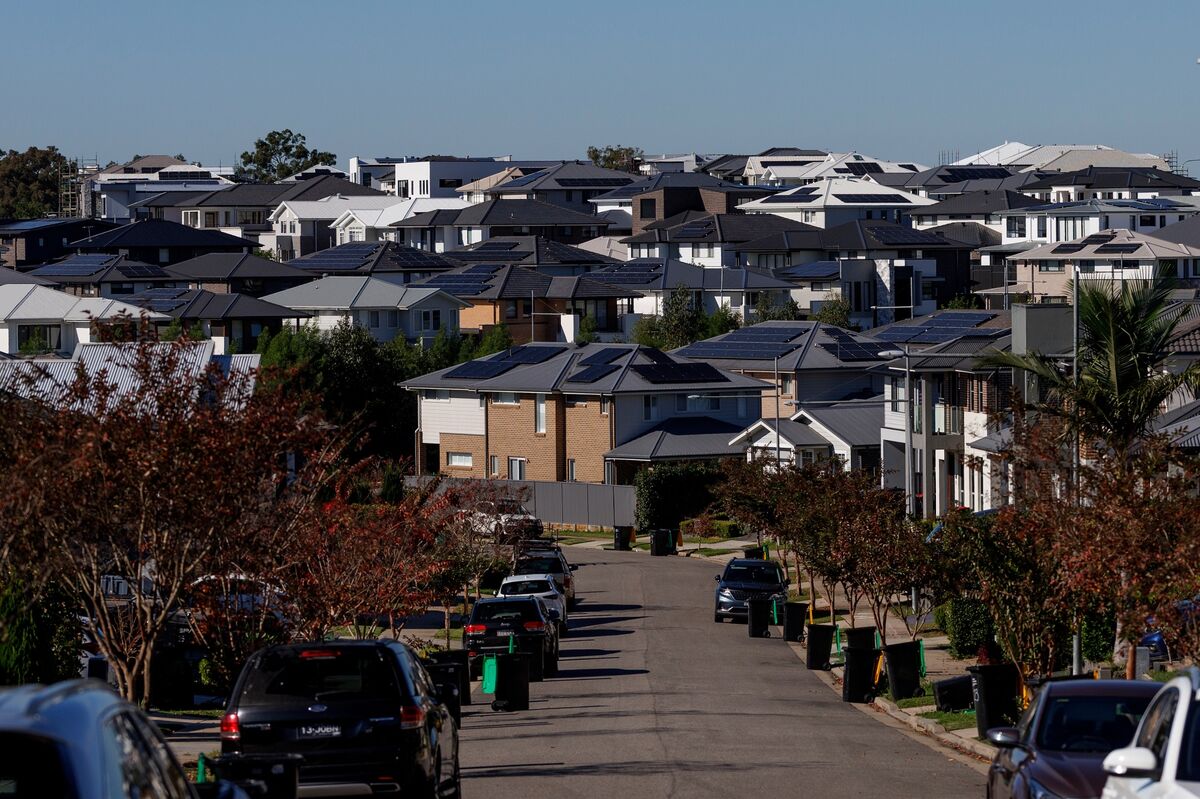
Newly built houses in the Glenmore Park suburb of Sydney, Australia, on Monday, June 1, 2026. Australian home prices stagnated last month, with growth weakening across most major cities as higher borrowing costs and tax reforms sapped demand.
The Philippines, United Arab Emirates and Indonesia will start talks about joining a regional trade bloc, the next step for the three in efforts to expand free-trade ties.
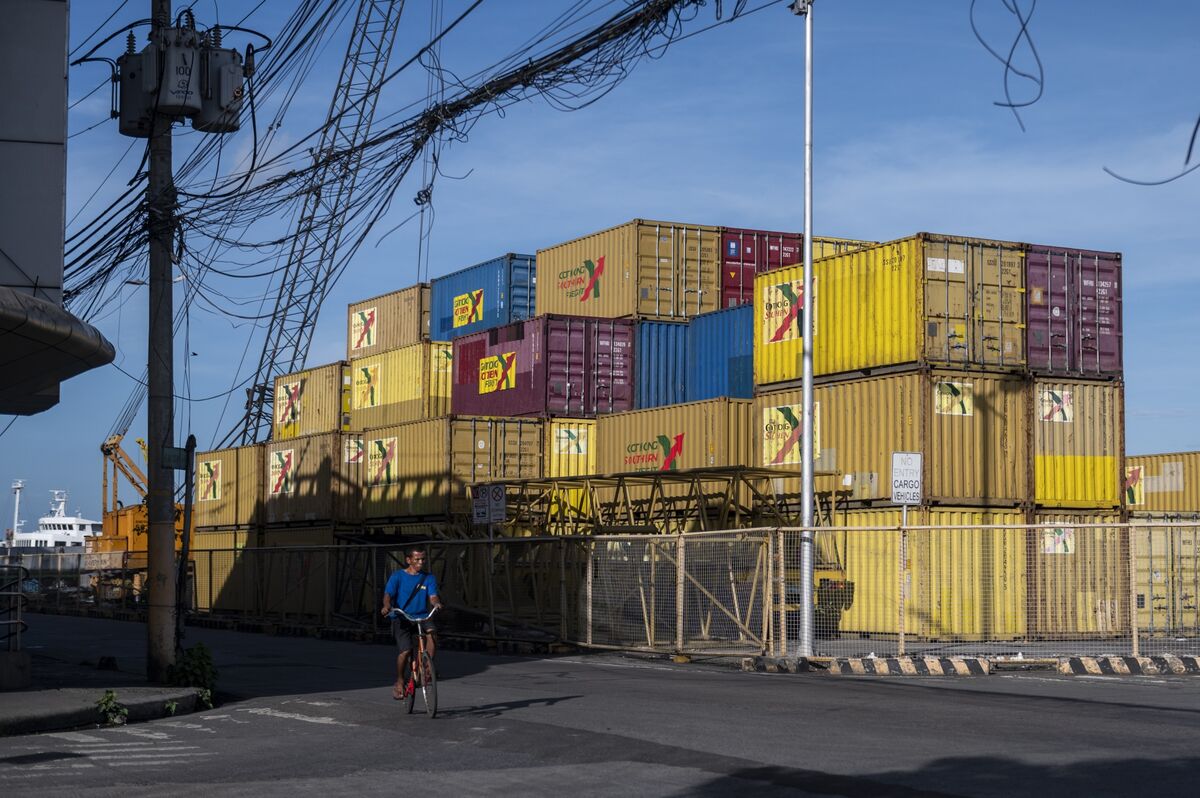
The Port of Cebu in Cebu City, the Philippines. Photographer: Lisa Marie David/Bloomberg
Australia’s core inflation remained above the top of the Reserve Bank’s target in May, reinforcing expectations policymakers will maintain a hawkish stance on interest rates.
One of Australia’s biggest pension funds is ramping up scrutiny of KPMG Australia and the nation’s central bank moved to sever ties with the firm, as the accounting giant’s handling of misconduct allegations by a whistleblower fuels the latest scandal to rock the industry.
Australia’s economy decelerated last quarter, propped up by a massive surge in investment into data centers that helped cushion the early impact of higher fuel costs and rising interest rates.
The Aukus alliance members — Australia, UK and the US — announced Saturday that they will develop advanced underwater drone systems and further deepen their maritime relationship that will see American submarines in Australia by next year.
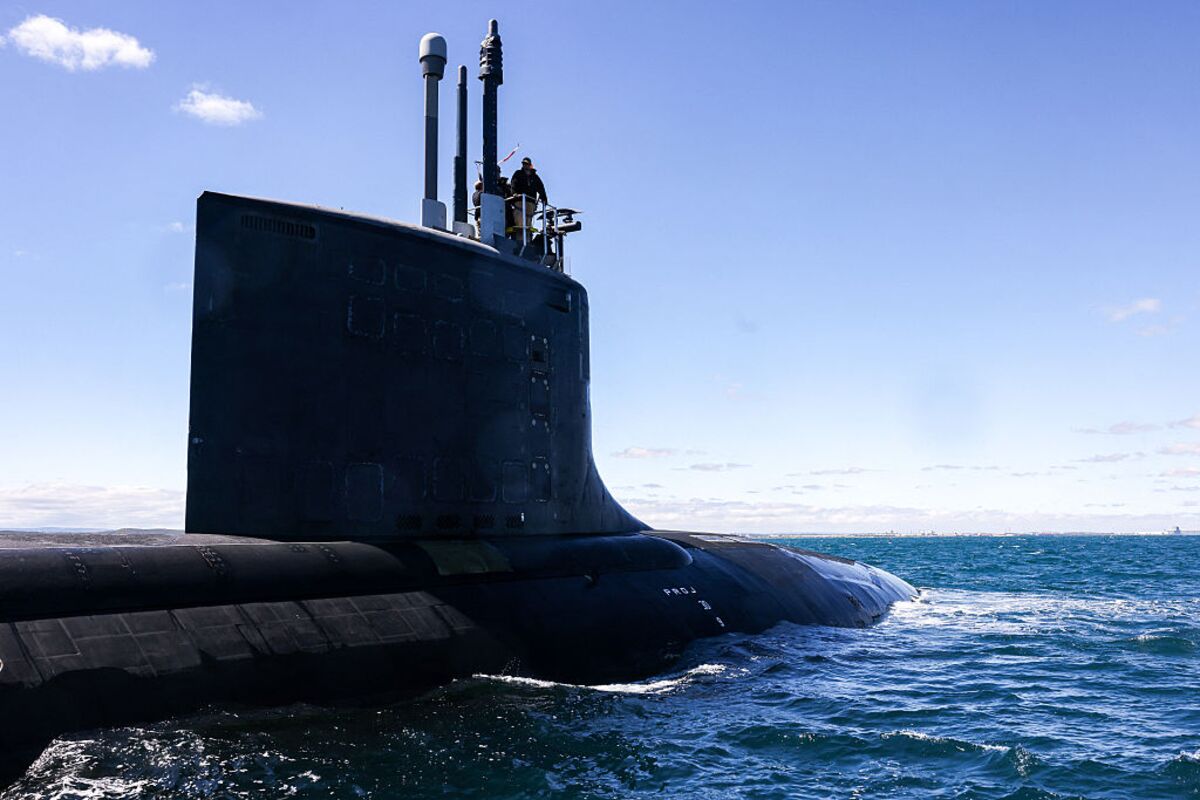
The US Navy's USS Minnesota (SSN-783), a Virginia-class fast attack submarine, sails in waters off the coast of Western Australia on March 16, 2025. (Photo by COLIN MURTY / POOL / AFP) (Photo by COLIN MURTY/POOL/AFP via Getty Images)
 Anmelden