A recent plunge in US labor force participation has sparked competing theories about whether persistent drivers — like aging and immigration — or more temporary seasonal shifts are to blame. Any evidence in upcoming jobs reports could reshape how policymakers view the labor market.
US consumer sentiment fell in August for the first time in three months on a worsening economic outlook, even as expectations for inflation in the year ahead eased.
US consumer confidence fell in August to the lowest level since the start of the year on a deteriorating outlook for business conditions and the labor market.
Economists raised their forecasts for US economic growth in the third quarter, reflecting upward adjustments to consumer spending as well as private investment that includes capital outlays on artificial intelligence.
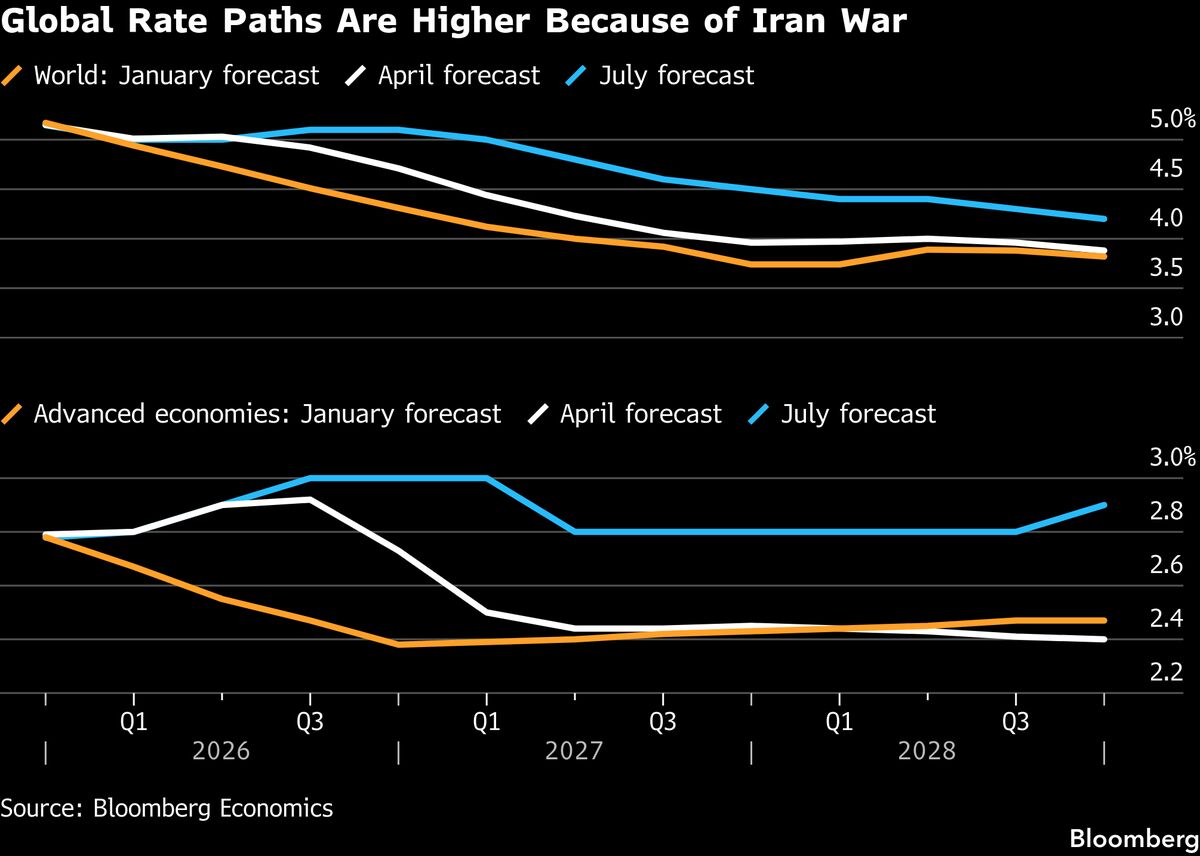
Monetary policymakers from the US and the UK to Japan left interest rates unchanged this week as they assessed renewed inflation risks from higher energy costs and war in the Middle East.
US statistical agencies are operating with fewer experienced staff and depleted leadership benches, raising risks to the federal government’s ability to continue to produce accurate and timely economic data, according to a new assessment by the American Statistical Association.
First-time applications for US unemployment benefits fell last week to the lowest level since 1969, signaling layoffs remain muted in a stable labor market.
The Bureau of Labor Statistics made improvements to safeguard its data after several incidents in 2024 led to the early release of key economic measures, but more needs to be done to avoid future lapses, the agency’s watchdog said in a report.
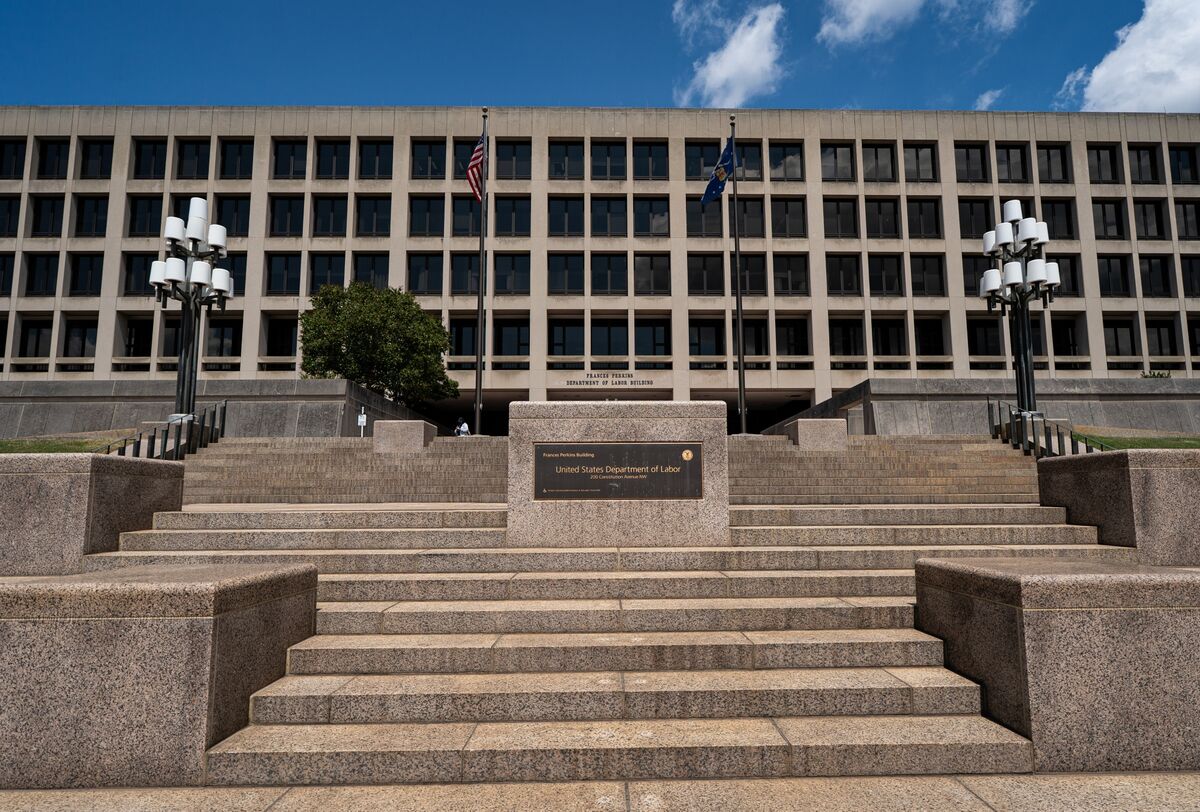
The US Department of Labor headquarters in Washington.
US household wealth rose in the first quarter by the least in a year as gains in real estate and other assets offset a decline in the value of stock holdings.
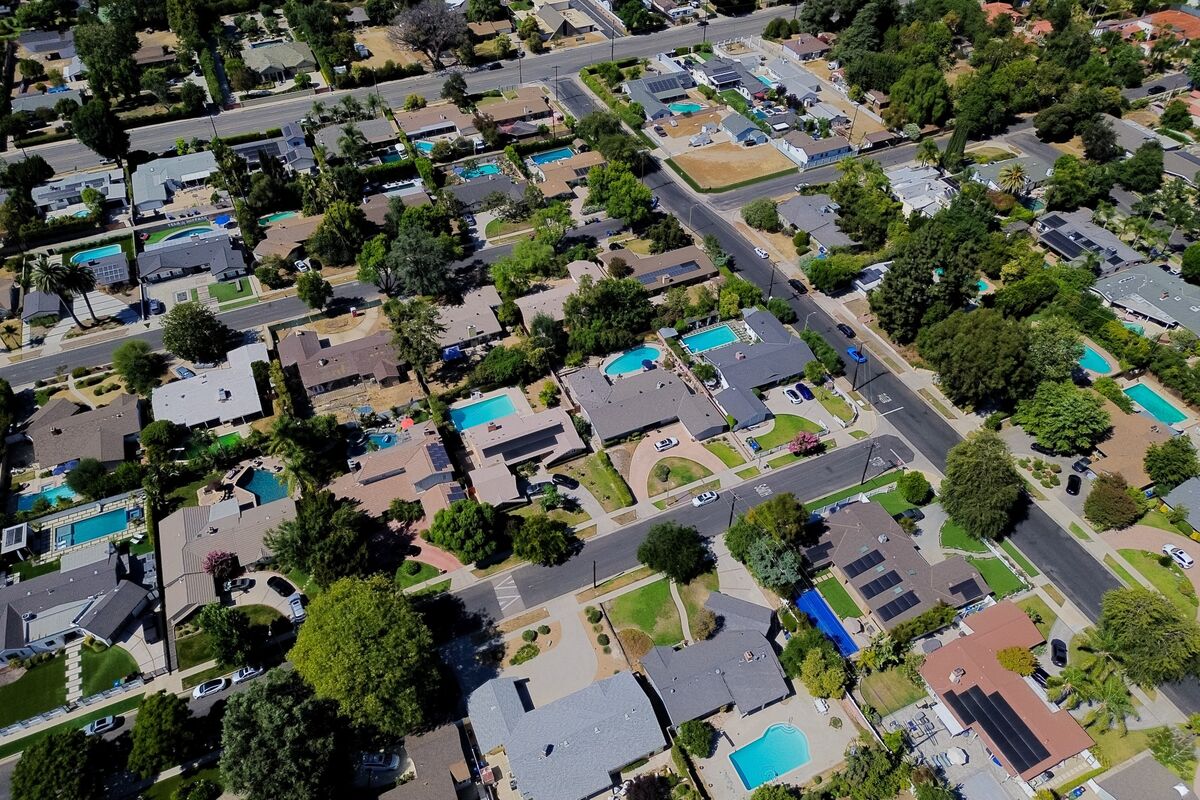
Homes in Los Angeles, California, US, on Sunday, July 13, 2025. Like in the broader US market, home sales have slowed in Southern California as high interest rates and economic uncertainty chill demand.
US initial jobless claims unexpectedly rose to the highest since February, potentially reflecting the usual volatility around school summer breaks and holidays.