South Korea’s central bank is widely expected to keep its policy rate unchanged this week, with investors watching for signs policymakers are formally shifting to a hawkish stance as inflation risks intensify and growth proves more resilient than expected.
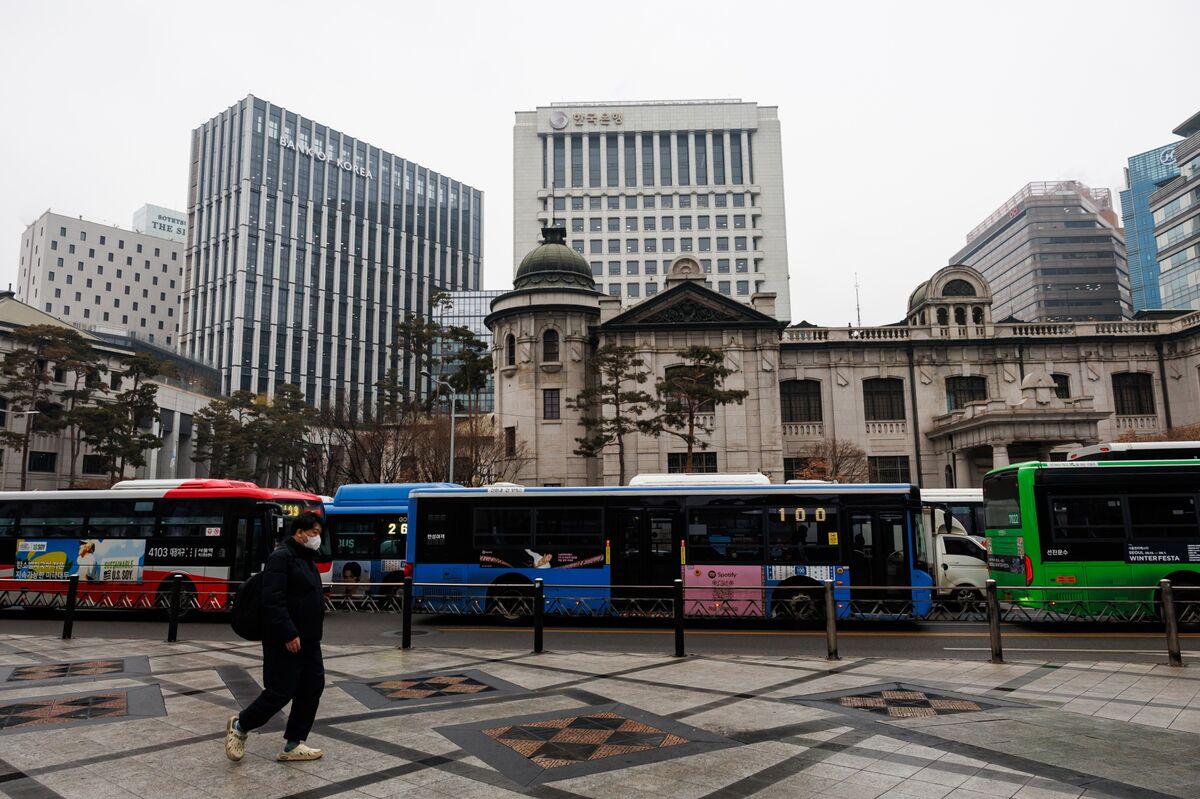
The Bank of Korea (BOK) complex in Seoul, South Korea, on Wednesday, Feb. 11, 2026. South Korea is likely to roll out around 10 trillion won ($6.8 billion) in fresh fiscal stimulus as early as March to address uneven economic growth, with support expected for sectors including culture and the arts, Citigroup said in a January report.
South Korea unveiled a roadmap to develop nuclear-powered submarines and deploy the first vessel by the late 2030s, as President Lee Jae Myung convened a new defense strategy council Tuesday focused on strengthening the nation’s military autonomy.
Samsung Electronics Co.’s bonus deal with workers risks turning South Korea’s AI-driven chip boom into a new source of inflation and housing-market pressure that the Bank of Korea will have to address, according to Bloomberg Economics.
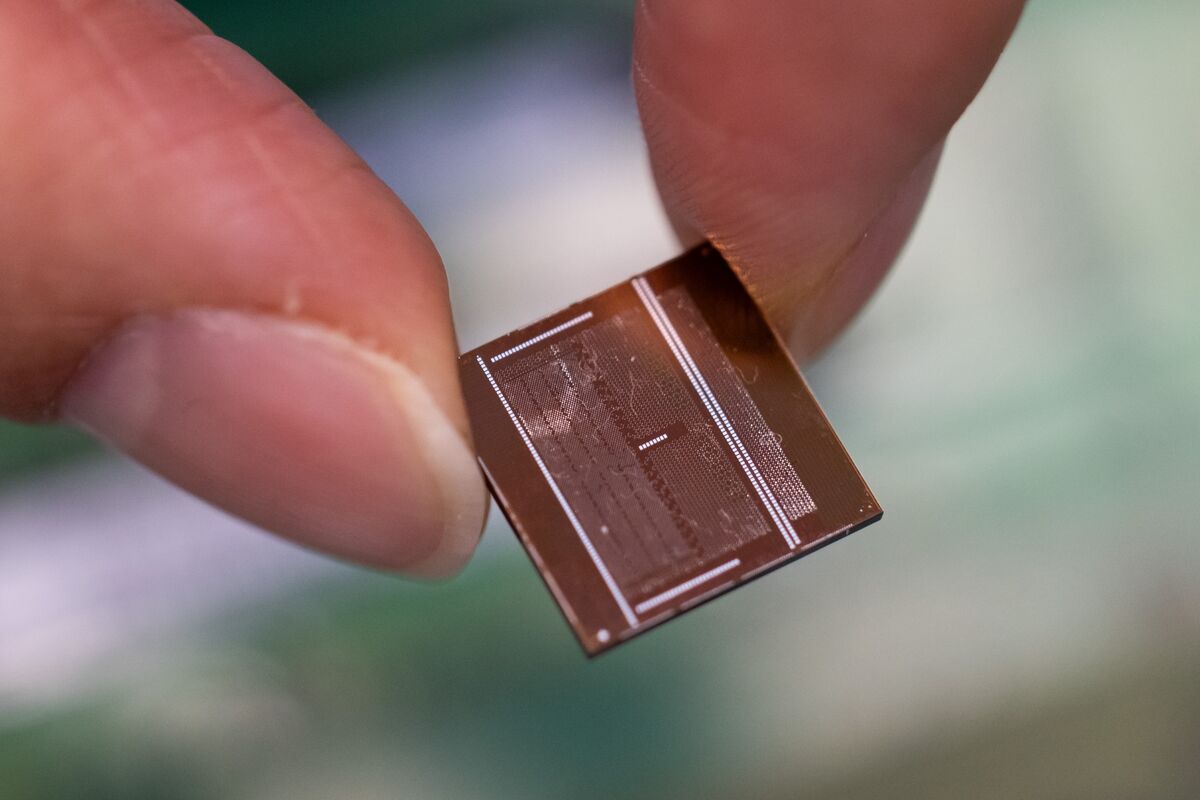
A Samsung Electronics 12-layer HBM3E. Photographer: SeongJoon Cho/Bloomberg

 Anmelden