The US-Iran deal to reopen the Strait of Hormuz gives central banks more scope to hold rates.
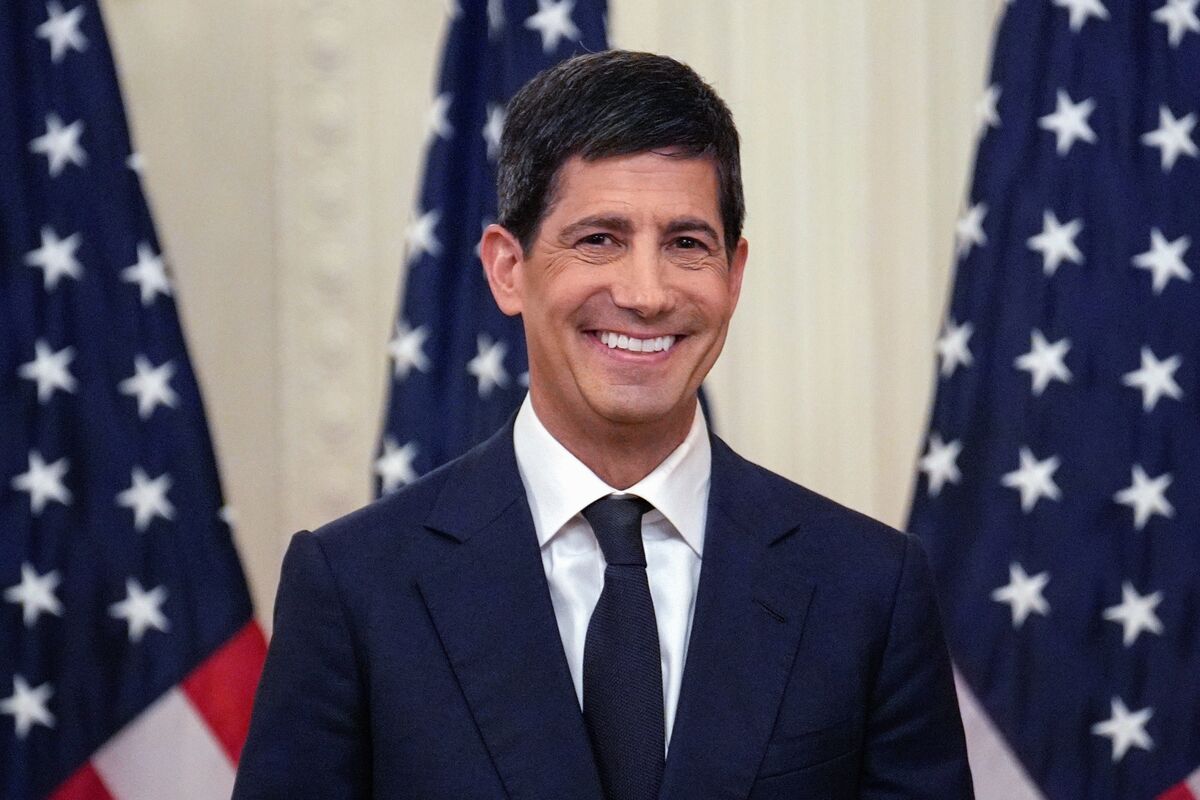
Kevin Warsh, incoming chairman of the US Federal Reserve, during a swearing-in ceremony in the East Room of the White House in Washington, DC, US, on Friday, May 22, 2026. Warsh, who's promised the biggest shakeup in decades at the US central bank, takes over at a tense moment for the economy and the central bank. Photographer: Yuri Gripas/Abaca/Bloomberg
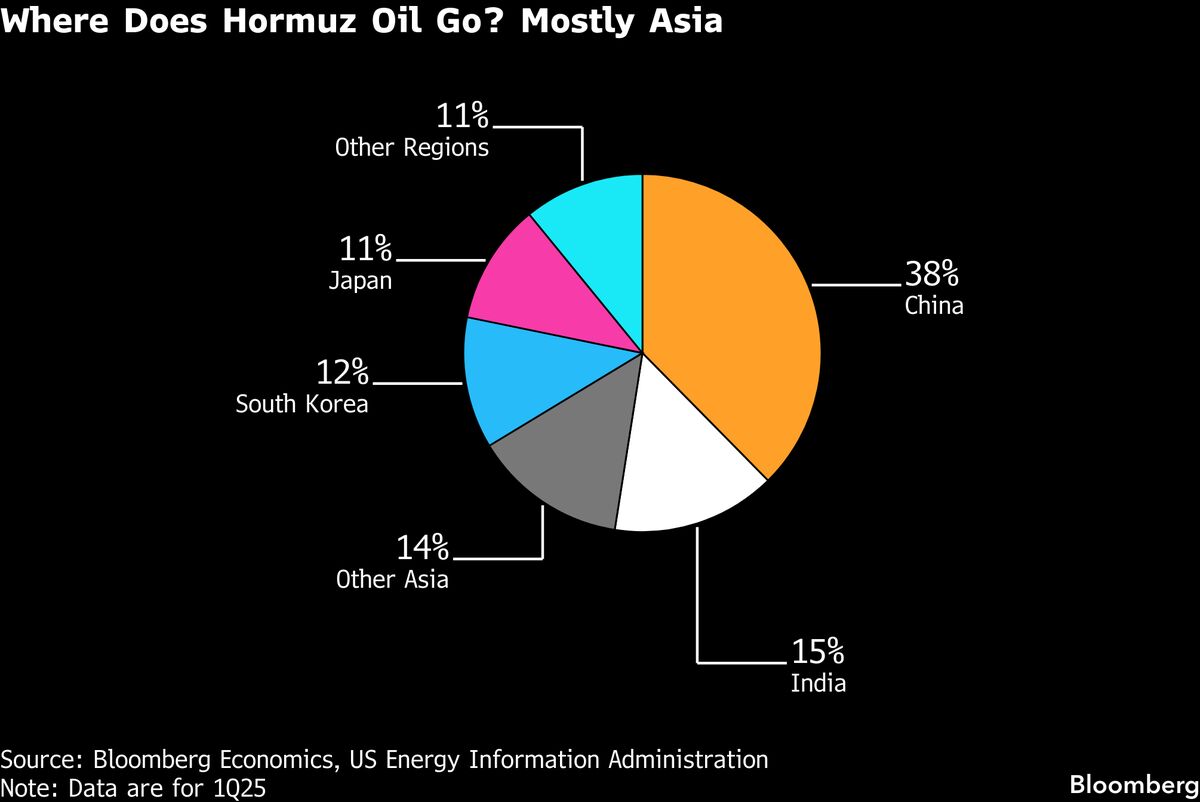
Asia was quick to welcome the US-Iran deal to reopen the Strait of Hormuz, through which most of the region’s energy supplies flow. But many warned it’s too early to say if that will offer long-term relief to the world’s most populous and fastest-growing region.

 Anmelden