❌

Lese-Ansicht

‘Shocking and sobering’: UK bird populations fall to lowest level on record

Nearly half of species are in decline, with farmland birds and seabirds the worst hit, conservation bodies say

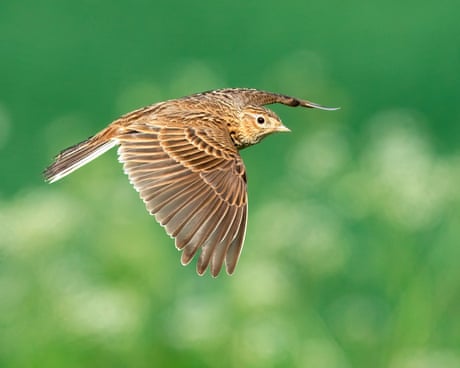
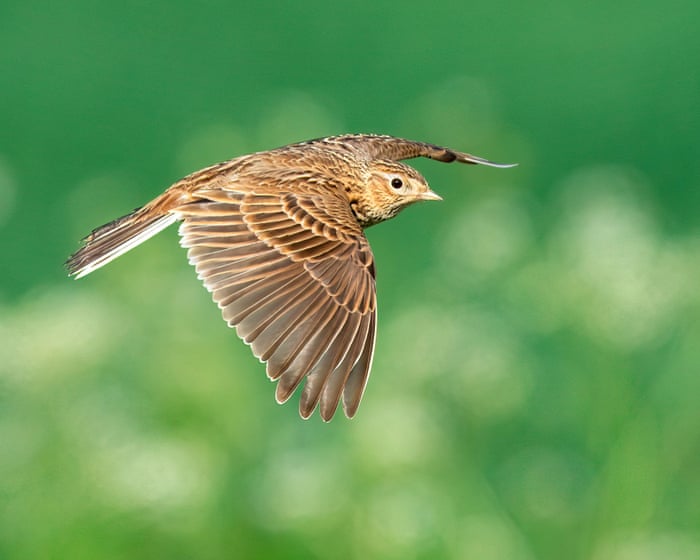
Wild bird populations in the UK have fallen to their lowest level since records began, figures show, with nearly half of species in decline.

Figures produced by leading nature conservation bodies for the government show that average populations across 132 native breeding species fell by 19% between 1970 and 2025, with farmland birds and seabirds the worst hit in recent years.

Continue reading...
© Photograph: BIOSPHOTO/Alamy
© Photograph: BIOSPHOTO/Alamy
© Photograph: BIOSPHOTO/Alamy
  •  

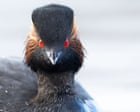
‘Nature thrives when given a chance’: restored Cheshire wetland now a haven for rare grebe

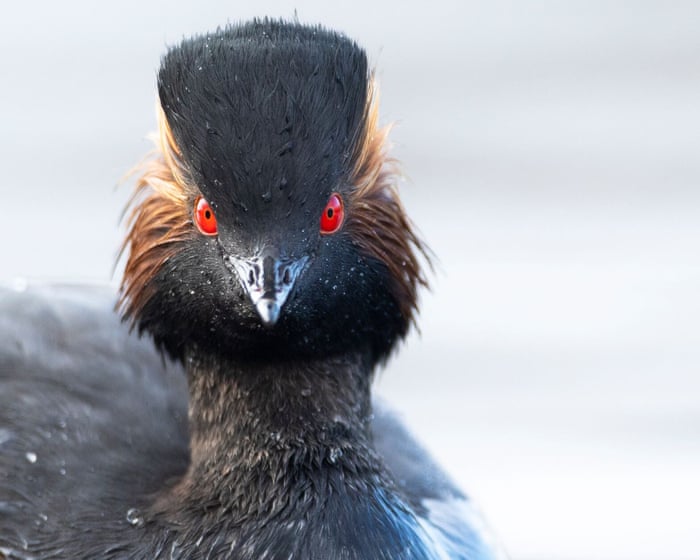
Woolston Eyes in Warrington, a dumping ground for canal dredgings, has become best place in UK for black-necked grebe

A dumping ground for dredgings from the Manchester Ship Canal has become the best place in Britain for the rare and beautiful black-necked grebe, hosting 64% of Britain’s breeding population.

Since 2021, Woolston Eyes in Cheshire has been restored, extended and turned into a mosaic of freshwater pools, reedbeds, willow scrub and rough grassland, managed by the RSPB and Woolston Eyes Conservation Group.

Continue reading...

© Photograph: Ben Andrew / RSPB

© Photograph: Ben Andrew / RSPB

© Photograph: Ben Andrew / RSPB

  •  

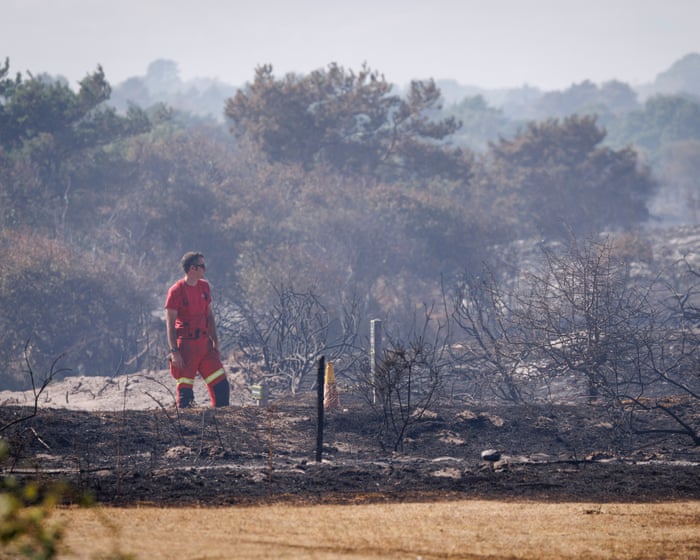
‘These are human fires, not wildfires’: Dunwich reflects on the devastation

As residents, nature wardens and experts consider the damage to the heathland and how to restore it, the climate crisis is foremost in their minds

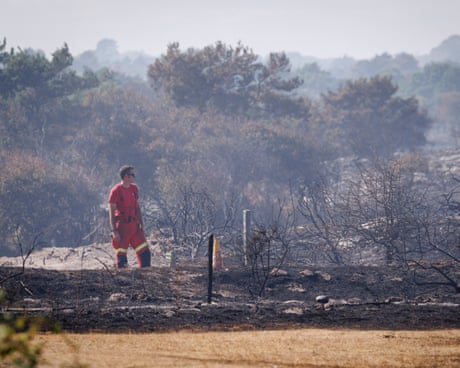
A local community pulling together, emergency services saving homes and caravan parks from catastrophe, and farmers and nature reserve wardens working to rapidly create fire breaks to halt a marauding fireball 40 metres high – there was plenty to praise the week after a swathe of east Suffolk burned.

But local people were also in tears at the blackened, ruined state of more than 112 hectares (277 acres) of Dunwich Heath, mourning the devastation of a much-loved nature reserve alongside neighbouring Minsmere. The rare birds that inhabit the reserve have lost crucial habitat, while the rare invertebrate species there will have been “decimated”, according to the reserve staff.

Continue reading...

© Photograph: Tolga Akmen/EPA

© Photograph: Tolga Akmen/EPA

© Photograph: Tolga Akmen/EPA

  •  

Gen Z leads birdwatching boom as more Britons reach for the binoculars

Birdwatching no longer niche, old-fashioned pastime, says RSPB as research shows 47% increase in hobby since 2018

Birdwatching is the second fastest growing hobby for generation Z after jewellery making, according to a multiyear study of more than 24,000 people.

Almost 750,000 gen Zers (16 to 29-year-olds) in Britain regularly enjoy watching birds, a -1,088% increase since 2018, according to research by Fifty5Blue published by the RSPB.

Continue reading...

© Photograph: Outdoor Images/Alamy

© Photograph: Outdoor Images/Alamy

© Photograph: Outdoor Images/Alamy

  •  

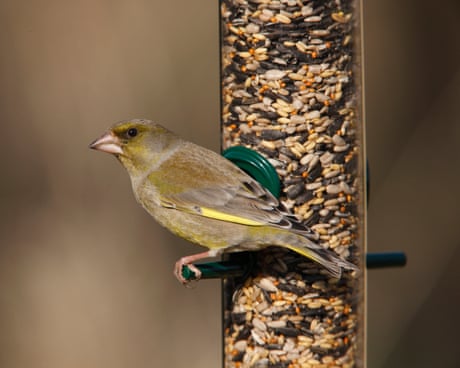
Take down bird feeders this summer to cut spread of avian disease, says RSPB

Charity advises replacing seed and nut feeders, where birds gather, with small amounts of mealworms, fat balls or suet

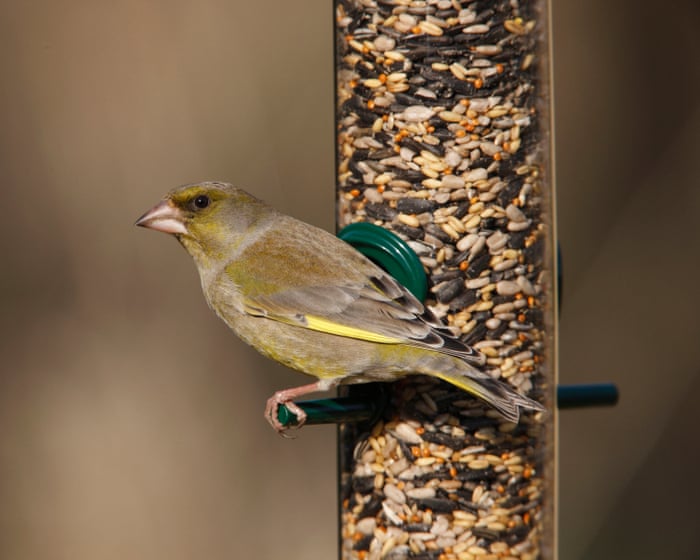
Garden birds should not be fed seeds and nuts over the summer months, the RSPB has said, in an attempt to reduce the spread of avian diseases.

Bird lovers are being urged to take down their bird feeders between May and October to help birds such as the greenfinch, whose numbers have plummeted after the spread of trichomonosis, a parasitic disease transmitted more easily when birds cluster around feeders in the warmer months.

Continue reading...

© Photograph: Nigel Blake/PA

© Photograph: Nigel Blake/PA

© Photograph: Nigel Blake/PA

  •  

‘Swifts spark joy!’ Why these beautiful birds need our help – and 10 ways to give it

Britain’s swift population fell by two-thirds between 1995 and 2023. Make their lives a little easier with a bit more food and more places to nest

Swifts are wheeling, screaming endurance athletes. They don’t touch the earth for nine months of the year and fly about 14,000 miles annually – travelling from sub-Saharan Africa to nest in the UK, then back again. In Britain, they’re the sign that summer is coming or taking its leave. In between, they provide a heart-soaring display of beauty. No wonder they’re beloved.

“Swifts spark joy,” says Hannah Bourne-Taylor, a passionate swift advocate and author of Nature Needs You: The Fight to Save Our Swifts.

Continue reading...

© Composite: Guardian Design; Ornitolog82/Getty Images

© Composite: Guardian Design; Ornitolog82/Getty Images

© Composite: Guardian Design; Ornitolog82/Getty Images

  •  

European cold snap may increase bird migration to UK

This year’s RSPB Big Garden Birdwatch, which begins on Friday, could reveal ‘some surprise migratory visitors’

The chances of spotting a fieldfare or redwing in 2026 have risen, thanks to cold and unsettled weather in Europe, prompting a bumper year in birds migrating to the UK.

The RSPB highlighted the trend on the eve of the Big Garden Birdwatch, an annual event that constitutes the world’s largest garden wildlife survey, which will take place between 23 and 25 January.

Continue reading...

© Photograph: Chris Gomersall (rspb-images.com)

© Photograph: Chris Gomersall (rspb-images.com)

© Photograph: Chris Gomersall (rspb-images.com)

  •  
❌