❌

Lese-Ansicht

Macklemore’s Free Palestine tour review – a triumph of a show with performances from Hozier, Kneecap and more

3Arena, Dublin
Several unannounced guests feature on the first European date of the rapper’s sold-out benefit tour, including video messages from Mark Ruffalo and Cynthia Nixon

“We’d like to thank Ed Sheeran for organising this concert,” offers a member of Kneecap, one of several unannounced guests who have turned up for the first European date of Macklemore’s Free Palestine tour. It’s a characteristically two-fisted approach to the matter in hand from a band who have seldom shied away from controversy, but it has more than a grain of truth in it.

The events of the last six weeks are quite something, and perhaps not what Robert Kraft, the billionaire owner of the New England Patriots, had in mind when he led efforts to pressurise Sheeran to remove Macklemore from his summer US tour, after the rapper made a speech about Palestine on stage at New Jersey’s MetLife Stadium. Macklemore was duly removed from the tour, but the rapper saw his profile rise dramatically as a result – in fairness, he was hardly unknown, but his biggest hits are a decade old – while every other artist on Sheeran’s tour quit in solidarity. Sheeran’s tour limped on amid much opprobrium, while Macklemore was able to translate the publicity into a tour of his own, in noticeably bigger venues than he played on his last European tour, with proceeds donated to organisations assisting Palestinians. Dublin’s 13,000-capacity 3Arena is sold out, as is every other date on the tour.

Continue reading...

© Photograph: Zoe Rain

© Photograph: Zoe Rain

© Photograph: Zoe Rain

  •  

‘I’d rather live through something publicly than escape it privately’: Jack Antonoff on survivor’s guilt and still singing love songs after his breakup

Whether he’s playing the role of soul-baring artist or starry producer, the Bleachers frontman strives to keep his integrity intact. He weighs in on Ed Sheeran, his love of working on ‘high-stakes’ albums and why he’s standing by the songs about his marriage

Sitting in the restaurant of a Denver hotel, in the middle of a US tour with his band Bleachers, Jack Antonoff shrugs. “There’s this intense need to figure me out,” he frowns, “and I don’t really know where it comes from, because I keep explaining all of it.”

He has a point. For the last 12 years, Bleachers have released a succession of albums packed with Antonoff’s strikingly personal and frank songs. Being strikingly personal and frank was the whole point. Antonoff had previously been guitarist in Fun, a pop-rock band who went supernova with their 2011 single We Are Young. Despite co-writing a song that sold 10m copies in the US alone, Antonoff says he “hated” the experience “because I wasn’t the leader, they weren’t my words, and I needed to write a song that if I fucking died tomorrow would be my life story”.

Continue reading...

© Photograph: Alex Lockett

© Photograph: Alex Lockett

© Photograph: Alex Lockett

  •  

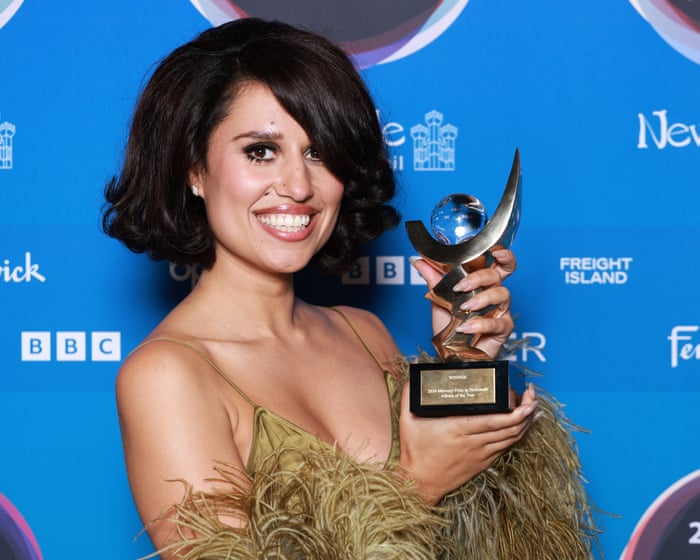
With albums under threat, Raye’s Mercury win is a triumph for grand statements | Alexis Petridis

Her winning album has its longueurs, but there’s something heartening about its risk-taking – and the Mercury prize needs big bold records like this to stay relevant

It was generally agreed that last year’s Mercury prize ceremony was a vast improvement on its predecessor. In fairness, the bar was set pretty low: hosted without an audience – or indeed a corporate sponsor – in what looked like a broom cupboard at Abbey Road, the 2024 Mercury prize seemed to suggest the whole jig was up.

Instead, the event was relocated to Newcastle’s Utilita Arena, the general public rather than record label grandees provided the audience, and something approaching a sense of genuine excitement attended the event.

Continue reading...

© Photograph: JMEnternational/Getty Images

© Photograph: JMEnternational/Getty Images

© Photograph: JMEnternational/Getty Images

  •  

Heartbreak, hope and human imperfection: Leonard Cohen’s greatest songs – ranked!

A decade after his final album, and his death, we rate the best of the Canadian singer-songwriter who brought a deep, spiritual wisdom to love and grief

The synth-heavy production on 1988’s I’m Your Man has always been divisive – even Leonard Cohen’s longtime collaborator Anjani Thomas subsequently expressed misgivings – but on its opening track, it really works. The Pet Shop Boys-ish arrangement chafes against Cohen’s growling vocal, amplifying First We Take Manhattan’s shiver-inducing sense of brooding menace.

Continue reading...

© Photograph: AFP/Getty Images

© Photograph: AFP/Getty Images

© Photograph: AFP/Getty Images

  •  

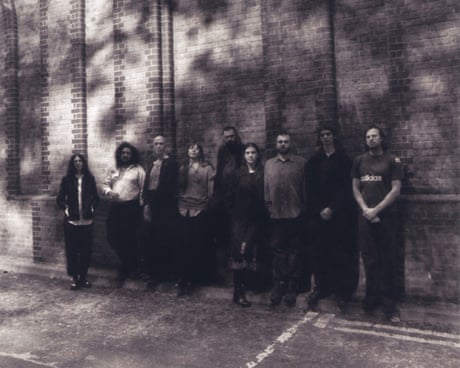
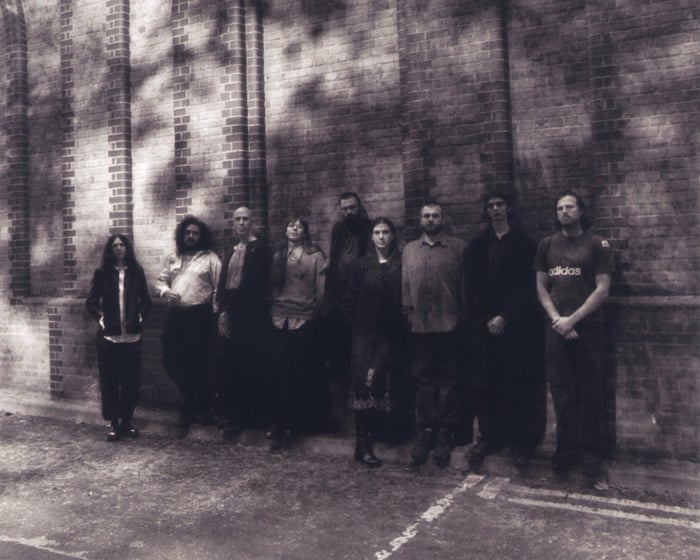
Shovel Dance Collective: Everything in Readiness review – ecstatic, dissonant folk music fighting for sonic and spiritual freedom

(tak:til)
The nine-piece London-based group take a radically fresh approach to traditional music, sounding raging, lo-fi and joyful as they link Britain’s violent past to its present

Those thus far unaware of Shovel Dance Collective’s bracing approach to folk should probably note that their third album is not much interested in breaking newcomers in gently. Everything in Readiness kicks off with a three-song suite that lasts more than 10 minutes and takes you, via a series of dramatic sonic jump-cuts, from a grinding one-note drone to a reel that seems to split the difference between trad folk fiddle-playing and the punishing squall of the Velvet Underground’s Black Angel’s Death Song. It then leaps to Tally Ho! Hark Away!, which sets a hunting song first collected in the late 1940s over a blast of what might best be described as ecstatic noise. It’s genuinely hard to work out what instruments are involved in the clattering arrhythmic chaos behind the vocal – there’s definitely a heavily distorted guitar in the mix – but the effect is weirdly euphoric rather than claustrophobic: a kind of purgative release after the mounting weirdness of the preceding reel.

If you’re looking for evidence that the nine-piece London-based group take a radically fresh approach to folk music, then there it is. The glib shorthand is that they’re doing for traditional English music what Lankum have done for its Irish equivalent – joining the dots with the kind of out-there experimentation that fills the pages of the Wire magazine – although it should be pointed out they sound almost nothing like Lankum. Anyone who already has an interest in leftfield explorations of British musical history might suggest their chaotic collage approach feels more akin to the fascinating collections of field recordings, folk song and avant garde composition released by Todmorden-based label Folklore Tapes. The music on Everything in Readiness careens unpredictably from gentle lo-fi recordings caked in distortion and tape hiss to the tumultuous, surging racket they serve up on their version of the traditional coalminer’s song Jowl, Jowl and Listen; from singing unaccompanied by anything but the sound of birdsong to the disquieting ambient shimmer of Who Killed Cock Robin? A Summoning (Kind Morning in our Fists), which sounds like it was recorded in a vast, echoing crypt.

Continue reading...

© Photograph: Brad Gilbert

© Photograph: Brad Gilbert

© Photograph: Brad Gilbert

  •  

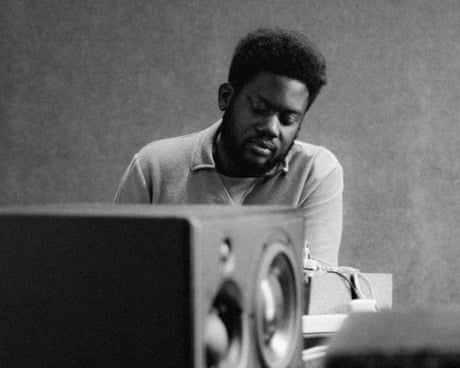
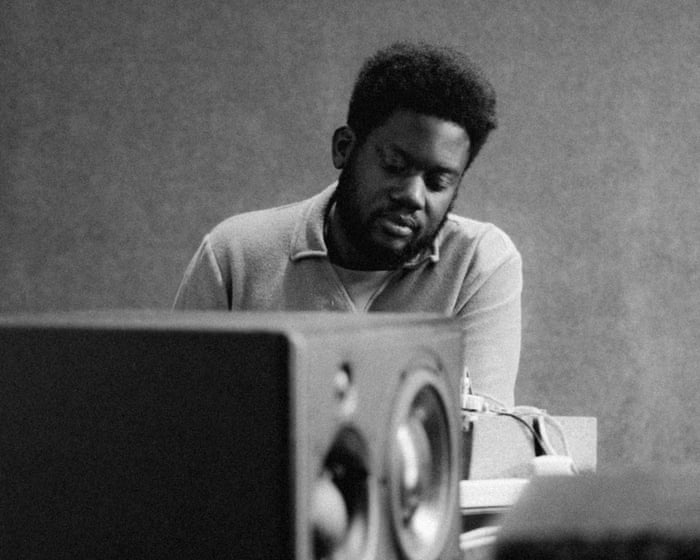
Michael Kiwanuka: Fudge review – rough and instinctive, but also lush and alive with melody

(Polydor)
Its release delayed by ill health, Kiwanuka’s latest was made in tandem with 2024’s Small Changes – but it’s much more than a mere companion album

In November 2024, Michael Kiwanuka released his fourth album, Small Changes, an extremely poised and self-assured piece of work. After three gold albums, a Grammy nomination, a Mercury prize win and the ongoing success of Cold Little Heart, a 2017 single hoisted to virality and million-selling status in the US after its use in TV drama Big Little Lies, Kiwanuka – and his long-term production collaborators Danger Mouse and Inflo – evidently felt confident enough to release a beautiful but wilfully understated album. Recorded in LA, some impressive names lurked in the credits: legendary session musicians including bassist Pino Palladino and the drummer James Gadson, who played on Marvin Gaye’s I Want You and Donald Fagen’s The Nightfly; the similarly legendary R&B producer Jimmy Jam served as organist on three tracks. It attracted the kind of critical praise in which adjectives like “unhurried” and “meditative” figured heavily.

But it also wasn’t the whole story. It turned out there was a second album, its songs written – or rather, jammed into existence by Kiwanuka and members of his live band – concurrently with Small Changes. It was made not in LA but in a studio that “looks like a medieval hut” in Southampton. August session musicians and legendary R&B producers were not present during its recording, nor were Danger Mouse and Inflo. Indeed, you could read its opening track, Summer Clothes, as a kind of Dear John letter to both of them (“I’m OK, I found another way … we’ll be back here soon, just not today”).

Continue reading...

© Photograph: Jodie Canwell

© Photograph: Jodie Canwell

© Photograph: Jodie Canwell

  •  

Angèle: Instinct review – Belgium’s biggest star is determined to do pop differently

(RCA)
Massive in her home nation but less so outside, Angèle is aided by Justice, Soulwax and Caroline Polachek in ​a bold bid for broader appeal – but her resultant album ​can be generic as well as daring

As has often been pointed out, we live in an era where the traditional Anglo-American stranglehold over pop has been broken. Partly because streaming has presented listeners with a far broader choice of music than would once have been imaginable, and partly as a result of social media accounts doing the promotional departments’ job for them, the charts are now as likely to include music made in Seoul or Lagos as London or LA. Spurs’ 62,000-capacity stadium has recently hosted not just Jay-Z, Gorillaz and System of a Down, but India’s Arijit Singh, South Korea’s BTS, BigBang and Stray Kids, and Puerto Rico’s Bad Bunny, who addressed the crowd almost exclusively in Spanish.

Clearly, British audiences’ disinclination to be welded to English-speaking artists is a cheering thing. Equally clearly, there seem to be limits: the same interest hasn’t been afforded Francophone pop. The biggest French-speaking stars in recent memory have either dealt in dance music or acquiesced to recording in English. Belgian rapper Stromae has attracted media interest and co-signs from Kanye West and Lorde without ever progressing beyond cult status in the UK.

Continue reading...

© Photograph: Kenza Le Bas

© Photograph: Kenza Le Bas

© Photograph: Kenza Le Bas

  •  

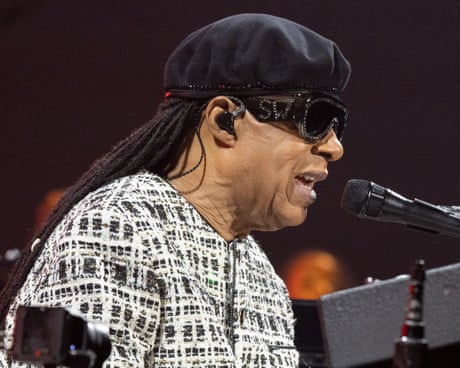
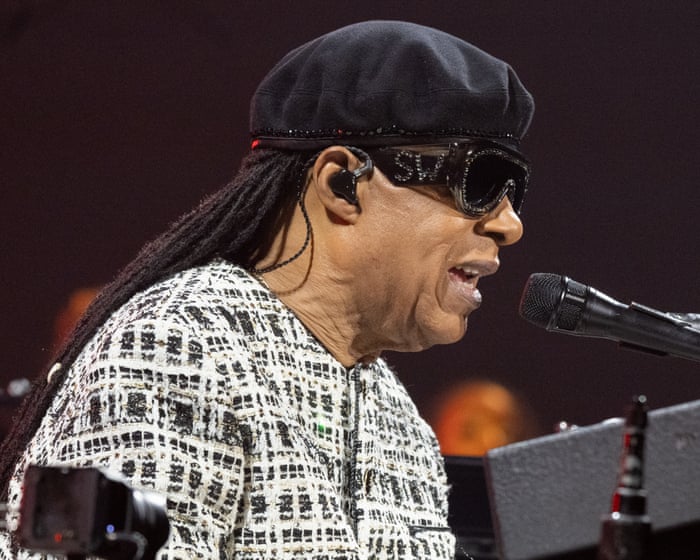
Stevie Wonder review – playing ​his greatest album in full, he knocks everyone sideways

Utilita Arena, Birmingham
The opening night of Wonder’s tour marking the 50th anniversary of Songs in the Key of Life leaves jaws on the floor, thanks to sumptuous tracks carrying still-urgent messages

Seated amid a bank of keyboards, Stevie Wonder addresses the audience at the first date of his tour celebrating the 50th anniversary of Songs in the Key of Life, his most celebrated album. He says playing it in full like this was a longstanding ambition: the issue was that it needed so many people to bring it to fruition. He actually fulfilled that ambition a decade ago in North American arenas in 2014 and 2015, gigs from which the 50th anniversary shows take their cue – complete with Superstition added as an encore – but that said, you have to take his point about the number of people involved.

There really are a lot of musicians up there: three percussionists, a string section, five brass players, six backing vocalists, two guitarists, three keyboard players, including Wonder himself, who variously plays a bank of synthesisers both vintage and modern, a grand piano, an upright tack piano and, on Ngiculela/Es Una Historia/I Am Singing, a bizarre stringed instrument called a harpejji that wasn’t actually invented when Stevie Wonder last released an album, let alone when Songs in the Key of Life was made. Harpejii or not, that very much counts as scaling things down dramatically compared to the album’s actual sessions. Made by a man who could pretty much do everything himself, its recording nevertheless involved 108 musicians: eight people are credited for handclaps.

Continue reading...

© Photograph: Katja Ogrin/Getty Images for ABA

© Photograph: Katja Ogrin/Getty Images for ABA

© Photograph: Katja Ogrin/Getty Images for ABA

  •  

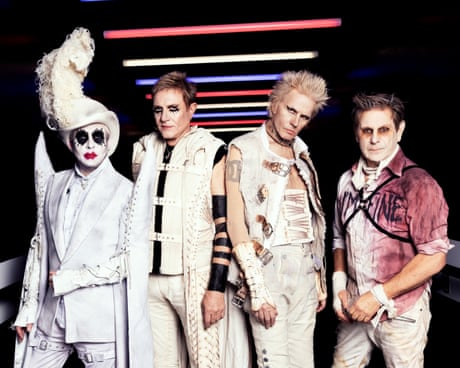
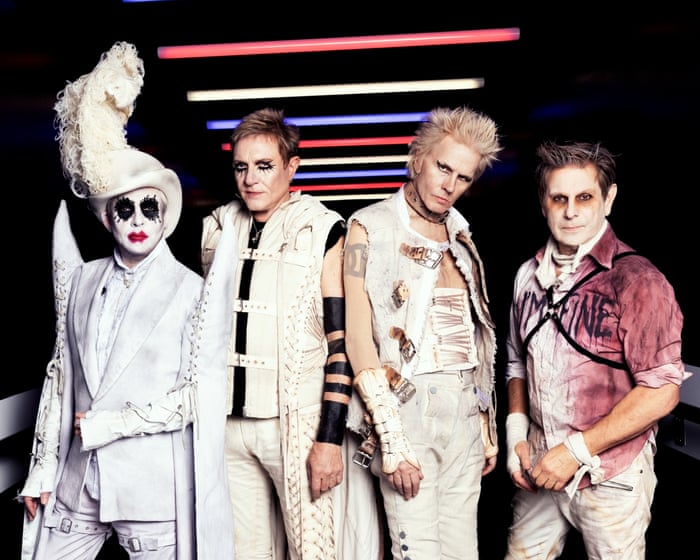
‘We look like soft, made-up blokes, but we’re really tough’: Duran Duran on 80s excess, tabloid scrutiny and their Halloween glow-up

They spent their heyday on yachts, then rolled up their sleeves in the wilderness years. Ahead of a Halloween show at the O2, pop’s great survivors explain their staying power
In 2022, Duran Duran were inducted into the Rock & Roll Hall of Fame. It felt like a big deal, a sweet moment of acknowledgment for the band’s five-decades-long career, the 100m records sold, the string of bulletproof hits: Save a Prayer, Rio, Hungry Like the Wolf, Girls on Film. They were inducted by actor Robert Downey Jr; Drew Barrymore, Naomi Campbell and Gwen Stefani were on hand to pay heartfelt tribute and, as keyboard player Nick Rhodes points out, “It’s a big national live TV broadcast in America that goes out to millions of people,” so the band booked some warm-up shows. “And it so happened that there was a date that came up in Las Vegas on 31 October,” says Rhodes. “And I looked at everyone and said: ‘Well, we can’t do a normal show. Las Vegas on Halloween – surely that’s the opportunity for a little bit of fun?’”
They worked up a set of suitably themed material, including covers of Billie Eilish’s Bury a Friend and Talking Heads’ Psycho Killer. There were, of course, costumes involved, because, as Rhodes drily notes, “When have Duran Duran ever not dressed up?”

Continue reading...

© Photograph: Stephanie Pistel

© Photograph: Stephanie Pistel

© Photograph: Stephanie Pistel

  •  

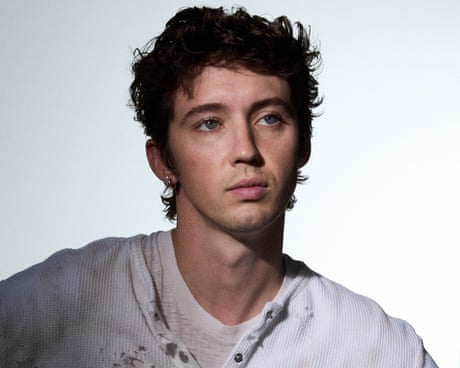
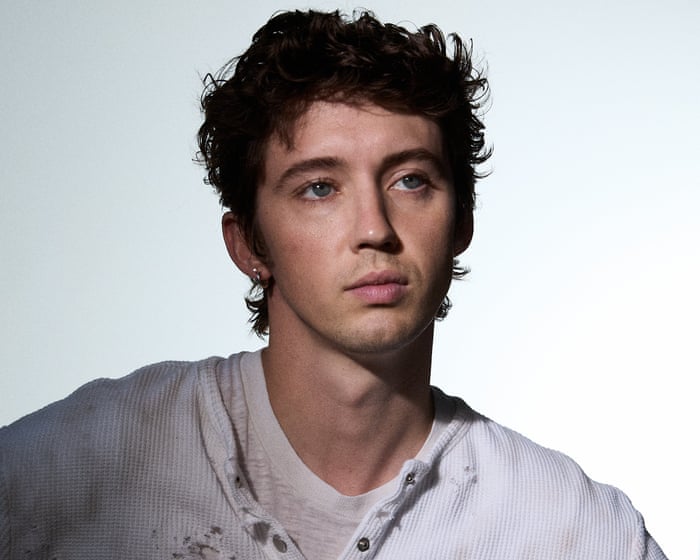
Troye Sivan: She’s the Best review – a strange, singular pop star who deserves to be multiplatinum

(Interscope)
Adored by the A-list and filling arenas, but without huge smash hits, the Australian singer treads his own distinctive path through pop via shoegaze, Balearic and the Smiths

A few years back, the New York Times reported on the phenomenon of the “middle-class pop star”. The feature bluntly explained that this signified “a pop star who isn’t that popular”, for whom the word signified not commercial dominance, but “a sound, an aesthetic, an attitude”. It isn’t an entirely new phenomenon: you may recall a game late 00s attempt to differentiate critically acclaimed but commercially underground pop artists – Alphabeat, Frankmusik and the Clik Clik among them – from the massed ranks of chart-topping TV talent show graduates by grouping them together under the generic banner of “wonky pop”. But the arrival of social media clearly changed things dramatically, enabling artists who seldom, if ever, encroach on the charts’ upper reaches to develop ferociously loyal – and very online – followings, reliably packed-out shows and a genuine aura of celebrity to go with their good reviews.

Troye Sivan might well be the apotheosis of this phenomenon. Over the last 12 years, his albums have shifted respectable, rather than earth-shattering quantities. Intermittently, the odd single has become a mainstream hit, but their success is vastly outstripped by his profile – arena tours, features in broadsheet newspapers and style magazines, interviews on late night US chatshows – and indeed his standing among huge stars. He has been glowingly written about in Time magazine by Kylie Minogue. Nicole Kidman appears in the video for the title track from She’s the Best. Madonna apparently gave personal approval for him to use a sample from 2000’s Music on another of the album’s singles, Party. He has duetted on hits by Dua Lipa, Ariana Grande and Charli xcx, with whom he co-headlined a US tour just after the release of Brat.

Continue reading...

© Photograph: Marcus Cooper

© Photograph: Marcus Cooper

© Photograph: Marcus Cooper

  •  

Fierce, frantic and loaded with menace: Fontaines DC’s 20 greatest songs – ranked!

Ahead of the Irish alt-rockers’ highly anticipated fifth album, Dopamine Chamber, we count down their potent, occasionally political, catalogue

A single inspired by the birth of bassist Conor Deegan’s daughter, It’s Amazing to Be Young is a lovely example of Fontaines DC operating in euphoric mode, a relatively recent addition to their emotional mood board: “Sometimes,” offered frontman Grian Chatten, “optimism is a necessary delusion.”

Continue reading...

© Photograph: Theo Cottle

© Photograph: Theo Cottle

© Photograph: Theo Cottle

  •  

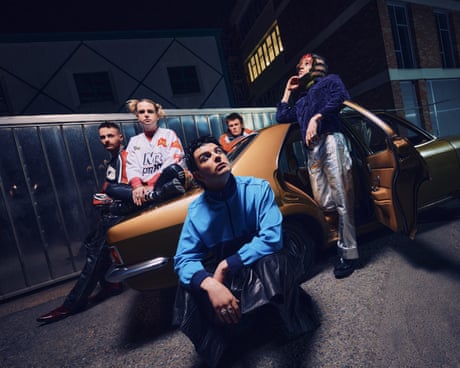
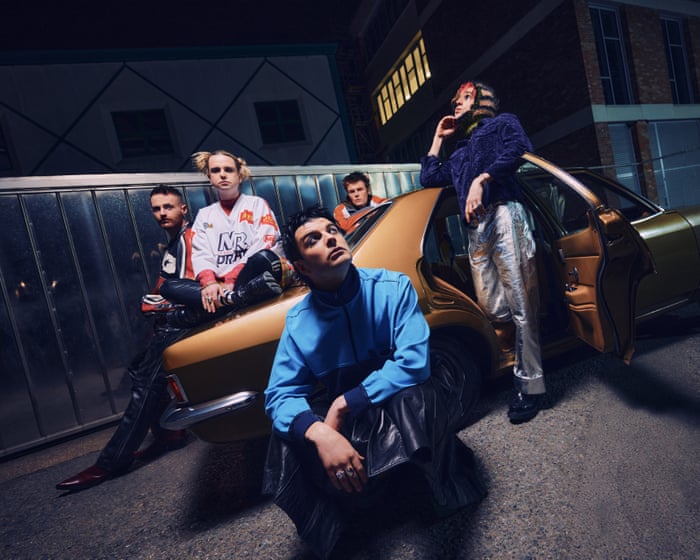
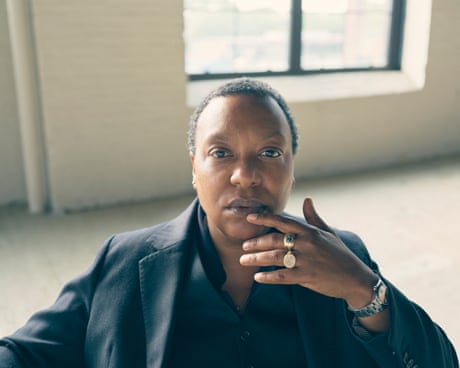
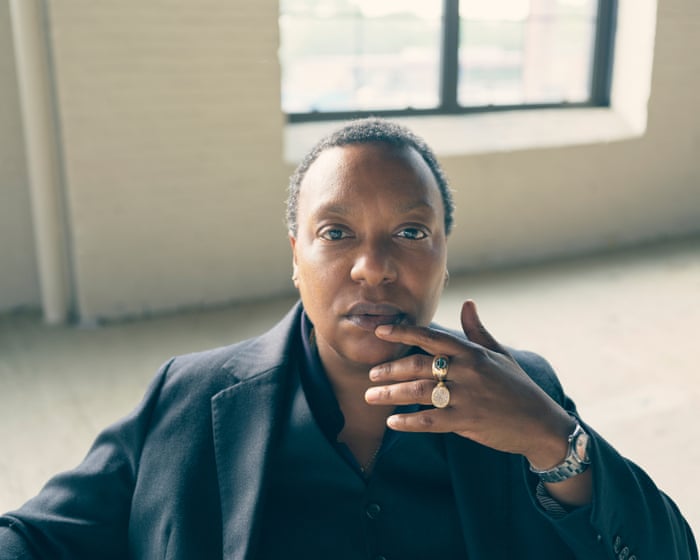
Meshell Ndegeocello: Synonym review – vivid all-star reinventions of everyone from Bob Dylan to J-Lo

(Blue Note)
In the jazz-soul singer’s ‘expression of queer liberation’, stars from Chaka Khan to Bill Callahan to Cynthia Erivo duet on equally varied songs from Cher to the Human League and beyond

It’s fair to say that Meshell Ndegeocello has made a career out of declining to stay in one place too long. Since helping spark the neo soul genre with her 1993 debut album, Plantation Lullabies, she has variously worked in the fields of jazz, R&B, alternative rock, reggae, fusion and gospel. Her last album, No More Water: The Gospel of James Baldwin, seemed intent on defying any kind of classification, leaping from Afrobeat funk to electronic abstraction to a closing track that sounded not unlike the xx: it won a Grammy for best alternative jazz album, which slightly smacked of the awards’ organisers throwing up their hands in defeat after a lengthy and fruitless attempt to decide in which category it might belong.

Even if you knew absolutely nothing about Ndegeocello’s eclectic musical history, you could get a sense of her restlessness just from looking at the back cover of Synonym, a collection of cover versions rendered as duets. The source material picks from the oeuvres of Bob Dylan, Jennifer Lopez, the Human League, Barbra Streisand and Chris Cornell’s short-lived grunge supergroup Temple of the Dog, among others. Her collaborators range from Bill Callahan and Cat Power to Chaka Khan and Cynthia Erivo, by way of jazz pianist Robert Glasper.

Continue reading...

© Photograph: Charlie Gross

© Photograph: Charlie Gross

© Photograph: Charlie Gross

  •  

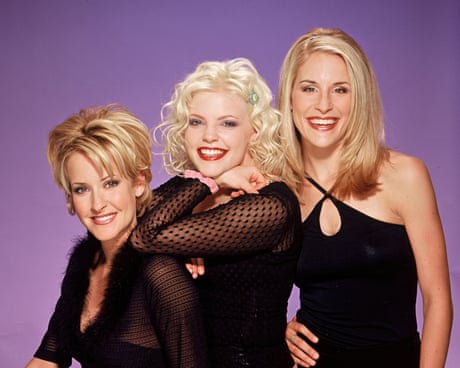
George Bush, murder and nautical infidelity: the Chicks’ 20 greatest songs – ranked!

As the country trio once known as Dixie Chicks celebrate 20 years of their album Taking the Long Way, we count down the best of their catchy, sometimes controversial catalogue

One of eight singles released from the album Fly. Amazement at the sheer number should be matched by astonishment at their consistency. If I Fall … is just great. Organ-driven rock lent a Nashville twang by the fiddle, it barrels along, rich with the confidence of a band who know they can’t put a foot wrong.

Continue reading...

© Photograph: Harry Langdon/Getty Images

© Photograph: Harry Langdon/Getty Images

© Photograph: Harry Langdon/Getty Images

  •  

Gilla Band: Pugnello review – furious originality fuelled by cathartic aggression and absurdist confessions

(Rough Trade)
Your favourite band’s favourite band unleash a thrilling and relentless 42 minutes of monstrous noise whose precise instrumental source always remains discomfitingly unclear

Gilla Band have attracted some impressive plaudits since announcing their fourth album this summer. A feature in Pitchfork heralding its arrival described them as “Ireland’s most influential band since My Bloody Valentine”. Should any readers feel this was a classic example of music journalism hyperbole, it was followed up with a succession of quotes from the Dublin quartet’s musical peers, all eager to attest to their importance, originality and impact. One of them, Selin Macieira-Boşgelmez – one half of Brighton-based punk duo Lambrini Girls – went so far as to say precisely the kind of thing about Gilla Band that people said about My Bloody Valentine 35 years ago: “They basically reinvented guitar music.”

Under the circumstances, there’s something faintly disappointing about the fact that Pugnello opens with a very prosaic and familiar sound indeed: that of someone striking a power chord on a distorted electric guitar. But then something disconcertingly odd happens. The power chord doesn’t fade away. It just … keeps going, for the best part of two and half minutes. That grinding drone underpins a track called The Angelus, punctuated by frantic bursts of warp-speed rhythm that would sound like drum’n’bass breakbeats were it not for the fact that they appear to be played live on a drum kit consisting entirely of snares. The drone is eventually replaced by a series of ferocious, shuddering bass explosions, overlaid with a sound that could, theoretically, be feedback, but most evokes a dial-up modem.

Continue reading...

© Photograph: El Hardwick

© Photograph: El Hardwick

© Photograph: El Hardwick

  •  

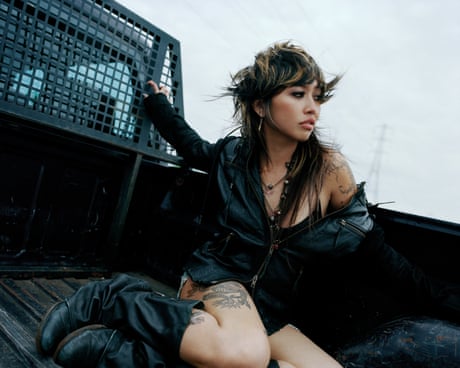
Beabadoobee: Pylon review – voice of a generation’s surprisingly relatable rampage through rock star rage

(Dirty Hit)
The Filipino-British songwriter’s fourth album sprinkles 90s alt fuzz with disarmingly sweet melodies and an impressive host of guests including Paramore’s Hayley Williams and Turnstile’s Brendan Yates

Last month, the Guardian published a feature about the demise of the monoculture. It suggested that streaming services, personalised algorithms and the declining influence of radio and television meant we now live in a world where stardom isn’t as universal as it once was. It used Sam Fender and Olivia Dean’s single Rein Me In as an example: here was a song that spent a record-breaking 23 weeks at No 1 yet hadn’t attained anything like the ubiquity you would once have expected: to judge by social media, plenty of people seemed to have never knowingly heard it.

If you were looking to advance this theory, you might alight on the career of Beatrice Laus, the 26-year-old British-Filipino singer-songwriter better known as Beabadoobee. To a certain cohort, primarily female and in their late teens and early 20s, she is not just a huge star, but a genuinely iconic figure. The latter is an over-used adjective in 2026, but if social media abounds with tutorials advising female fans how to copy your style and imitate your makeup – if you can be personally held partly responsible for the 2021 outbreak of adolescent girls drawing fake freckles on their faces in imitation of your own – then it probably fits, whether it discomfits Laus or not. The lyrics of Satellite, the closing track on her fourth album Pylon, suggests it does: “I give the generation a new infatuation,” she sings. “If only I knew how to cope with the times.”

Continue reading...

© Photograph: Courtesy of Erika Kamano

© Photograph: Courtesy of Erika Kamano

© Photograph: Courtesy of Erika Kamano

  •  

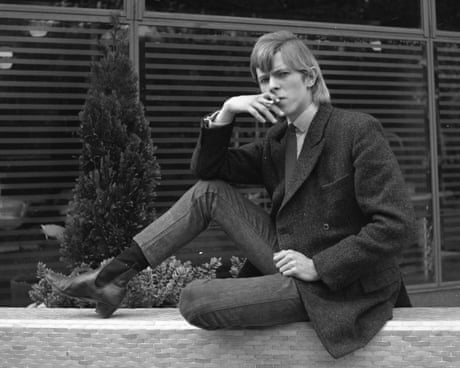
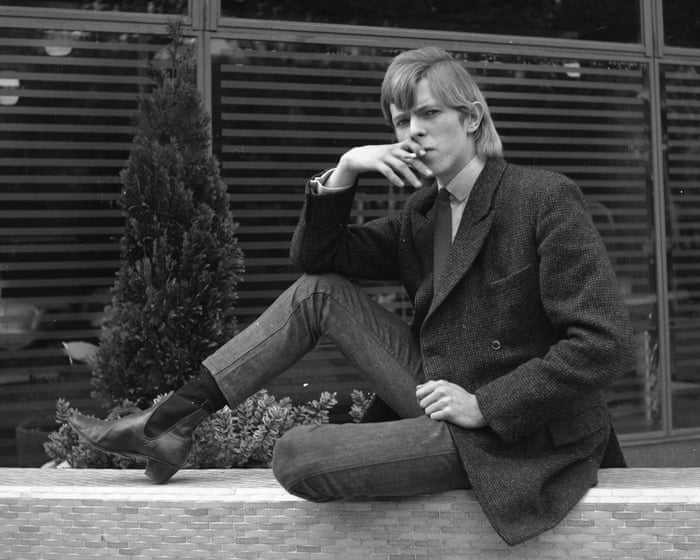
David Bowie: The Shel Talmy Recordings review – these unheard 60s tunes are actually pretty flimsy

(Parlophone)
On this new compilation of his mid-60s Davie Jones years, Bowie can’t distinguish himself from the era’s other bands – and ends up hedging his bets

In 1973, David Bowie released Pin Ups, a loving if slightly over-wrought collection of covers from the mid-60s: the moment when the previous driving forces of British pop, Merseybeat and the blues revival started giving way to something noticeably weirder, noisier and more expansive. In an accompanying promotional interview, he waxed lyrical about his memories of seeing the Pretty Things, the Who, the Creation and the nascent Pink Floyd “with dear old Syd” in impeccable mod lingo (“up the Windmill or the Elephant, get blocked, bust over to Richmond”) but tactfully neglected to mention that he was more than an amphetamine-fuelled fan: he’d wanted to be a participant, and had recorded a handful of mid-60s singles inspired by his idols.

That elision shows what a strained relationship Bowie had with his pre-fame material. For most of his career, he simply tried to ignore it, although it doggedly refused to go away: his former labels kept re-releasing it, usually in sleeves that attempted to fool the buyer that it was current. Then, in his 50s, he seemed to reconsider, revisiting his 60s oeuvre on Toy, a 2001 album that was rejected by his then-label EMI – a baffling decision, if you buy the posthumous rewriting of Bowie’s history that insists his Glastonbury performance in 2000 utterly reinvigorated his career and made him as revered as he was in his peak years.

Continue reading...

© Photograph: Smith Archive/Alamy

© Photograph: Smith Archive/Alamy

© Photograph: Smith Archive/Alamy

  •  

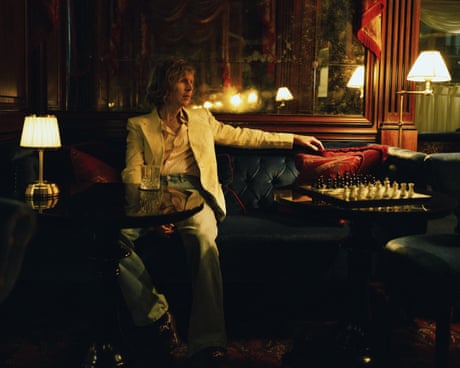
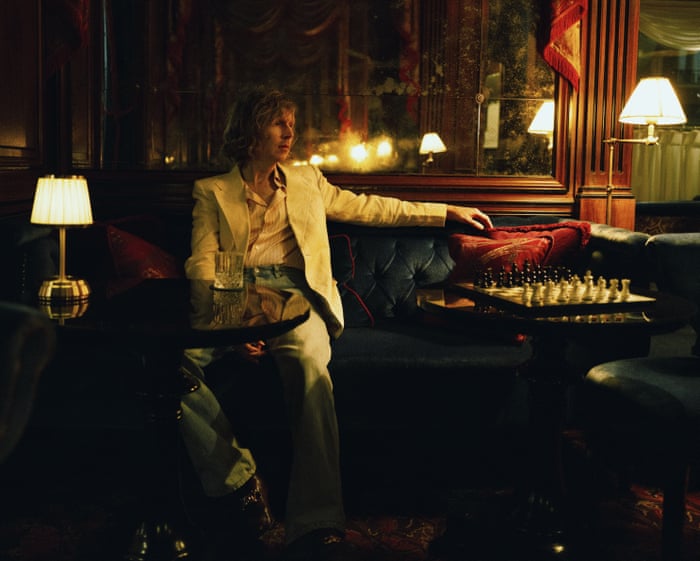
Beck: Ride Lonesome review – stunning end to the heartache trilogy of Sea Change and Morning Phase

(Iliad/Capitol)
On his first album in seven years, Beck keeps the quality control extremely high as he surveys mid-50s malaise in the wake of divorce

The last time Beck released an album it was 2019 and the singer-songwriter found himself in a strange and unenviable position. In some quarters, the arrival of Hyperspace was eagerly anticipated precisely because his personal life was in turmoil. Nine months before its release, his 15-year marriage to actor Marissa Ribisi had ended in divorce, an experience he understandably described as heartbreaking. Unfortunately for him, there exists a pervasive argument that Beck’s greatest work is born out of misery.

His beloved 2002 album Sea Change featured a set of disconsolate acoustic songs written in the wake of a break-up with his long-term girlfriend Leigh Limon that Beck had initially thought were too personal for public consumption. They were certainly very different from the knowing, postmodern approach with which he’d made his name, but no matter: Sea Change went on to become a huge critical and commercial success. It wasn’t entirely clear what prompted the gloomy mood of 2014’s Morning Phase, but it very much seemed to be cut from similar musical and lyrical cloth. Some critics suggested it was the best album of his career; it subsequently won three Grammys, including album of the year. Given the circumstances, there was much pre-release speculation that Hyperspace would be a companion piece.

Continue reading...

© Photograph: Mikai Karl

© Photograph: Mikai Karl

© Photograph: Mikai Karl

  •  

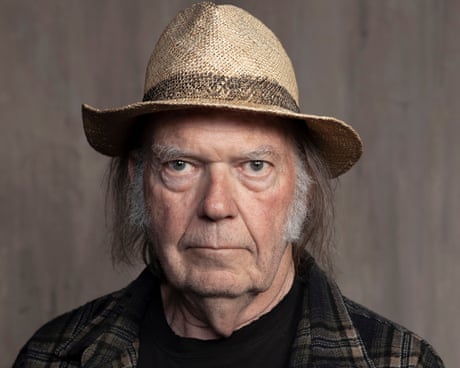
Neil Young and the Chrome Hearts: Second Song review – shaky album occasionally strikes gold

(Reprise)
The 80-year-old continues his tireless output, delving into the past for inspiration to variable results – though two lengthy brand-new songs are real showstoppers

You can’t fault Neil Young for his industry. Second Song is his second new album of 2026: the first, a double live set called As Time Explodes, was released just over three months ago. Indeed, at 80, his work schedule seems mind-boggling. Since 2020, he’s released nine new albums, a 30-minute EP, five self-directed films and three more films directed by others, 10 archival live albums, six archival studio albums and two immense box sets. He has embarked on tours with his longstanding backing band Crazy Horse, his recently convened backing band the Chrome Hearts, and solo. He has gone to public war with Spotify, Amazon, Ticketmaster and – briefly – the BBC’s coverage of Glastonbury, and penned umpteen op-ed pieces about politics, the environment and corporate media for his online newspaper the Times-Contrarian. When he recently cancelled a European tour citing exhaustion, it was hard not to think: well, I’m not surprised.

You do find yourself wondering if his workload is such a good thing: not just for an elderly gentleman’s health but also for the quality of his output. Young has always prized spontaneity over finesse, but some of his more recent releases have suggested that at least a soupçon of finesse might not go amiss. Last year’s Talkin to the Trees, however, seemed to cross the line that separates the instinctive from the dashed off. Young frequently sounded as if he was making the material up as he went along, with nugatory results: “When today has come and gone, I might be singing my new song,” he offered on Family Life. “Might be short, it might be long, but I’ll be singing my new song.” If some of the melodies sounded familiar, that’s because they were. Not one but two tracks echoed the tune of Woody Guthrie’s This Land Is Your Land; First Fire of Winter was essentially Young’s 1970 masterpiece Helpless with different lyrics; Thankful rewrote 1992’s Harvest Moon.

Continue reading...

© Photograph: Rebecca Cabage/Invision/AP

© Photograph: Rebecca Cabage/Invision/AP

© Photograph: Rebecca Cabage/Invision/AP

  •  

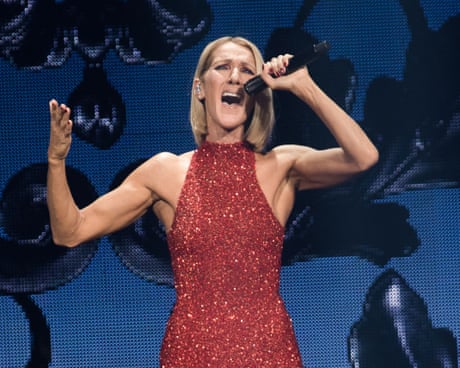
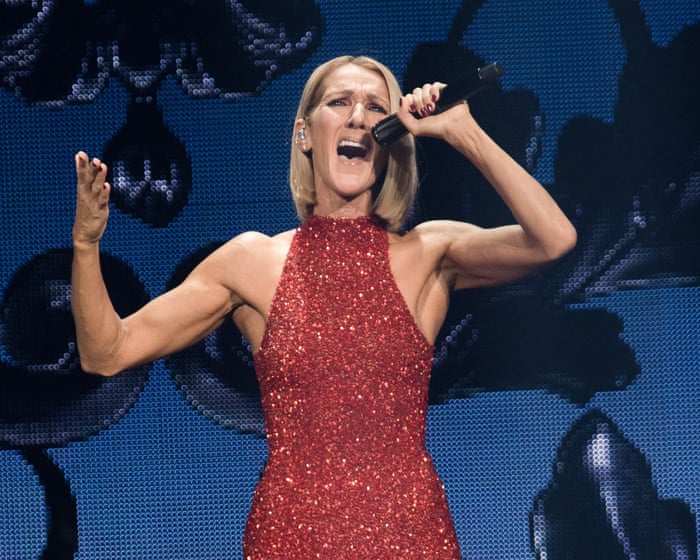
Big hits, massive ballads and titanic emotions: Céline Dion’s greatest songs – ranked!

As the French Canadian superstar returns for her first concerts since she was diagnosed with stiff person syndrome, we count down the best of an unabashedly romantic catalogue. Wind machines at the ready!

When Céline Dion’s era as a foolproof hitmaker ended, she seemed weirdly liberated and more willing to take risks. Witness the video for Ashes: an impressively atmospheric ballad from the soundtrack to Deadpool 2, in which she gently mocks her own image in the company of Ryan Reynolds, in character as the antihero.

Continue reading...

© Photograph: Alice Chiche/AFP/Getty Images

© Photograph: Alice Chiche/AFP/Getty Images

© Photograph: Alice Chiche/AFP/Getty Images

  •  

The Tubs: Hard Life review | Alexis Petridis's album of the week

(Merge)
Britain’s best indie-rockers hold fast to their defiantly old-school sound, slipping wry sideways looks at despair in among hooky melodies that always sound like a good time

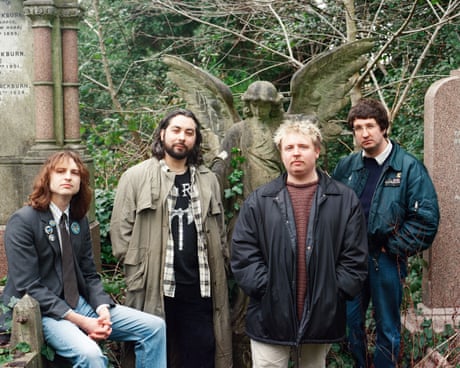
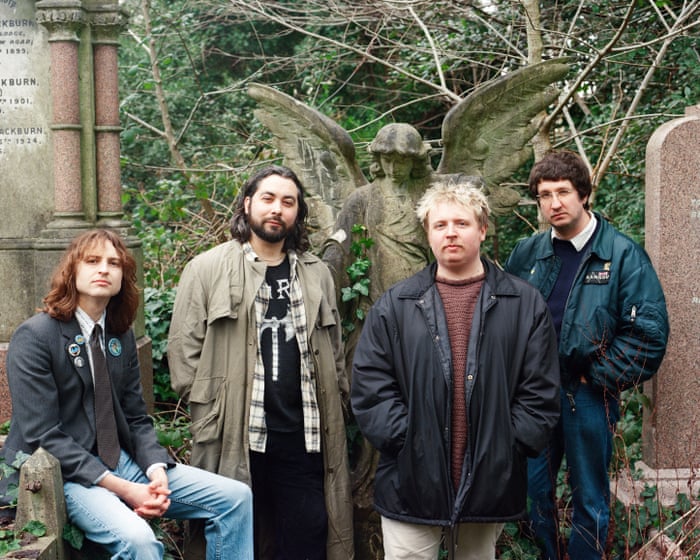
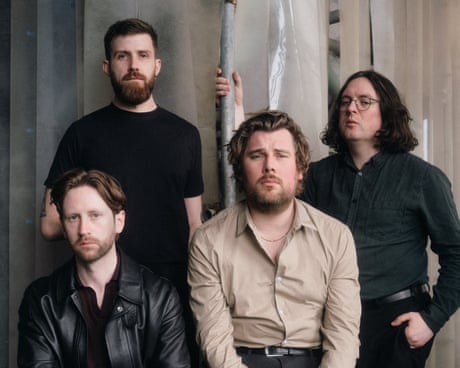
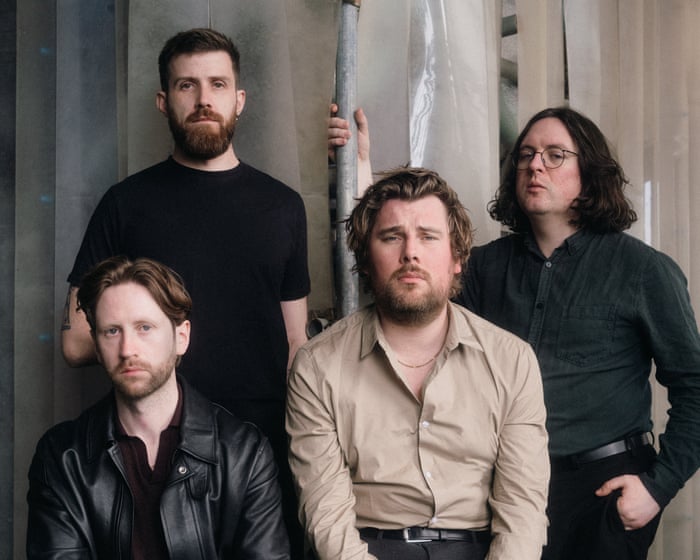
On a track called Heaven or London from the Tubs’ third album, the quartet’s frontman, Owen Williams, offers a blunt self-assessment. He is, he suggests, “the singer of a rip-off band”, engaged in “wanking himself into an early grave”. It’s a strange thing to say given that the Tubs have recently become a critical cause célèbre. Their last album, Cotton Crown, was a regular fixture in best of 2025 lists. They have been unexpectedly clasped to the bosom of the heritage rock press and had a profile in the New Yorker, which called them a “British jangle-rock band, with a cheeky dirtbag edge”.

That they’ve achieved this not by pandering to the dictates of musical fashion but by ploughing their own furrow makes it even more impressive. Much has been made of Williams’s vocal resemblance to folk-rock legend Richard Thompson, and you can understand why. But what the Tubs really sound like is old-school, pre-Madchester indie rock. Distorted guitars do battle with trebly acoustic or 12-string guitar, the punky heft and wistful melodies evocative of Hüsker Dü or the Replacements in their poppier, post-hardcore years. You could also throw pre-stadium REM into the mix: the most plangent of the lead guitar lines on Hard Life have a ring of Peter Buck about them, such as the lovely figures that spin around If You Don’t Love Me, and the arpeggio that drives In Your Place along for five and half minutes. The album comes liberally decorated with violin, which recalls Amanda Brown’s contributions to the Go-Betweens’ late-80s albums.

Continue reading...

© Photograph: Robin Christian

© Photograph: Robin Christian

© Photograph: Robin Christian

  •  
❌