The US midterms may not be as much of a spectacle as the presidential elections, but they are just as important and can completely change not just the course of a presidential term, but federal legislation for years to come. The Guardian unpacks how these elections work, what the results mean and how they affect American life.
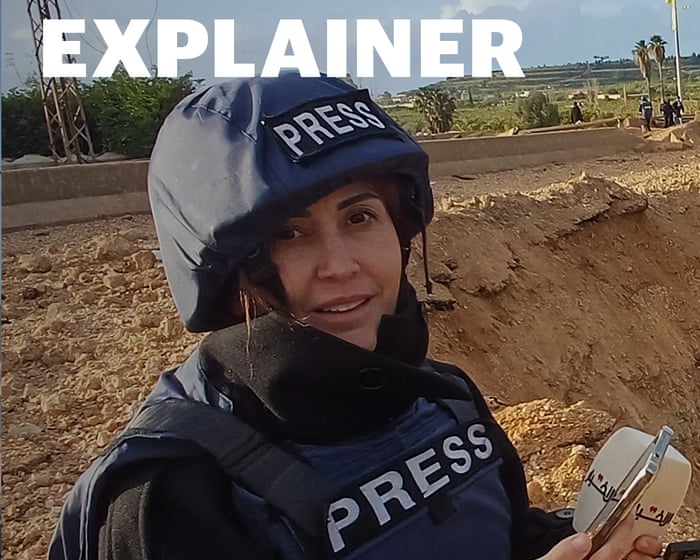
Journalist Amal Khalil was killed in April in what colleagues described as a sustained attack by Israeli forces. Rescuers attempted to dig her out of the rubble of a building that had been targeted by Israeli forces, who had also prevented them from providing life-saving assistance.
Beirut-based Guardian correspondent Will Christou explains how investigations by Human Rights Watch (HRW), Amnesty International and Legal Agenda show that Israel deliberately and directly attacked Khalil and her colleague Zeinab Faraj, with apparent knowledge that they were journalists. The organisations called for the attacks to be investigated as war crimes, while HRW called for states to halt arms sales to Israel and put targeted sanctions on Israeli officials responsible for ongoing crimes.
Deliberately attacking journalists is a war crime. Israel has killed at least 15 journalists in Lebanon and 210 in Gaza since 2023, according to the UN human rights office.
Israel said it 'regrets any harm caused to journalists', and that they were killed 'as part of a series of events' during which two Hezbollah military operatives were killed
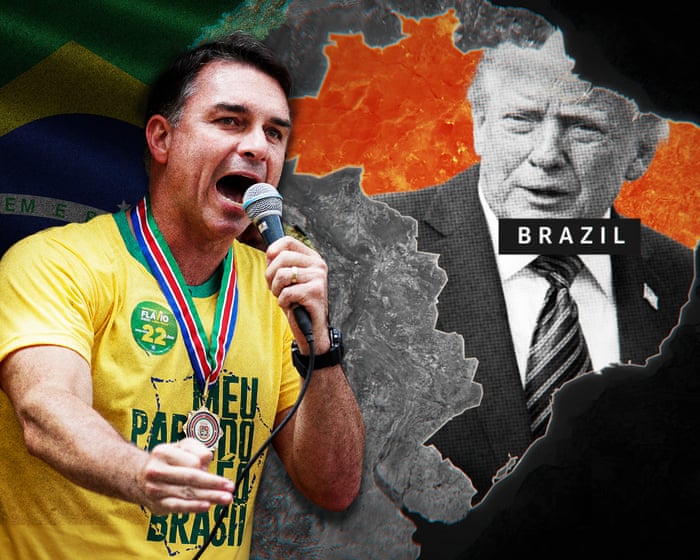
Brazil will head to the polls on 4 October for the first vote in its presidential race. The incumbent, Luiz Inácio Lula da Silva, is neck-and-neck with Flávio Bolsonaro, the son of the former president Jair Bolsonaro, who is in prison for plotting a military coup. There are fears and accusations that the US is interfering in the election, and these follow similar allegations in a string of elections across Latin America won by Donald Trump-backed candidates in what is being called 'the orange wave'.
The Guardian's Latin America correspondent, Tom Phillips, explains the tactics Trump and his administration have been using in recent months and what impact another Bolsonaro government could have on the region, and the world
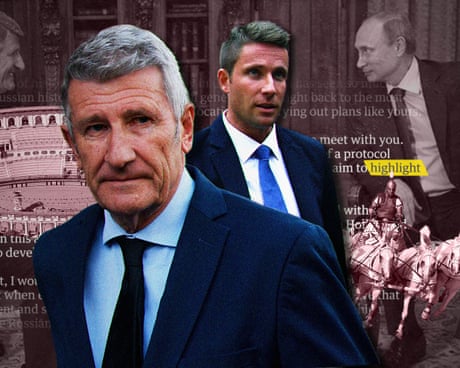
French company Puy du Fou is planning a £600m history-themed park in Oxfordshire. A Guardian investigation has found the company continued working with associates of Konstantin Malofeyev, a pro-Kremlin oligarch under sanctions, on plans for a theme park in Russian-occupied Crimea for longer than it had previously disclosed, and later explored projects in Iran and China.
Business reporter Rob Davies explains his findings, including documents that raise questions about whether Puy du Fou’s activities tested the limits of EU sanctions imposed after Russia’s 2014 annexation of Crimea.
He also examines the far-right politics associated with Puy du Fou’s founder, Philippe de Villiers, and asks whether the company is a suitable choice to tell Britain’s national story
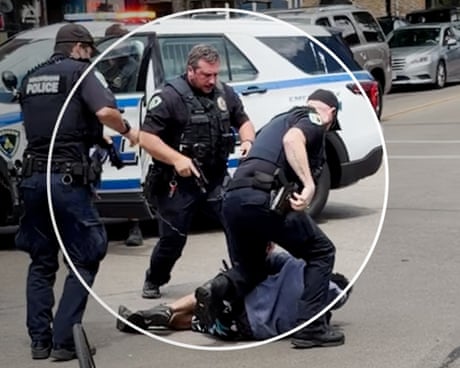
Warning: some viewers may find the following footage distressing. A fatal police shooting that killed 38-year-old Corey Ruiz has sparked massive protests in Madison, Wisconsin. Bystander video shared with the Guardian shows how the shooting unfolded on 22 July.
David Attenborough has spent more than seven decades bringing the natural world into our living rooms, becoming one of the first truly recognisable faces on television.
From his seminal 1950s series Zoo Quest to the groundbreaking Life on Earth documentaries of the 80s and 90s, and more recently his hard hitting explorations of the climate crisis, including Ocean, Attenborough has left an indelible mark on film and TV
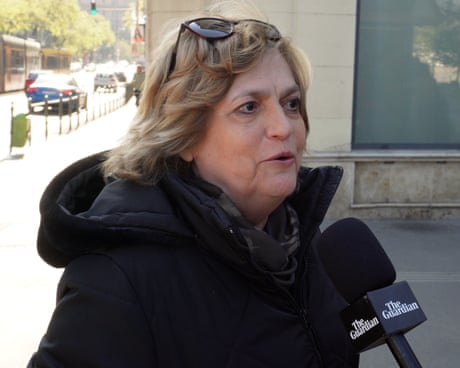
Voters will head to the polls on Sunday in what is seen as Europe’s most consequential election of the year. The Guardian's Jakub Krupa and Flora Garamvolgyi speak to Hungarians in Budapest before the vote
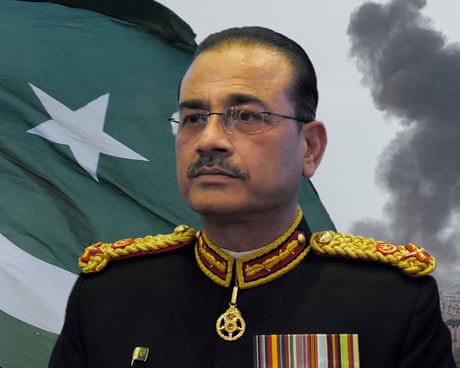
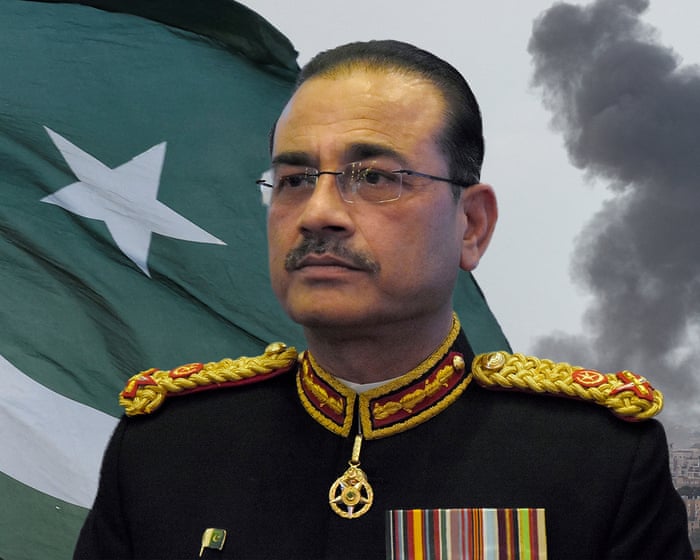
Mediating a deal at the 11th hour between Iran and the US, Pakistan has emerged as an unexpected negotiator between the two countries and is now preparing to host their delegations for peace talks. Even as the US-Iran ceasefire looked increasingly precarious amid Israel’s continued bombardment of Lebanon, Pakistani officials insisted the make-or-break peace negotiations would be going ahead over the weekend as planned. The Guardian's South Asia correspondent, Hannah Ellis-Petersen, explains how Pakistan secured what has been called its 'biggest diplomatic win' in years
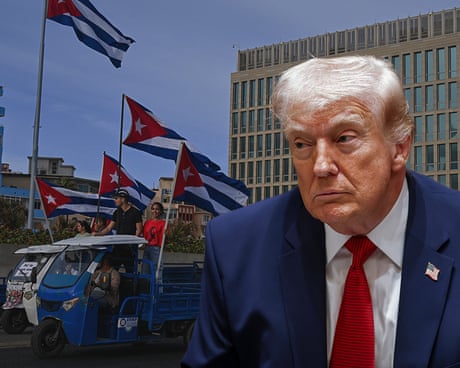
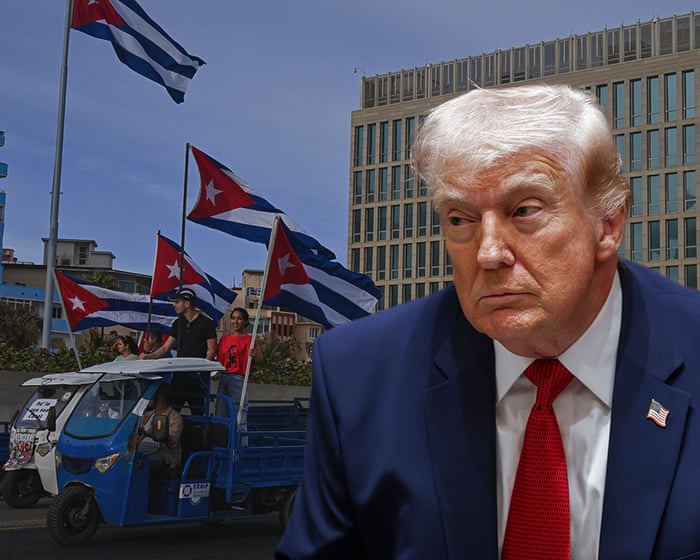
The US president seems to have turned his attention to Cuba in recent weeks, saying that it was 'next'. Officials from both countries have reportedly been in negotiations since February however the content of the discussions remains unclear. The Guardian spoke with professor emeritus of international relations Dr Philip Brenner about what the US might really want with the Island
After the joint US-Israeli attack on Iran, Tehran has responded with retaliatory attacks across the Middle East. The Guardian's defence editor, Dan Sabbagh, explains what military capabilities Iran has and how long it might be able to sustain the war
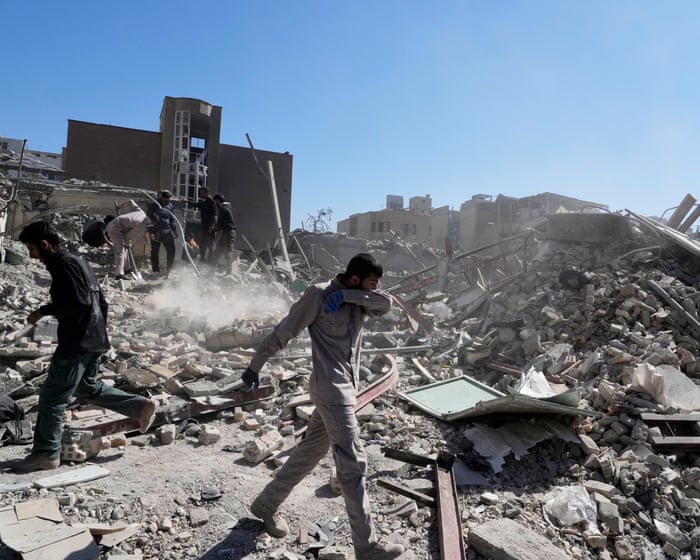
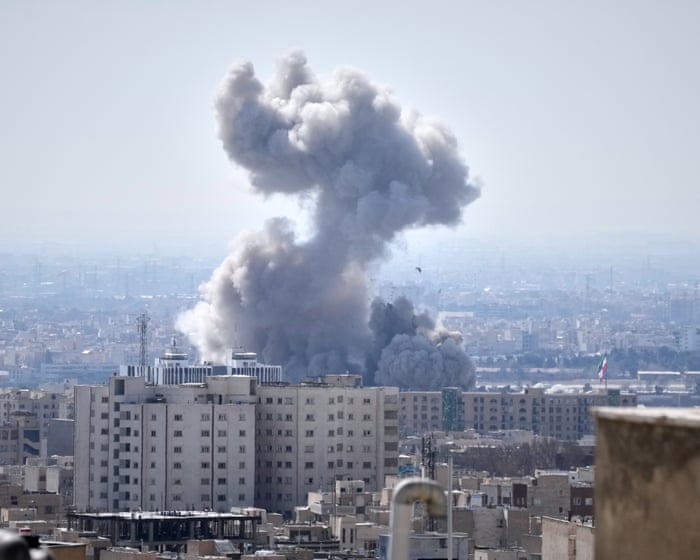
A US-Israeli war against Iran that began on Saturday with bombing and missile attacks that killed Iran’s supreme leader, Ali Khamenei, has exploded into a regional conflict, with Tehran retaliating by launching strikes across the Middle East.
On Tuesday, Israel’s military launched a ground invasion of Lebanon, where it has been carrying out intense strikes after Iran’s ally, Hezbollah, fired rockets across the frontier.
The US-Israeli war against Iran entered its second day on Sunday, as news of the assassination of the country’s supreme leader, Ali Khamenei, shook the Islamic Republic and the wider region.
Donald Trump announced Khamenei’s death while Israel claimed to have killed at least 40 senior Iranian commanders in the first day of attacks. Both countries continued to pound Iran, conducting hundreds of airstrikes across the country overnight and on Sunday.
Despite the apparent loss of a significant portion of its senior military and political leadership, Iran did not slow its retaliation on Sunday, bombing targets in the Gulf and unleashing waves of ballistic missiles towards Israel.
Warning: this video contains footage that may be distressing to some viewers.
In October 2025, 122 people were killed in what would become Rio’s deadliest police operation. ‘Operation Containment’ was designed to arrest members of one of Brazil's most powerful organised crime groups, the Red Command.
Three months after the police raid many questions still remain, but the Guardian's investigation found that at least one person killed was not a gang member. Police chiefs and conservative politicians have hailed it as a historic blow to organised crime but activists, security experts, the families of the dead, and even Brazil’s president, Luiz Inácio Lula da Silva, have called a disastrous and futile massacre.
A team of journalists across the Guardian has pieced together police body-camera footage, satellite imagery and pictures and video posted to social media to get the clearest picture to date of what happened that day.
A unit of Immigration and Customs Enforcement (ICE) agents will join a US delegation to the Winter Olympics in Italy, sparking confusion and uproar in the country.
Guardian reporter Jakub Krupa looks at what role the agency, which is embroiled in a violent US immigration crackdown, might have at the Milan-Cortina Games.
ICE said agents would 'vet and mitigate risks from transnational criminal organisations' but not run enforcement operations.
Milan’s mayor, Giuseppe Sala, said the the agents would be unwelcome in the city. 'This is a militia that kills,' he said
Warning: this video contains footage that may be distressing to some viewers
At about 9am on Saturday, US federal agents shot and killed Alex Pretti, a Minneapolis nurse who was observing immigration officers in the city. The Guardian’s video team has pieced together footage showing the attack from different angles
Israel military chief, Eyal Zamir, announced on Monday that the 'yellow line', drawn up by the October ceasefire plan, was a 'new border' for Israel. This line has become a lethal boundary, preventing Palestinians entering an area representing 58% of their territory. The Guardian's chief Middle East correspondent, Emma Graham-Harrison, describes life on the ground for those forced on an ever-smaller part of their land. Israeli officials claim forces are being 'deployed in Gaza in accordance with the ceasefire outline'

 Anmelden