Everything has become so frictionless and optimised that concerted efforts must be made to turn back towards beauty and individuality – even if it has no explicit market value
By the time it’s 5pm on a Friday, the headache and dry eyes have well and truly settled in. Maybe it’s a long day in front of your four screens while funnelling white noise through a large pair of headphones to cancel out the calls of your co-workers. Or maybe it’s the almost chemical wash of white fluorescent lights that shine from the low ceiling in your open-plan office, or the feeling of enclosure as you look out the window on to the reflective walls of other towers.
To lift your spirits, you decide to treat yourself to a weekend at a beachside Airbnb.
People have become servants to social media. The ultimate flex is to walk back to real life
Think of your online life as a garden. At first it’s just a few seeds here or there – a Facebook profile where you created entire albums from a night at the pub, or maybe a Tumblr or a Myspace page listing your favourite bands. It is fun – something just for you and your friends to enjoy.
Then the garden grows. You get an Instagram account and document moments from each day on Stories, use LinkedIn for networking and sharing career triumphs, and check your X/Twitter hyper-vigilantly in case you wrote something that just got you cancelled.
There are several answers, and none of them will be provided by tech. One thing we must do is identify the ingredients for human flourishing
To imagine the future as being almost entirely bleak has somehow crept into the collective this year.
Last week I was having coffee with an old friend. He was telling me about what his kids wanted to study when they went to university, when he suddenly broke off, stared into the middle distance and said, “I wish I never had children.”
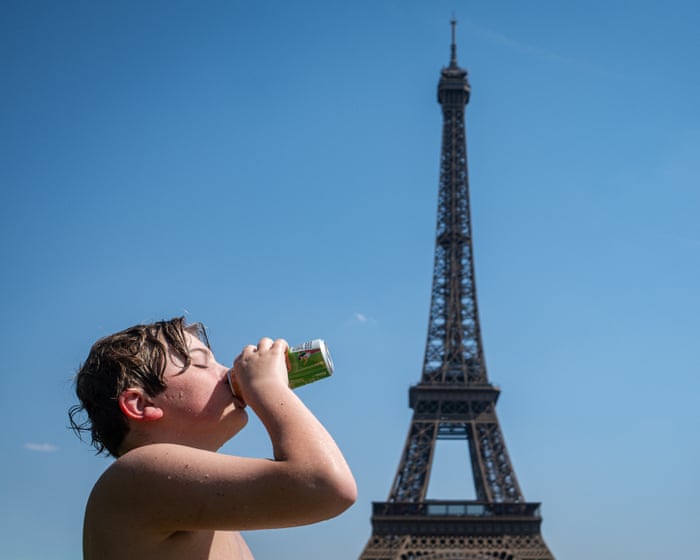
Who dreams of having a Euro summer now when staying in an ancient, uncooled building in the Old Town is like trying to sleep in a wood-fired pizza oven?
This week the Euro summer comes to an end – and so does a certain type of posting on Instagram.
Waiting at the bus stop in the grey winter dawn, a slanting rain soaking your trouser leg, you can warm yourself by scrolling your feed and seeing pictures of Australians enjoying a Euro summer. There it is again – azure Greek coves, plates of barbecued sardines, the yachts rented by the hour, and selfies on the balcony of some Paris Airbnb, drinking wine in the long, blue night.
There is something depressing about being scammed. Every unknown number, every marketplace purchase, every text with a link now arrives with suspicion
My day started with exciting news. It was a long and gushing email frompopular Australian breakfast radio show host Sally Sara saying she was following up on a previous conversation (huh? wot?) and would love to interview me about my 2009 book, This Restless Life, on her program.
“I remain genuinely enthusiastic about the opportunity to feature your work and to welcome you to an upcoming author conversation. I believe your insights and experience would make for a thoughtful and engaging discussion, and I would be delighted to work with you to create an enjoyable experience for both you and our audience,” she wrote.
Physical phone-blocking devices, powered by NFC wireless technology, are becoming a popular solution for doomscrolling. Brigid Delaney puts one to the test
Wake up, 100 messages from group chat overnight about something – what? another assassination attempt; a village destroyed in Lebanon; the football result in England; the weather in Iran being manipulated; the pesticides causing lung and bowel cancer, so everyone who eats salads is now at risk of cancer; meditate for 20 minutes, then fire up x.com, a place I thought I’d never want to revisit, with its carnival barkers and supplement salesman, and have you seen the Lego thing calling Trump a paedo?, you gotta see the Lego thing, and this is before my first coffee, yet x.com is the coffee and the tea, whatever Elon has done to the For You algorithm is evil genius, it’s like the global collective id, nasty and funny and addictive and compelling – like gawking at a car crash, like soaking in a hot bubble bath of anger, and memes, and geopolitical dramas, and Trump, Trump, Trump – soaking in Trump, and then, For Me (just as Elon promised).
So begins the circuit around my phone, that goes all day and night, around the tiny screen with its icons (when a born-again Christian once told me he had favourite icons, for a long time I thought he meant apps, not pictures of the Virgin Mary). I started to feel like I was in Canberra, on one of those enormous roundabouts, rotating between the icons – not Joseph, not Jesus, but X and WhatsApp and TikTok and even LinkedIn for Christ sakes – round and round from one app to the next, just checking, checking in case something is happening. I watched tiny videos and maybe, occasionally, got distracted by the novel I am meant to be writing, which is due on 31 July. But the novel is boring, just a static Word doc on a screen, it’s not giving; it’s taking hard work. So I spend six minutes with my novel, and then it’s time to go back to my phone, to circle the roundabout visiting all my icons again, like a demented Stations of the Cross, because I can’t focus, I just can’t focus on work right now when there is so much good scrolling to do …
The hatred the duchess inspires reveals hidden aspects of British character and tells us something about public anxieties
Whatever unhinged parasocial relationship the adoring public had with Diana, Princess of Wales, their relationship with the Duchess of Sussex is its shadowy reflection.
For decades, Diana was the subject of public adoration that was locked in a permanent hysterical register. Clive James, for example, captured the hyperbole when he described himself as a “besotted walk-on mesmerized by the trajectory of a burning angel” and Diana as like “the sun coming up; coming up giggling”.
The Maseratis are borrowed, the helicopters rented by the hour. But deep down Dubai is a lonely place, built by oppressed people
For people living in close proximity to a war zone, the lack of sympathy for Australian and British expats and influencers in Dubai has been, on the face of it, curious.
Since their adopted home was bombed in the initial days of the war, they have faced mostly ridicule and contempt in their home countries.
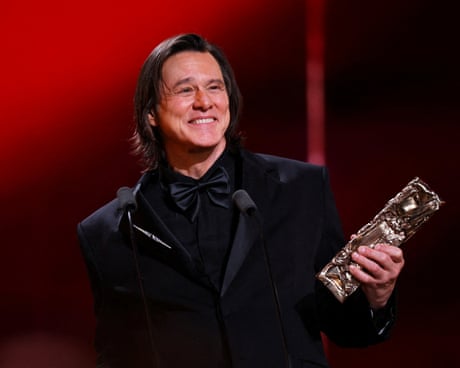
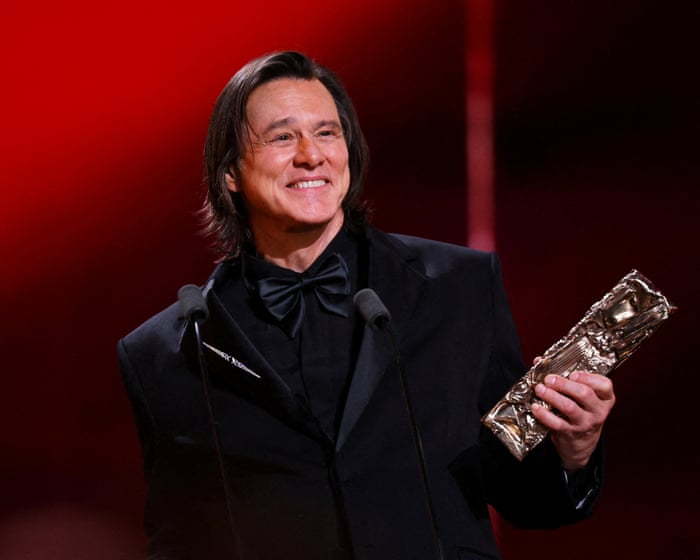
When movie stars are no longer people we aspire to look like, does it spell the end of Hollywood’s cultural power?
Once upon a time in Hollywood, if you were an actor preparing to walk the red carpet at the Academy Awards, you might have been fasting to fit into your outfit. You definitely had access to the best hair and makeup artists, and designers and jewellers lent you thousands of dollars worth of incredible products. Maybe you even had a subtle bit of plastic surgery. You looked great!
For a long time Hollywood operated a fairly coherent beauty ideal that, however unattainable, was at least legible.
This age is already marked by a departure from the rational. Systemic failures to protect innocents and hold people accountable are adding even more fuel to the fire
Not so long ago, if you said there was a shadowy cabal of elites who were involved in the sex trafficking of young women and girls and that some of the most famous people in the world were allegedly involved, then you would have been dismissed as a conspiracy theorist.
On a certain level, it feels psychologically safe to “other” people who have conspiracy theories – Jon Ronson even wrote a book called Them about extremists and conspiracy theorists.

 Anmelden