❌

Lese-Ansicht

Climate crisis is coming to crush many of world’s best surf breaks, study warns

Changing tide levels, shifting sands and hardened shorelines put waves at risk, affecting more than just surfers

The climate crisis is coming for some of the world’s greatest surf breaks, submerging some as sea level rises and wiping out others as classic breaks get crushed against coastal developments.

Analysis of dozens of famous waves in world surfing reserves (WSR) found more than three-quarters were at high risk because of changing tide levels, hardened shorelines and shifting sands.

Continue reading...

© Photograph: Angelo Picardo

© Photograph: Angelo Picardo

© Photograph: Angelo Picardo

  •  

Huge El Niño projected to cause more than 450,000 deaths by February

New report predicts a heavy toll from Nigeria to the US – and comes on top of existing impacts of the climate crisis

More than 450,000 people are projected to die from the additional heat brought by the super El Niño by February, according to estimates by climate scientists.

The toll is on top of the early deaths resulting from temperatures already driven up by the climate crisis. It will strike across the globe, from Indonesia to India, and Nigeria to the US. Many further deaths are expected from the droughts, wildfires and flooding that El Niños bring.

Continue reading...

© Photograph: Sanchit Khanna/Hindustan Times/Getty Images

© Photograph: Sanchit Khanna/Hindustan Times/Getty Images

© Photograph: Sanchit Khanna/Hindustan Times/Getty Images

  •  

‘Jaw-dropping’ El Niño bursts through temperature record months before peak

‘Godzilla-level’ phenomenon is supercharging the climate crisis and will have a huge impact on communities across the world

The “jaw-dropping” El Niño currently heating up the planet has burst through the highest temperature ever recorded for the phenomenon, several months before its expected peak.

The latest data shows the temperature rise at the heart of El Niño in the Pacific Ocean has now reached 3.05C. That is higher than the 3.02C set in late November 2015, the previous high set in the 150 years of modern records. This temperature is measured against the average of 1991-2020.

Continue reading...

© Photograph: Mast Irham/EPA

© Photograph: Mast Irham/EPA

© Photograph: Mast Irham/EPA

  •  

‘Supersizing before our eyes’: UN warns of record El Niño approaching

Event is likely to be largest in at least 1,000 years and will pile extra heat into a world already in a climate crisis

The El Niño climate phenomenon is “supersizing before our eyes”, the UN has said. The event is near certain to shatter temperature records, according to the latest forecasts.

The El Niño is likely to be the largest in at least 1,000 years and will pile extra heat into an atmosphere where temperatures are already rising rapidly due to global heating. The combination means 2027 is set to “blow apart” the record and be the hottest year ever recorded.

Continue reading...

© Photograph: Bagus Kurniawan/NurPhoto/Shutterstock

© Photograph: Bagus Kurniawan/NurPhoto/Shutterstock

© Photograph: Bagus Kurniawan/NurPhoto/Shutterstock

  •  

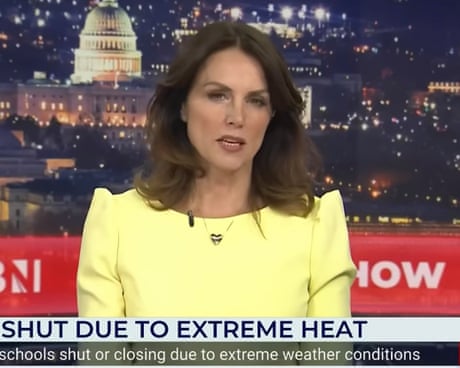
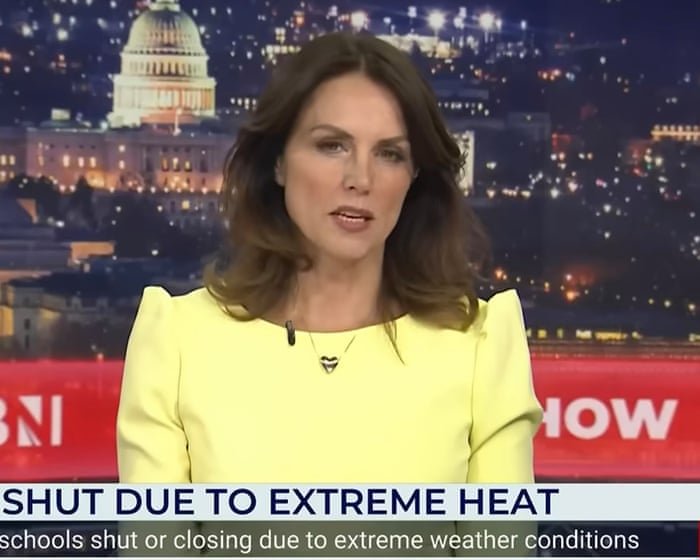
From ‘psyops’ to ‘hysterical hysteria’: how GB News and Talk TV lost their cool in the heatwaves

Thousands of heat-related deaths in record-breaking temperatures appeared to only intensify hosts’ climate denials

As the first heatwave of the record-breaking summer arrived on 23 May, GB News host Cristo Foufas was not happy: “I am sick to death of the naysayers saying firstly that we’re all going to die and that we have to put out heat alerts, because, you know, just drink some water and drink a bit less rosé in the sunshine.”

“We used to call it Darwinism,” replied co-host Renée Hoenderkamp. She is a medical doctor.

Continue reading...

© Photograph: GBN

© Photograph: GBN

© Photograph: GBN

  •  

‘Breakthrough’ as Turkmenistan starts fixing ‘mindboggling’ methane mega-leaks

Secretive state begins repairs on ageing facilities after being revealed as worst country for leaks of potent greenhouse gas

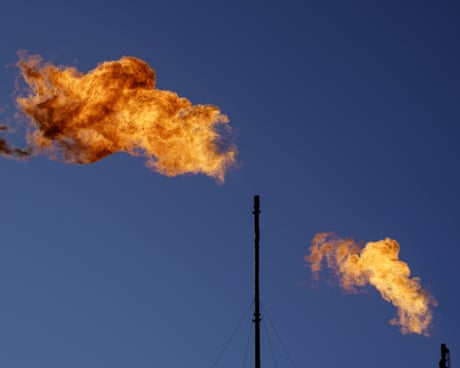
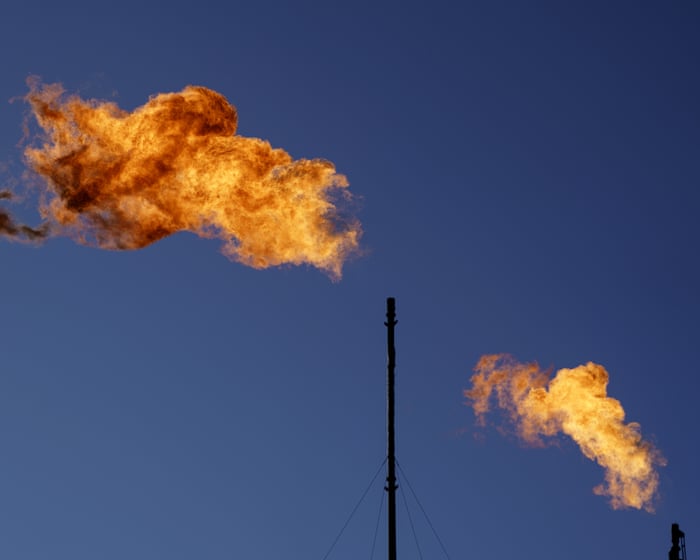
Turkmenistan has started plugging the mega-leaks of methane that spew from its ageing oil and gas facilities, the latest UN data shows, in a move hailed as a breakthrough.

Methane, also called natural or fossil gas, is a potent greenhouse gas. It traps 80 times more heat than carbon dioxide and causes 25% of global heating today. Stopping leaks can be quick and cheap and, because methane breaks down in the atmosphere far quicker than CO2, this has a rapid impact, with some experts calling it the climate “emergency brake”.

Continue reading...

© Photograph: David Goldman/AP

© Photograph: David Goldman/AP

© Photograph: David Goldman/AP

  •  

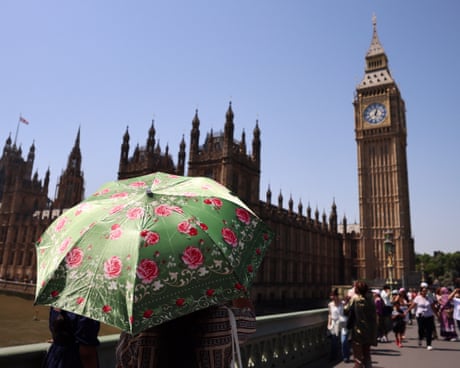
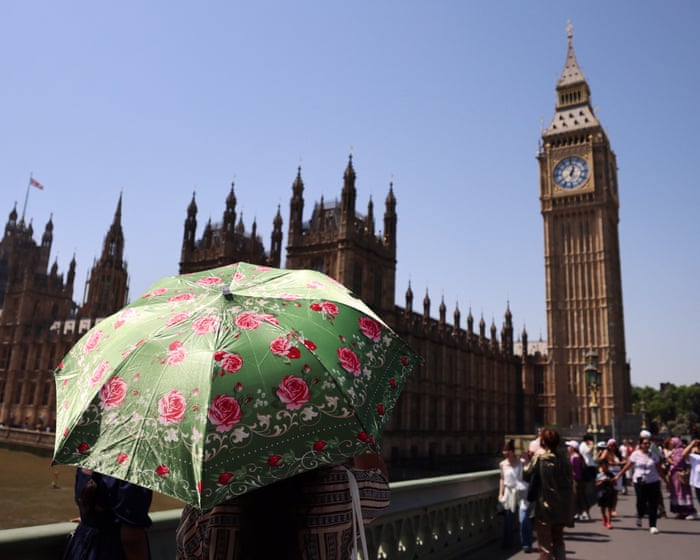
Extreme heat linked to deaths of over 40,000 people in England between 1988 and 2025

ONS data shows rising toll of climate crisis, with officials warning this summer on track to set further records

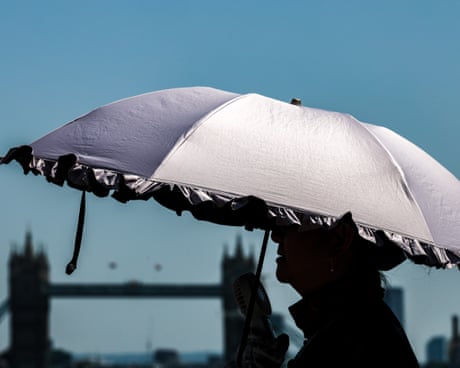
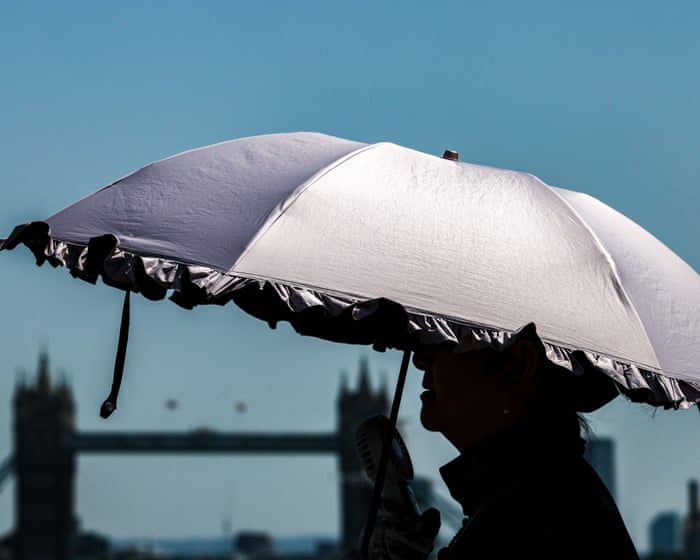
Over 40,000 more people died on the hottest days in England between 1988 and 2025 than would be expected, according to data published by the Office for National Statistics on Wednesday.

The figures do not include this summer, when England has sweltered under a succession of heatwaves and is on track to record its highest ever number of heat-related deaths. The UK Health Security Agency announced on 30 July that an estimated 2,877 people had died in the May and June heatwaves alone. The total is almost double the figure for the whole summer in 2025.
Continue reading...

© Photograph: SOPA Images/LightRocket/Getty Images

© Photograph: SOPA Images/LightRocket/Getty Images

© Photograph: SOPA Images/LightRocket/Getty Images

  •  

Climate damage would obliterate any economic benefits of new North Sea fields, analysis shows

Exclusive: Economic harm of CO2 pollution from Rosebank and Jackdaw forecast to far outweigh any boost to UK

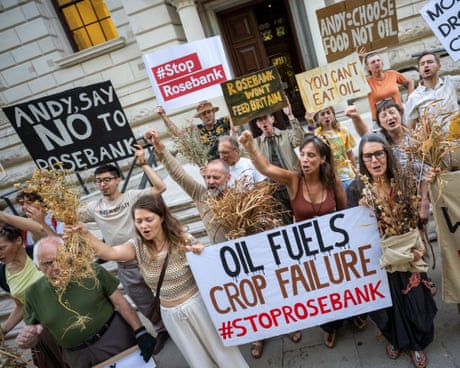
The climate damage caused by developing the Rosebank and Jackdaw oil and gas fields under consideration by the UK government would destroy their economic benefits many times over, according to an analysis.

It estimates the economic damage caused by the carbon pollution from the oil and gas produced would be between £119bn and £336bn in the coming decades, compared with the £28.7bn in value to the UK estimated by Adura, the fossil fuel company promoting the new fields.

Continue reading...

© Photograph: James Willoughby/SOPA Images/Shutterstock

© Photograph: James Willoughby/SOPA Images/Shutterstock

© Photograph: James Willoughby/SOPA Images/Shutterstock

  •  

World’s oceans hit hottest temperature on record in August

Average sea surface temperature outside polar regions was 21.1C on Saturday, latest data finds

The world’s oceans were hotter than ever previously recorded on Saturday, according to the latest data.

The average surface temperature was 21.1C, with the rising marine heat a stark indicator of the climate crisis. More than 90% of the heat trapped by carbon dioxide from fossil fuel burning enters the oceans.

The Guardian’s climate forum 2026
On Tuesday 20 October, join Damian Carrington, and our panel of experts – including Professor Andy Haines, Katie White MP, Asad Rehman, Shruti Suresh Gareth Thomas and Amy Fairman for a hopeful and solutions-focused evening. Book tickets here or at guardian.live

Continue reading...

© Photograph: Denys Bilytskyi/Alamy

© Photograph: Denys Bilytskyi/Alamy

© Photograph: Denys Bilytskyi/Alamy

  •  

Europe is the world’s fastest warming continent. What is to blame?

The climate crisis is hitting Europe hard in 2026, warming twice as fast as any other continent – and the consequences are deadly

The whole world is getting hotter as carbon pollution from fossil fuel burning traps ever more heat, but Europe is heating up twice as fast as other continents. The consequences are increasingly deadly, with tens of thousands of heatwave deaths so far this summer.

The Guardian’s climate forum 2026: On Tuesday 20 October, join Damian Carrington and our panel of experts, including Professor Andy Haines, Katie White MP, Asad Rehman, Shruti Suresh Gareth Thomas and Amy Fairman, for a hopeful and solutions-focused evening. Book tickets here or at guardian.live

Continue reading...

© Photograph: Anadolu/Getty Images

© Photograph: Anadolu/Getty Images

© Photograph: Anadolu/Getty Images

  •  

‘Extremely scary findings’ show climate crisis is supercharging Europe’s wildfire weather

Latest study says global heating has made hot, dry and windy conditions in Spain at least 20 times more likely

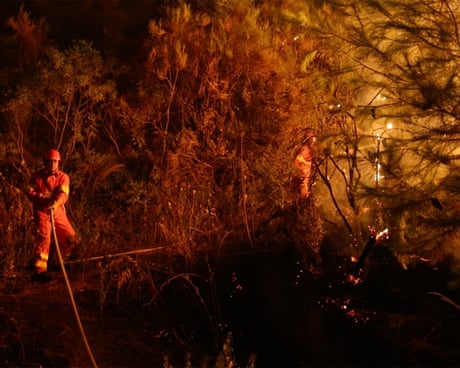
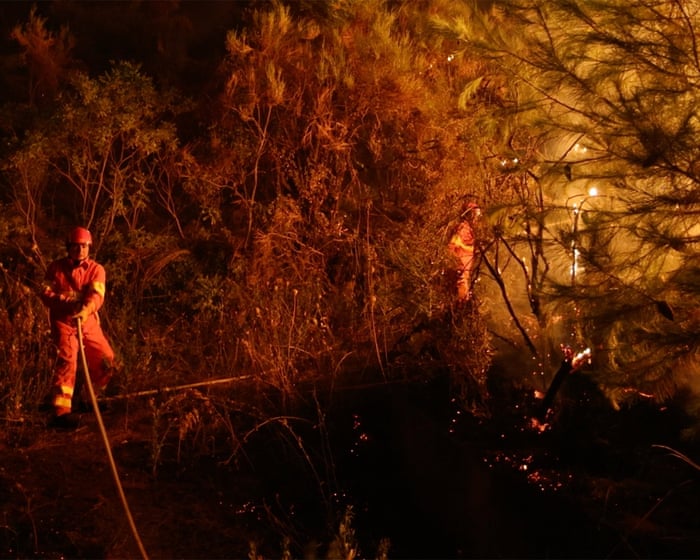
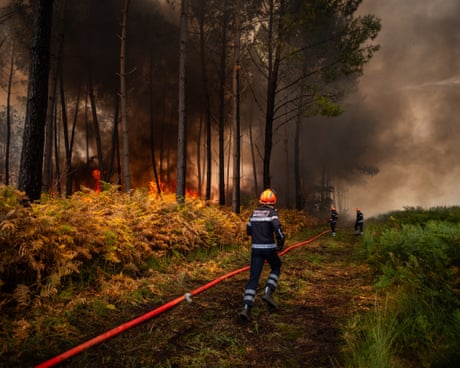
The extreme heat and drought stoking huge wildfires in Spain and France were made far more likely by the climate crisis, a scientific analysis has found.

Global heating made hot, dry and windy weather at least 20 times more likely in Spain and twice as likely in France, experts from the World Weather Attribution (WWA) consortium calculated. The finding is the latest to pin the blame for the continent’s sweltering and deadly summer firmly on the heating caused by the burning of oil, gas and coal.

Continue reading...

© Photograph: Mael Dubiez/SDIS33/EPA

© Photograph: Mael Dubiez/SDIS33/EPA

© Photograph: Mael Dubiez/SDIS33/EPA

  •  

England on track for record heat-related deaths this summer, official data shows

UKHSA estimates 2,877 fatalities during heatwaves in May and June, almost twice that recorded in 2025 season

England is on track to record its highest ever number of heat-related deaths this summer after the UK Health Security Agency (UKHSA) announced that an estimated 2,877 people had died in the May and June heatwaves.

The record was set in 2022 with 2,985 deaths, and August, traditionally the hottest month, is yet to arrive. The health secretary, Yvette Cooper, said: “My thoughts are with all those who have lost loved ones as a result of the long and intense heatwaves.”

Continue reading...

© Photograph: Andy Hall/The Guardian

© Photograph: Andy Hall/The Guardian

© Photograph: Andy Hall/The Guardian

  •  

Climate crisis-driven heat ‘sucking soils dry’ as extreme drought hits Europe

Analysis shows how heatwaves are making atmosphere thirstier, damaging water supplies, food production and power generation

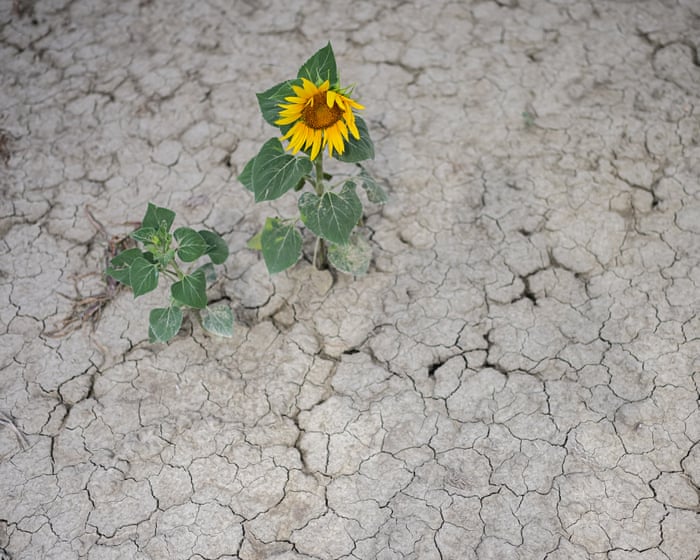
Extreme heat supercharged by the climate crisis is sucking Europe dry in summer and intensifying the drought hitting the continent, a scientific analysis has found.

Record-breaking heatwaves meant the hot atmosphere strongly evaporated water from rivers, lakes, soils and plants – conditions made 80 times more likely by global heating in western Europe and 40 times more likely in eastern Europe, the study showed. The level of soil dryness in the west was made five times more likely by the pollution from fossil fuels in the west, and 11 times more likely in the east.

Continue reading...

© Photograph: Anadolu/Getty Images

© Photograph: Anadolu/Getty Images

© Photograph: Anadolu/Getty Images

  •  

Millions face long-term coastal flooding risk in UK without climate action, scientists warn

A ‘reasonable worst-case scenario’ suggests need for large-scale movement of populations away from reshaped coast

Up to 13 million people in the UK face the long-term risk of coastal flooding due to the climate crisis, scientists have warned, with a “reasonable worst-case scenario” suggesting the need for the large-scale movement of populations away from a dramatically reshaped coast.

Even if today’s global pledges to cut carbon pollution are met, about 1.4 million more people will be exposed to coastal floods in 2200 and 1.7 million in 2300 due to the sea level rise driven by melting ice caps and warming oceans.

Continue reading...

© Photograph: Christopher Furlong/Getty Images

© Photograph: Christopher Furlong/Getty Images

© Photograph: Christopher Furlong/Getty Images

  •  

Species’ ingenious survival strategies no match for human destruction, red list reveals

Newly endangered animals include desert frogs and snails in extreme ocean depths, both threatened by mining

Life has colonised every corner of the planet by evolving ingenious survival strategies but these are increasingly being overwhelmed by destructive human activities, this year’s red list of endangered species has revealed.

Many snails, limpets and clams have adapted to life at crushing depths in the oceans on hydrothermal vents where water temperatures can reach 450C (842F). But an assessment for the red list found that two-thirds of the hundreds of mollusc species found only on deep sea vents were at risk of extinction because of deep-sea mining.

Continue reading...

© Photograph: Courtesy of Jeanne Tarrant

© Photograph: Courtesy of Jeanne Tarrant

© Photograph: Courtesy of Jeanne Tarrant

  •  

European heatwave is worst ever and impossible without climate crisis, scientists say

Study also finds high humidity means people in hundreds of cities are enduring their worst ever heat stress

The heatwave scorching western Europe is the most severe and widespread ever and is only possible due to the climate crisis driven by fossil fuel burning, scientists have said.

Almost half of Europe’s 850 largest cities are also enduring their worst ever heat stress, a combination of temperature and humidity, they found. Muggier conditions mean sweating is less effective at cooling the body, making heatwaves even more dangerous.

Continue reading...

© Photograph: Andy Rain/EPA

© Photograph: Andy Rain/EPA

© Photograph: Andy Rain/EPA

  •  

AI could help win ‘race against extinction’ of vital plants, say botanists

Tech is helping to identify and save new specimens and could open ‘genomic goldmine’ of fungi data

The rise of AI and digitisation could be a turning point in the “race against extinction” faced by botanists trying to identify and save vital plants before they vanish, according to a major report from Royal Botanic Gardens, Kew.

New technology is enabling scientists to track how flowering times have shifted by weeks around the world, rapidly identify new specimens and even get crucial genetic data from 180-year-old fungus specimens, potentially opening a “genomic goldmine”. Digitisation and online access to millions of specimens that were until now only accessible in archives is also producing new insights, especially in the global south.

Continue reading...

© Photograph: Jeff Eden/RBG Kew

© Photograph: Jeff Eden/RBG Kew

© Photograph: Jeff Eden/RBG Kew

  •  

Christian leaders alarmed by climate crisis raise questions over GB News owner’s £28m church donations

Exclusive: Sir Paul Marshall’s climate views and those broadcast on GB News said to be ‘in direct opposition’ to those of Church of England

The co-owner of GB News, a British TV channel accused of broadcasting climate change denial, has donated £28m to influential Church of England institutions that support climate action.

This raises “serious questions”, say Christian leaders, given that Sir Paul Marshall’s views on the climate crisis and those frequently broadcast on the TV channel are “in direct opposition” to the Church of England, which believes that “responding to the climate crisis is an essential part of our responsibility to safeguard God’s creation and achieve a just world”.

Continue reading...

© Photograph: CNBC/NBCU Photo Bank/NBCUniversal/Getty Images

© Photograph: CNBC/NBCU Photo Bank/NBCUniversal/Getty Images

© Photograph: CNBC/NBCU Photo Bank/NBCUniversal/Getty Images

  •  

Global heating is making hajj ever more dangerous, report finds

Rising heat in Saudi Arabia threatens millions of Muslim pilgrims – but cutting fossil fuels would keep it safer

Global heating has “fundamentally altered” the climate of Mecca and is exposing millions of hajj pilgrims to extreme and dangerous heat even in months outside summer, new analysis has found.

Carbon dioxide emissions from fossil fuels means scorching temperatures of 40C (104F) are now regularly experienced in May, the study showed. In past decades, such peaks would only have occurred in summer. The researchers said that hajj, the annual Islamic pilgrimage to Mecca, would take place amid dangerous heat almost all year round by the end of the century without a rapid transition away from fossil fuels.

Continue reading...

© Photograph: Anadolu/Getty Images

© Photograph: Anadolu/Getty Images

© Photograph: Anadolu/Getty Images

  •  

World almost certain to endure record hot year by 2030, UN warns

Global temperature record could be broken as soon as 2027, with El Niño expected later this year

A record-breaking hot year is almost certain by 2030 as the climate crisis intensifies, the UN’s World Meteorological Organization has warned.

With an El Niño event expected later this year, the global temperature record could fall as soon as 2027.

Continue reading...

© Photograph: Nhac Nguyen/AFP/Getty Images

© Photograph: Nhac Nguyen/AFP/Getty Images

© Photograph: Nhac Nguyen/AFP/Getty Images

  •  
❌