❌

Lese-Ansicht

Can AI really predict cancer survival better than a doctor? I have my doubts | Devi Sridhar

Take a selfie to see how healthy you are: the idea is enticing and this new research is promising. But so many factors have been ignored

The idea that a single selfie could predict how long someone with cancer may live sounds like an incredible breakthrough. AI is getting better at spotting patterns in medical data, but can it be used to reliably predict what will happen to an individual patient? I asked a clinical colleague what she thought about the recent headlines. She found it an interesting development given that doctors have long used facial appearance to assess patient health. For example, she noted that they may write “appears stated age” or “appears older than stated age” as a proxy for general health.

Now, researchers from Mass General Brigham, a healthcare institution in Massachusetts, have taken this idea a step further. They have developed an AI model trained on more than 40 million facial images – called FAHR-Face – to assess biological age and predict survival in cancer patients. For biological age, they developed FAHR-FaceAge, which estimates age from certain facial features such as the forehead, the wrinkles between the nose and mouth and the temples. For cancer survival, they developed FAHR-FaceSurvival, trained using almost 35,000 photos of cancer patients. This model focused more closely on the area below the eyes and the bridge of the nose – regions of the face “linked with dying”. Dr Raymond Mak, one of the study’s authors, noted that these parts of the face are the same as those referenced by Hippocrates in 400BC as signs of muscle wasting and mortality risk: “the nose sharp, the eyes sunken, the temples fallen in”.

Prof Devi Sridhar is chair of global public health at the University of Edinburgh

Continue reading...

© Photograph: Andrzej Rostek/Alamy

© Photograph: Andrzej Rostek/Alamy

© Photograph: Andrzej Rostek/Alamy

  •  

As a scientist, here's what worries me about the suspected Russian plague victim | Devi Sridhar

Russia’s silence over the death of a lab worker underlines that pandemic preparedness amounts to nothing if information on threats is withheld

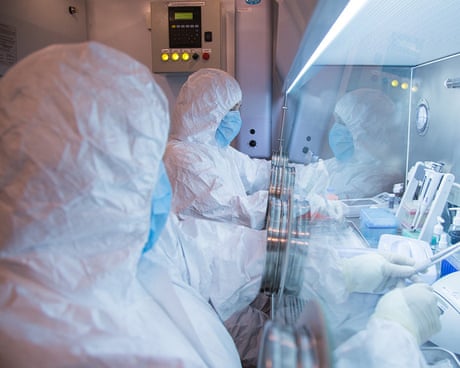
In pandemic preparedness work, scientists like to focus on the technical challenges: identifying pathogens, diagnosing infections, understanding their effects and developing vaccines and treatments. Each step promises progress through human innovation, investment and planning. The World Health Organization (WHO), for example, brings experts together to identify and prioritise emerging disease threats and collect the evidence needed to prepare for them. But preparedness depends on more than scientific innovation.

As the past week has shown, politics is the elephant in the room in all of this. No one could have predicted we would be talking about pneumonic plague, and that the death of a single lab worker in Russia would cause global headlines. It might feel like an overreaction: the WHO deals with thousands of potential disease signals worldwide every month. But the circumstances of this case are unusual given the lack of transparency from Russian authorities on what happened – and ongoing concern about biological weapons research.

Continue reading...

© Photograph: The Irkutsk Anti-Plague Research Institute of Siberia and Far East/AP

© Photograph: The Irkutsk Anti-Plague Research Institute of Siberia and Far East/AP

© Photograph: The Irkutsk Anti-Plague Research Institute of Siberia and Far East/AP

  •  

You have a higher chance of getting cancer at a younger age than your parents. So what went wrong? | Devi Sridhar

Some change in our lifestyles and environments over a generation has caused this increased risk. What, exactly, is a mystery

  • Prof Devi Sridhar is chair of global public health at the University of Edinburgh

In the field of global health, we often talk about each generation living longer and healthier lives than their parents. We’ve seen this in the gains in life expectancy, the sharp decrease in child mortality and in the near elimination of many vaccine-preventable diseases. But since the turn of the century this progress has stalled, and in some cases several health metrics have gone backwards.

Take cancer, which was long thought to be a disease linked to old age. While most cancers do indeed still occur in elderly people, a new report highlights that a number of cancers are increasing in people who are under 50, often referred to as “early onset cancer”. The report, undertaken by the World Cancer Research Fund, looked at data from 12 different cancer types in England, the US and the Netherlands over the past 20 years. What they found isn’t pretty.

Prof Devi Sridhar is chair of global public health at the University of Edinburgh

Continue reading...

© Photograph: JohnnyGreig/Getty Images

© Photograph: JohnnyGreig/Getty Images

© Photograph: JohnnyGreig/Getty Images

  •  

Britons are not ageing healthily – we need to learn from countries that have made it a priority | Devi Sridhar

Although we’re living longer, the data on healthy life expectancy in the UK isn’t good. Andy Burnham must reverse this trend to protect the NHS and social care

  • Prof Devi Sridhar is chair of global public health at the University of Edinburgh, and the author of How Not to Die (Too Soon)

The prime minister has put forward his bold proposal for a universal, NHS-style social care service. In doing so, Andy Burnham has put the spotlight back on one of the major challenges facing almost everywhere in the world: how to manage the demographic changes linked to an ageing society.

It’s an important discussion. But what if government didn’t just look at how to care for people in their later years and instead spent real political capital on policies to help people live longer independently, and in good health? The data isn’t pretty on this. While the trend over the past half-century in almost all countries has been for people to live longer, healthy life expectancy has been consistently falling.

Prof Devi Sridhar is chair of global public health at the University of Edinburgh, and the author of How Not to Die (Too Soon)

Continue reading...

© Photograph: Cultura RM/Alamy

© Photograph: Cultura RM/Alamy
© Photograph: Cultura RM/Alamy

  •  

We all know a lack of exercise is bad for our bodies. So what is relying on AI doing to our brains? | Devi Sridhar

I suspect nearly all of my students use AI, and I worry about its corrosive effects. We must not entrust tech companies with our long-term health

  • Prof Devi Sridhar is chair of global public health at the University of Edinburgh

When I was a postgraduate student at the University of Oxford in the early 2000s, I interviewed for a major consulting firm. All my friends were being recruited, and I thought why not give it a shot? Aside from the usual maths-proficiency test (how quickly can you crunch numbers in front of a client and look smart), I was asked about what the future of streaming could look like. I gave a long-winded answer about the unintended consequences of changing how humans interact with each other when a new technology is introduced, and why this may not be in the best interests of health and society.

I even remember saying something like: “Can you imagine just being stuck at home, alone, watching show after show and never having to move or see any other people? Why would anyone choose that over going out to rent a DVD at a local shop, or to a movie theatre?” You won’t be surprised to learn that I wasn’t invited for a follow-up interview.

Prof Devi Sridhar is chair of global public health at the University of Edinburgh

Continue reading...

© Photograph: Eugene Mymrin/Getty Images

© Photograph: Eugene Mymrin/Getty Images

© Photograph: Eugene Mymrin/Getty Images

  •  

As Ebola kills thousands in DRC, a perfect storm is making the virus hard to stop | Devi Sridhar

New species and regional instability are factors – but decisions made in the US and Britain are also costing lives

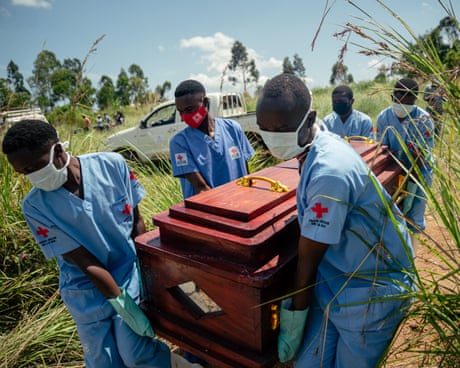
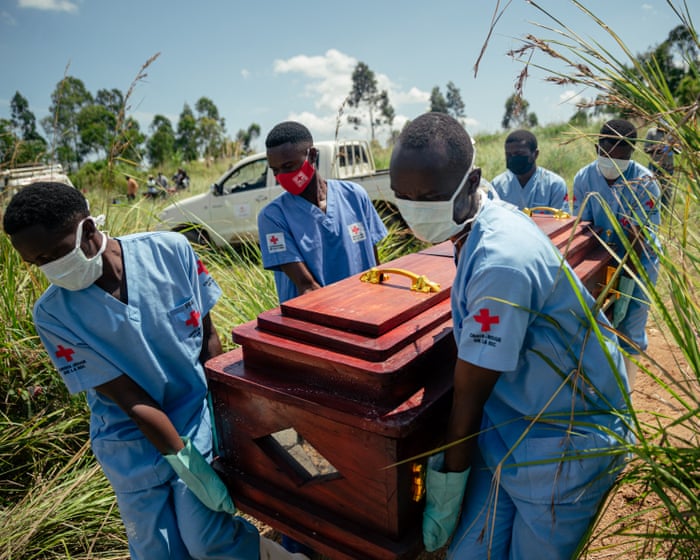
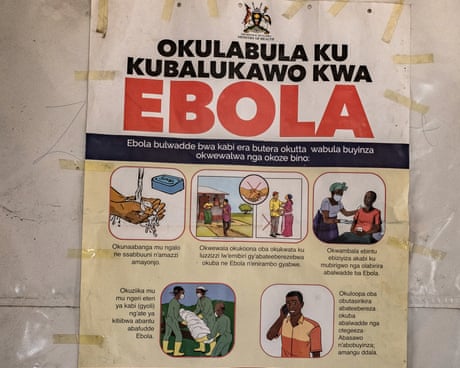
Did you know that there is a major Ebola outbreak in the Democratic Republic of the Congo, and it’s on track to be the deadliest ever? It is already the second-worst Ebola outbreak in history, with the fastest community transmission we have ever seen. It’s estimated that there have been at least 4,900 cases and more than 2,300 deaths, giving a mortality rate close to 50%. The situation is bad. That’s the consensus among global health experts.

Yet this Ebola outbreak isn’t attracting much media or public attention. If I compare it with working on the 2014 Ebola outbreak, the current silence is astounding. That year, Ebola was one of the most Googled terms in the world, covered regularly on broadcast news in many countries outside the region, attracting newspaper headlines and magazine covers. Perhaps everyone is just tired of disease after the pandemic – Covid-19 fatigue, as it’s called. Trust me, no one wants to hear about infectious diseases.

Prof Devi Sridhar is chair of global public health at the University of Edinburgh

Continue reading...

© Photograph: Jospin Mwisha/AFP/Getty Images

© Photograph: Jospin Mwisha/AFP/Getty Images

© Photograph: Jospin Mwisha/AFP/Getty Images

  •  

The US public is fed up with RFK Jr. To really ‘make America healthy again’, it should look to Europe | Devi Sridhar

Americans are dying younger than Europeans, despite being the wealthiest people on the planet. Wellness fads won’t change that

I’m just back from my home country, the United States. I always enjoy visiting, but every time I go between the US and my adopted home of Europe, I’m keenly aware of disparity in health: Americans live much shorter lives and spend more of their lifetime in poor health. This is despite Americans earning some of the highest salaries per capita in the world and spending twice as much as comparable countries on healthcare.

A recent study in the New England Journal of Medicine of 74,000 adults found that even the wealthiest Americans had higher mortality rates than the wealthiest Europeans – and that the richest Americans had mortality rates comparable to the poorest residents of northern and western Europe. Across every wealth category, Americans were more likely to die younger than Europeans, suggesting that even wealth doesn’t insulate from larger factors that impact life expectancy.

Prof Devi Sridhar is chair of global public health at the University of Edinburgh

Continue reading...

© Photograph: Rod Lamkey/AP

© Photograph: Rod Lamkey/AP

© Photograph: Rod Lamkey/AP

  •  

This is how seriously a patient’s skin colour can affect the quality of medical care they receive | Devi Sridhar

New reporting from the Guardian has shed further light on the ‘ethnicity pain gap’. This is what has to be done to close it

I always know someone is going to say something racist when they start a sentence with, “I’m not racist, but …” Nobody likes to think they would ever discriminate against someone based on the colour of their skin – and some people seem increasingly uncomfortable about acknowledging that such discrimination exists at all in the world. Yet we are now seeing a backlash from certain political groups against diversity initiatives, including from Kemi Badenoch who wants to do away with “DEI bureaucracy”, and Nigel Farage who promises to get rid of “woke” council roles such as those involved in increasing diversity, equity and inclusion.

Whatever your political views, no one wants debates to be lost in emotion rather than based on the evidence. So it is helpful to come back to facts about race and how it affects people’s lives. And as new Guardian reporting on racial inequalities in pain relief reveals, when it comes to healthcare, the evidence is overwhelming: race and ethnicity are associated with differences in the quality of care people receive and, ultimately, in their health outcomes. Regardless of whether anyone is being racist, it is clear that some people receive worse healthcare because of their racial or ethnic background.

Prof Devi Sridhar is chair of global public health at the University of Edinburgh

Do you have an opinion on the issues raised in this article? If you would like to submit a response of up to 300 words by email to be considered for publication in our letters section, please click here.

Continue reading...

© Photograph: Blend Images/Alamy

© Photograph: Blend Images/Alamy

© Photograph: Blend Images/Alamy

  •  

Fit with just five minutes’ exercise a day? I don’t believe it | Devi Sridhar

Everyone these days wants to optimise their workouts, but when a study seems too good to be true, it usually is

  • Prof Devi Sridhar is chair of global public health at the University of Edinburgh

We live in an increasingly polarised world – and I’m not talking about politics, I’m talking about exercise. There’s a fitness community obsessed with constant optimisation and hacks: how can you get from 50 press-ups to 100, from an eight-minute mile to seven minutes, or increase your deadlifts from body weight to double or triple body weight – ideally using just “one weird trick” or novel method no one has seen before.

It seems as if no one is happy with basic fitness or steady progress. Or people are overly concerned with what’s secretly holding them back, from sleep to “I had a couple of glasses of wine … it ruined three days of my life” (that’s Steven Bartlett’s podcast).

Prof Devi Sridhar is chair of global public health at the University of Edinburgh

Continue reading...

© Photograph: Mike Hewitt/Getty Images

© Photograph: Mike Hewitt/Getty Images

© Photograph: Mike Hewitt/Getty Images

  •  

Right now, we could be living through a hantavirus disaster. The world avoided that, and this is why | Devi Sridhar

As the isolation period comes to an end for those caught up in the outbreak on a cruise ship, let’s celebrate a good news story

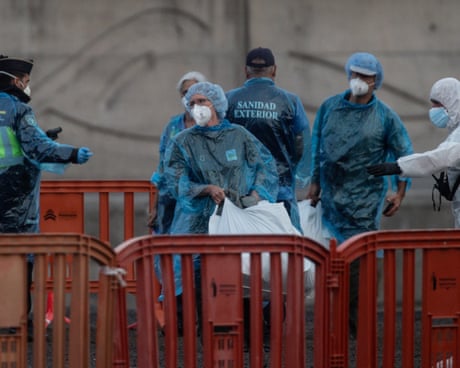
passengers from the MV Hondius cruise ship where the hantavirus outbreak first occurred finished their isolation periods this past Sunday. This is a public health success story worth celebrating, because so many worse results were possible. We heard so much about what went wrong during Covid and the various systems that failed, so it’s good to recognise when things go right – even if you won’t hear about it in the evening news.

There were 147 passengers and crew, and on 4 May seven cases of respiratory illness on board were identified as the Andes strain of hantavirus, which has been known to spread from human to human. This was already an extremely unlucky outcome – hantavirus is deadly, with death rates approaching 30% based on recent research, but most strains only spread from animals to humans.

Prof Devi Sridhar is chair of global public health at the University of Edinburgh

Continue reading...

© Photograph: Chris McGrath/Getty Images

© Photograph: Chris McGrath/Getty Images

© Photograph: Chris McGrath/Getty Images

  •  

Cancer is now a story of the good, the bad and the ugly – but also hope | Devi Sridhar

It’s natural to focus on breakthroughs, but there are many challenges in Britain and around the world. There is no magic bullet, but there’s room for optimism

Cancer causes nearly one in six deaths worldwide every year, some 10 million all told. That is a stunning number, but it also masks the reality that some cancers are more deadly than others. We have become remarkably good at detecting and treating melanoma and prostate cancer, for example, and today five-year survival rates for those cancers are well over 90% in most rich countries. Others, such as pancreatic cancer, are more difficult. In the UK, just over one in 20 people with pancreatic cancer are still alive five years after diagnosis.

That is why a new drug for pancreatic cancer, called daraxonrasib and announced at the American Society of Clinical Oncology’s (Asco) annual meeting in Chicago at the weekend, has been met with such jubilation. The drug – taken as a pill once a day – doubled the survival time of those enrolled in a 500-person trial, with fewer side effects compared to traditional chemotherapy. The drug works by shutting down a protein, Kras, that causes cancer cells to grow and divide. One longtime cancer researcher reported that she cried reading the results. With so few effective treatments for this cancer available, the drug is likely to be a real game-changer.

Continue reading...

© Illustration: Guardian Design

© Illustration: Guardian Design

© Illustration: Guardian Design

  •  

Ebola in the DRC needs the world’s attention now – if your neighbour’s house is on fire, you don’t wait and watch | Devi Sridhar

A rare strain, conflict and aid cuts make this outbreak more dangerous than ever. In the interconnected world we live in, the west can’t afford to turn away

  • Prof Devi Sridhar is chair of global public health at the University of Edinburgh

At the weekend the World Health Organization (WHO) declared an outbreak of Ebola in the Democratic Republic of the Congo (DRC) a “public health emergency of international concern”. This designation is the highest alarm level the WHO has to notify its member states about a health crisis that is considered extraordinary, has multi-country risk and requires a coordinated international response. Usually, the director general, Dr Tedros Adhanom Ghebreyesus, would convene a meeting of international health experts to discuss whether an outbreak meets the legal criteria, but for the first time in the agency’s history, he went ahead and declared it after consulting the governments of the DRC and Uganda, and analysing the data presented.

So what is happening now and why are health experts so concerned? We recently learned that there are several hundred suspected cases and 131 suspected deaths from Ebola in the eastern part of the DRC and possibly neighbouring Uganda. Ebola is one of the world’s most deadly infectious diseases, with symptoms progressing from fever and vomiting to internal bleeding and organ failure.

Prof Devi Sridhar is chair of global public health at the University of Edinburgh, and the author of How Not to Die (Too Soon)

Do you have an opinion on the issues raised in this article? If you would like to submit a response of up to 300 words by email to be considered for publication in our letters section, please click here.

Continue reading...

© Photograph: Badru Katumba/AFP/Getty Images

© Photograph: Badru Katumba/AFP/Getty Images

© Photograph: Badru Katumba/AFP/Getty Images

  •  

The hantavirus outbreak has been well-handled – but there are still dangerous days ahead | Devi Sridhar

All the protocols that health experts like me look for have been followed. But outbreaks on cruise ships are notoriously hard to control

  • Prof Devi Sridhar is chair of global public health at the University of Edinburgh

Hantavirus: the disease you wish you’d never heard of, as visions of the Covid pandemic flash through your head. I’ve seen lots of breathless coverage and some bizarre takes on social media, so I imagine many people are confused as to what’s going on.

Let me start by saying that this isn’t the Covid pandemic – only Covid was Covid. Previous hantavirus outbreaks have been contained (although none were on a cruise ship). So, for now, the risk to the general public is low – colleagues and I are still carrying on as normal and watching to see whether new infections arise outside the original cruise ship group. Those new infections would be the key step-change determining whether we see further spread and higher-risk public health alerts – or whether we’re at the end of this outbreak.

Prof Devi Sridhar is chair of global public health at the University of Edinburgh, and the author of How Not to Die (Too Soon)

Continue reading...

© Photograph: Jorge Guerrero/AFP/Getty Images

© Photograph: Jorge Guerrero/AFP/Getty Images

© Photograph: Jorge Guerrero/AFP/Getty Images

  •  

A game-changer for good health? Scientists believe ‘we are when we eat’ | Devi Sridhar

Decades of advice on what to eat and what not to might have been missing one key ingredient, according to new research

Reduce your calories. Eat more vegetables. Limit soft drinks and junk foods. For years, even decades, this has been the advice for those wanting a healthy body weight, lower blood pressure and better markers of metabolic health. Most weight-loss advice has focused on either what to eat (and what to avoid), or how much to eat. Think of dietary pyramids produced by government agencies, calories on food packaging and meals, and typical nutritional advice.

It’s all true, to a certain extent: it’s obviously better to eat a healthier, nutritionally balanced diet, and yes, lower body weight is broadly linked to reducing calories. But this type of approach can be hard to sustain. Even as a personal trainer who knows what I “should” be eating according to government dietary advice and has heard too much about calorie deficits, I take a slightly different approach to food. I think we need to bring nuance and a balanced approach to food and what we eat.

Prof Devi Sridhar is chair of global public health at the University of Edinburgh, and the author of How Not to Die (Too Soon)

Continue reading...

© Photograph: Guerilla/Alamy

© Photograph: Guerilla/Alamy

© Photograph: Guerilla/Alamy

  •  

Even without social media, phones have a subtle, damaging effect on our mental health | Devi Sridhar

Digital communication in its most basic forms can push us into an ‘always on’ state – and generate feelings of exclusion or rejection

When I first started teaching at Oxford in 2005, I would offer “office hours” a couple of times a week. They were literally that – time for students to come by my office and chat about anything on their mind. Emails were formal and for rare occasions, with the expectation that most issues would be discussed in person. Fast forward to 2026, and office hours have been replaced at many universities by constant email and Teams communication. These are incessant, with responses often expected within hours, if not minutes, blurring the line between evenings, weekends and normal working hours.

I have to admit that every time a notification pops up on my phone or laptop, even before reading it, I can feel my stress levels rising. It’s made me reflect on how modern communication is pushing our minds to the limit. While most of the recent conversation on mental health and technology has focused on social media, we forget how even older forms of digital communication can push us into a stressful, “always on” way of being.

Prof Devi Sridhar is chair of global public health at the University of Edinburgh, and the author of How Not to Die (Too Soon)

Continue reading...

© Illustration: Getty Images

© Illustration: Getty Images

© Illustration: Getty Images

  •  

I’ve seen some bizarre exercises online. If I were an influencer, this is the one workout I’d recommend | Devi Sridhar

Forget snake yoga. All it takes to increase your life expectancy is factoring a set of simple exercises into your weekly routine

Are you still keeping up with your 2026 resolution to exercise more? Or perhaps you’re just trying to survive the winter doldrums, with exercise the last thing on your mind. Whatever it is, social media is alight with fitness influencers showing off all kinds of bizarre and viral exercise trends.

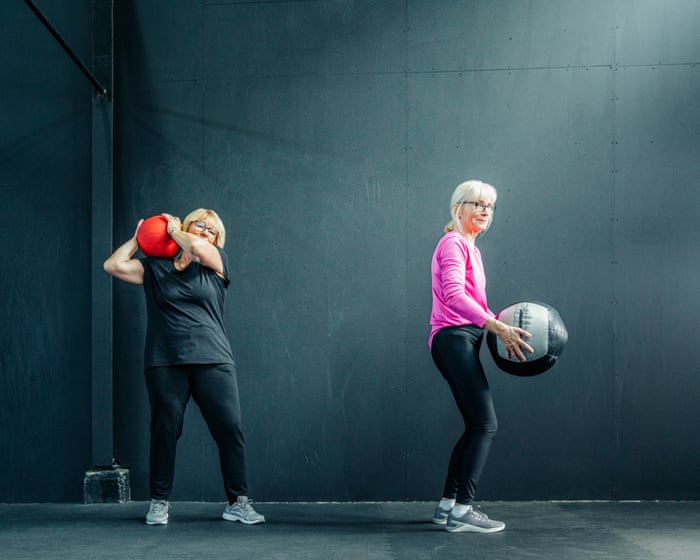
Take squats, a core exercise move. Those don’t seem good enough any more, so now we have Zercher squats (holding a barbell in your elbow crease like a metal baby), squats on vibration plates, squats while throwing a heavy ball and on and on. Some of these exercises may in fact be good, some useless, but because influencers can’t be seen to be doing the same thing every day, the key thing is that they’re novel and can be sold as “the little-known secret exercise that everyone should be doing”.

Prof Devi Sridhar is chair of global public health at the University of Edinburgh

Continue reading...

© Photograph: HRAUN/Getty Images

© Photograph: HRAUN/Getty Images

© Photograph: HRAUN/Getty Images

  •  

The WHO learned to love ‘anti-obesity’ jabs in 2025. I don’t fully agree, but I get it | Devi Sridhar

While GLP-1 drugs promise an easy fix, our bodies still need what they have always needed: healthy food and regular exercise

  • Prof Devi Sridhar is chair of global public health at the University of Edinburgh

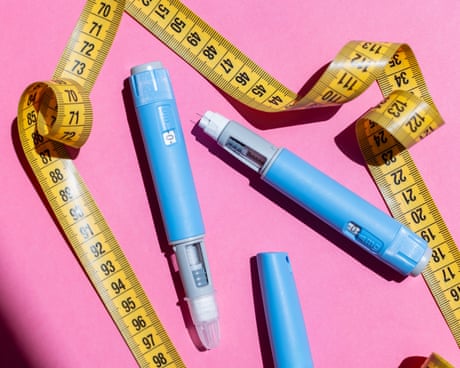
If there has been a hot topic in health in 2025, it’s definitely been GLP-1s, colloquially referred to as “anti-obesity” jabs. These medications, taken weekly as an injection into the abdomen, result in significant weight loss and, despite being developed to manage type 2 diabetes in those with metabolic disorders, have become mainstream in many countries as a treatment for obesity. Clinicians rave about the health outcomes in patients taking the medication, with study after study emerging on the health benefits of the associated weight loss in those who are obese. Celebrity endorsements, online sales and off-label use have seen them widely used by people of all ages and sizes who want to drop weight.

For the public health community, it’s an odd moment. For years, we’ve advocated for government action on obesity – not through new drugs, but by taking nutrition and food systems seriously. We’ve highlighted the need for government action on making nutritious food affordable, regulating ultra-processed foods, bringing in sugar taxes and banning advertising of unhealthy products to young people, alongside encouraging an increase in physical activity. The solutions are simple: get people to eat more nutritious food and move. The challenge has been implementation, especially in deprived areas.

Prof Devi Sridhar is chair of global public health at the University of Edinburgh

Fit Forever: Wellness for midlife and beyond
On Wednesday 28 January 2026, join Annie Kelly, Devi Sridhar, Joel Snape and Mariella Frostrup, as they discuss how to enjoy longer and healthier lives, with expert advice and practical tips. Book tickets here or at guardian.live

Continue reading...

© Photograph: Alones Creative/Getty Images

© Photograph: Alones Creative/Getty Images

© Photograph: Alones Creative/Getty Images

  •  

Vote for competent leaders, not entertainers – that’s what I wish the Covid report could say | Devi Sridhar

To prevent a future pandemic we’d need agile leadership, smart decision-making, humility and trustworthiness. How does one build those into a political system?

It feels as though a collective amnesia has set in around Covid-19. We all just want to move forward and pretend it didn’t happen. But, as the saying goes, those who don’t learn from history are doomed to repeat it.

On 20 April 2020 I tweeted, “At what point will the British public realise what has happened over the past 9 weeks?” On Thursday, the Covid inquiry published its module 2 report on the political response to the pandemic. The answer finally to my tweet, more than five years later.

Prof Devi Sridhar is chair of global public health at the University of Edinburgh

Fit Forever: Wellness for midlife and beyond
On Wednesday 28 January 2026, join Annie Kelly, Devi Sridhar, Joel Snape and Mariella Frostrup, as they discuss how to enjoy longer and healthier lives, with expert advice and practical tips.
Book tickets here or at guardian.live

Continue reading...

© Photograph: Matthew Chattle/Shutterstock

© Photograph: Matthew Chattle/Shutterstock

© Photograph: Matthew Chattle/Shutterstock

  •  
❌