❌

Lese-Ansicht

The Golden Hours by Louisa Young review – this continuation of the Cazalet Chronicles is a total delight

Elizabeth Jane Howard’s niece has picked up the thread of her much-loved family saga series, taking the story into the 1960s

Elizabeth Jane Howard’s beloved family saga the Cazalet Chronicles spans three decades in the life of the upper-middle-class Cazalet family. The first four books, written in the 1990s, run from a bucolic prewar 1937 to a bruising 1947, while the fifth, 2013’s All Change, skips ahead, sitting lonely in 1956. The books are exquisite doll’s houses of feeling and object: both period detail and eternal emotion are rendered precisely and vigorously in Howard’s lovely prose. “Panoramic, expansive, intriguing as social history and generous in their storytelling,” Hilary Mantel wrote in the Guardian. The enormous cast of characters – four late-Victorian siblings, their parents, their children and partners and ex-partners and servants and friends and lovers and enemies and cars and houses – sprawl deliciously over the years. The family fortunes rise and fall. Marriages fail; deaths occur; babies are born; people fall in love. Things change; things stay the same.

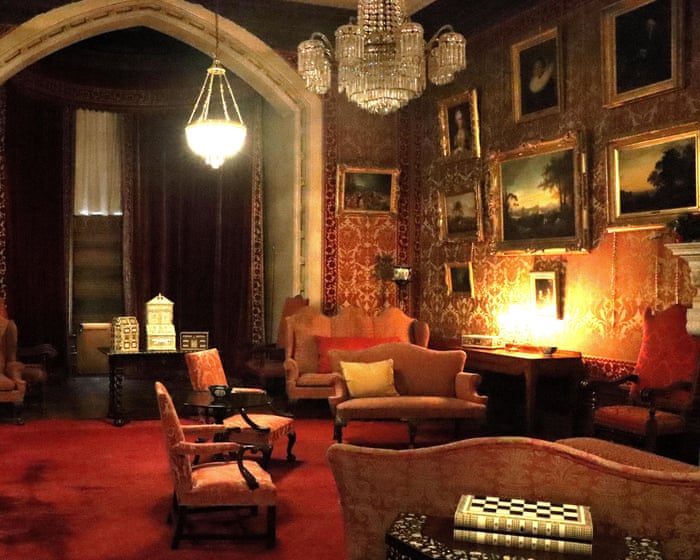
Written a decade after the death of the original author, The Golden Hours by Louisa Young adds a sixth to this quintet. As with all Cazalet novels, to describe the plot would be impossible: it is simply that many people, whom we have come to love over the course of the previous novels, live their lives, now in the early 1960s.

Continue reading...

© Photograph: Murdo Macleod/The Guardian
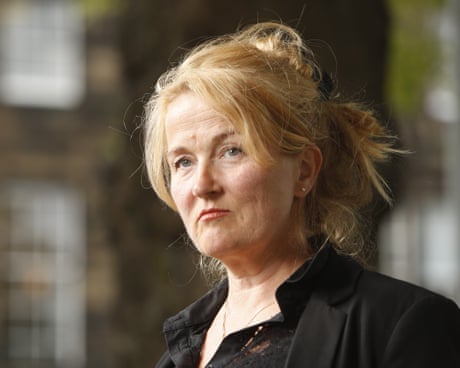
© Photograph: Murdo Macleod/The Guardian
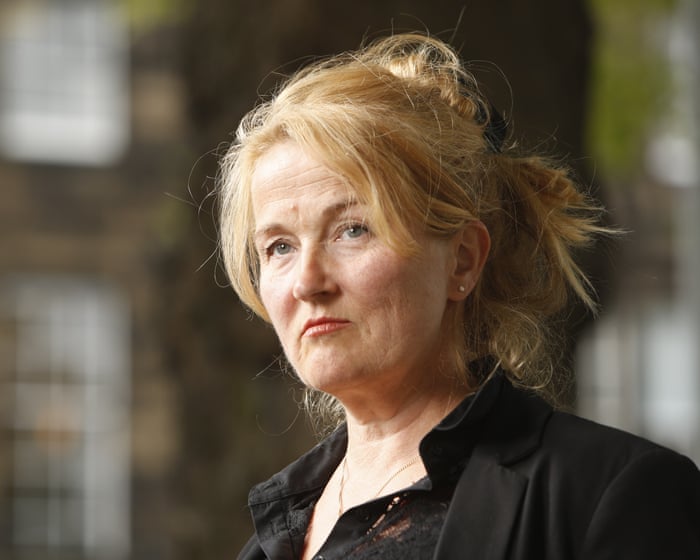
© Photograph: Murdo Macleod/The Guardian

  •  

It’s not just Homer: the new generation of poets enjoying epic success

Christopher Nolan’s film has made the Odyssey a bestselling book again, but a slew of new poets are breaking sales records, and have more in common with the ancient Greek than you might expect

The death of poetry – much anticipated, much prematurely mourned – has been put off again, this time by the Odyssey. Thanks to Christopher Nolan’s film, sales of Homer’s epic rose 1,400% in the weeks around release – and it’s not alone. Poetry collections are once again sailing up the charts: Lucas Jones, Donna Ashworth and Nikita Gill, among others, have all burst forth on to the bestseller lists.

The word bestseller, it must be said, conjures up certain images: a TV tie-in cookbook; a sexy thriller. It does not, generally speaking, imply poetry. Poetry is a genre more often relegated to the adolescent, the academic, or the words inside sentimental birthday cards: either over-emotional or elitist, depending on which poet and which perspective. What it certainly is not is a money-spinner: nobody gets into poetry to make the big bucks. Nobody gets into poetry – not these days, anyway, not since Byron’s day – for the fame or the fortune.

Continue reading...

© Photograph: David M Benett/Dave Benett/Getty Images for The Happy Vagina & Atelier Romy

© Photograph: David M Benett/Dave Benett/Getty Images for The Happy Vagina & Atelier Romy

© Photograph: David M Benett/Dave Benett/Getty Images for The Happy Vagina & Atelier Romy

  •  

Service by Lauren Mooney review – a very modern ghost story

The chills are genuinely spooky in this haunted-house tale about contemporary precarity – a debut that speaks to our times

There are, MR James tells us, five conditions that must be met for a perfect ghost story: the pretence of truth, a “pleasing terror”, no explanation of the machinery, no gratuitous horror, and that the story belong to the writer’s (and reader’s) “own day”. In Lauren Mooney’s sharply observed debut novel, Danielle lives a precarious existence as a PA at a dilettante arts charity called Hodgepodge (strapline: “for ideas”). She types emails, makes tea and increasingly finds herself running personal errands for her monstrous boss Jeannie. Jeannie seems to see no difference between working for the charity, and working for her.

After a horrible breakup, Danielle finds herself unexpectedly homeless. With no savings, no bank of Mum and Dad, and no room left in her overdraft, she winds up staying alone in Jeannie’s ancestral home, a rambling pile in the middle of nowhere. “We could do with somebody to take care of the place,” Jeannie says, as Danielle bursts into uncharacteristic tears. “You’d be doing us a huge favour.”

Continue reading...

© Photograph: Helen Murray

© Photograph: Helen Murray

© Photograph: Helen Murray

  •  

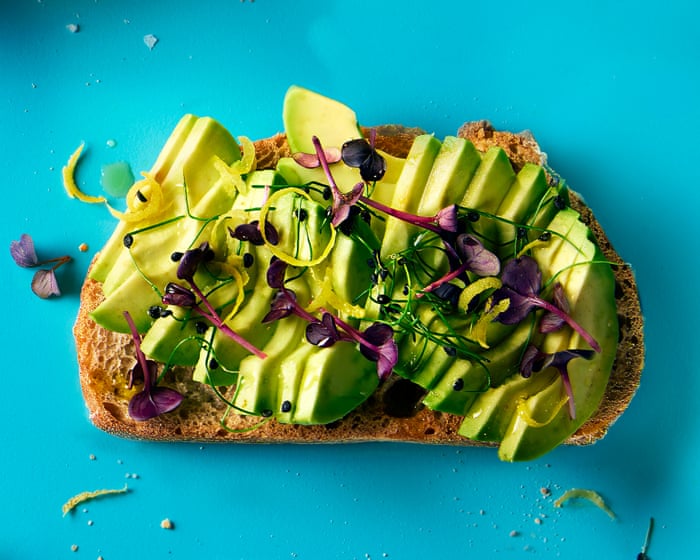
From jalapeño relish and peanut butter to sliced peach and granola: Ella Risbridger’s recipes for fancy toast

You can elevate a simple bit of toast to something sublime using this simple formula

Toast is a baseline meal for me. A daily friend. A daily best friend I’m always glad to see. And much like a best friend, it’s always fun to see her get gussied up a little once in a while. Think elegant; think dainty; think, as a general guideline: soft, sharp, frill.

Soft is self-explanatory. Even butter counts, if you keep it cool and thick. Avocado.

Continue reading...

© Photograph: Charlie Lee/The Guardian. Food styling: Amy Stevenson

© Photograph: Charlie Lee/The Guardian. Food styling: Amy Stevenson

© Photograph: Charlie Lee/The Guardian. Food styling: Amy Stevenson

  •  

The Infamous Gilberts by Angela Tomaski review – a delicious comfort read

A decaying gothic mansion tells the story of the family who once lived there, in this pitch-perfect debut of disappearances, betrayal and despair

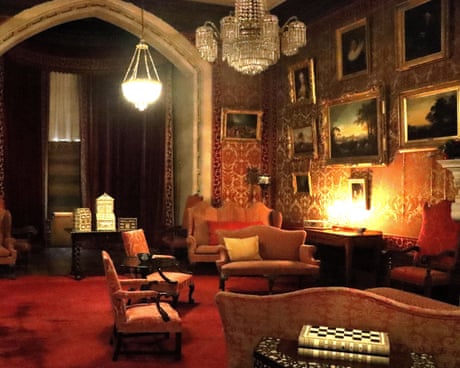
Angela Tomaski’s debut novel is a delicious comfort read about loyalty and despair, and a gentle questioning of the nature of progress. Crumbling stately home Thornwalk is on the verge of becoming a luxury hotel. The ancestral owners are all dead – with the exception of a pair of rapacious cousins, naturally – and the only person left to mourn is the loyal valet (and maybe more?) of the old master.

Maximus, last guardian of the house, guides the reader on a final tour through Thornwalk, and the lost lives, loves and brass buttons of the titular Gilberts: Lydia, the eldest girl, desperate to fall in love; Hugo, the stubborn eldest son; “poor little Annabel”, dreaming of writing; quiet runaway Jeremy; and unstable actor Rosalind. He takes us, room by room, trinket by trinket, stain by stain (blackcurrant to blood) through 100 years of family life before it is all lost for ever.

Continue reading...

© Photograph: Graham, David/Alamy

© Photograph: Graham, David/Alamy

© Photograph: Graham, David/Alamy

  •  

‘There’s only one bed’, ‘fake dating’ and ‘opposites attract’: how tropes took over romance

They’re all over blurbs and social media, but do these bite-size labels lead to formulaic fiction? Plus the classics reimagined for a modern reader

Opposites attract. He falls first. Coffee shop. Forced proximity. Sports romance. University sports romance. Ivy League university sports romance! Best friend’s brother. Brother’s best friend. Slow burn. Age gap. Amnesia. Wounded hero. Single father. Single mother. Language barrier. The bodyguard. Fake dating. Marriage of convenience.

If this list means nothing to you, you’re not a romance reader. Tropes, as these bullet-point ideas have come to be known, have taken over romance. Those who write, market and read romantic fiction use them to pinpoint exactly what to expect before the first page is turned. On Instagram, Amazon and bookshop posters you’ll find covers annotated with arrows and faux-handwritten labels reading “slow-burn” or “home-town boy/new girl in town”. Turn over any romance title and they’ll be there listed in the blurb.

Continue reading...

© Illustration: Inès Pagniez/The Guardian

© Illustration: Inès Pagniez/The Guardian

© Illustration: Inès Pagniez/The Guardian

  •  

Not just love, actually: why romance fiction is booming

From Emily Henry to Rebecca Yarros and Alison Espach’s The Wedding People – romance has dominated the book charts this year. So why is it still dismissed by critics?

People buy lipstick when the world is falling apart. This genuine economic theory, known as the “lipstick index”, was first noted by Leonard Lauder (son of the more famous Estée). When the world seems very bleak – in the weeks and months after the twin towers fell, for instance, or after the 2008 financial crash – and spending generally goes down, lipstick sales trend strongly upwards.

The psychological truth at the heart of this equation is real: when people have less than they need, they spend more on small, beautiful things. It’s easy, maybe, to dismiss this in the way most feminine-coded things are dismissed: frivolous, wasteful, foolish. But that would be a mistake. A single treasure, bright and gorgeous, is like a talisman; a candle in the night. It is possible, with your small candle, to make your way in the darkness. One delight, against all this. The world crumbles, and lipstick sales go up.

Continue reading...

© Composite: N/A

© Composite: N/A

© Composite: N/A

  •  
❌