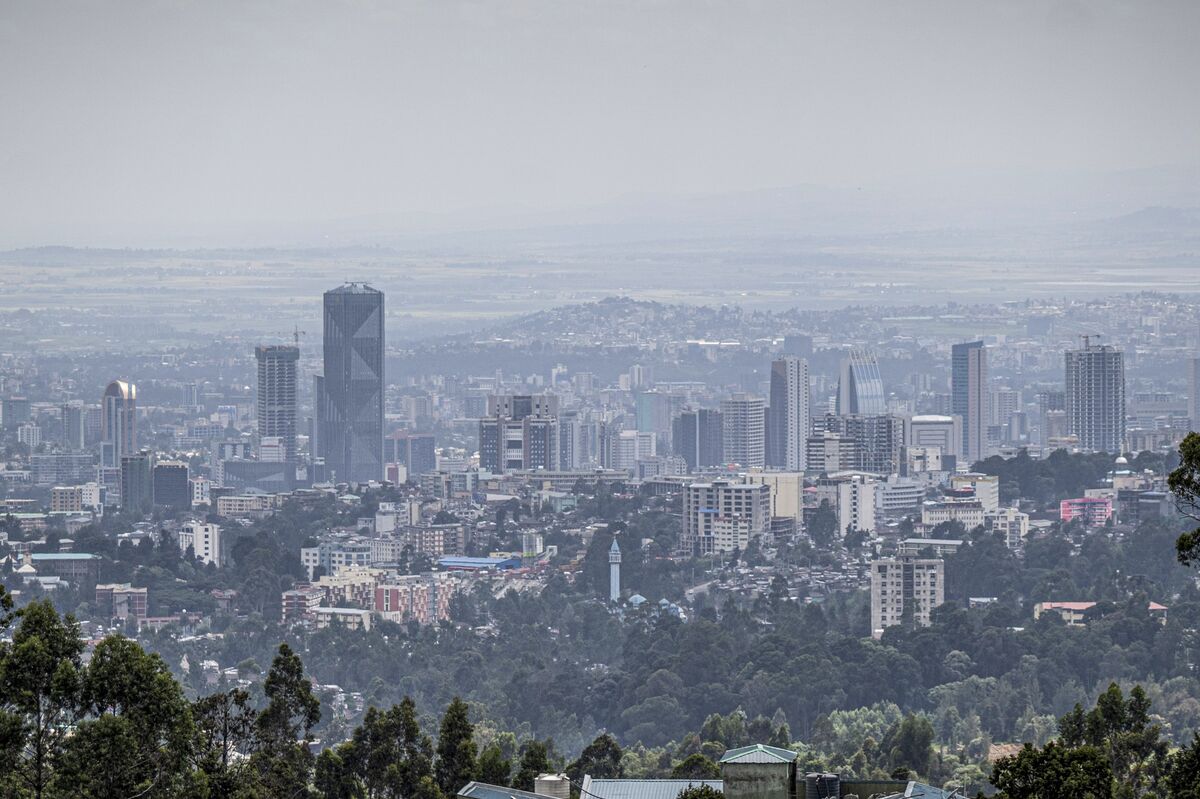
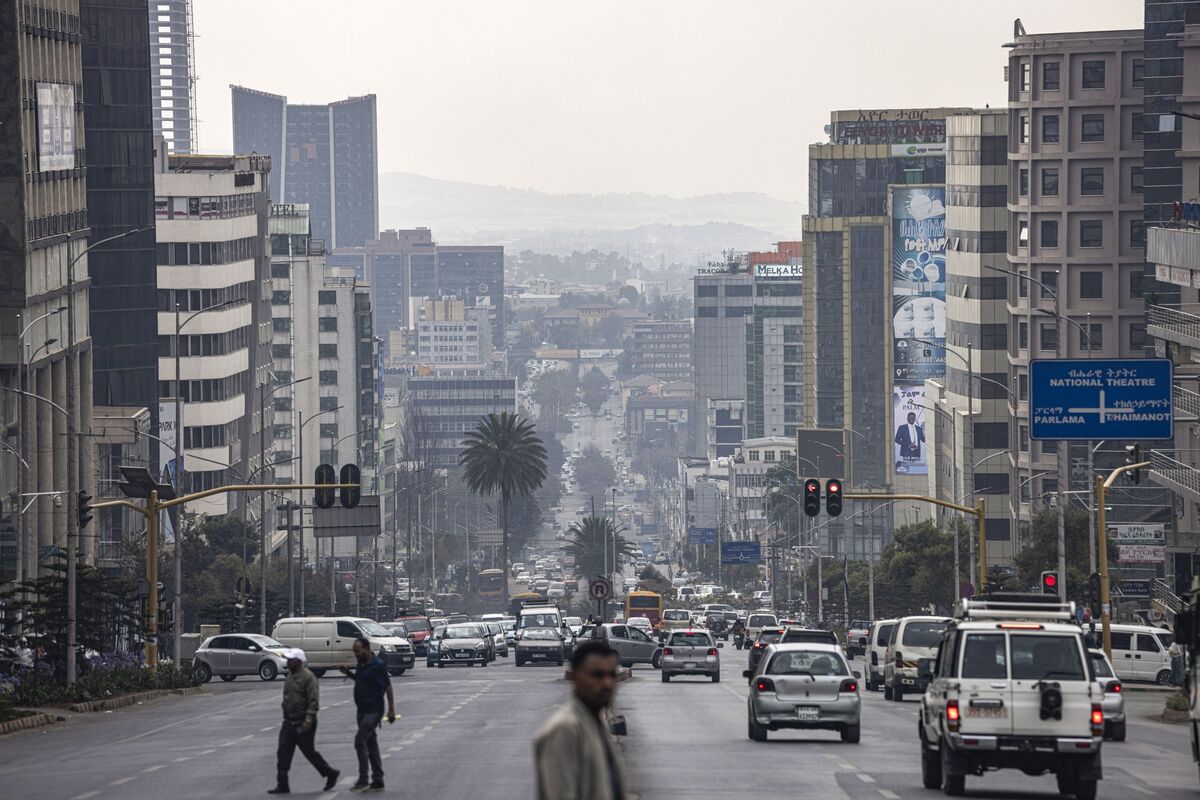
Ethiopia now ranks as Africa’s fifth-biggest economy, after the nation revised its national accounts to take into account emerging sectors such as the digital economy.
Ethiopia has received 12 Su-35 fighter jets and four S-400 air defense system batteries from Russia, Prime Minister Abiy Ahmed announced during a visit to Moscow.
The US issued a security alert for Ethiopia, warning citizens to “reconsider” travel to the Horn of Africa nation due to the threat of long-range attacks as tensions with neighboring Eritrea escalate.
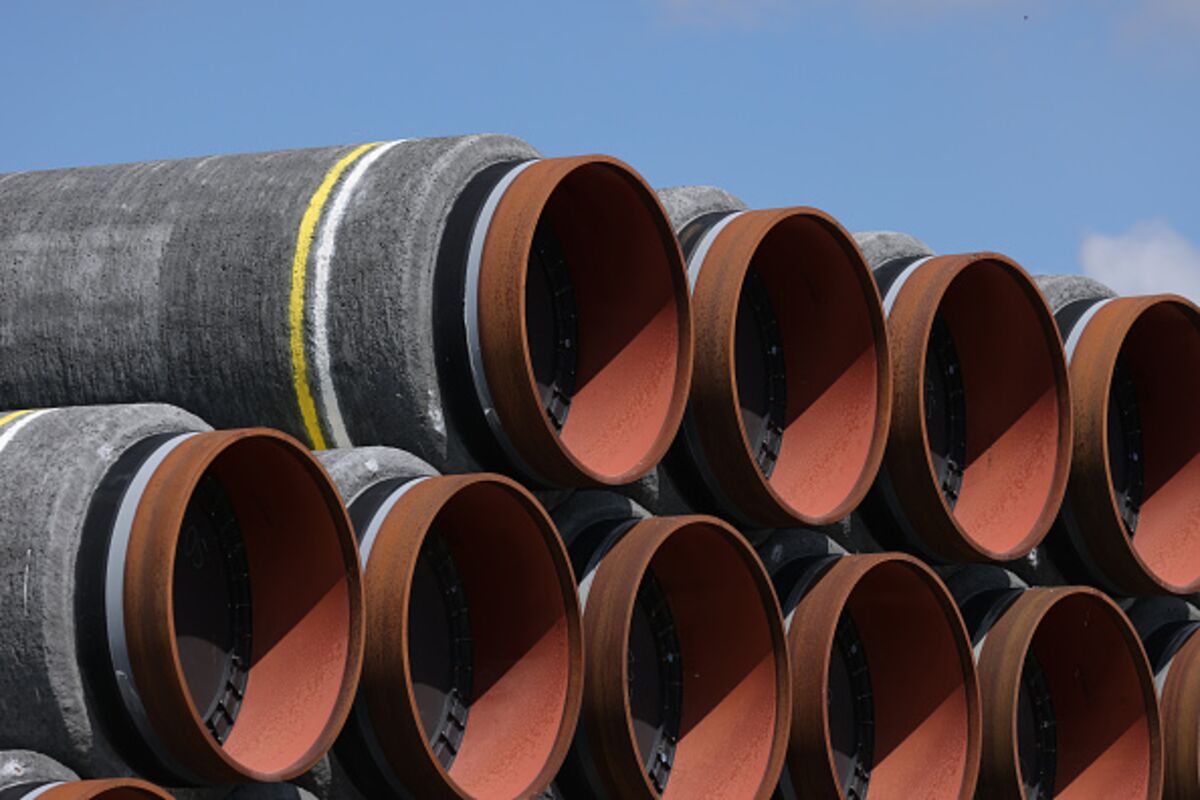
Aliko Dangote, Africa’s richest person, and Ethiopian Investment Holdings will invest $660 million to build a petroleum-products pipeline to link the Horn of Africa nation to Djibouti’s coast.
Ethiopia’s central bank raised the nation’s benchmark interest rate for the first time since its introduction two years ago to rein in inflation as it removed a cap on credit growth.
Ethiopia’s budget deficit is projected to widen to 1.4% of gross domestic product in the coming fiscal year.
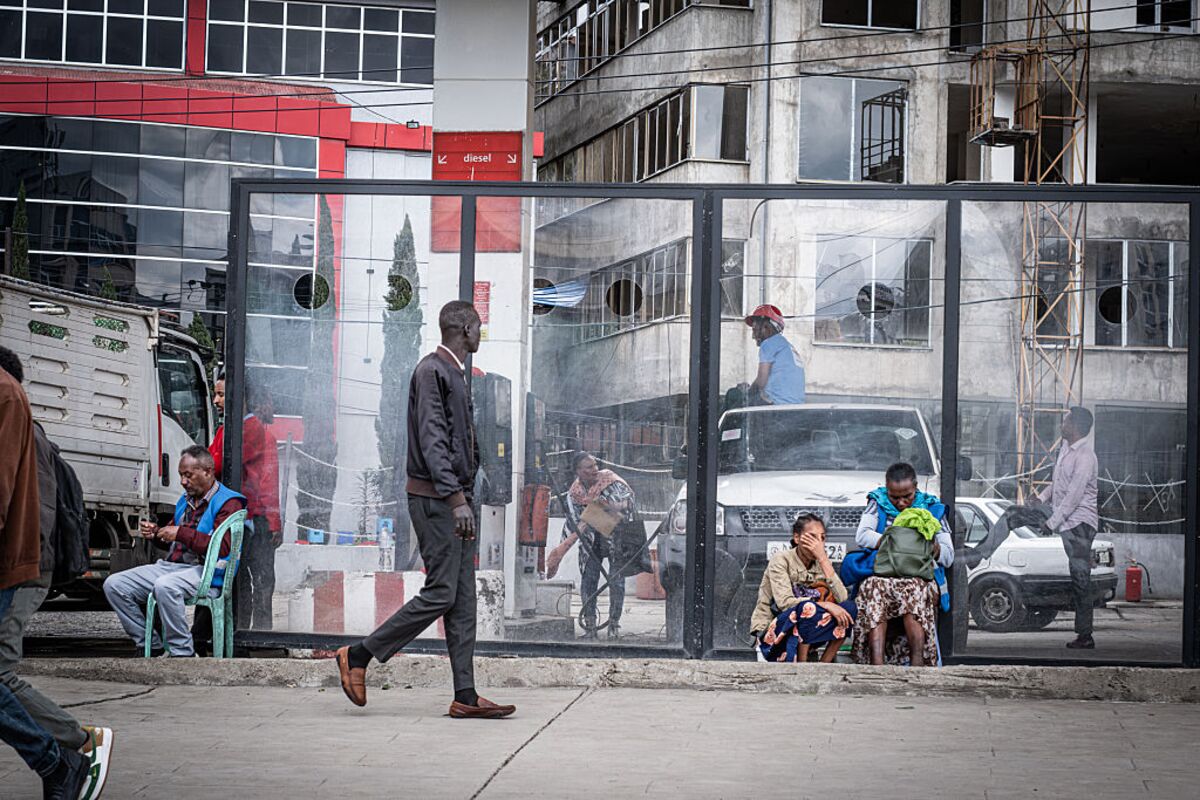
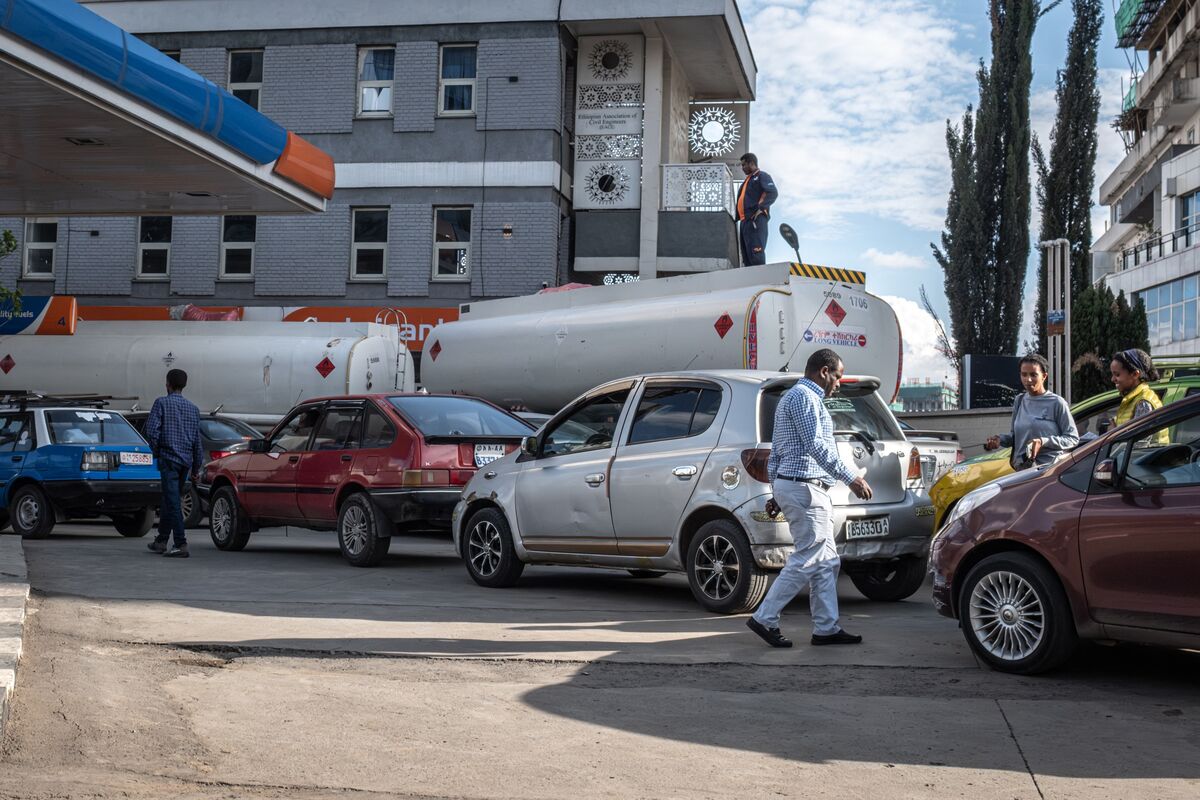
Drivers refuel their vehicles at a petrol station during a fuel shortage in Addis Ababa on March 27, 2026. Ethiopians said on March 27, 2026 they slept in their cars in hours-long queues for petrol as shortages caused by the Middle East war began to take their toll. The effective blockade of the Strait of Hormuz by Iran, through which a fifth of the world's oil and gas normally passes, has caused shortages in many countries. Ethiopia, a nation in the Horn of Africa with around 130 million people, is particularly vulnerable as it imports all its petrol, primarily from the Gulf. (Photo by Marco Simoncelli / AFP via Getty Images)
Ethiopia’s ruling party took a commanding lead as preliminary results trickled in from elections that are widely expected to hand Prime Minister Abiy Ahmed another five-year term.
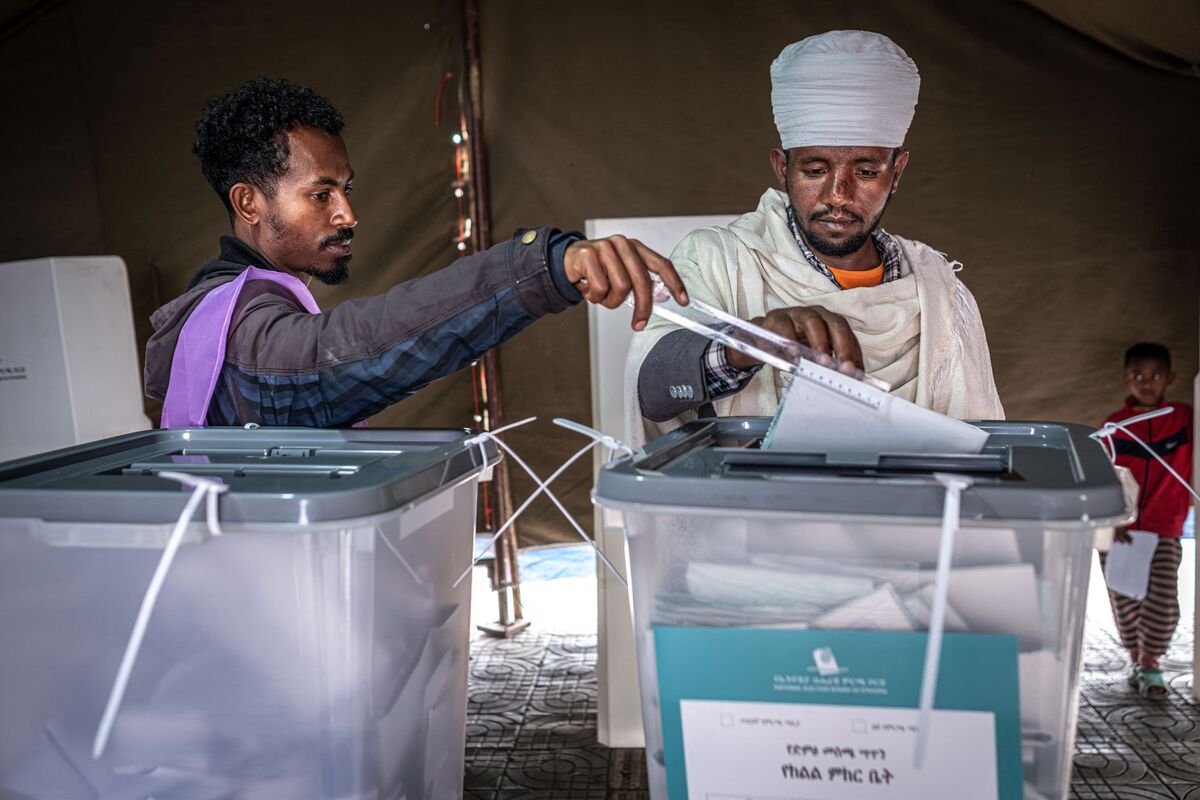
A voter casts his ballot at polling station in Addis Ababa on June 1.
Bound for another term, Ethiopia’s prime minister has a long list of tensions to deal with.
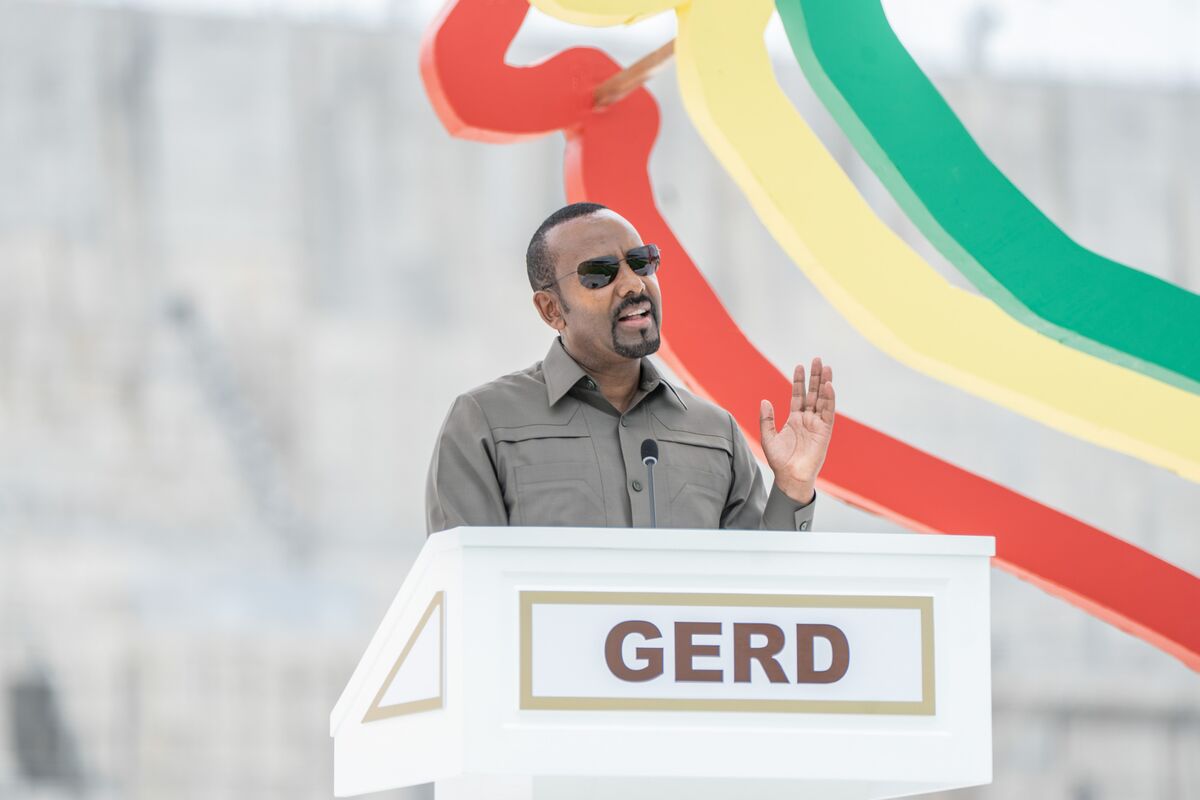
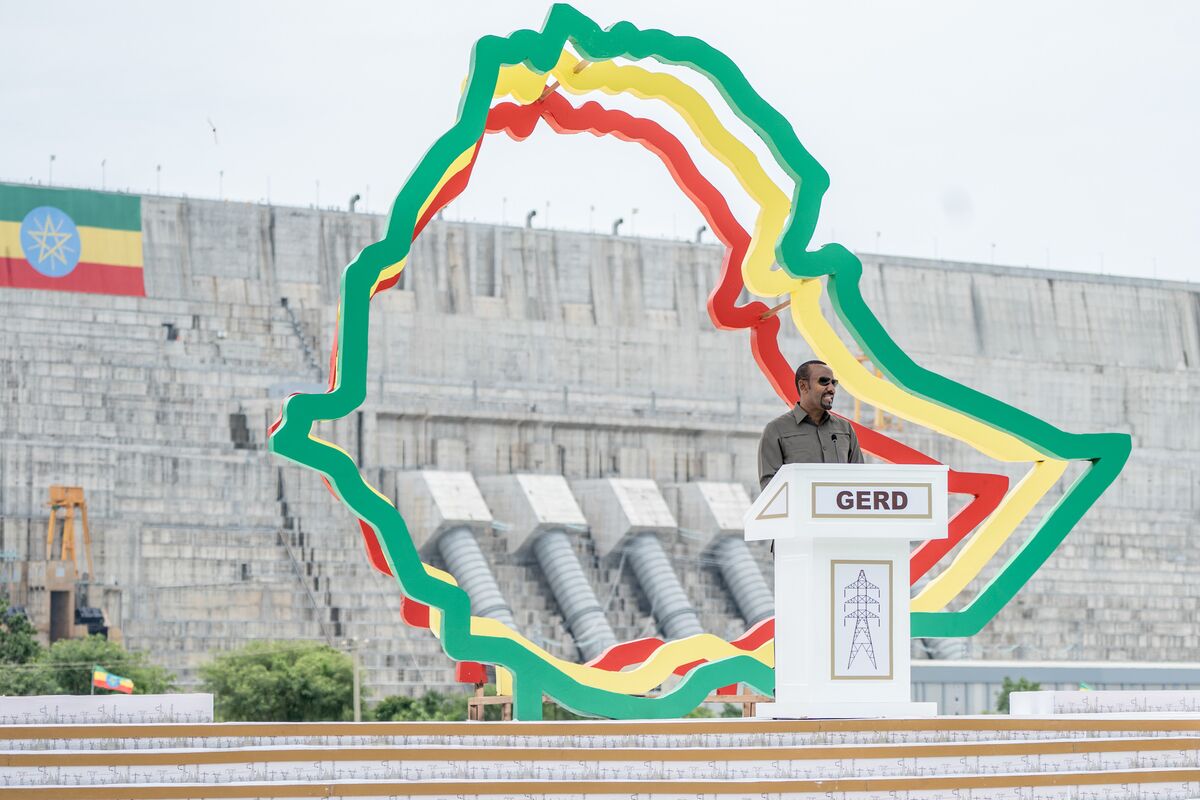
Abiy Ahmed, Ethiopia's prime minister, speaks during the Grand Ethiopian Renaissance Dam (GERD) opening ceremony in Guba, Ethiopia, on Tuesday, Sept. 9, 2025. Ethiopia inaugurated on Tuesday Africa’s biggest hydroelectric dam, a colossal feat of engineering that could power homes and industries across East Africa, while deepening a years-long dispute with Egypt and Sudan over the Nile’s flow. Photographer: Amanuel Sileshi/Bloomberg
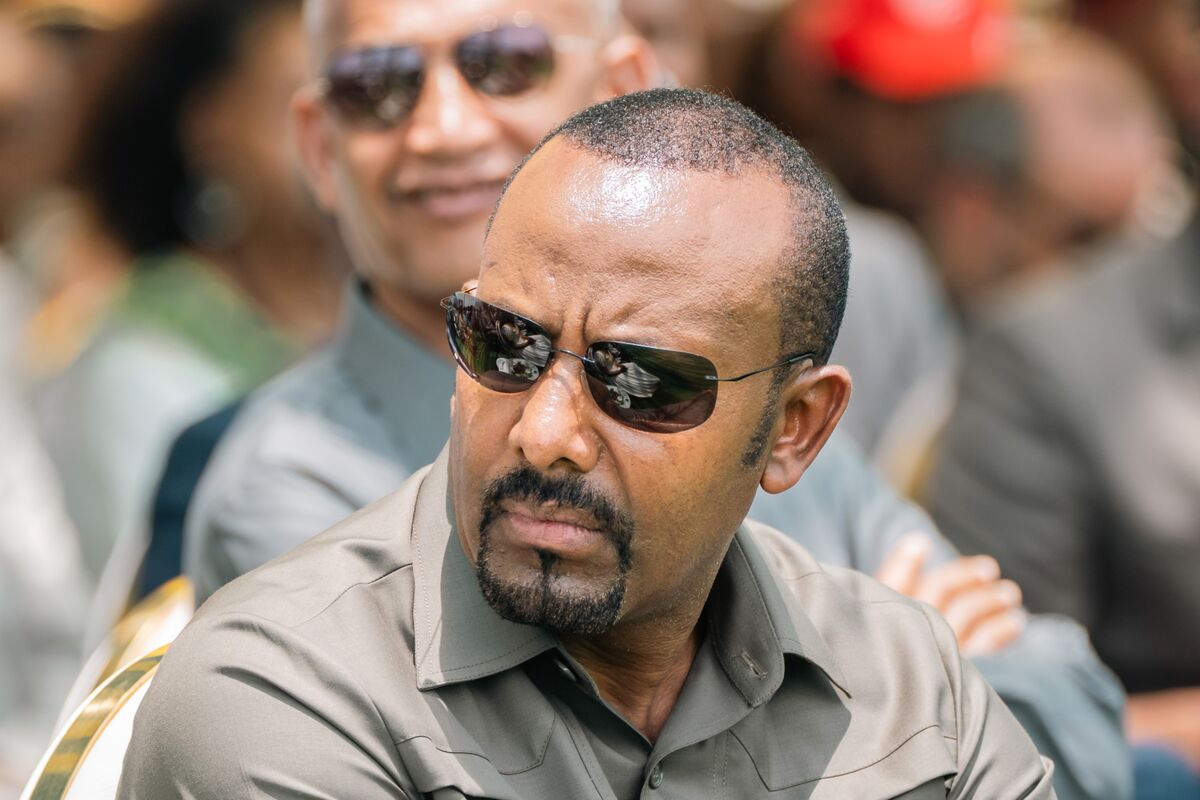
Ethiopian Prime Minister Abiy Ahmed looks set to secure another five-year term in Monday’s elections, extending a tenure initially marked by sweeping reforms and later marred by civil conflict and rising regional tensions.
Abiy Ahmed at the opening of the Grand Ethiopian Renaissance Dam in Guba, Ethiopia, in September 2025.
Ethiopia’s finance ministry said restructuring talks with some bondholders fell through after they rebuffed its latest proposal for them to take a 12% loss, drawing out a default that dates back to December 2023.
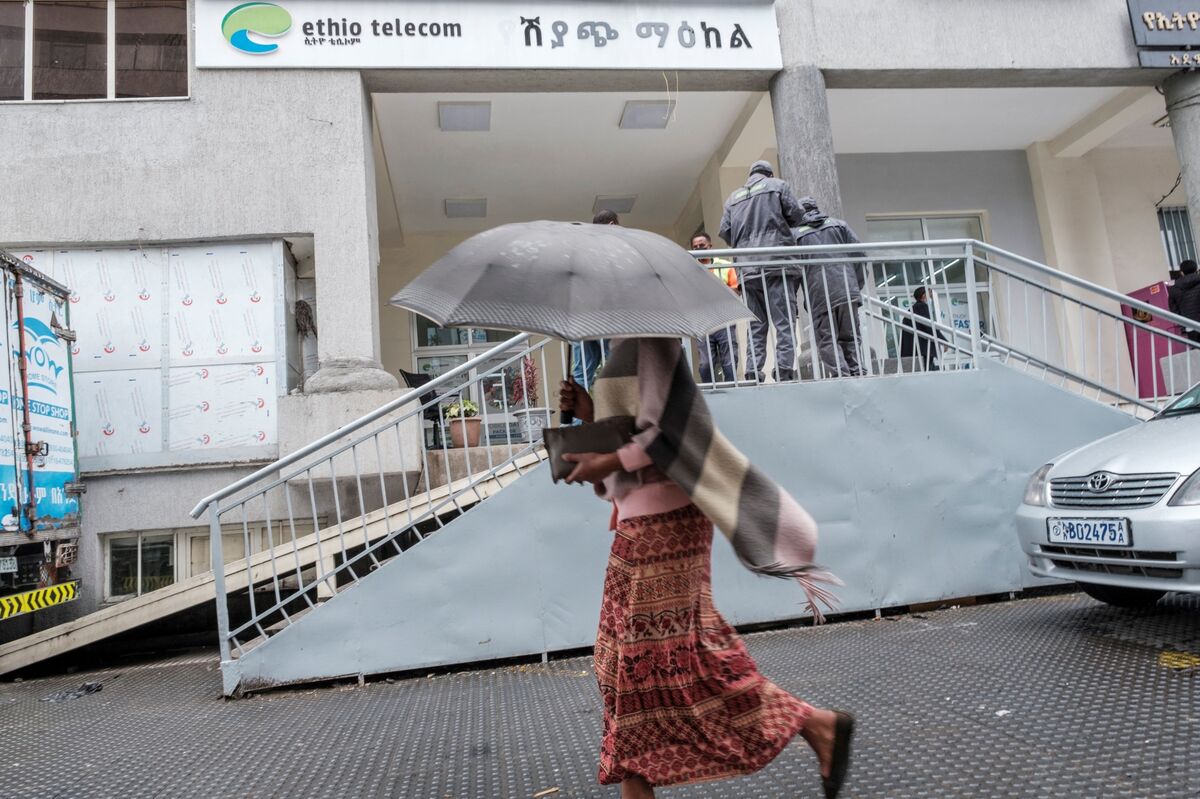
Ethio telecom listed on Ethiopia’s nascent stock market more than a year since the close of its initial public offering and marking the nation’s maiden IPO.
Dangote Group and Ethiopian Investment Holdings submitted a proposal to develop oil and gas pipelines through Djibouti, according to the small Horn of Africa state.
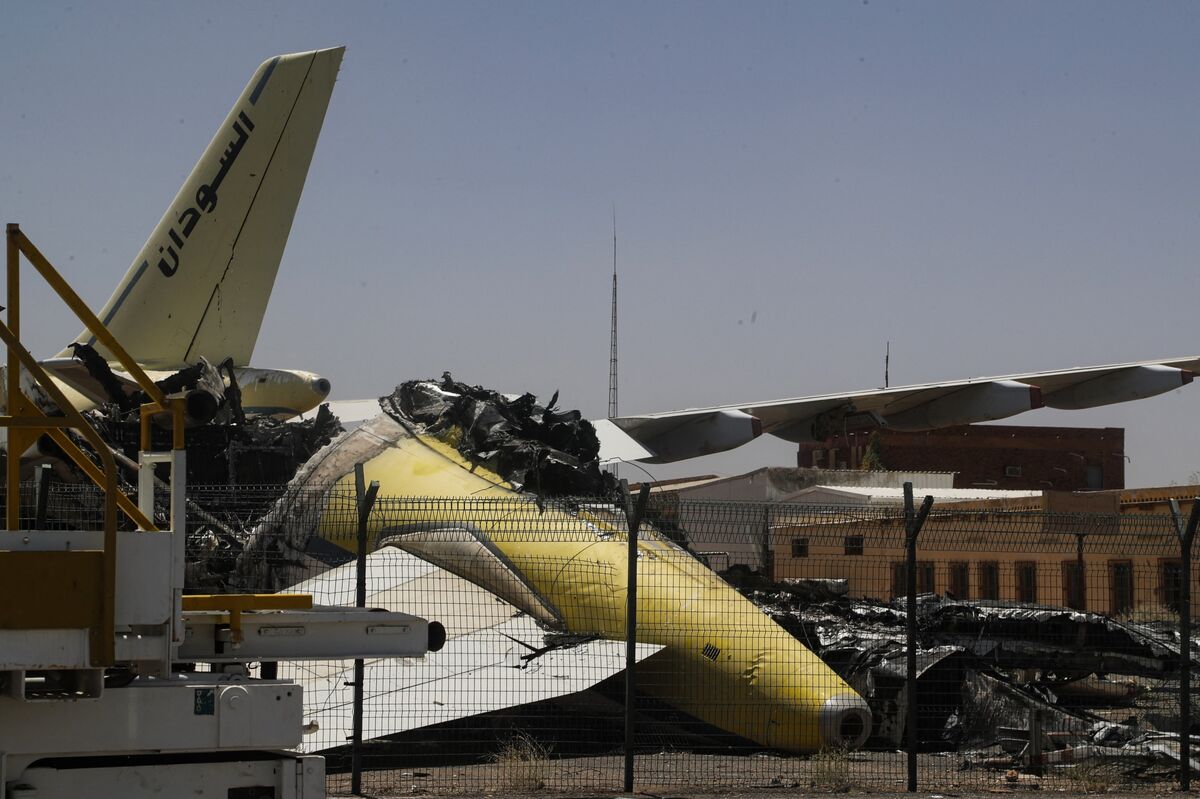
Sudan and Ethiopia traded accusations after a drone attack on the war-torn nation’s capital, Khartoum, that’s ratcheted up tensions between the African neighbors.
Heavily damaged aircraft at Khartoum International Airport in Khartoum on April 28.
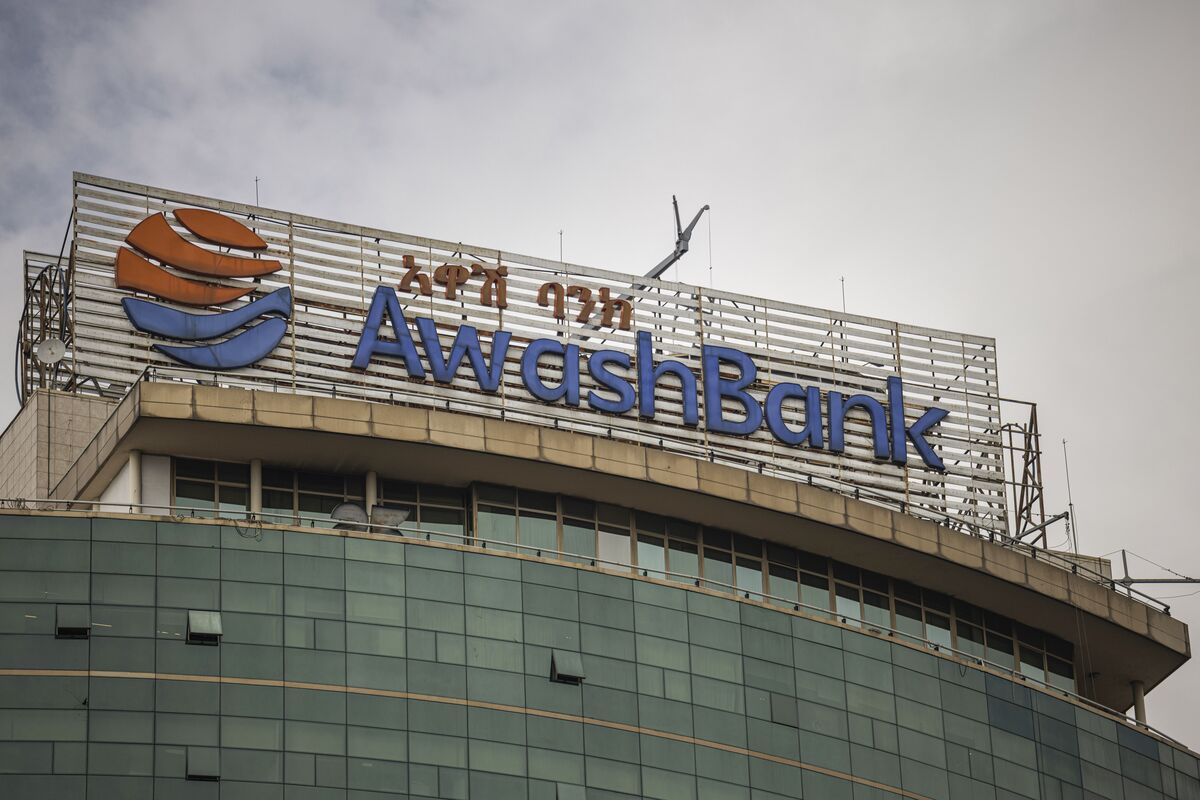
Ethiopia’s biggest privately held bank became the latest company to list on the the nation’s nascent stock market, bringing the number of listings to four.
A sign above the office of Awash International Bank SC in Addis Ababa.
Ethiopia has signed $13.1 billion of investment deals spanning renewable energy, manufacturing, real estate, mining and green ammonia, according to the government.
 Anmelden