❌

Lese-Ansicht

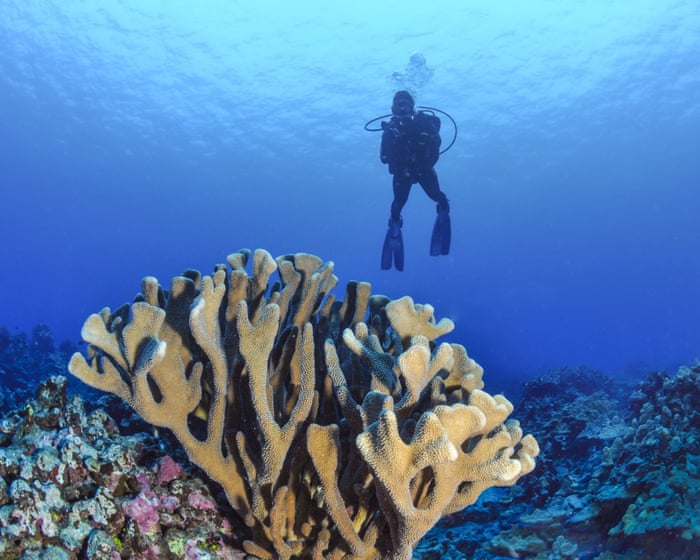
Almost every shallow-water coral reef on the planet faces ecosystem collapse by 2075, UN advisors say

Assessment finds global heating is endangering 96% of coral reefs across 80 countries – a figure scientists say should serve as a ‘wake-up call’

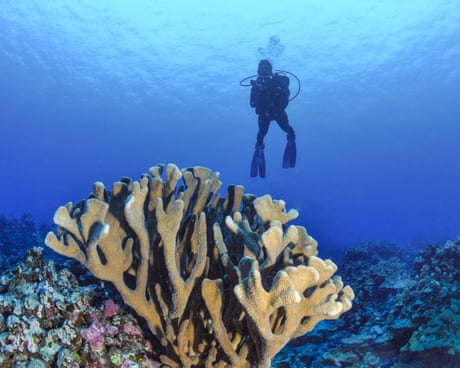
Almost every shallow-water coral reef on the planet, including Australia’s Great Barrier Reef, faces a high risk of ecosystem collapse before 2075 because of global heating, according to an assessment by United Nations nature advisers.

About 24% of the planet’s reefs across more than 80 countries are already critically endangered, the assessment said, but when the expected impacts of global heating were added this rose to 96%.

Sign up to get climate and environment editor Adam Morton’s Clear Air column as a free newsletter

Continue reading...
© Photograph: Lindsey Kramer/Hawaii Wildlife Fund/IUCN
© Photograph: Lindsey Kramer/Hawaii Wildlife Fund/IUCN
© Photograph: Lindsey Kramer/Hawaii Wildlife Fund/IUCN
  •  

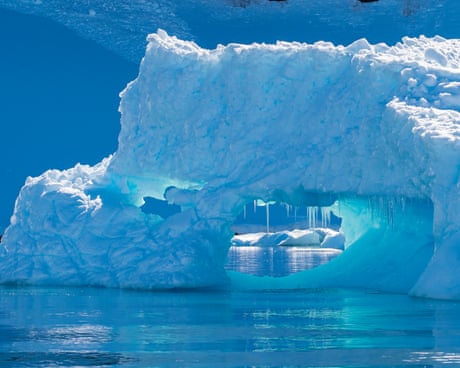
Antarctic winter sea ice falls to third-lowest level on record as scientists warn of ‘now problem’

Coverage levels fall a million square kilometres short of the long-term average, with global heating likely driving losses

Antarctica’s winter sea ice has peaked at its third-lowest level on record, falling a million square kilometres – or almost 400,000 square miles – short of the long-term average, scientists have confirmed.

Confirmation of the peak meant the four lowest years on record for the continent’s sea ice – a vital component of the planet’s climate and critical for marine life – had all occurred in the past four years.

Continue reading...

© Photograph: Hongjie Han/Getty Images

© Photograph: Hongjie Han/Getty Images

© Photograph: Hongjie Han/Getty Images

  •  

El Niño and global heating pushes water vapour in Earth’s atmosphere to record levels in August

Global heating contributes to record, with a warmer atmosphere able to hold more water, scientists say

The planet’s atmosphere held more water vapour in August than any other month on record, further increasing the risk of extreme heat and rainfall around the world, according to Europe’s climate change service.

Climate scientists said global heating was a contributor to the record because a warmer atmosphere can hold more water, and the historic El Niño in the Pacific Ocean was also likely pushing water vapour levels up.

Continue reading...

© Photograph: Matías Basualdo/ZUMA Press Wire/Shutterstock

© Photograph: Matías Basualdo/ZUMA Press Wire/Shutterstock

© Photograph: Matías Basualdo/ZUMA Press Wire/Shutterstock

  •  

When bird flu hit the UK, suffering seabirds died in their thousands. Australia’s wild flocks will soon do the same

Australia’s bird population will experience ‘large mortalities’ and risk species loss, modelling based on global outbreaks shows

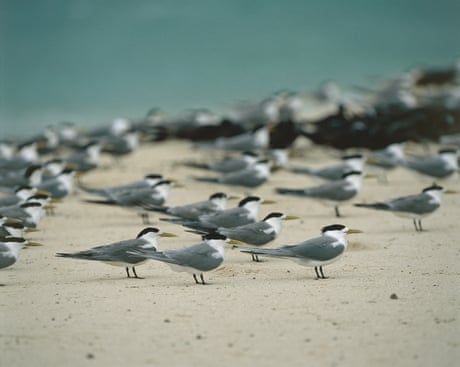
Sandwich terns are a graceful seabird known for their committed, forceful and spectacular plunging dives into the ocean to catch fish.

Thousands of the species started to fall sick across Europe in 2022 with tens of thousands dying as a lineage of the H5N1 bird flu – 2.3.4.4b – spread through the continent’s wild flocks.

Sign up to get climate and environment editor Adam Morton’s Clear Air column as a free newsletter

Continue reading...

© Photograph: DEA/P. JACCOD/De Agostini/Getty Images

© Photograph: DEA/P. JACCOD/De Agostini/Getty Images

© Photograph: DEA/P. JACCOD/De Agostini/Getty Images

  •  

Likely origin of mysterious ‘space balls’ found on Queensland beaches revealed by Australian Space Agency

Organisation says objects consistent with ‘debris from a foreign rocket body that recently re-entered the atmosphere’

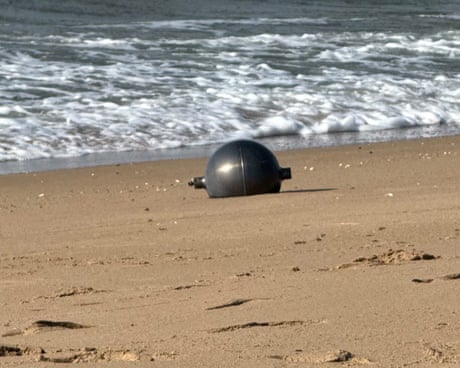
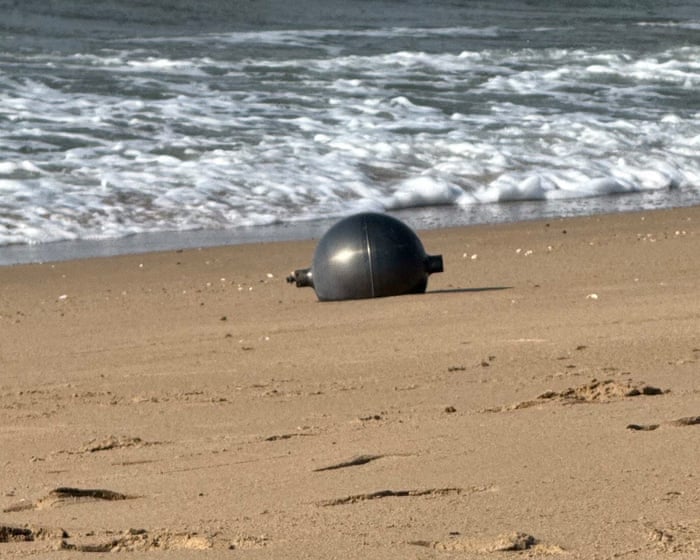
The Australian Space Agency has said the six so-called “space balls” found in north Queensland were likely from a “foreign rocket body” that had recently re-entered the atmosphere after being in orbit.

The six mysterious objects were found by the public washed ashore in the Forrest Beach area, north of Townsville, on Friday, Saturday and Sunday and were suspected of containing hazardous chemicals.

Continue reading...

© Photograph: Queensland Fire Department

© Photograph: Queensland Fire Department

© Photograph: Queensland Fire Department

  •  

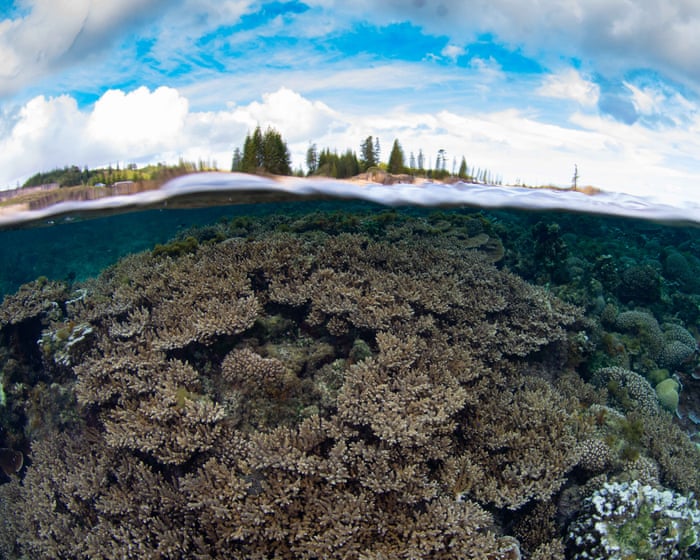
Norfolk Island’s unique corals under triple threat from disease, El Niño and now government-approved dredging

Exclusive: Most of the island’s corals are likely to be species that have not been formally described by science, researcher says

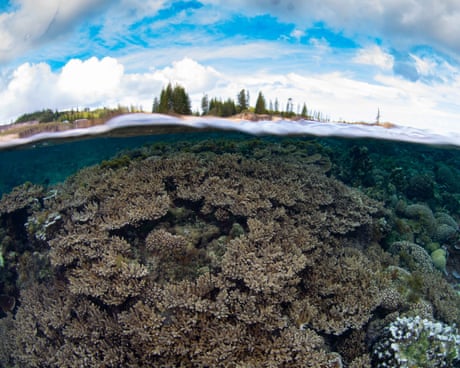
Scientists fear unique corals that fringe Australia’s remote Norfolk Island could disappear because of a triple threat of disease, El Niño and a federal government plan to dredge a neighbouring shipping channel.

A failure to manage sediment and pollution washing into bays from cattle farming, cleared land along with wastewater has been blamed for widespread disease and outbreaks of algae over the corals.

Continue reading...

© Photograph: Tom Bridge

© Photograph: Tom Bridge

© Photograph: Tom Bridge

  •  

A spate of shark bites has Australian ocean lovers on edge. People want to know why they’re rising

Warming ocean temperatures mean sharks are spending more time in high-population areas, yet shark net data shows no significant changes in numbers

Rob Harcourt is heading back from a “beautiful surf” at Bondi on a warm and sunny winter’s morning in Sydney.

But for him and many of his surfing mates, the compelling pull of the city’s world famous surf breaks has been neutered by tragedy, fear and uncertainty.

Continue reading...

© Photograph: Jessica Hromas/The Guardian

© Photograph: Jessica Hromas/The Guardian

© Photograph: Jessica Hromas/The Guardian

  •  

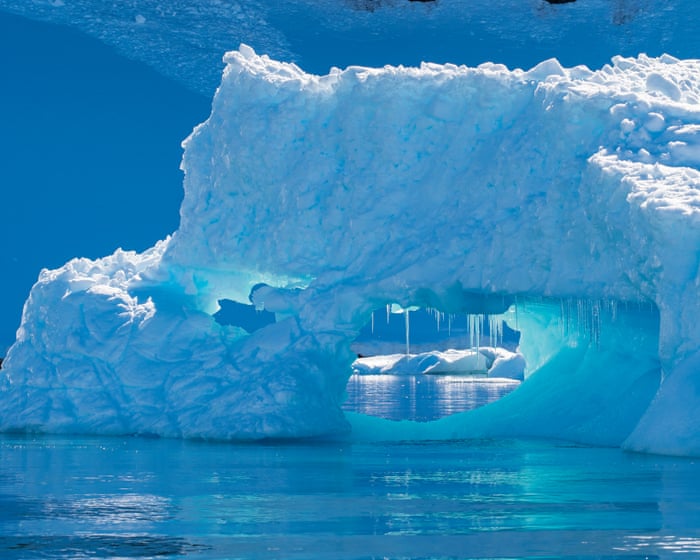
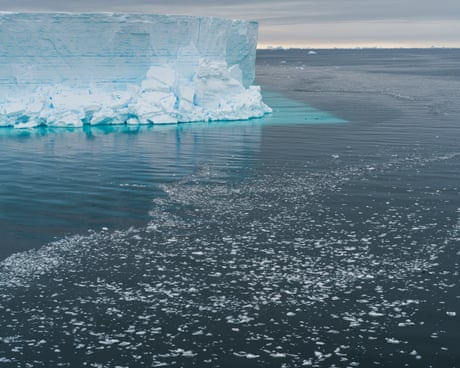
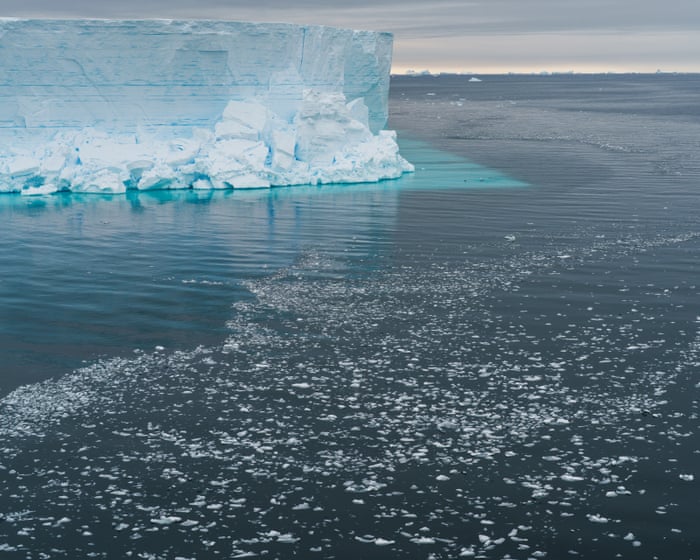
Antarctica’s west coast missing an area of sea ice the size of France as temperatures peak 20C above average

Exclusive A vast area of the Bellingshausen Sea should be covered by sea ice by now, with one expert calling the loss of ice ‘depressing’

Antarctica’s west coast is missing an area of winter sea ice the size of France, sparking concerns for threatened penguins other marine life and global sea levels.

One expert said the loss of ice in the Bellingshausen Sea was “depressing” and the failure of ice to form could have intensified a heatwave over the continent’s peninsular last week that saw daytime temperatures peak at 15.4C which is more than 20C above average.

Continue reading...

© Photograph: Alex Ingle/Schmidt Ocean Institute

© Photograph: Alex Ingle/Schmidt Ocean Institute

© Photograph: Alex Ingle/Schmidt Ocean Institute

  •  

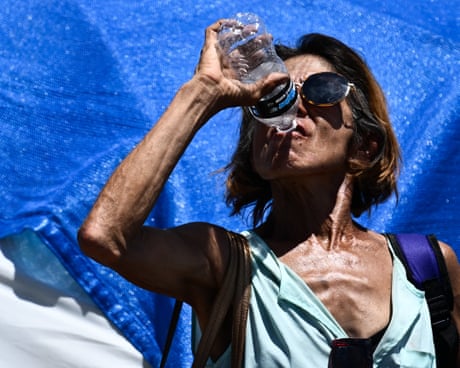
‘Non-survivable’: heatwaves are already breaching human limits, with worse to come, study finds

Analysis of six extreme heatwaves found when temperature and humidity were accounted for, all were potentially deadly for older people

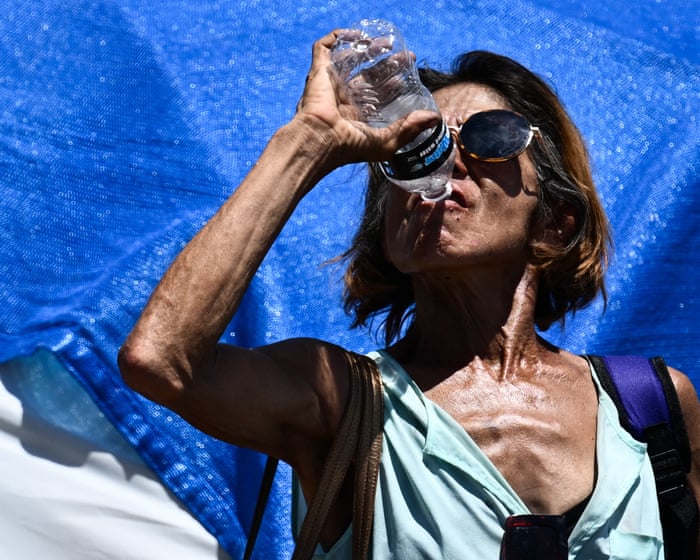
Extreme heat is already creating “non-survivable” conditions for humans in heatwaves that have killed thousands and likely many more, according to new research that warns people are more susceptible to rising temperatures than first thought.

Scientists re-examined six extreme heatwaves between 2003 and 2024 and found that when temperature, humidity and the body’s ability to stay cool were accounted for, all were potentially deadly for older people.

Continue reading...

© Photograph: Patrick T Fallon/AFP/Getty Images

© Photograph: Patrick T Fallon/AFP/Getty Images

© Photograph: Patrick T Fallon/AFP/Getty Images

  •  

Killing of K’gari dingoes in wake of backpacker’s death could create ‘extinction vortex’, expert says

Queensland government says it has already killed six of the 10 dingoes seen near the body of 19-year-old Piper James

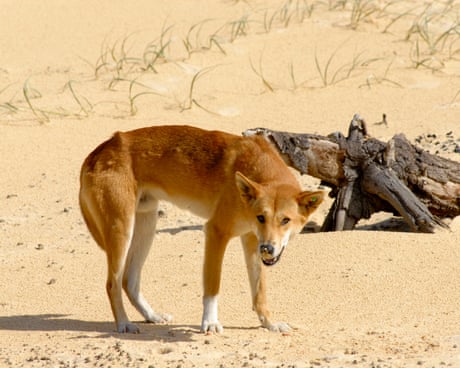
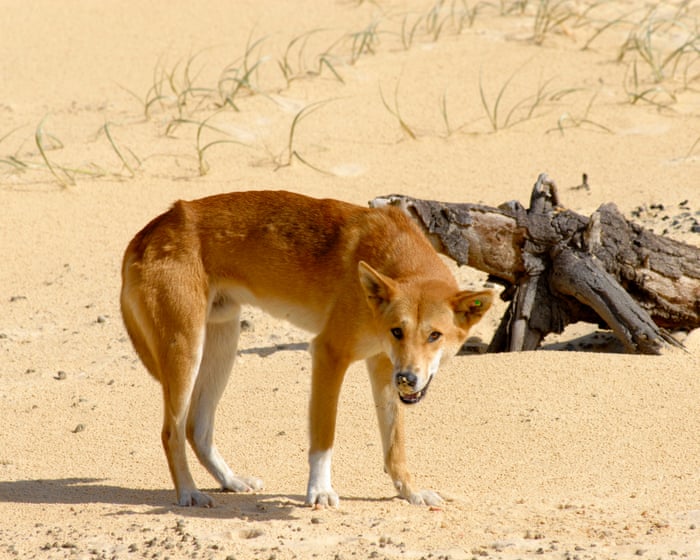
Dingo experts have said a decision to kill a 10-strong pack of the animals linked with the death of Canadian tourist Piper James on K’gari could push the island’s population towards extinction while doing little to protect humans.

The Queensland government revealed on Sunday it had already killed six of the pack seen around the body of the 19-year-old in a move that has angered the island’s traditional owners who have said they were not consulted.

Continue reading...

© Photograph: elmvilla/Getty Images

© Photograph: elmvilla/Getty Images

© Photograph: elmvilla/Getty Images

  •  

The fate of the planet’s coastlines depends on how fast Antarctica’s ice sheets melt. We don’t know what’s coming

Some regions of the continent have enough ice to push up sea levels by 15 metres if they all melt, but researchers don’t yet fully understand the consequences

On one side of Dr Ben Galton-Fenzi’s view across the vast Totten ice shelf, the sun sat low on the Antarctic horizon. On the other, a full moon.

The ice shelf is “flat and white”, says Galton-Fenzi. “If there’s cloud around, you lose the horizon.”

Continue reading...

© Photograph: Madi Gamble Rosevear

© Photograph: Madi Gamble Rosevear

© Photograph: Madi Gamble Rosevear

  •  
❌