❌

Lese-Ansicht

Houseplant hacks: is a hygrometer a gimmick or a godsend?

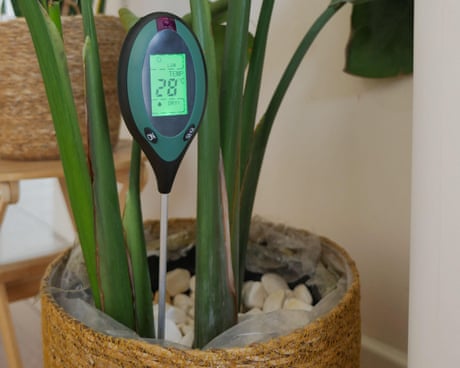
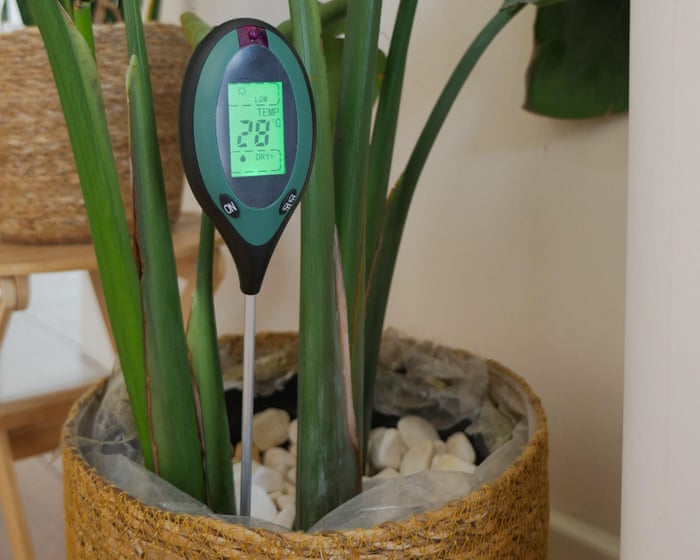
Hot radiators and cold draughts can wreak havoc with plants in winter, so do you need a gadget to measure the temperature and humidity of your home?

The problem
Winter is often seen as downtime for houseplants, so they can get forgotten. Colder days mean the heating is on, the air dries out, and draughts creep in at every window or door. Tropical plants that thrived in summer can start to sulk. Could a digital thermometer and hygrometer to monitor the humidity help redress the balance?

The hack
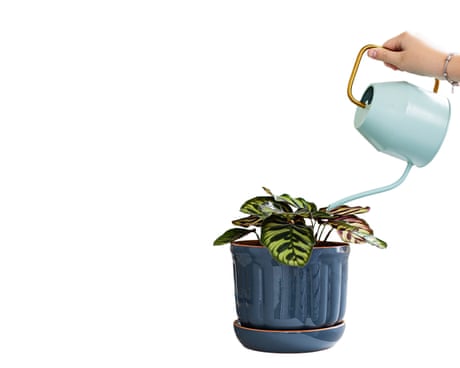
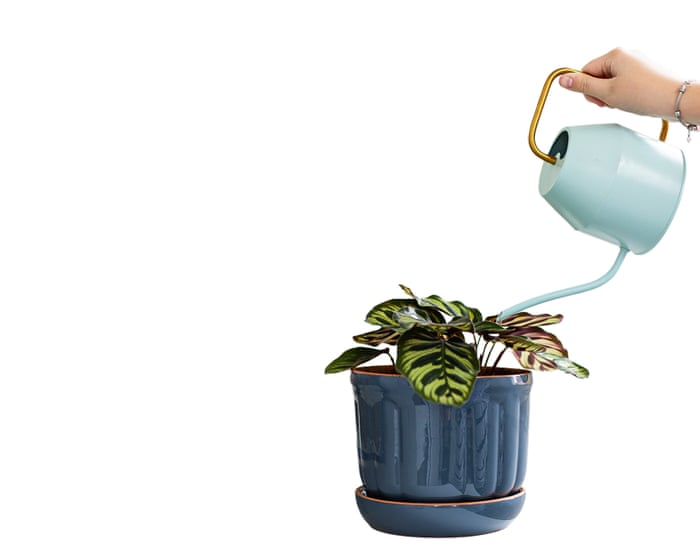
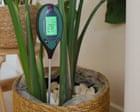
Pop the cheap gadget among your plants for a live update on temperature and relative humidity, often with a record of the daily high and low. The idea is that instead of guessing whether your calathea is cold or your fern is fading in the dry air, you measure and move the plant or treat it accordingly.
Continue reading...

© Photograph: towfiqu Barbhuiya/Alamy
© Photograph: towfiqu Barbhuiya/Alamy
© Photograph: towfiqu Barbhuiya/Alamy
  •  

Houseplant hacks: should plants rest in the dark over winter ?

Some do need a rest to complete their growth cycle, but for others this hack could be stressful

The problem
Winter plant advice is full of contradictions. Rest your plants; don’t rest your plants. Move them to a cooler spot; keep them warm. One common tip is to put certain houseplants in a dark, cool spot, to mimic natural dormancy and give them the rest they need.

The hack
Some plants need a period of reduced light, cooler temperatures and minimal watering to complete their growth cycle. Forcing this dormancy by moving them somewhere darker and cooler in winter is said to result in stronger growth, better flowering and a healthier plant come spring.

Continue reading...

© Photograph: Oscar Wong/Getty Images

© Photograph: Oscar Wong/Getty Images

© Photograph: Oscar Wong/Getty Images

  •  

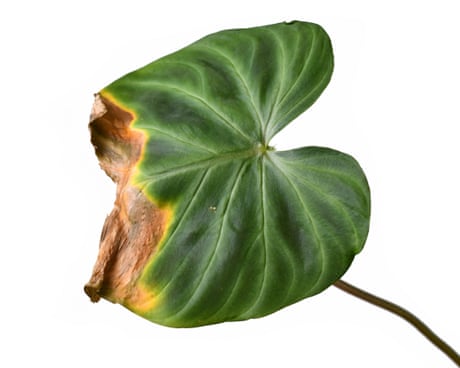
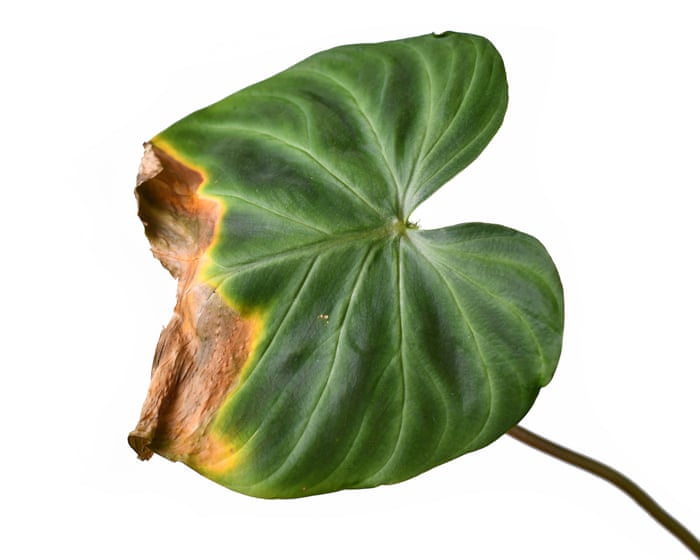
Houseplant hacks: will trimming brown leaf tips do any harm?

Cutting out dead material will make the plant look better without damaging it. But be careful not to slice into the living leaf

The problem
You can really love your plants and still be rewarded with crispy, brown leaf tips. While they won’t kill your plant, they aren’t aesthetically pleasing.

The hack
The tidy-up is simple: cut off the dry, brown parts of the leaf. The plant looks instantly better, and the theory is this does no harm because the tissue is already dead. But the worry is it will hurt the plant or make the browning worse.

Continue reading...

© Photograph: Firn/Getty Images/iStockphoto

© Photograph: Firn/Getty Images/iStockphoto

© Photograph: Firn/Getty Images/iStockphoto

  •  

Houseplant hacks: is it eco-friendly or risky to reuse nursery pots?

You want to garden sustainably but don’t want to transfer pests to new plants. Here’s how to decide whether to refill or recycle

The problem
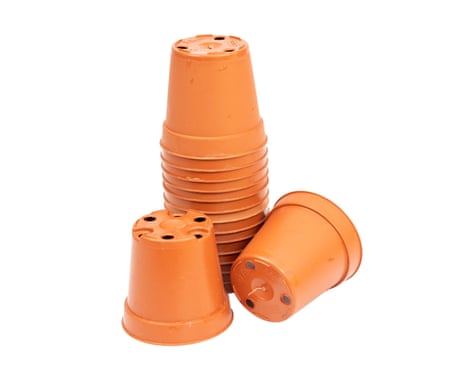
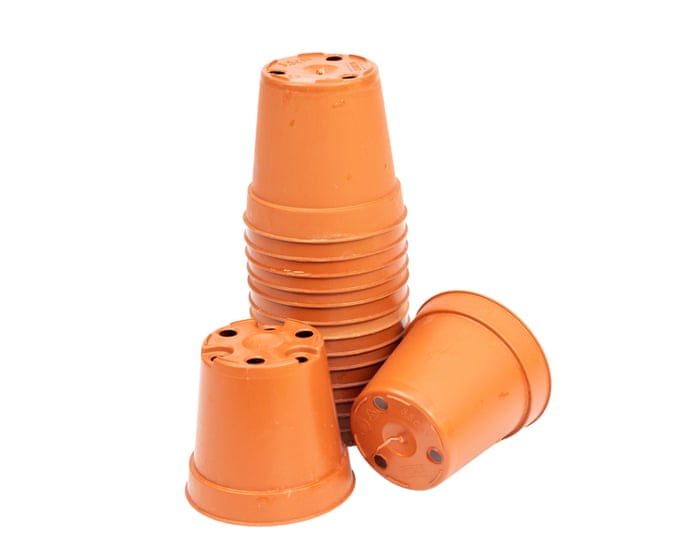
Most plant people end up with a never-ending supply of plastic nursery pots, stuffed in cupboards or bags. Throwing them away feels wasteful, but reusing can transfer pests, fungus spores or disease to new plants.

The hack
Reuse them, but clean thoroughly first. Nursery pots are brilliant for houseplants because the drainage holes stop root rot. Water thoroughly and let the excess run out, then slip the pot into something decorative.

Continue reading...

© Photograph: Bilal photos/Getty Images

© Photograph: Bilal photos/Getty Images

© Photograph: Bilal photos/Getty Images

  •  

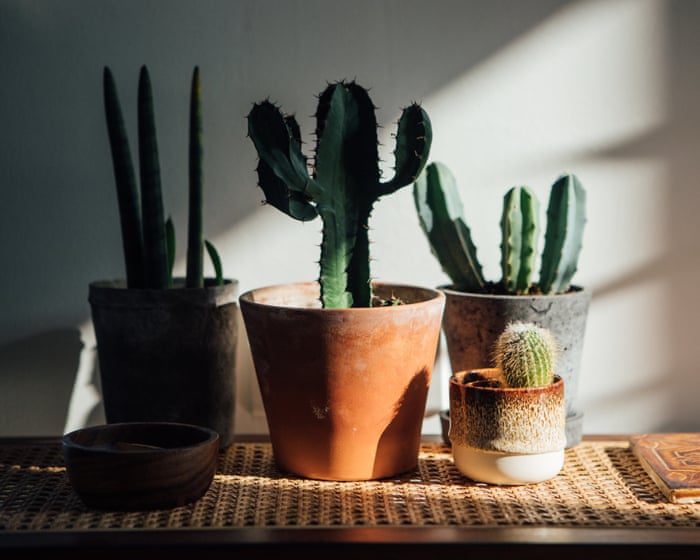
Houseplant hacks: Are windowsills too cold for plants in winter?

It may be flooded with light, but that window ledge is only a pane of glass away from the elements. What’s the best way to protect your plants?

The problem
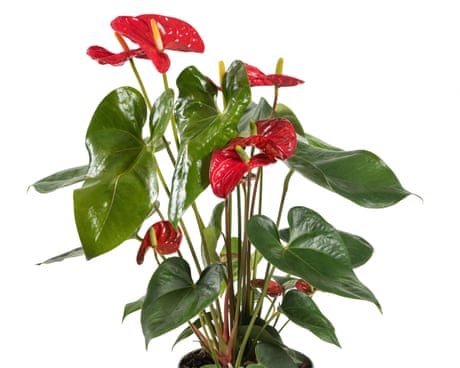
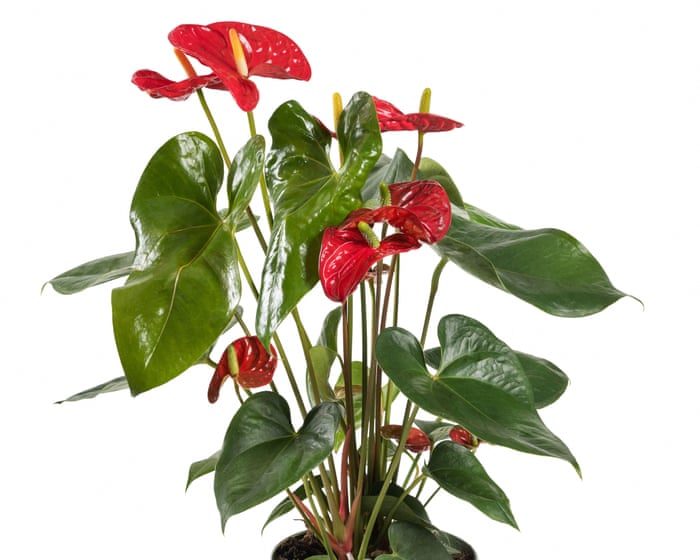
That bright window spot you chose for your houseplants to receive maximum sunlight can become one of the coldest places in the house in winter. The glass itself can get cold, and with heavy curtains drawn, it creates a cooler box area around your window. For tropical plants like anthuriums and philodendrons, which are used to less temperature fluctuation, the cold can be fatal.

The hack
Move sensitive plants back from the glass overnight, then return them to their brighter position in the morning.

Continue reading...

© Photograph: Photology1971/Alamy
© Photograph: Photology1971/Alamy
© Photograph: Photology1971/Alamy
  •  

Houseplant hacks: should you water plants less in winter?

Don’t water based on the month or the season – be led by what the plant is actually doing

The problem
Cutting back on watering for winter has become so ingrained that people start rationing by the calendar, giving plants just a fraction of the water they had in summer, because the season changed.

The hack
The advice to reduce is because, as light levels drop, most houseplants slow their growth, use less water and dry out more slowly, so watering as you did in summer risks waterlogging the roots and causing rot.

Continue reading...

© Photograph: Alexandr Kolesnikov/Getty Images

© Photograph: Alexandr Kolesnikov/Getty Images

© Photograph: Alexandr Kolesnikov/Getty Images

  •  

Houseplant Hacks: can mirrors and foil boost low sunlight?

The theory is your plants will perk up if you reflect some extra light their way over the long winter months

Most houseplants are hungry for sunlight, which is in short supply during a UK winter. Plants on a shelf or coffee table often get insufficient light, so they stretch, lean and thin out. Not everyone can move their plant to a south-facing sill, so the hunt is always on to make the most of what little light there is.

Continue reading...

© Photograph: Olga Yastremska/Getty Images

© Photograph: Olga Yastremska/Getty Images

© Photograph: Olga Yastremska/Getty Images

  •  

Houseplant hacks: can pothos help new cuttings to root?

The hormone-packed pothos plant might encourage healthy root growth in other cuttings – or it might not. But you’ve nothing to lose by trying

The problem
Propagation can provide never-ending plants, but sometimes you have to wait weeks for something to happen. Anything that speeds up those reluctant rooters is worth knowing about, especially if it’s free.

The hack
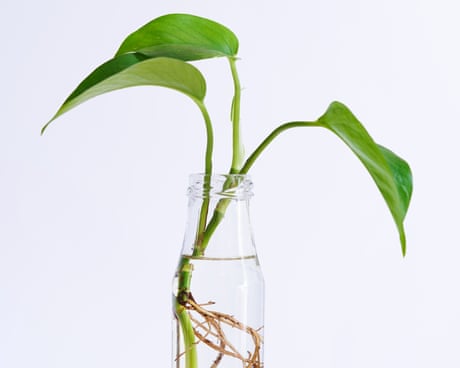
According to a popular plant hack, placing a pothos in the same water as other cuttings encourages them to root faster. This is often attributed to pothos releasing auxins – the plant hormones involved in root development – into the shared water.

Continue reading...

© Photograph: Markovtel/Getty Images

© Photograph: Markovtel/Getty Images

© Photograph: Markovtel/Getty Images

  •  

Houseplant hacks: can white vinegar or lemon juice clean leaves?

Dust and hard water can leave deposits that slow photosynthesis, but don’t believe everything you read about using acids to remove them

The problem
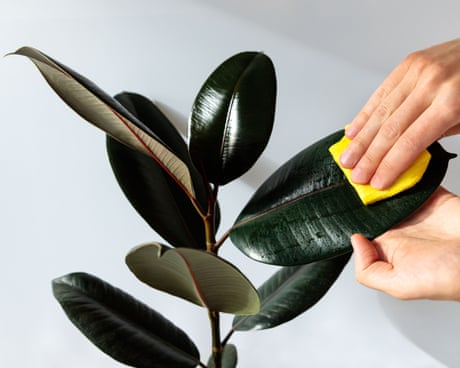
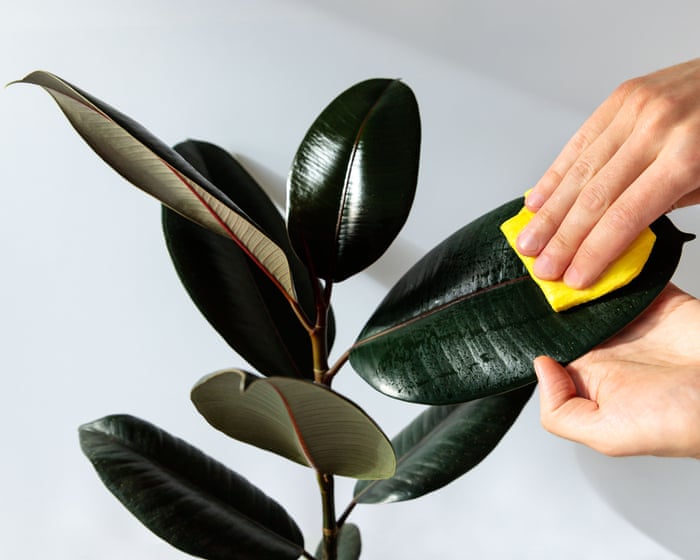
Dusty leaves are more than a cosmetic problem. A film of dust blocks light, which slows photosynthesis and dulls the plant. Hard water makes it worse, leaving chalky white mineral spots on the foliage that a damp cloth simply smears around.

The hack
The acids in white vinegar, or lemon juice, dissolve the mineral salts left behind by hard water – just wipe a very diluted solution over the leaves with a microfibre cloth.

Continue reading...

© Photograph: Everyday better to do everything you love/Getty Images

© Photograph: Everyday better to do everything you love/Getty Images

© Photograph: Everyday better to do everything you love/Getty Images

  •  

Houseplant hacks: should you always quarantine new plants to avoid pests spreading?

Any new addition to your collection can contain stowaways, so you’d be wise to deploy a little patience – but how long is long enough?

The problem
There is nothing quite like the joy of bringing home a new plant. You find the perfect spot, nestle it in among your others, and stand back to admire the new arrival. What you cannot see are its passengers: a few spider mites tucked under a leaf, mealybug eggs in a joint, or fungus gnat larvae in the compost. A fortnight later, plants that were perfectly healthy are speckled, sticky or swarming, and you have no idea how it happened.

The hack
Quarantining means keeping any new plant separated from the rest of your collection for a few weeks before letting it join the others. The logic is simple: if something is going to emerge, you want it to do so in isolation, where it can be dealt with before it spreads to the whole crew.

Continue reading...

© Photograph: Issarawat Tattong/Getty Images

© Photograph: Issarawat Tattong/Getty Images

© Photograph: Issarawat Tattong/Getty Images

  •  

Houseplant hacks: do plant care kits actually work?

Skincare-inspired regimes feel unnecessary – but giving your plants more attention is always a good thing

The problem
Plant care has had a glow-up. There is now an entire regime that’s been lifted straight from the bathroom cabinet: cleanse, hydrate, serum, tone. These beautifully boxed kits promise lush plants, make lovely gifts and look wonderful on a shelf, but the question is: does your monstera actually need a four-step routine?

The hack
The promise is that plants, like skin, thrive on a structured routine, and that investing in a multi-product care kit will reward you with glowing foliage.

Continue reading...

© Photograph: Dima Berlin/Getty Images/iStockphoto

© Photograph: Dima Berlin/Getty Images/iStockphoto

© Photograph: Dima Berlin/Getty Images/iStockphoto

  •  

Houseplant hacks: does dividing supermarket basil help it survive?

Seeds are packed into shop-bought pots, meaning they compete and wear themselves out. The best bet is to divide and conquer

The problem
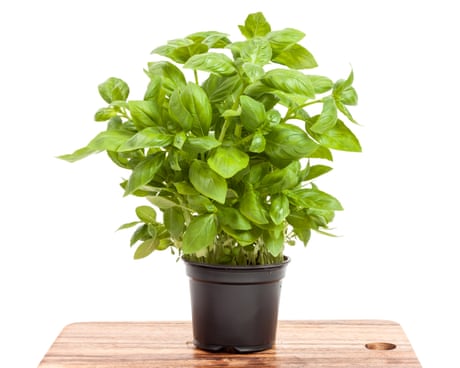
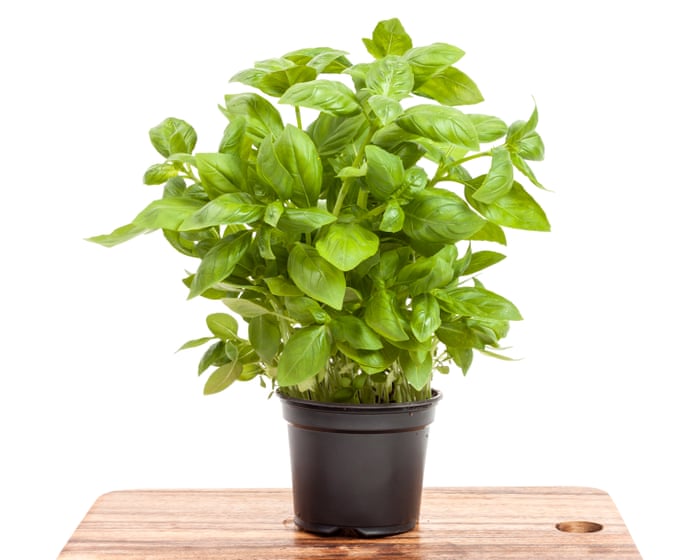
We’ve all done it: picked up a lush, generous-looking pot of basil from the supermarket – full of promise and pesto plans, and within a fortnight it has collapsed into a dried-out, leggy mess. You assume you did something wrong. In reality, the plant was set up to fail before it even reached your kitchen.

The hack
That full, bushy pot is not actually one plant; it is dozens of basil seedlings crammed into a single container to look bushy on the shelf. Packed that tightly, they compete for light, water and root space, and exhaust themselves within days. The fix is to divide the overcrowded mass into smaller, separated clumps and give each one room to actually grow.

Continue reading...

© Photograph: R Tsubin/Getty Images

© Photograph: R Tsubin/Getty Images

© Photograph: R Tsubin/Getty Images

  •  

Houseplant hacks: should I pinch out trailing plants for bushier growth?

It might sound brutal, but this is exactly the kind of damage plants are built to recover from – and thrive on

The problem
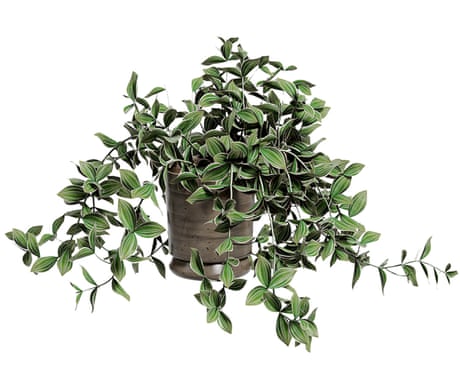
Trailing plants tend to grow long and bare. A pothos or tradescantia that started full and lush can become a few sad vines with all the leaves clustered at the ends, trailing toward the floor with nothing in the middle. The instinct is to leave the plant alone and hope it fills out on its own. It rarely does. Yet the fix – cutting off healthy growth – feels counterintuitive and slightly brutal.

The hack
Pinching out means removing the growing tip of a stem, just after a node. This redirects the plant’s energy, prompting it to activate and produce new shoots. The result, in theory, is a bushier, fuller plant rather than a few straggly vines.

Continue reading...

© Photograph: Matheus Lorenzet/Getty Images

© Photograph: Matheus Lorenzet/Getty Images

© Photograph: Matheus Lorenzet/Getty Images

  •  

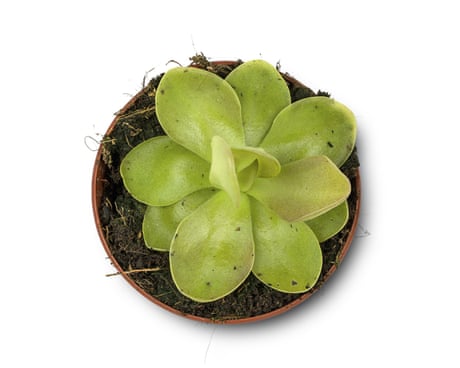
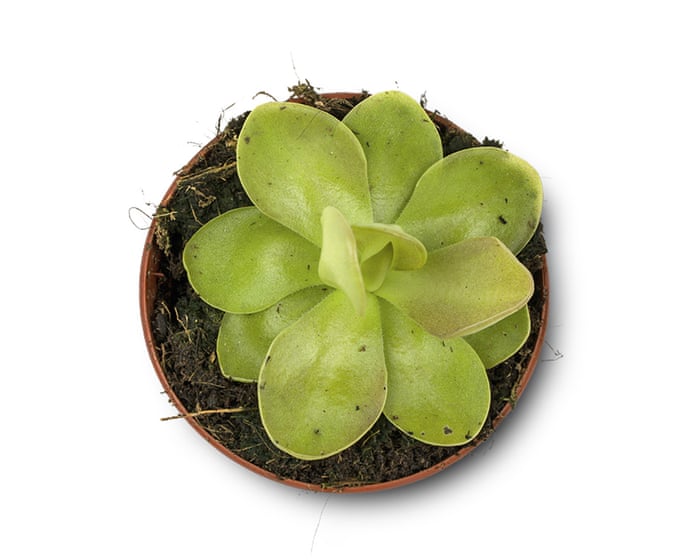
Houseplant hacks: can butterworts control fungus gnats?

This pretty little plant is carnivorous, so when placed next to plants affected by the insect pest it can be an effective living flypaper

The problem
The fungus gnat is the pest that just keeps coming. You dry out the soil, set up sticky traps, maybe even reach for the hydrogen peroxide, and just when you think you’ve have won, they’re back. The adults are harmless but maddening, drifting around your face and laying the next generation in any damp compost they can find. And most controls only deal with one stage of the cycle and leave the rest to carry on.

The hack
Butterworts are small carnivorous plants whose leaves are coated in a sticky mucilage that traps tiny flying insects, including fungus gnats. Keep one or two among your collection as living flypaper, catching adult gnats before they can breed.

Continue reading...

© Photograph: Miguelstudios/Getty Images/iStockphoto

© Photograph: Miguelstudios/Getty Images/iStockphoto

© Photograph: Miguelstudios/Getty Images/iStockphoto

  •  

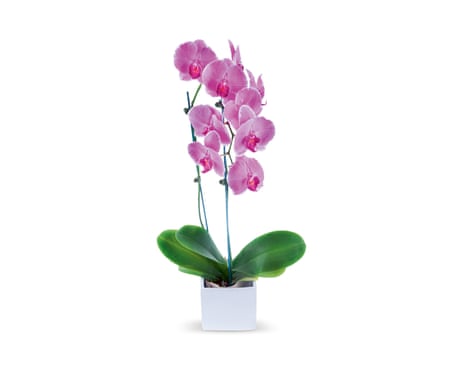
Houseplant hacks: will a temperature drop make my orchid bloom?

Got a stick in a pot that you’re tempted to bin? All it needs is this little-known signal to flower again …

The problem
Most of us have bought an orchid, enjoyed its flowers, then been left with a couple of leaves and a bare spike. Many assume the show is over and bin it or leave it on the sill out of guilt, watering it occasionally while expecting nothing. There it sits, dormant, waiting for a signal most people never think to give.

The hack
Phalaenopsis orchids rebloom in response to a temperature drop. In their natural habitat, a cooler spell signals the change of season and triggers the plant to produce a new flower spike. Recreating that shift is the prompt most orchids are waiting for, and it’s simpler to do than you might think.

Continue reading...

© Photograph: mark higgins/mark higgins / Alamy Stock Photo
© Photograph: mark higgins/mark higgins / Alamy Stock Photo
© Photograph: mark higgins/mark higgins / Alamy Stock Photo
  •  

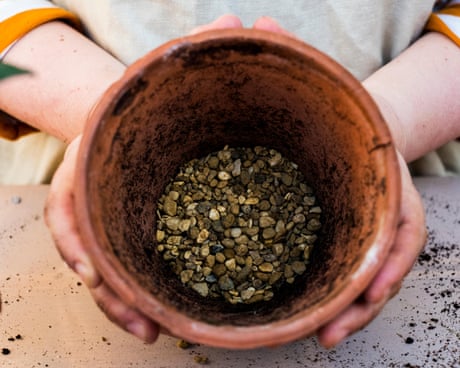
Houseplant hacks: does putting gravel at the bottom of pots improve drainage?

Generations of gardeners have added stones to their pots before topping up with compost, but does it really help?

The problem
Most old houseplant guides suggest adding a layer of gravel or stones to the bottom of the pot before adding compost. It is presented as basic good practice; the thing you do to stop soil from retaining water, which can cause root rot.

The hack
This layer of gravel is said to improve drainage by providing a place for excess water to collect below the root zone, keeping roots above the waterlogged area and allowing air to reach them from beneath.

Continue reading...

© Photograph: Mint Images Limited/Alamy

© Photograph: Mint Images Limited/Alamy

© Photograph: Mint Images Limited/Alamy

  •  

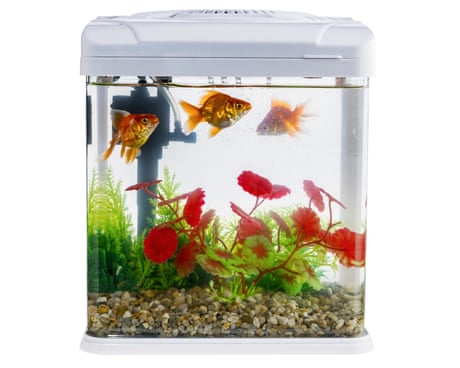
Houseplant hacks: does fish tank water work as fertiliser?

Rather than pouring away old aquarium water, you could use it as free plant feed

The problem
Houseplants need liquid fertiliser, but this can be expensive. Fish tank owners, meanwhile, produce litres of nutrient-rich water during water changes, which then gets poured away. Could it feed houseplants instead?

The hack
Water from a freshwater aquarium contains nitrogen, phosphorus and beneficial bacteria. Rather than discarding it during routine water changes, use it to water your houseplants, giving them a free feed.

Continue reading...

© Photograph: bogonet/Getty Images/iStockphoto

© Photograph: bogonet/Getty Images/iStockphoto

© Photograph: bogonet/Getty Images/iStockphoto

  •  

Houseplant hacks: does talking to your plants help them grow?

The theory is that breathing near your plants releases carbon dioxide, boosting photosynthesis and growth

The problem
We’ve all done it. Walked past a drooping fern, crouched down and given it a few encouraging words (whether you admit it to other people is a different matter). We are told it’s actually good for our plants, so should we all be chatting away to them to help them thrive?

The hack
Speaking to your plants is said to encourage growth. This is because breathing near them releases carbon dioxide, which they absorb during photosynthesis. More CO2 means faster, healthier growth.

Continue reading...

© Photograph: Sergey Mironov/Getty Images

© Photograph: Sergey Mironov/Getty Images

© Photograph: Sergey Mironov/Getty Images

  •  

Houseplant hacks: is summer rain a ‘spa’ for indoor plants?

You might think tropical plants would love a warm shower, but even in summer the UK’s weather is unpredictable

The problem
Indoor plants accumulate dust on their leaves, mineral deposits on their soil and a general staleness that comes from living in the same spot, in poorly ventilated air, for months at a time.

The hack
Spending time in warm summer rain is said to give houseplants a spa day: soft water reaches their roots, dust is washed from their leaves, and they get a rare dose of the outdoor conditions they may be best suited to.

Continue reading...

© Photograph: Irina Marwan/Getty Images

© Photograph: Irina Marwan/Getty Images

© Photograph: Irina Marwan/Getty Images

  •  

Houseplant hacks: can a potato help cuttings to grow?

It sounds like a handy, natural propagation trick, but tried-and-tested methods are more reliable

The problem
Taking cuttings is one of the most satisfying things you can do as a plant owner, but most people lack confidence. Stems sit in water for weeks doing nothing, or collapse in soil before roots appear. So when a hack promises to speed things up using nothing more than a raw potato, news travels fast.

The hack
The potato is supposed to keep the cutting hydrated and release nutrients as it breaks down, giving the stem everything it needs to form roots before it has to fend for itself. Some videos claim that potatoes contain salicylic acid, which encourages rooting.

Continue reading...

© Photograph: Tatyana/Getty Images

© Photograph: Tatyana/Getty Images

© Photograph: Tatyana/Getty Images

  •  
❌