❌

Lese-Ansicht

Women using HRT at lower risk of dementia, study suggests

Scientists found those who had used hormone replacement therapy were 10% less likely to be diagnosed with dementia

Hormone replacement therapy may reduce the risk of dementia, a study has found.

Scientists tracked more than 180,000 postmenopausal women in the UK in the largest study of its kind. They found that those who had used HRT were 10% less likely to develop any type of dementia and 16% less likely to be diagnosed with Alzheimer’s, the most common form, compared with those who had never used it.

Continue reading...

© Photograph: Anchiy/Getty Images

© Photograph: Anchiy/Getty Images

© Photograph: Anchiy/Getty Images
  •  

Shingles vaccine linked to lower risk of heart attack and stroke, study finds

Researchers say benefits of two-dose Shingrix vaccine could be comparable to taking daily blood pressure medication

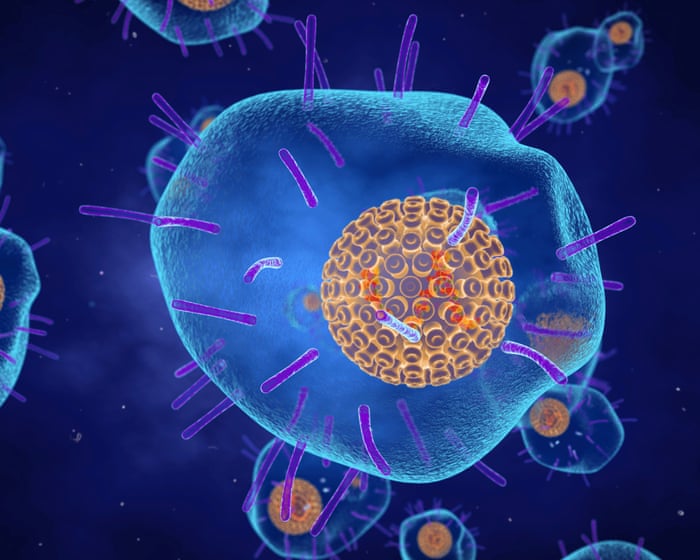
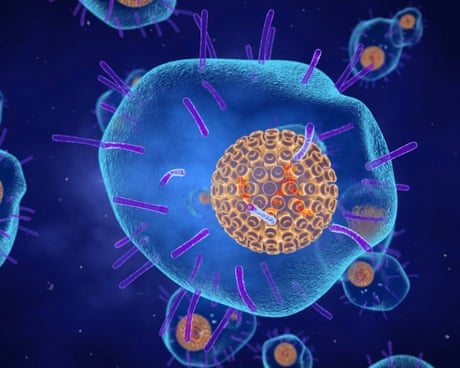
The current shingles vaccine appears to significantly lower the risk of heart attack and stroke, according to scientists who say it could help prevent thousands of deaths each year.

The research, based on records of 70,000 people in the US, found that those who had received Shingrix had a 12% lower risk of a cardiovascular diagnosis in the following three and a half years. If confirmed, this benefit would be comparable to taking a daily blood pressure-lowering medication, the scientists said.

Continue reading...

© Photograph: Roger Harris/SCIENCE PHOTO LIBRARY/Getty Images/Science Photo Library RF

© Photograph: Roger Harris/SCIENCE PHOTO LIBRARY/Getty Images/Science Photo Library RF

© Photograph: Roger Harris/SCIENCE PHOTO LIBRARY/Getty Images/Science Photo Library RF

  •  

Hard to swallow? The future of snacking may be 3D-printed cookies made from upcycled plastic

Nasa-funded project uses yeasts to turn plastics and other waste into edible proteins, fats and flavourings

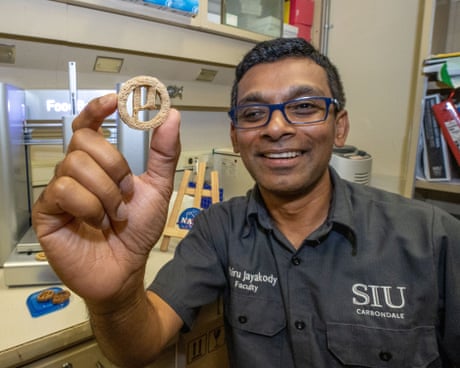
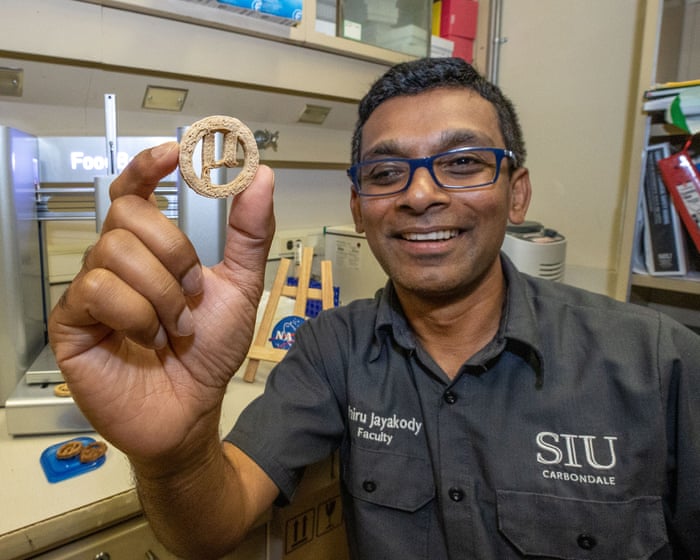
Cookies produced from upcycled plastic may sound like something straight out of a dystopian sci-fi plot. But researchers say that they have succeeded in creating such a product as part of a Nasa-funded project aimed at feeding astronauts on future space missions.

The technology uses specially designed yeasts to transform plastics and agricultural waste into edible proteins, fats and flavourings. The resulting slurry is passed through a 3D printer to create a disc-shaped “cookie”.

Continue reading...

© Photograph: Rusty Bailey/Rusty Bailey, SIUC Media & Communication Resources

© Photograph: Rusty Bailey/Rusty Bailey, SIUC Media & Communication Resources

© Photograph: Rusty Bailey/Rusty Bailey, SIUC Media & Communication Resources

  •  

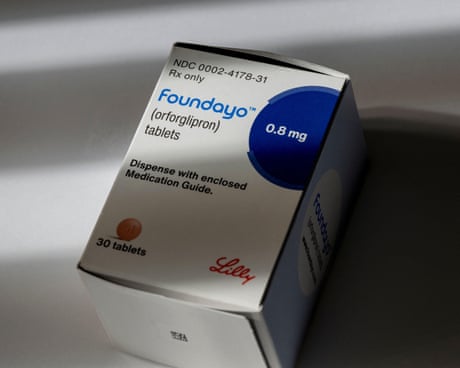
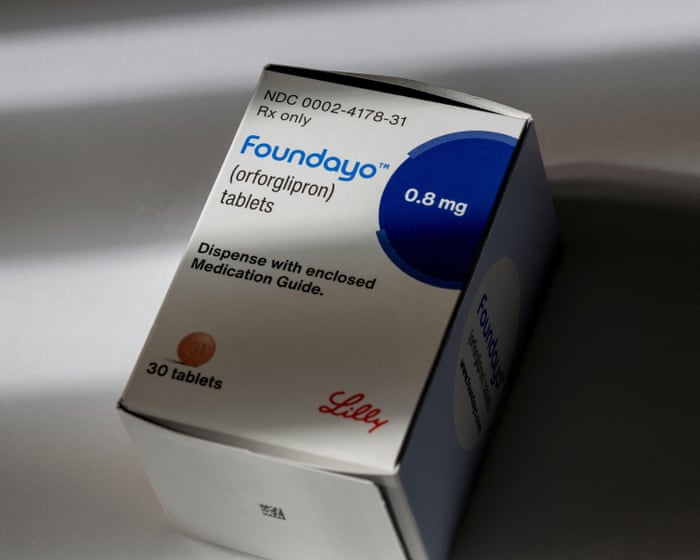
New daily diabetes pill that helps with weight loss launches in UK pharmacies

Foundayo will be available on private prescription, with pharmacists warning of counterfeit GLP-1 problem

A new daily pill that treats diabetes and helps with weight loss will be available in UK pharmacies from Monday.

Pharmacists said the move would be welcome for people who cannot use weight-loss jabs, but also issued a warning over the growing problem of fake, unlicensed or counterfeit versions of GLP-1 tablets.

Continue reading...

© Photograph: Michael Siluk/Alamy

© Photograph: Michael Siluk/Alamy

© Photograph: Michael Siluk/Alamy

  •  

Astronomers detect fastest known star in Milky Way

Star’s extreme proximity to Sagittarius A* means it could open new window onto black hole’s fundamental properties

Astronomers have detected the fastest known star in the Milky Way, hurtling around the supermassive black hole at the heart of the galaxy.

The star, called S301, travels at about 25,000km (15,500 miles) per second, 100,000 times faster than a commercial plane. It is also the closest known star to the Milky Way’s central black hole, Sagittarius A*, approaching it around the distance of Saturn to the Sun.

Continue reading...

© Photograph: ESO and Digitized Sky Survey 2/Reuters

© Photograph: ESO and Digitized Sky Survey 2/Reuters

© Photograph: ESO and Digitized Sky Survey 2/Reuters

  •  

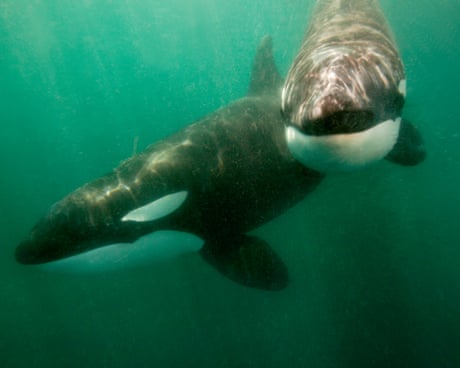
Orcas seen ramming prey so hard it explodes may be playing game

Scientists believe sunfish-smashing behaviour could be form of entertainment or to help younger whales feed

Orcas have been observed ramming into giant fish so hard that the prey explode, possibly as a form of gory entertainment.

On several occasions, orcas were observed to hold sunfish in their jaws while a second whale smashed into the target at high speed, causing it to break into thousands of pieces. Since the fish had already been killed, scientists suggested the behaviour may represent a form of play.

Continue reading...

© Photograph: James RD Scott/Getty Images
© Photograph: James RD Scott/Getty Images

© Photograph: James RD Scott/Getty Images
  •  

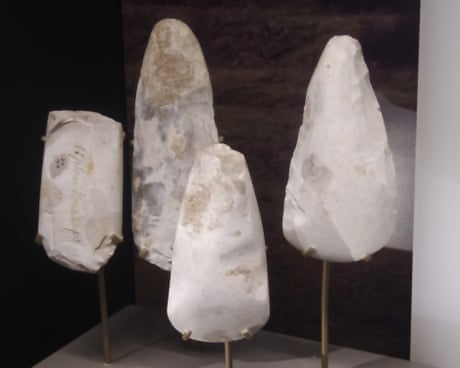
Ancient DNA analysis reveals Wiltshire’s Upton Lovell Shaman was a woman

Exclusive: Analysis offers ‘smoking gun evidence’ that overturns previous assumption that bronze age individual was male

The Upton Lovell Shaman, a bronze age individual who has been depicted in museum exhibits as a bearded spiritual leader and metalworker, was female, an ancient DNA analysis has revealed.

The 4,000-year-old skeleton, along with the extensive collection of stone axes, metalworking tools and the remains of an elaborate ceremonial cloak found in the grave, is viewed as among the most significant bronze age burials in Britain.

We Go Way Back opens at the Francis Crick Institute on 16 July

Continue reading...

© Photograph: Wiltshire Museum

© Photograph: Wiltshire Museum

© Photograph: Wiltshire Museum

  •  

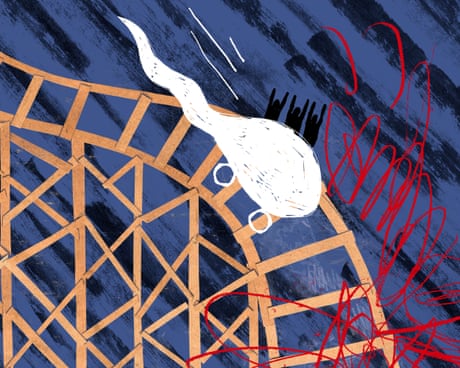
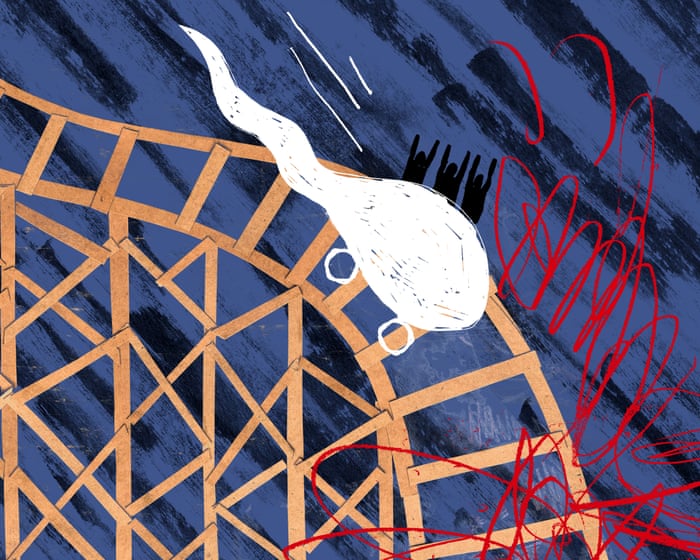
‘Spermageddon’: is the world facing a male reproductive crisis?

Reports of falling sperm counts and testosterone levels have fuelled fears over chemicals, pollution and modern lifestyles. But how much do scientists agree on what is affecting male fertility?

The world is unwittingly walking into a male reproductive crisis, scientists warned this week as they presented data that revealed an apparent halving of average male testosterone levels over the past 50 years.

“It is mind-blowing that testosterone has declined by 50%,” Prof Hagai Levine, who led the work, told the Guardian. “This is a lot. Wake up people. Wake up.”

Continue reading...

© Illustration: Anaïs Mims/Guardian Design

© Illustration: Anaïs Mims/Guardian Design

© Illustration: Anaïs Mims/Guardian Design

  •  

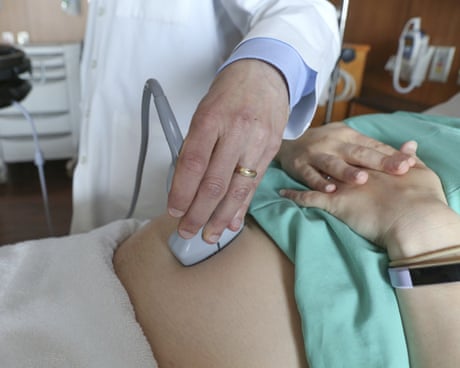
Men’s average testosterone levels have halved in last 50 years, say scientists

Exclusive: Researchers warn of ‘major crisis in male reproductive health’ partly driven by obesity and diabetes

Men’s average testosterone levels have halved over the past 50 years, according to scientists, who say society is facing a male fertility crisis.

Total testosterone levels in men declined by 54% between 1972 and 2019, according to data presented at the annual meeting of the European Society of Human Reproduction and Embryology in London on Tuesday.

Continue reading...

© Photograph: AndreyPopov/Getty Images

© Photograph: AndreyPopov/Getty Images
© Photograph: AndreyPopov/Getty Images
  •  

Air pollution linked to DNA changes in sperm, research shows

Study of more than 2,000 men identifies epigenetic changes linked to exposure to common outdoor pollutants

Air pollution appears to alter how sperm genes function, one of the largest fertility studies of its kind has found.

Men exposed to common air pollutants while sperm were developing showed subtle DNA changes that affected whether genes were switched on or off, raising fresh concerns air pollution may harm male fertility.

Continue reading...

© Photograph: rez-art/Getty Images/iStockphoto

© Photograph: rez-art/Getty Images/iStockphoto

© Photograph: rez-art/Getty Images/iStockphoto

  •  

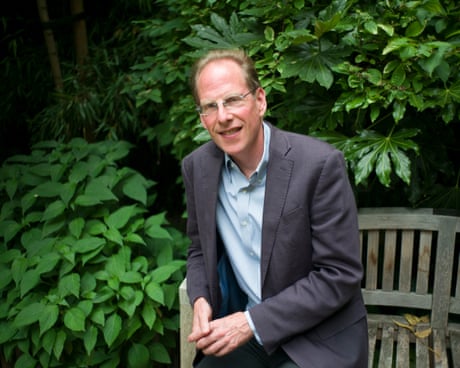
Pioneer of ‘extreme male brain’ theory of autism now says phrase unhelpful

Exclusive: Prof Simon Baron-Cohen says his language was misunderstood and it is a myth that autistic people lack empathy

The scientist who pioneered the “extreme male brain” theory of autism has said he regrets characterising the condition in this way because the phrase lends itself to misunderstandings.

Prof Simon Baron-Cohen’s theory that autistic people tend strongly towards systemising over empathising has been hugely influential in shaping the popular perception of autism over the past two decades. The underlying science had stood the test of time, he said, but he now views the “extreme male brain” label as unhelpful.

Continue reading...

© Photograph: Graeme Robertson/The Guardian

© Photograph: Graeme Robertson/The Guardian

© Photograph: Graeme Robertson/The Guardian

  •  

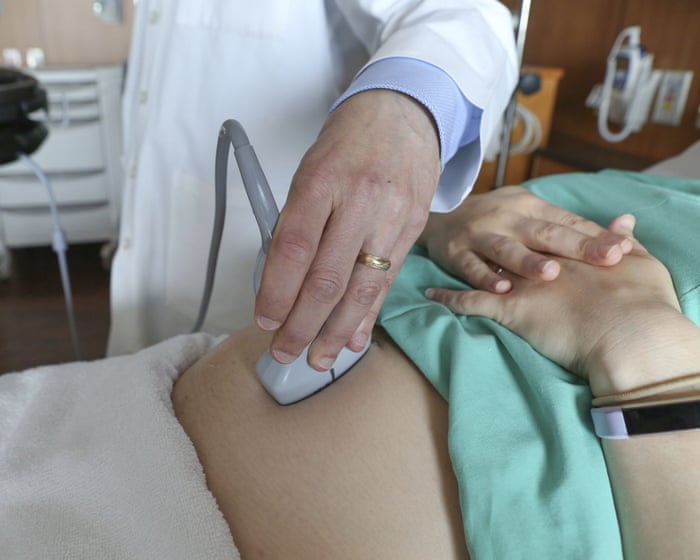
Blood test can find thousands of genetic conditions in pregnancy, say scientists

Technique that examines fragments of foetal DNA in mother’s bloodstream could limit need for invasive screening, according to researchers

A new maternal blood test that can detect thousands of serious genetic conditions in the developing foetus could limit the need for invasive screening during pregnancy, according to scientists.

The test, to be described at the European Society for Human Genetics conference in Gothenburg on Saturday, relies on detecting tiny fragments of a foetus’s DNA that circulate in the mother’s bloodstream during pregnancy. Using advanced sequencing techniques, scientists were able to identify a very high proportion of genetic conditions, such as cystic fibrosis, that are currently only reliably diagnosed using amniocentesis or other invasive tests.

Continue reading...

© Photograph: Teresa Crawford/AP

© Photograph: Teresa Crawford/AP

© Photograph: Teresa Crawford/AP

  •  

Millions of homes in London, Essex and Kent at risk of sinking as climate crisis worsens

Analysis pinpoints areas most vulnerable to hotter, drier weather causing ground to shrink and drag foundations down

Millions of homes are at risk from climate-related subsidence, according to an analysis by the British Geological Survey (BGS).

As hotter, drier summers driven by global heating become more frequent, the ground under houses can shrink and drag down a property’s foundations. The most vulnerable areas include London, Essex, Kent and a tranche of land from Oxford up to the Wash on England’s east coast, according to scientists, who say mitigation measures will be needed.

Continue reading...

© Photograph: Greg Balfour Evans/Alamy

© Photograph: Greg Balfour Evans/Alamy

© Photograph: Greg Balfour Evans/Alamy

  •  

‘They surprise me every time’: bees can use tools to solve problems, study finds

Insects join list of species capable of solving simple ‘box-and-banana’ problem that demonstrates basic intelligence

Bumblebees can use tools to solve a problem, according to experiments that demonstrate their remarkably advanced cognitive abilities.

The bees were given an adapted version of an experiment that, 100 years ago, first demonstrated chimpanzees could work out how to retrieve an out-of-reach banana by stacking boxes. Since then, various other primates, elephants and crows have joined an elite cohort of species known to be capable of this level of insight and spontaneous problem solving.

Continue reading...

© Photograph: Michael Probst/AP

© Photograph: Michael Probst/AP

© Photograph: Michael Probst/AP

  •  

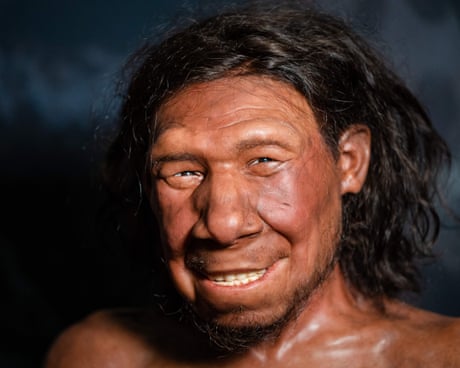
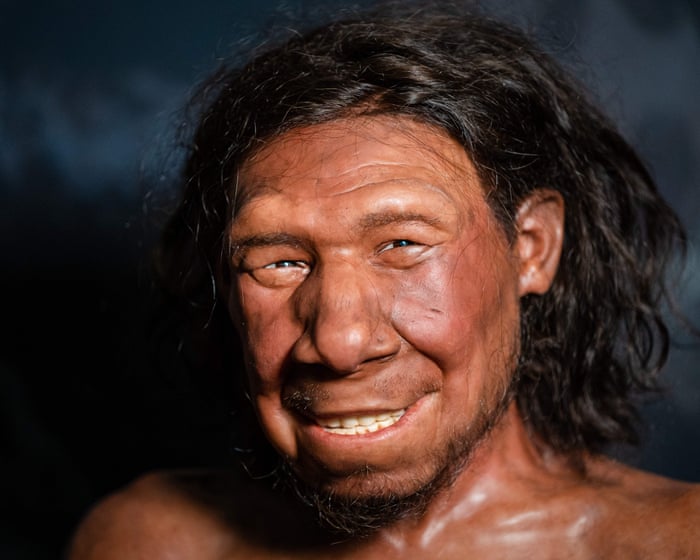
Neanderthals used stone drills to treat cavities 59,000 years ago, tooth suggests

Molar found in Siberia features deep hole that appears to show earliest known evidence of dental treatment

Neanderthals used stone drills to treat cavities almost 60,000 years ago in what is the earliest known evidence of dental treatment.

The single molar, which was unearthed in a cave in southern Siberia, features a deep hole that appears to have been created using a sharp, thin stone tool during the lifetime of the tooth’s owner.

Continue reading...

© Photograph: Bart Maat/ANP/AFP/Getty Images
© Photograph: Bart Maat/ANP/AFP/Getty Images

© Photograph: Bart Maat/ANP/AFP/Getty Images

  •  

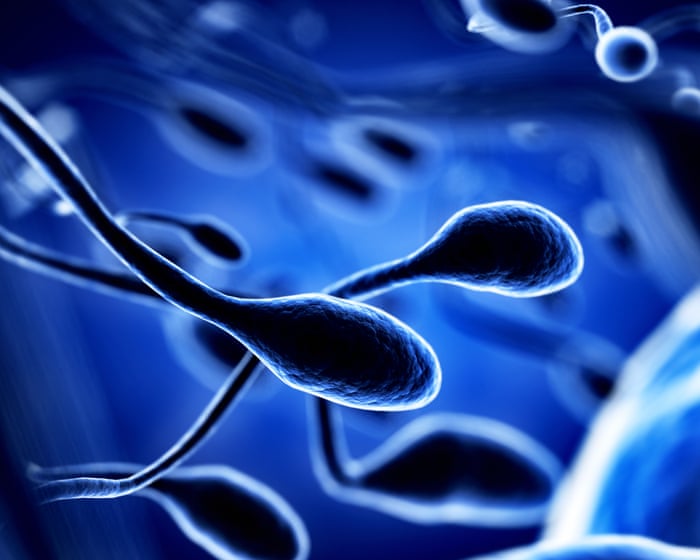
Man produces sperm from testicular tissue frozen as a child in breakthrough trial

Exclusive: Sperm re-transplant offers hope that boys left infertile by chemotherapy could have biological children one day

In a groundbreaking fertility trial, a man whose testicular tissue was frozen before he underwent chemotherapy as a child to be re-transplanted 16 years later has been able to produce sperm.

It is the first time a transplant of cryopreserved prepubertal testicular tissue has been demonstrated to restore sperm production in an adult patient. The 27-year-old man had the sample frozen when he was 10, before undergoing potent chemotherapy as part of treatment for sickle cell disease.

Continue reading...

© Photograph: Mads Nissen/Panos Pictures

© Photograph: Mads Nissen/Panos Pictures

© Photograph: Mads Nissen/Panos Pictures

  •  

Knee surgery for cartilage damage does not benefit patients, study suggests

People with meniscus tears who underwent surgery had poorer knee function and worse osteoarthritis after 10 years than those who did not

A common knee surgery for cartilage damage does not benefit patients and may lead to worse outcomes, a 10-year trial suggests.

The study tracked outcomes for patients treated for a meniscus tear, who were given a partial meniscectomy, one of the most common orthopaedic surgeries. Their trajectories were compared with patients who had randomly been assigned to receive “sham surgery”, in which no procedure was carried out.

Continue reading...

© Photograph: Amorn Suriyan/Getty Images

© Photograph: Amorn Suriyan/Getty Images

© Photograph: Amorn Suriyan/Getty Images

  •  

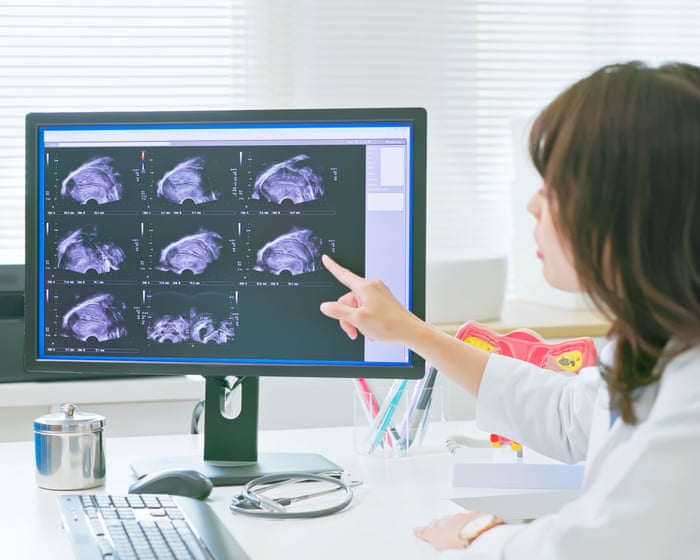
Trial of non-invasive endometriosis scan boosts hopes for quicker diagnosis

Results suggest radiotracer maraciclatide can ‘light up’ condition on scan and reduce need for investigative surgery

A non-invasive scan for endometriosis has shown promising results in a trial, boosting hopes for far quicker diagnosis.

The trial, which included 19 women with the condition, suggests that an experimental radiotracer, called maraciclatide, can “light up” endometriosis on a scan. The current need for a surgical investigation is seen as a major obstacle to timely diagnosis, with women in England typically waiting nearly a decade.

Continue reading...

© Photograph: PonyWang/Getty Images

© Photograph: PonyWang/Getty Images

© Photograph: PonyWang/Getty Images

  •  

‘Kraken-like’ giant octopuses 100m years ago crunched bones of prey

Study of fossilised beaks shows patterns of wear and suggests some ancient species were up to 19 metres long

Giant “kraken-like” octopuses that used powerful beaks to crunch through bones of prey were among the most formidable predators of the Cretaceous oceans, according to research.

Analysis of dozens of newly identified fossils reveals that some ancient octopus species reached up to 19 metres in length, meaning they would have rivalled – and possibly even preyed upon – apex predators such as mosasaurs and plesiosaurs.

Continue reading...

© Photograph: Hokkaido University

© Photograph: Hokkaido University

© Photograph: Hokkaido University

  •  

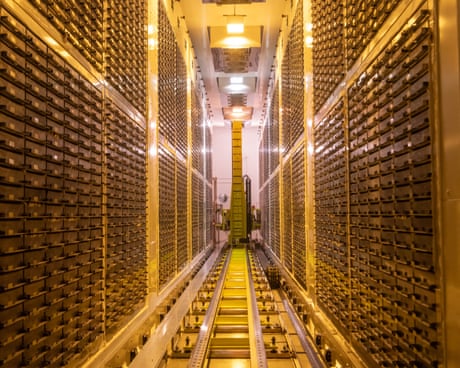
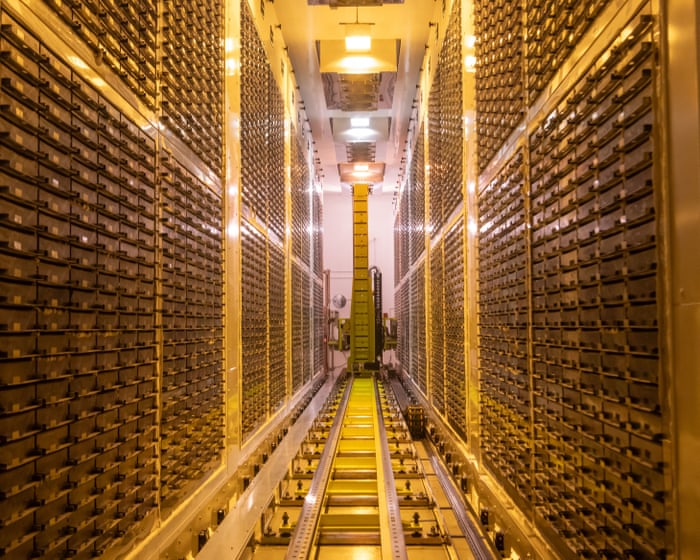
Private health records of half a million Britons offered for sale on Chinese website

Technology minister tells Commons ‘de-identified’ information from UK Biobank advertised for sale on Alibaba

The confidential health records of half a million British volunteers have been offered for sale on Chinese website Alibaba, the UK government has confirmed.

The data, belonging to participants in the UK Biobank project, was found for sale on three separate listings last week. The records have now been removed and it is not believed any sales were made.

Continue reading...

© Photograph: Dave Guttridge/UK Biobank/PA

© Photograph: Dave Guttridge/UK Biobank/PA

© Photograph: Dave Guttridge/UK Biobank/PA

  •  
❌