Turkey’s central bank cut its main interest rate for the first time since the outbreak of the Iran war, after inflation eased to its slowest pace in almost five years.
The crisis roiling Turkey’s investment industry may be spilling into its fast-growing corporate bond market, potentially crimping smaller companies’ access to financing.
Turkey has barred social media platforms from providing services to children under the age of 15, according to a regulation published in the Official Gazette.
Turkey’s state-run lenders Ziraat Bankasi and Halkbank applied for regulatory approval to transfer their Islamic banking units to a Turkey Wealth Fund subsidiary TVF Katılım Finans Yatırımları AS, according to public filings.
Federal Reserve Governor Christopher Waller said further interest-rate hikes will likely be needed to slow inflation, though officials have some flexibility on timing and don’t need to tighten at consecutive policy meetings.
Turkey has proposed an unusual solution for its fund crisis — investors who reaped massive gains should voluntarily return their money to help other people stuck in frozen funds.
The social media platform X made nearly 500 accounts from journalists, economists, academics and other public figures inaccessible in Turkey in the past week, according to EngelliWeb, which monitors internet censorship in the country.
Turkey arrested the brokerage founder at the center of an investigation into imploded stock funds that have caused billions of dollars of investors’ money to evaporate.
Turkish citizens piled into some high-profile investment funds in recent years, lured by extraordinary gains that would make many finance professionals pause.
Turkey has turned to two of its biggest banks to oversee the liquidation of 131 investment funds caught up in turmoil that has shaken the country’s asset-management industry.
Turkey’s central bank decided to resume weekly repo auctions at its 37% policy rate, a step toward normalizing funding conditions as it bets the worst of the Iran war’s economic fallout has passed.
Turkey’s central bank moved its year-end forecast closer to market expectations and admitted to a “partial failure” on inflation in a rare instance of self-criticism.
Turkish investment funds are urging authorities to crack down on unusual trading activity that’s sent some stock prices soaring and has put the nation at risk of exclusion from major equity benchmarks.
Foreign investors are returning to Turkey, lured by high interest rates, resilient markets and fading geopolitical risks as the US and Iran move closer to a peace deal.
Turkey’s central bank kept its main interest rate unchanged for a third consecutive time since the outbreak of the Iran war, signaling it’s comfortable with the current stance favored by a cooling economy.
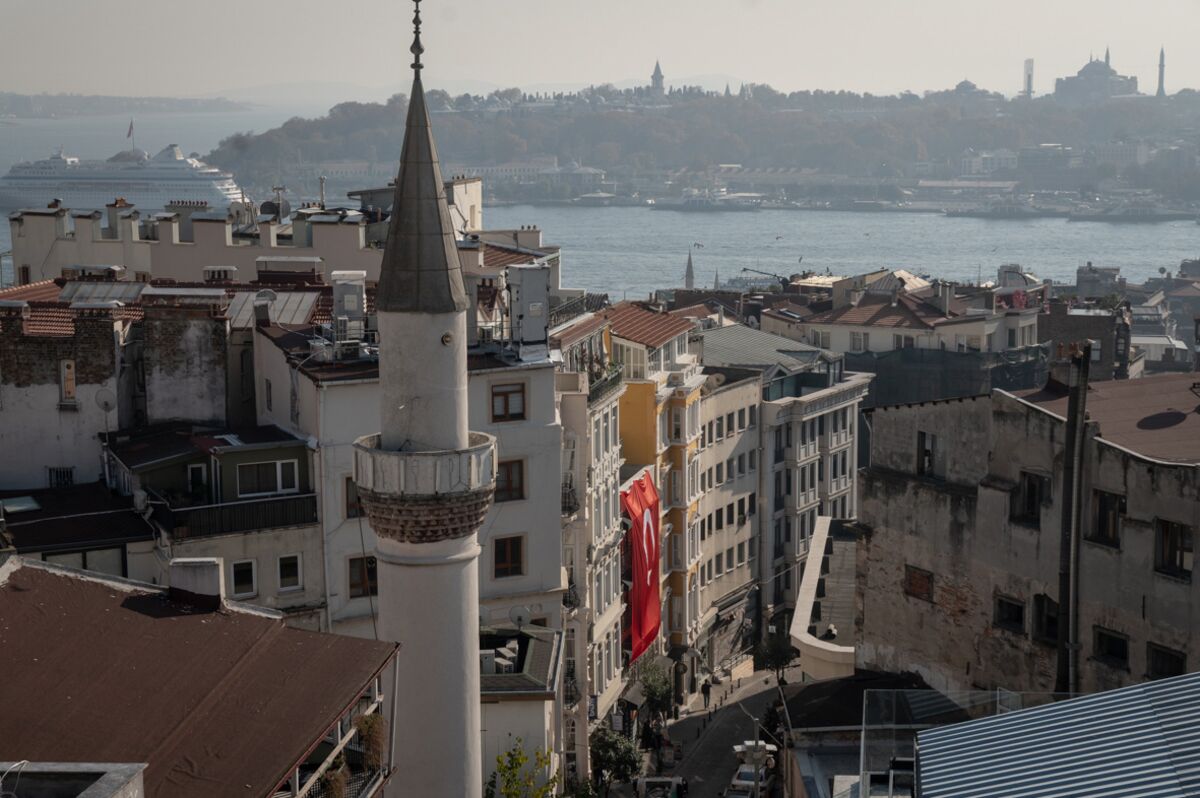
Turkey, a major oil and natural gas importer, has faced a surge in energy costs after the Strait of Hormuz was effectively closed. Photographer: Nicole Tung/Bloomberg
Turkish state lenders sold about $6 billion to defend the lira on Thursday, about half shortly after a court decision that removed the main opposition party’s leadership, according to traders familiar with the transactions.
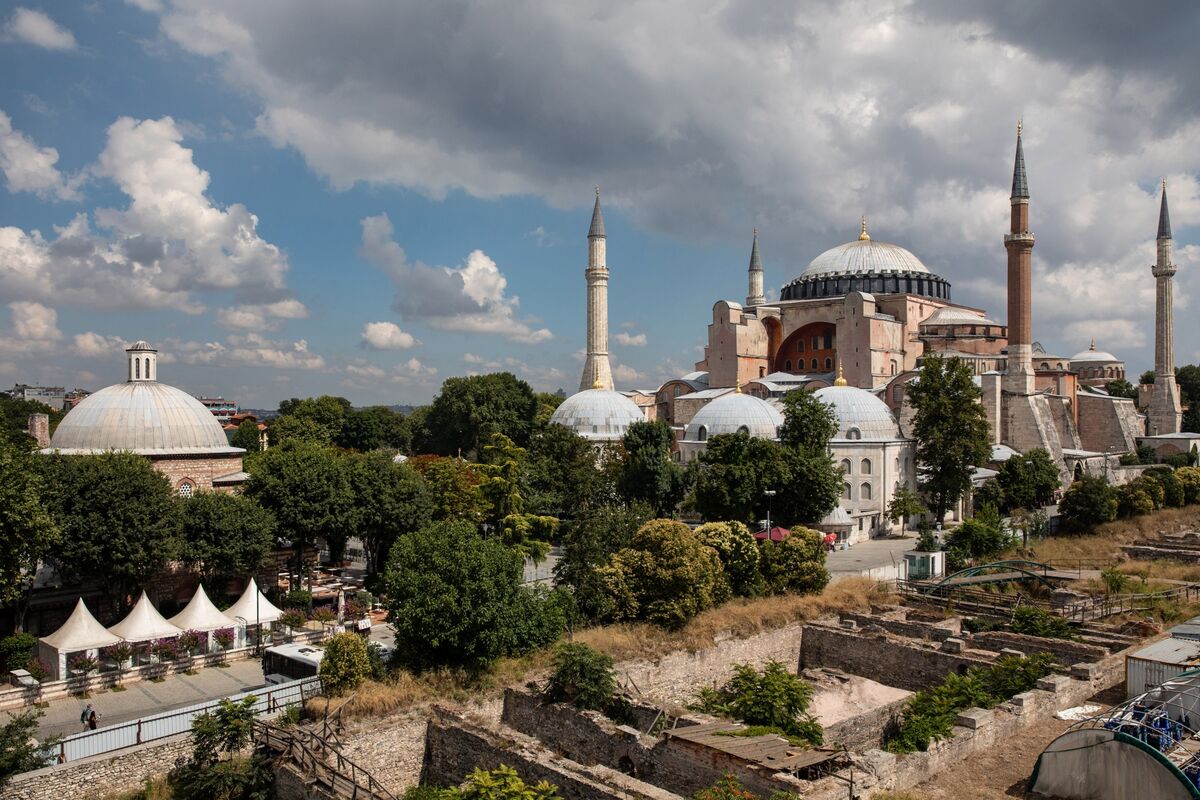
The Hagia Sophia mosque in the Sultanahmet district of Istanbul. Photographer: Kerem Uzel/Bloomberg
Turkey’s central bank sharply raised its inflation forecast on Thursday due to surging energy costs but didn’t signal a shift in monetary or exchange-rate policy despite mounting pressure on prices.
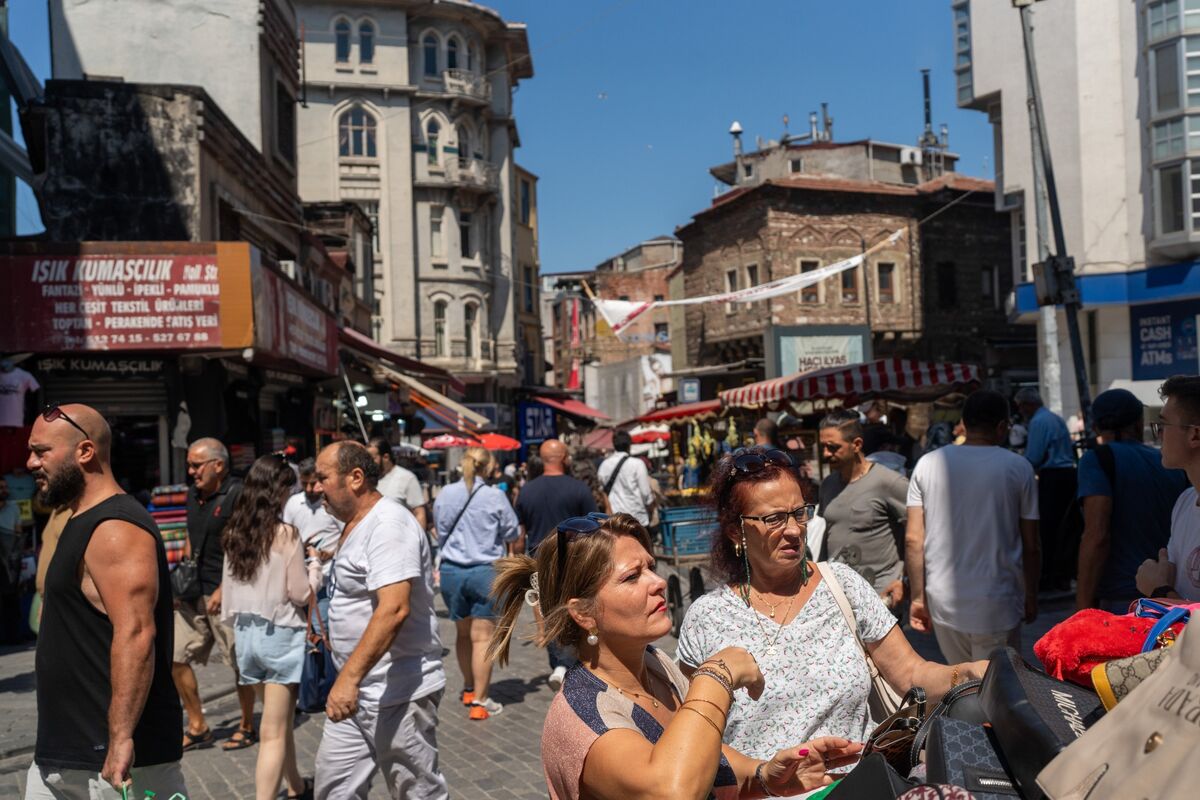
Shoppers at the Mahmutpaa Bazaar in Istanbul. Photographer: Emre Caylak/Bloomberg
Turkey has spent $12 billion, equal to roughly 15% of its foreign-currency reserves, to keep the lira stable during a week of global market volatility triggered by the war in Iran.
 Anmelden