Indonesia and Malaysia are expected to produce less palm oil in 2027 as prolonged dry weather caused by a strong El Niño will depress yields next year, tightening global supplies and lifting prices.
Palm oil prices dropped to the lowest since early August as peaking production and flagging demand prompted worries over swollen inventories in the world’s second-biggest grower Malaysia.
India has so far received 648 millimeters of rainfall during the monsoon season, which runs from June through September, compared with an average of 760.6 millimeters, according to data published by the India Meteorological Department on Sept. 9.
Palm oil dipped ahead of Malaysian data due Thursday that are expected to show rising stockpiles and weaker exports from the world’s second-biggest grower.
Nepal sought international help to cope with the aftermath of catastrophic flash floods that have left nearly 3,000 people missing along the mountainous border with China.
Indonesia’s palm oil production may shrink by up to 3 million tons next year due to the severe El Niño weather forecast for the coming months, according to an industry estimate, adding to upward pressure on prices.
Indonesia’s ambition to launch a new commodities exchange by Jan. 1 is achievable if it uses existing platforms rather than starting from scratch, according to the deputy chief of the Jakarta Futures Exchange.
Palm oil climbed to its highest level in about 20 months, as rising biofuel demand and mounting production risks from the strengthening El Niño underpin prices.
Malaysia continues to attract strong foreign investor interest despite growing political uncertainty following a string of local election setbacks for Prime Minister Anwar Ibrahim’s coalition.
India, the world’s top sunflower oil buyer, is rushing to secure supplies of alternate vegetable oils as attacks in the Black Sea region disrupt imports and its own crops falter due to weak monsoon rains.
Palm oil rose to the highest in nearly a month, tracking renewed strength in crude and other vegetable oil prices as the US and Iran exchanged escalating military strikes.
Palm oil edged lower, weighed down by declining crude prices and expectations for strong output from the second-biggest grower, Malaysia.
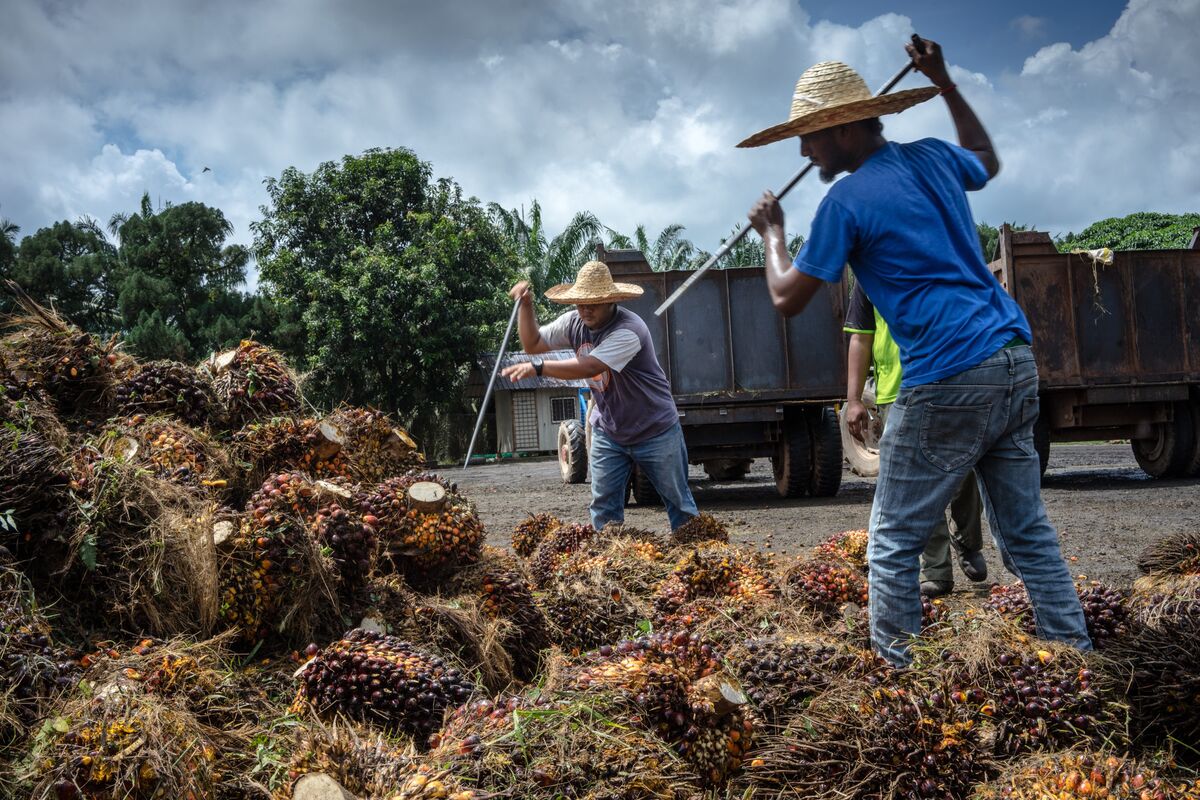
Workers use palm fruit spears to remove bad bunches from a pile at the Bukit Senorang Palm Oil Mill, owned by United Malacca Bhd., in Pahang, Malaysia.
The rollout of a pioneering palm-diesel blend is set to stretch Indonesian biofuel makers to their limits and tighten global supplies of the tropical oil by diverting it away from export markets.
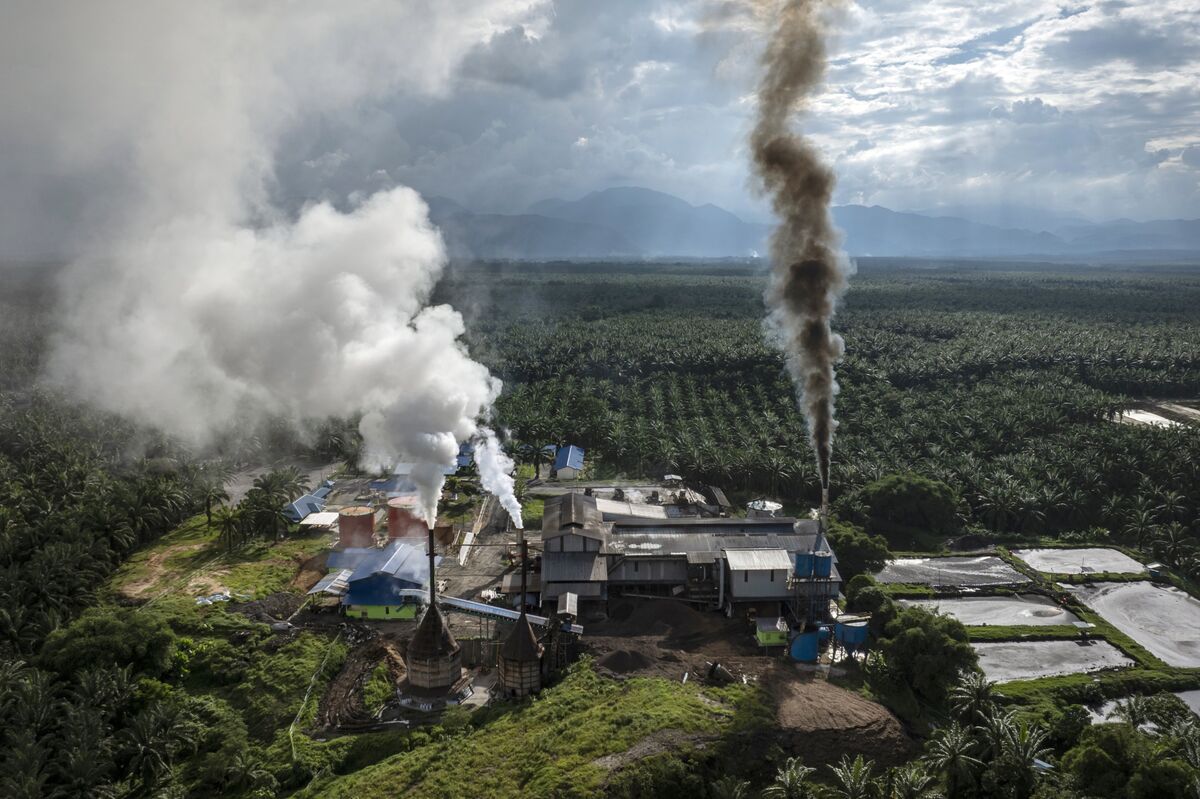
A palm oil processing factory in North Sumatra, Indonesia. Photographer: Ulet Ifansasti/Getty Images
Palm oil futures posted the biggest drop in more than a month, tracking declines in crude and soy oil prices, while a strengthening ringgit added to demand headwinds.
 Anmelden